By Fernando Perez-Ordoyo | Head of International Corporate Alliances
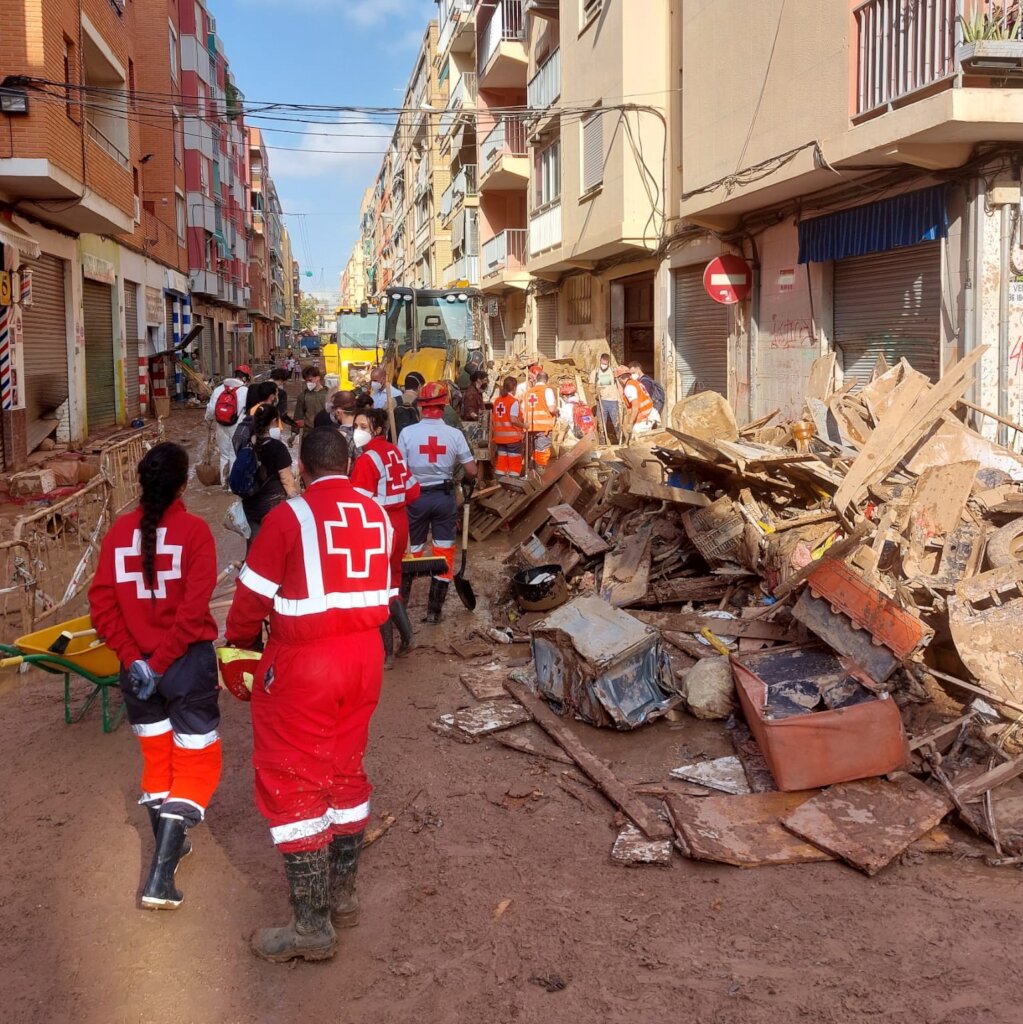
In the wake of the severe flooding caused by the DANA, Cruz Roja Española launched an extensive and evolving response plan aimed at addressing both immediate and long-term needs of the affected population. As the emergency phase transitioned into recovery, the organization adapted its strategy based on field experience and the changing realities on the ground.
The recovery phase became the central focus, with local assemblies taking the lead in delivering aid and services. Despite the damage to seven local Cruz Roja facilities in Valencia—four of which were completely destroyed—temporary modules were quickly installed to ensure continued support. In towns like Paiporta, Catarroja, and Sedaví, these provisional setups allowed residents to receive assistance without needing to travel far. Some centers have since reopened, although Aldaia remains dependent on temporary infrastructure due to delays in reconstruction.
One of the most impactful initiatives was the distribution of prepaid cards in collaboration with Caixa Popular. These cards empowered families to make their own purchasing decisions based on their specific needs. Over 26,000 families were identified for support, and nearly 24,000 cards were distributed, with aid amounts tailored to household size. This initiative alone mobilized over €32 million in direct financial assistance.
Cruz Roja also deployed 123 social response teams, comprising more than 310 individuals from across Spain. These teams were responsible for assessing needs, distributing aid, and providing psychosocial support. Their work was complemented by remote support teams, which helped process documentation and manage logistics. In addition, 32 specialists were mobilized to assist with the reactivation of local businesses, a critical component of economic recovery.
The organization identified over 3,000 businesses that had suffered significant damage. More than 2,300 of these received direct financial aid, totaling €11.4 million. These funds helped business owners not only repair physical damage but also navigate bureaucratic processes and address broader social and emotional challenges.
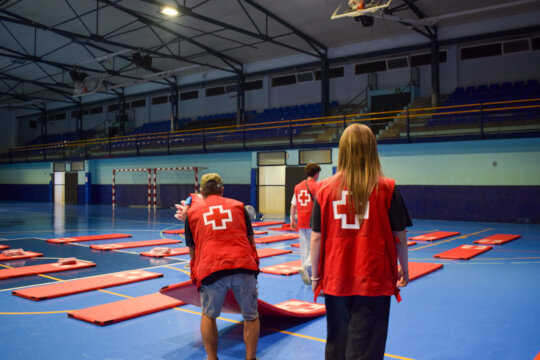
Material aid was another cornerstone of the response. Thousands of essential items were distributed, including rest kits, dehumidifiers, heaters, cleaning supplies, and food kits. Appliance replacement was also prioritized, with over 14,000 units delivered to families in need. Housing rehabilitation efforts were underway, with hundreds of requests processed and several projects completed.
Psychosocial support played a vital role throughout the operation. Cruz Roja worked in coordination with mental health organizations to provide emotional care, especially to those who had suffered personal losses. More than 7,000 individual interventions were carried out, ensuring that emotional recovery was not overlooked.
Mobility assistance was provided to individuals with reduced mobility, particularly those affected by elevator outages due to flooding. Over 4,000 mobilizations were conducted using electric stair chairs, and elderly residents received more than 11,000 hours of home care.
Community recovery efforts extended to public spaces and educational institutions. Sports facilities were rehabilitated, and schools received technological and educational materials. These actions helped restore a sense of normalcy and community cohesion.
Additional support included the distribution of technical aids such as wheelchairs, hearing aids, and specialized beds. Cruz Roja also offered guidance on accessing rights and navigating insurance and housing claims. A training program on trauma and resilience was scheduled to help educators and volunteers support children and adolescents emotionally.
In various municipalities, Cruz Roja organized recreational and educational activities to foster community engagement and emotional healing. From beach outings and summer camps to school supply drives and cultural visits, these initiatives brought moments of relief and joy to affected families.
During the initial emergency phase, Cruz Roja mobilized over 23,000 personnel, including both staff and volunteers. Specialized teams provided medical care, managed temporary shelters, supported children, restored communications, and conducted search and rescue operations. Water purification units ensured access to clean water, while community health teams promoted hygiene and infection prevention.
Logistical operations were supported by a fleet of 232 vehicles, including ambulances, boats, off-road vehicles, and mobile communication centers. These resources enabled rapid and effective response in the most critical moments.
To ensure transparency and public access to data, Cruz Roja launched a PowerBI dashboard detailing the number of people assisted, types of aid delivered, and resources mobilized. This platform is continuously updated and reflects the scale and scope of the organization’s efforts.
The societal response to the DANA emergency was equally remarkable. Over 5,400 volunteers contributed nearly 196,000 hours of service, participating in environmental interventions, logistics, and community support. Volunteers came from every region of Spain, demonstrating national solidarity.
Financial support poured in from various sectors, with Cruz Roja receiving €115 million in donations. These funds came from individuals, companies, foundations, national societies, and public administrations, enabling the organization to sustain and expand its response efforts.
Links:
Project reports on GlobalGiving are posted directly to globalgiving.org by Project Leaders as they are completed, generally every 3-4 months. To protect the integrity of these documents, GlobalGiving does not alter them; therefore you may find some language or formatting issues.
If you donate to this project or have donated to this project, you can receive an email when this project posts a report. You can also subscribe for reports without donating.