Project Report
| Mar 28, 2012
Latest on Goats and Donkeys Transform Lives
By Mary Clark | Project Advisor
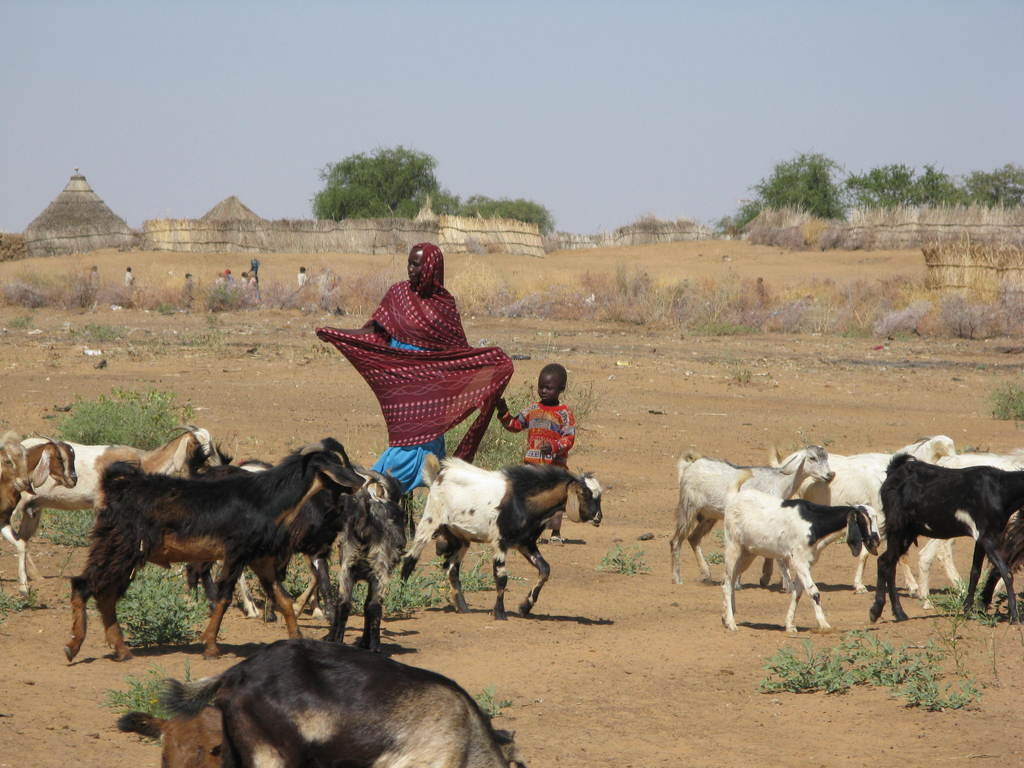
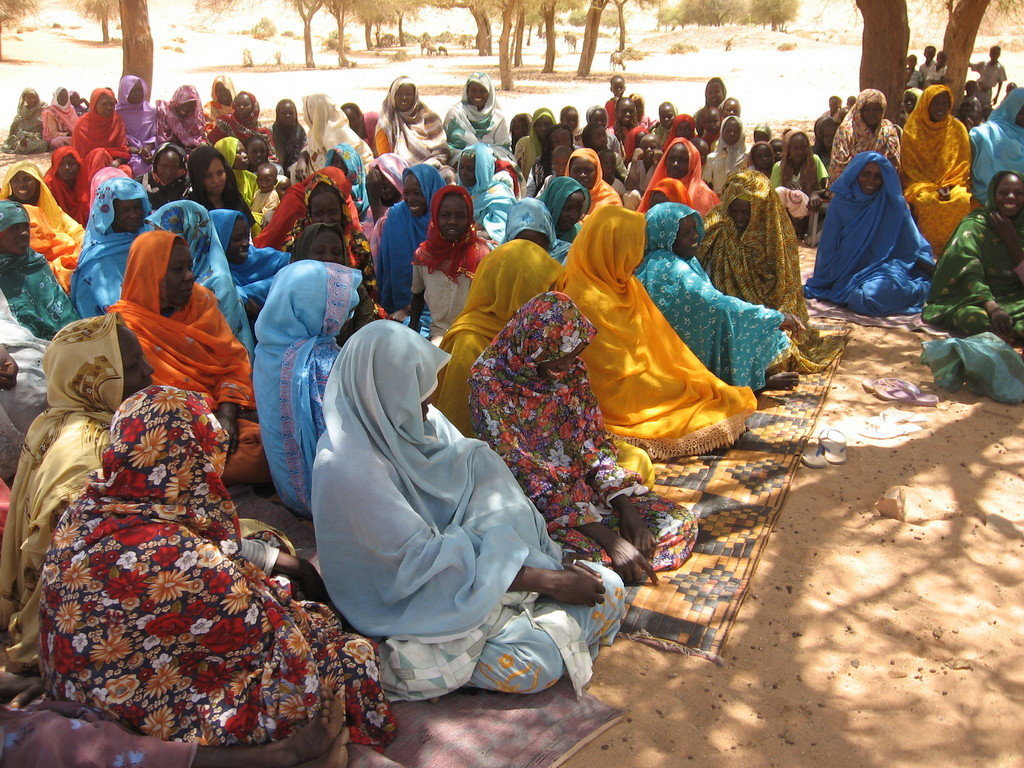
Good progress is being made in launching our programme of activities in our 60th village, Mugabil. Our Project staff are making frequent visits to the village to help the community to establish the Village Development Committee and Animal Loans Committee which will manage the project activities. The community has identified the poorest households to be recipients of the goat and donkey loans. In the past in our villages the poorest 10% of the households in the villages have been eligible to receive livestock loans but as a result of the drought in the past year many families are really struggling to survive and KIDS FOR KIDS is now hoping to be able to extend the provision of livestock loans to the poorest 15% of households in the community. At the same time, however, livestock prices in the local markets have increased dramatically and the local agents engaged by the project management to purchase the livestock are having to search over a wider area to seek out high quality animals at a reasonable price. We are, however, still having to pay significantly more than we anticipated and this means that the contributions of all our supporters become even more valuable.
The fodder situation is also difficult as a result of the drought with pasture currently only available near wadis and hill areas. Whilst many of our livestock beneficiaries in our villages have thankfully been able to store hay for the dry season we feel the need to lay greater emphasis on finding solutions to the recurrent fodder shortages as access to quality fodder is crucial for maintaining productive animals for the families. Hence we are holding discussions with various local experts to devise a pilot project to see how our families could increase their fodder production. The details are still being worked out and will be reported on in due course. In addition to promoting increased fodder production, the pilot project will also work with the families to increase their understanding of animal nutrition and the value and benefits of different fodder crops and will provide training to beneficiaries in the optimum utilisation of the different fodder resources available. We hope that these initiatives will ensure that our families are able to otbain the maximum benefits from their animals to provide the income which they need to pay for school fees, medicines, etc. to improve their lives.
![Share on Twitter]()
![Share on Facebook]()
Jan 3, 2012
Update on Goats/Donkeys transform lives in Darfur
By Mary Clark | Project Advisor
Our most exciting piece of news is that we have recently selected the 60th village to be supported by KIDS FOR KIDS. The village is Mugabil which is located 40 kms north of the provincial capital, El Fasher. We were very keen to reach this landmark in our 10th anniversary year and look forward to moving steadily towards our 100th village which will call for real celebrations - but that is still a little way in the future !. Our local Project staff will be visiting the new village regularly to explain the details of the programme and the key principle of self-reliance and community responsibility for management of the project activities. Thereafter the Project staff will be helping the community to establish the structure of village committees required to manage the project effectively. In due course the village will be selecting two volunteers to be trained as paravets and also selecting the families to be recipients of the goat and donkey loans - more on all of this in the next update.
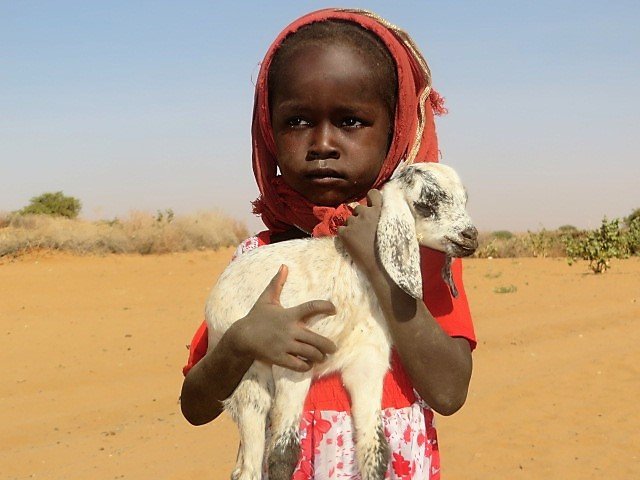
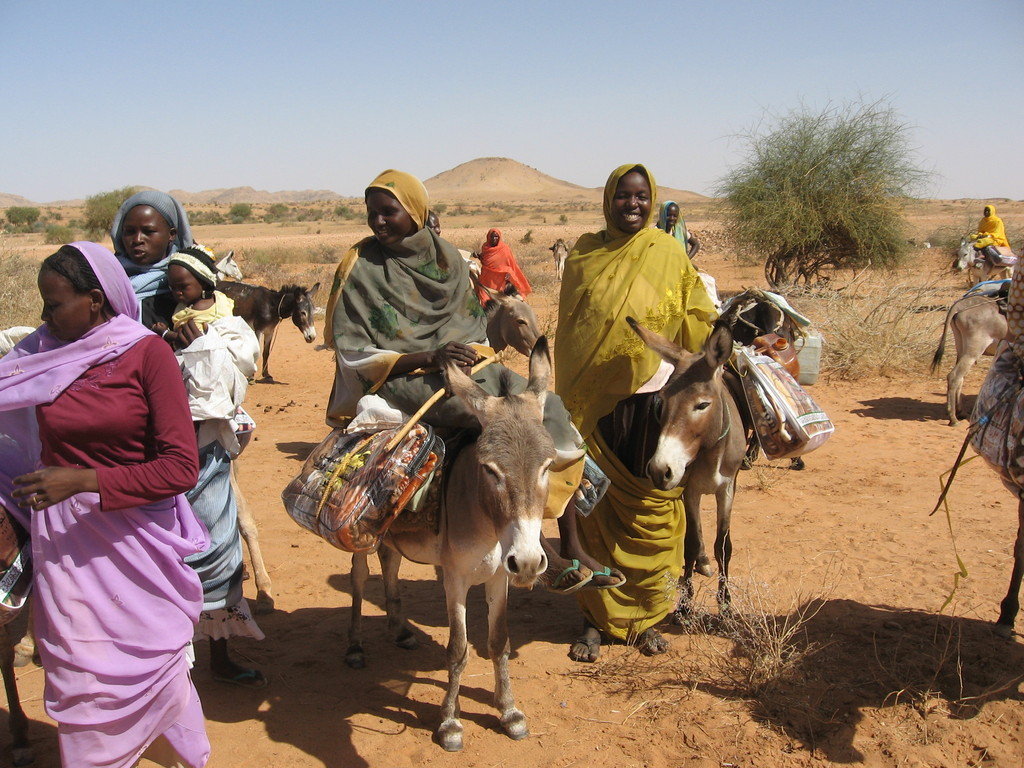
In the meantime the families in the five villages which we introduced to our programme in 2011 who received goats and donkeys in the last quarter of 2011 are making good progress and are beginning to derive the benefits. The donkeys are particularly appreciated to take some of the drudgery out of the daily tasks of collecting water, fodder and fuel. The women are so grateful now that they no longer have to walk for long distances carrying heavy water pots and loads of firewood on their heads. As most of the goats received by the families were pregnant their flocks are beginning to increase - some families who received 5 female goats now have 10 goats. The children in these families are now much better fed and enjoy better health now that they regularly have milk from the goats which is rich in minerals and proteins. Being better nourished they are able to make better use of their time at school being able to concentrate better in class. So in many ways the goats contribute to a better future for the most vulnerable children in Darfur. And all this is only possible through the generous support of our donors and we, and the families and communities in Darfur, are very grateful for your support. There are many more poor families needing assistance and we hope that you will continue to support us and help us to do still more for the vulnerable families in Darfur where the conditions of life are so very difficult.
![Share on Twitter]()
![Share on Facebook]()
Oct 19, 2011
Goats and Donkeys Transform Lives in Darfur Update
By Mary Clark | Project Advisor
Good progress has been made over the last three months in implementing the project activities in the five new villages adopted in 2011 - Um Layouna, Amar Jaded, Hilat Kabir, Elfaki Ali and Siwailanga. The village level veterinary services are now fully in place with the newly trained paravets equipped with their veterinary kits and cross bred donkeys and the revolving veterinary drugs funds established in each village to ensure that livestock owners have ready access to the necessary drugs when their animals are sick. During the last three months all the households who will receive goat and donkey loans have received detailed animal husbandry training to ensure that they are well equipped to look after their animals properly. The training covered animal nutrition, welfare, health and reproduction. In total training was provided to 383 people including members of the Animal Loans Committees which will be responsible for managing the goat and donkey loans. In addition 5 children in each village who comprise the Children's Shepherd Committee also received training as children play a major part in caring for the animals - in particular they are frequently responsible for grazing the animals on the communal grazing lands around the village. As the children are so closely involved in caring for the animals they are in a good position to detect early signs of sickness in the animals if they are trained in the symptoms to look out for. The Children's Shepherd Committee members are responsible for checking all the animals on a weekly basis and for reporting any signs of sickness to the Animal Loans Committee and the paravets. This process helps to ensure that the beneficiaries' goats and donkeys remain healthy and productive.
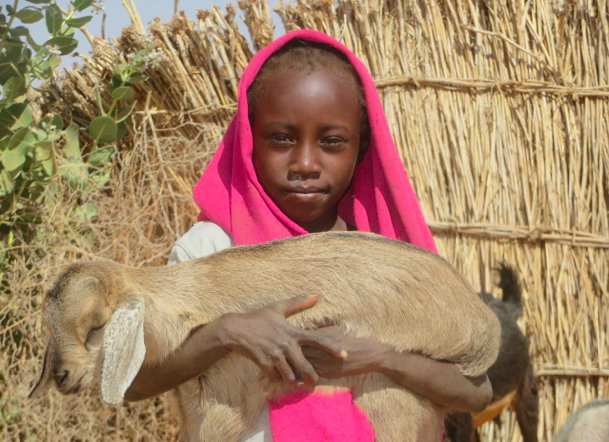
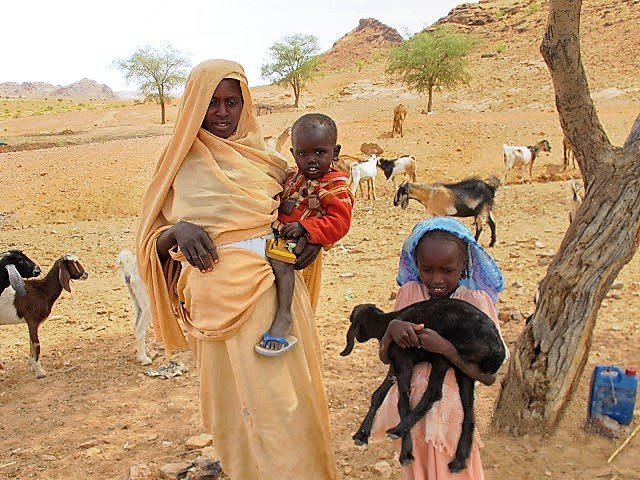
Following the completion of the animal husbandry training the beneficiary households have all received their goats and donkeys. Each household received 5 female goats whilst a male goat is shared between 3 households. In total 885 goats (830 females and 55 males) have been distributed to 166 households. In addition each household has been provided with a donkey. These poor families now have both a source of income from the goats from the sale of milk and kids and milk as a source of nutrition for their malnourished children. This has a hugely significant impact on the health of the children. In a survey of villages in Darfur carried out by UNICEF in 2010, UNICEF noted that KIDS FOR KIDS' villages stood out for the low levels of malnutrition.
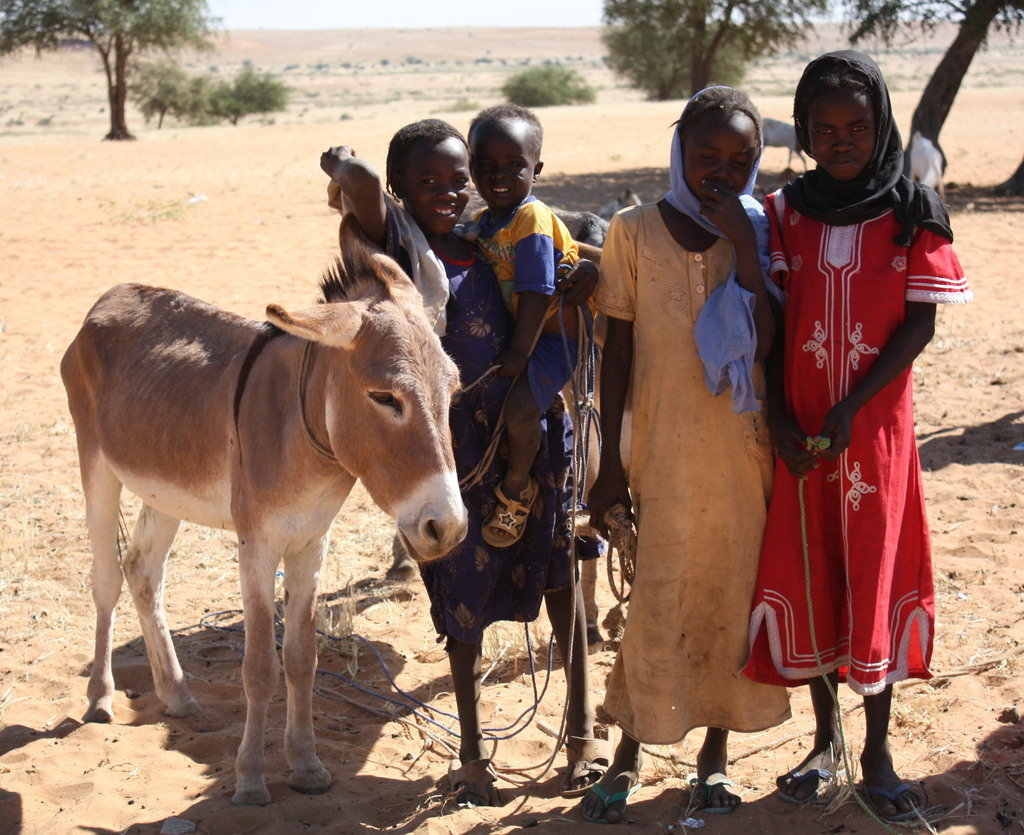
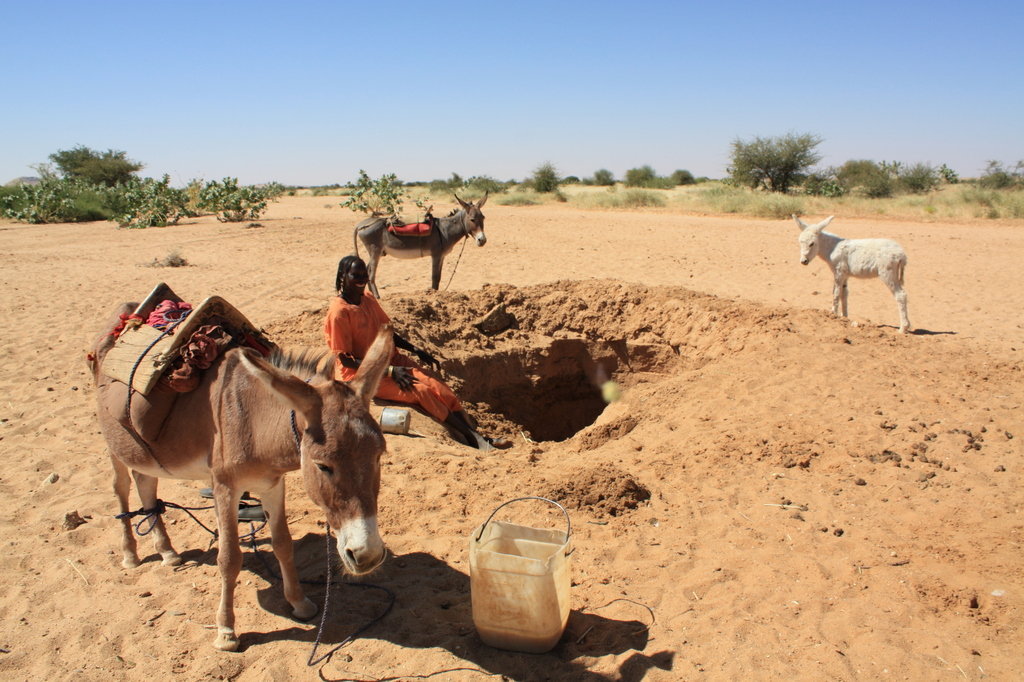
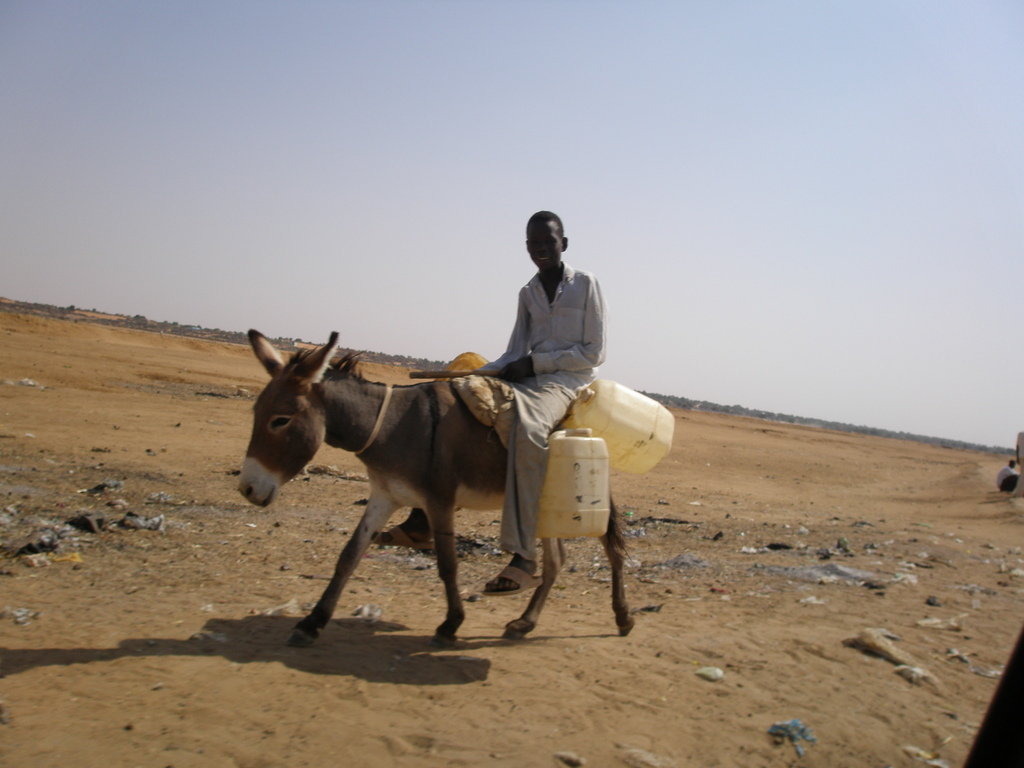
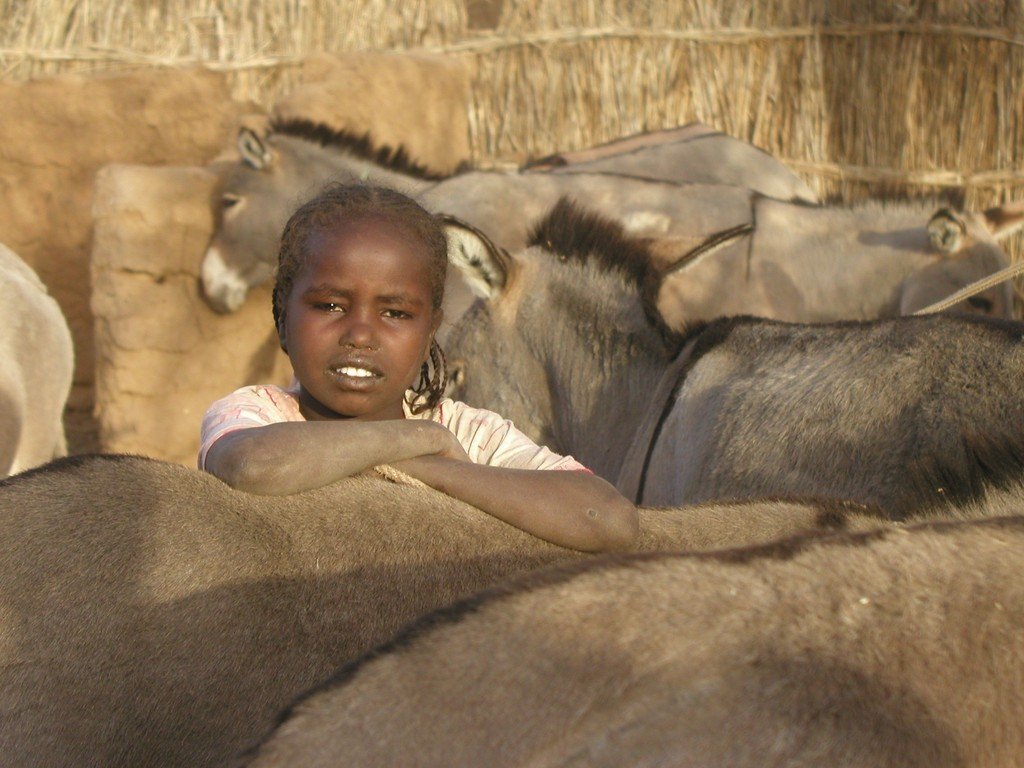
The donkeys also make a huge difference to families, particularly to the women, who no longer have to carry heavy loads of water, firewood and fodder on their heads. The donkey also saves time as it can carry 4 jerry cans of water whilst a woman can only carry one - so apart from reducing the journey time to the water source there is no need to go so often to collect the water requirements of the household. Children are frequently given the task of collecting water and being able to complete the task more quickly with the donkey they now have time to go to school and to obtain the education which can give them the chance of a better future. In addition to reducing the drudgery of the daily tasks of collecting water, firewood and fodder for the household the donkeys also provide a source of income through rental or through sales of additional water, firewood and fodder which the family has been able to collect. Income from the goats and the donkey enables a family to buy things which it could never afford before - to pay for water and school fees and books and to buy medicines for sick children. Above all it provides peace of mind knowing that they have a means of covering future emergencies - this is the gift your support has given to vulnerable families in Darfur and they are eternally grateful.
![Share on Twitter]()
![Share on Facebook]()