By Afam Onyema | Co-Founder and Chief Executive Officer
We are especially excited that our maternity clinic program continues to successfully grow and expand. We have two functioning modular clinics operating in Nigeria right now, with three more planned by the end of the year.
The following comes from a recent Nigeria Health Watch feature by Adaobi Ezeokoli & Aloysius Chidiebere Ugwu:
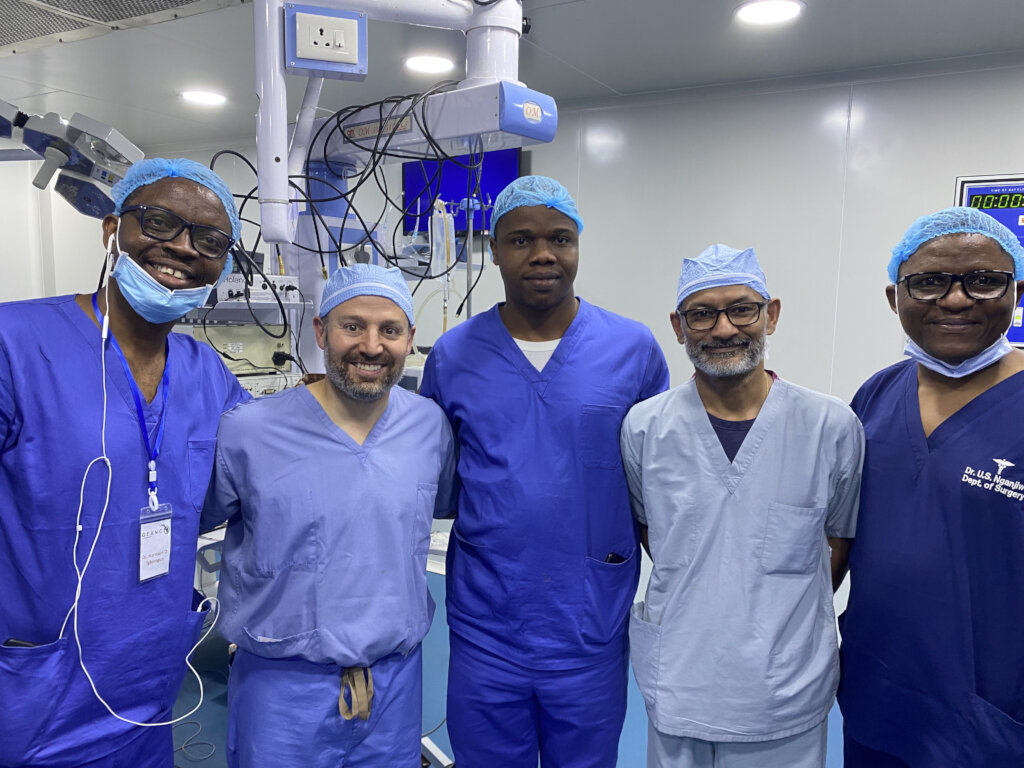
The GEANCO Foundation has intervened in the area of medical missions for orthopedic surgery in Nigeria since 2011. In 2014, they began to focus on another area of health development—maternal health and nutrition.
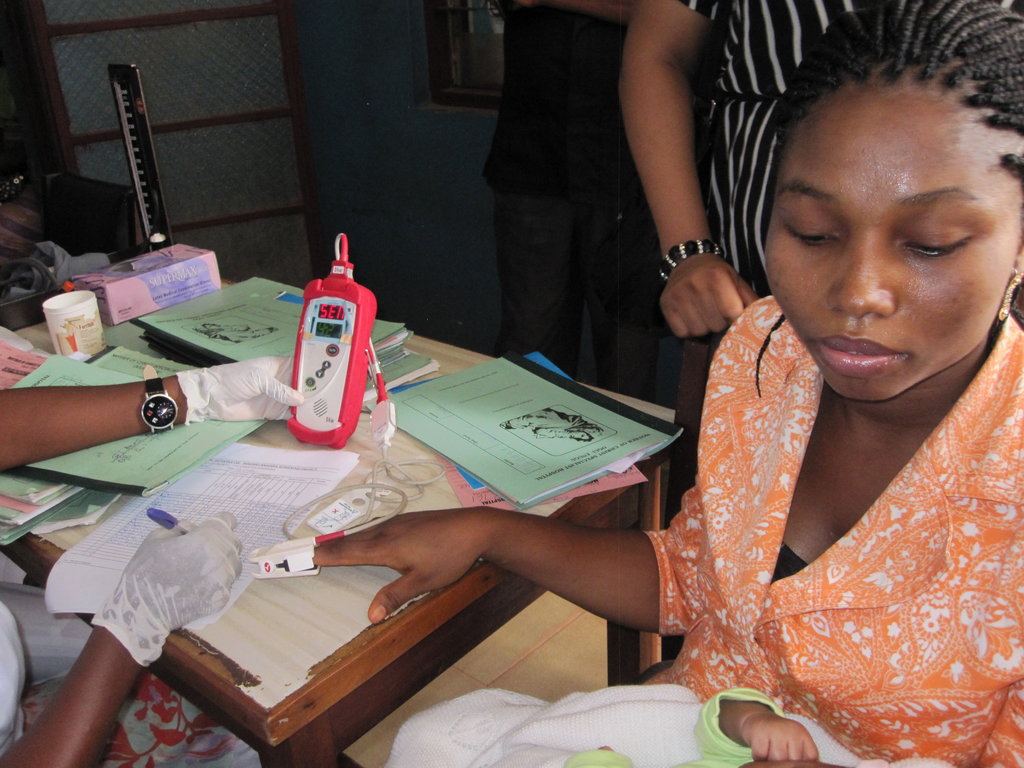
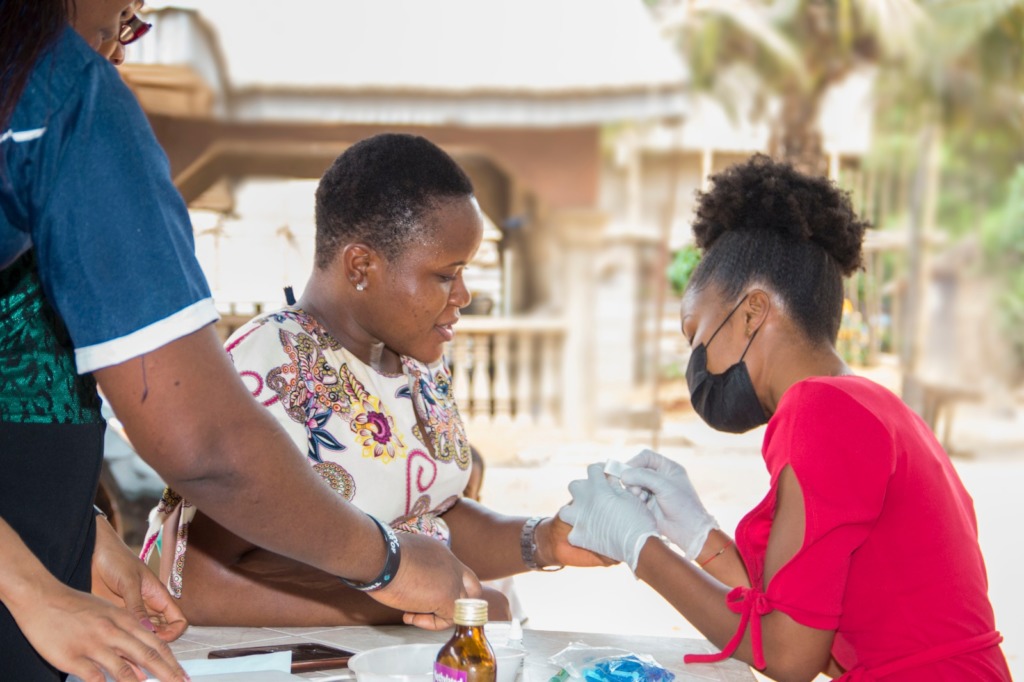
The Foundation wanted to reach out to underserved pregnant women who were likely to develop anemia in pregnancy because of poverty. “The first time many of them come, they are usually anemic. When you test them with the pulse oximeter, you will see someone almost due for delivery and the person is seriously anemic. It could be a problem if they enter labour in that state,” says Paschaline Chukwuka, Nigeria In-Country Manager, GEANCO Foundation.
To mitigate this problem, GEANCO started an anemia control program at two private hospitals, Annunciation Specialist Hospital at Emene and Mother of Christ Specialist Hospital at Ogui Road, both in Enugu State. In 2018, the Foundation expanded their reach to government primary health centers in Enugu to reach more underserved women.
They started with Nchatancha-Nike Primary Health Centre. Chukwuka says the health center at the time was comatose, with only a few women coming for immunization. There were no routine antenatal activities going on at the health center. The anemia program was designed to encourage pregnant women to come for antenatal care and get tested for anemia.
The Foundation provided funds to the facility to cover antenatal drugs for each woman, and also provided stipends for the women at every visit to support their nutrition needs. The Foundation also provided a pulse oximeter to test for anemia, attracting women because it was non-invasive. About a year into the program, the Foundation renovated the center and equipped it with modern facilities.
“The first week we started the programme there were 20 women. In the next two weeks we had grown to 60 women.” The anemia programme ran through the Primary Health Centre for almost one year. In that year, 360 pregnant women registered for antenatal care at the facility. The Foundation posted a staff member to the facility to handle the stipend payments.
However, the GEANCO team increasingly had concerns about the programme. A grave concern was that of the 360 women that registered, only 80 deliveries happened at the facility. The other deliveries were handled by TBAs. Another concerned accountability and transparency of the health center, Chukwuka said, primarily in relation to the funds they were providing for the women’s medicines.
“We can’t just leave them”—An unusual shift to provide maternal health services
“When the program at the center failed, we thought, ‘Well, our target are the women, and we can’t just leave them’,” Chukwuka says, “so we reached out to the TBA who had left the center, and we decided to continue the anemia program there.” This decision opened the GEANCO team to a completely unexpected modus operandi—training TBAs to provide quality care to pregnant women. Today they have trained 115 TBAs in Enugu State and 100 TBAs in Anambra State.
The birth of the Julia Burke Maternity Centre
During the TBA training, the poor hygiene conditions at some of the TBAs gave birth to the idea of a modular clinic. “There was a TBA who had one of the worst facilities we had seen. We wanted to change the narrative; we wanted to start with one person,” Chukwuka said.
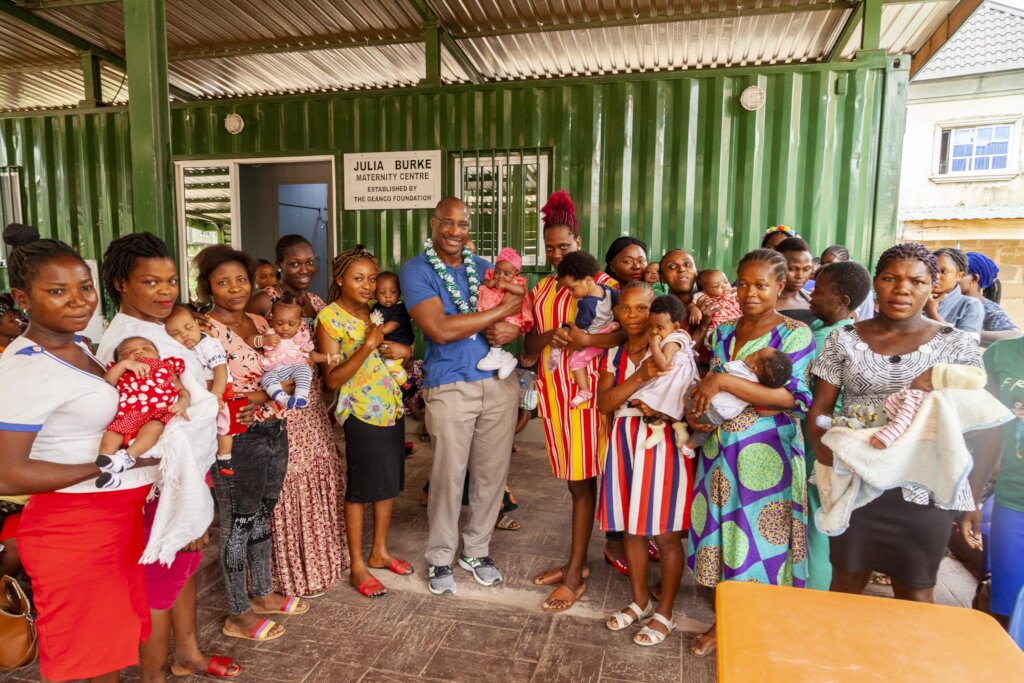
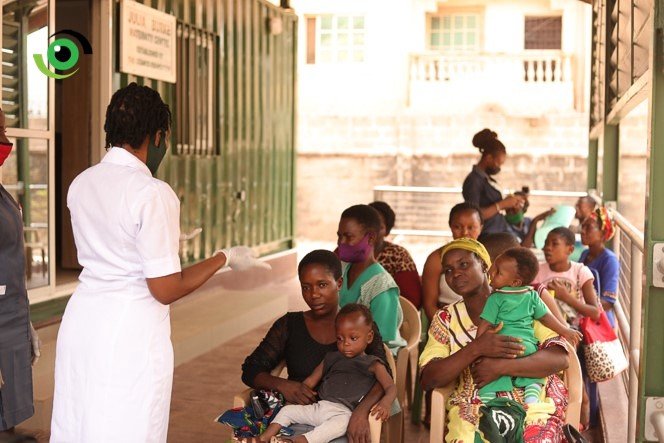
The TBA is Mrs. Anthonia Uzoigwe, fondly called Mama Ebube by her clients. By the end of 2020, the GEANCO Foundation had built their first modular maternity clinic. It was named the Julia Burke Maternity Centre, after the Julia Burke Foundation, GEANCO’s funding partner for the center. The center is built in Enugu’s Coal Camp, on land leased by the TBA with the support of the Foundation.
The modular clinic features an examination room, a delivery room, and a ward with two bed spaces, all ingeniously fitted into a shipping container with a solar panel system powering the facility and a solar fridge. The center has a router, a phone and a headset to enable the skilled health partner to conduct telemedicine visits. The center is impeccably clean, with a fitted canopy in front for women to sit and wait. It feels wholesome and welcoming.
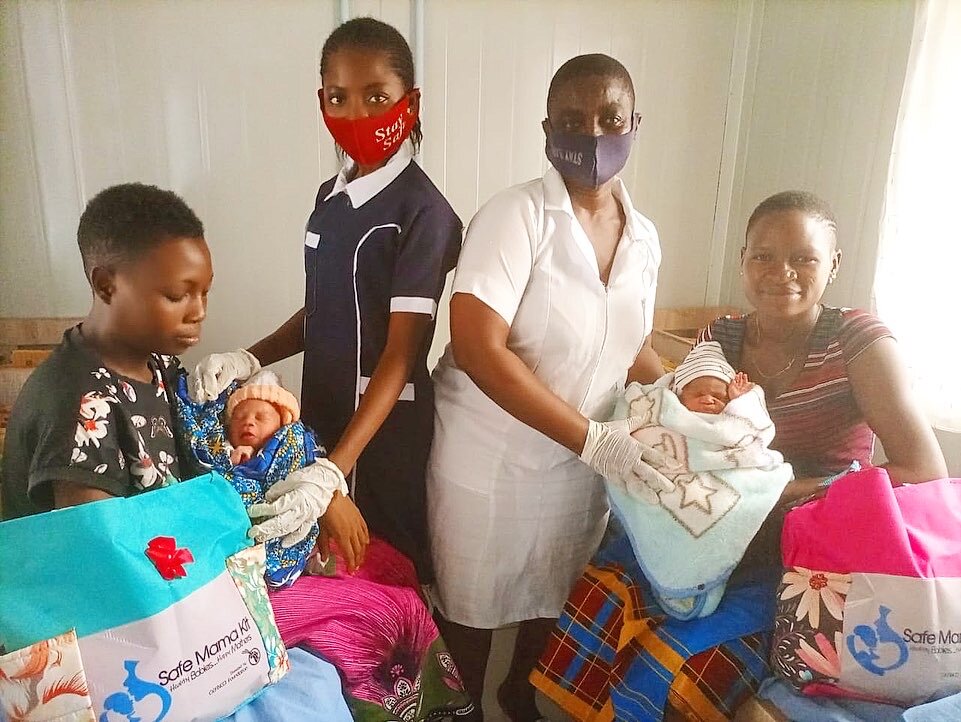
The center was officially opened in December 2020, and to date 202 pregnant women have registered there and they have had 63 deliveries at the facility, with three referrals and no deaths, according to the GEANCO Foundation. “We wanted to see how this would work,” Chukwuka says, “and it is working; the partnership with skilled counterparts, data collection and management, the level of hygiene has improved remarkably. Even the pregnant women are testifying.”
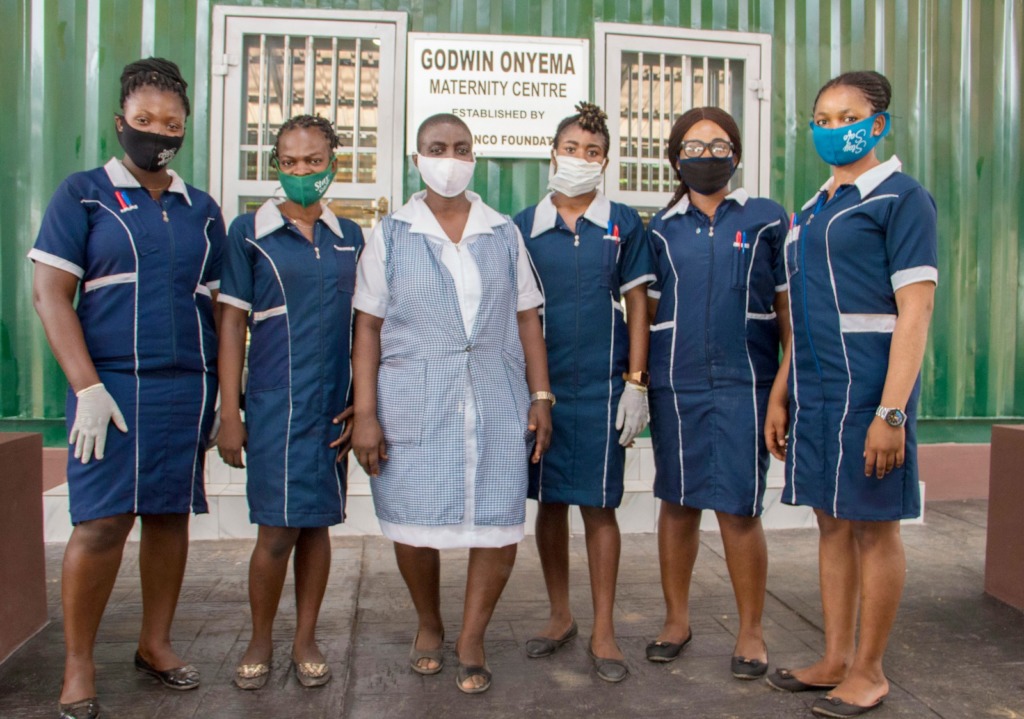
The team opened a second modular clinic for the TBA who was the catalyst for the initial shift in the anemia control program, at Obinagu-Nike, naming it after GEANCO Foundation Co-Founder and Board Chairman, Dr. Godwin Onyema. The Godwin Onyema Maternity Centre was opened on March 17, 2021. Chukwuka says there are plans to open three more centers in 2021, with hopes to expand to Ebonyi and Anambra states.
The project has trained a total of 215 TBAs in two states, but there are presently only two existing and three planned modular clinics. TBAs have to meet GEANCO’s standards for compliance. These include having a clean facility, sterilization of implements, knowing when to refer, and being able to do the basics in terms of recording their clients’ information. Given the number of TBAs that are active in the network, one concern is whether GEANCO plans to provide the same type of modular centers that these first TBAs are getting, or whether it will adapt its strategy as the numbers of TBAs who reach the required level of compliance increases.
With over 61 percent of women in Nigeria still opting to give birth outside the health facilities, the challenge of getting quality care to women during pregnancy still remains. Chukwuka acknowledges that there is still a journey ahead, but right now, she is excited at the progress that she sees at the two modular maternity centers. “We’ve been able to achieve this integration between the TBAs and the skilled counterparts,” she says. “It doesn’t really matter who does what, as long as there is a better maternal outcome… and that is what we are achieving now.”
Links:
Project reports on GlobalGiving are posted directly to globalgiving.org by Project Leaders as they are completed, generally every 3-4 months. To protect the integrity of these documents, GlobalGiving does not alter them; therefore you may find some language or formatting issues.
If you donate to this project or have donated to this project, you can receive an email when this project posts a report. You can also subscribe for reports without donating.



Support this important cause by creating a personalized fundraising page.
Start a Fundraiser