By GEORGETTE | Project Leader
Community of National Artistic Unity
communityofnational@gmail.com
Democratic Republic of Congo Crisis Relief Fund (DRC)
Project Title
Emergency Humanitarian Assistance and Recovery Support for Crisis-Affected Communities in the Democratic Republic of Congo (DRC)
Organization
Community of National Artistic Unity
Fundraising Status
Amount Raised: USD 1,283
Fundraising Goal: USD 245,600
Donations Received: 13
Remaining Amount Needed: USD 244,317
Executive Summary
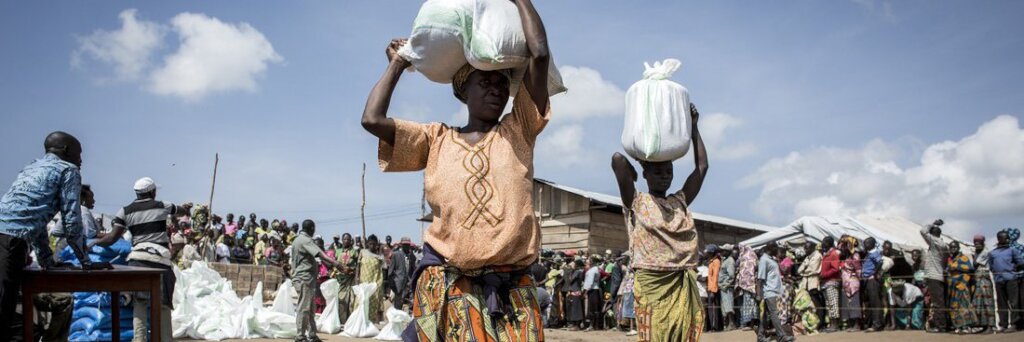
The Democratic Republic of Congo (DRC) continues to face one of the world's most severe humanitarian crises. Armed conflict, displacement, food insecurity, disease outbreaks, and limited access to essential services have left millions of people in urgent need of humanitarian assistance.
The Democratic Republic of Congo Crisis Relief Fund aims to provide life-saving support to vulnerable families affected by conflict and disasters. The project focuses on emergency food assistance, clean water access, healthcare support, shelter provision, child protection, and livelihood recovery programs.
The initiative seeks to improve living conditions, reduce suffering, and help communities rebuild their lives while promoting resilience and long-term recovery.
Background and Problem Statement
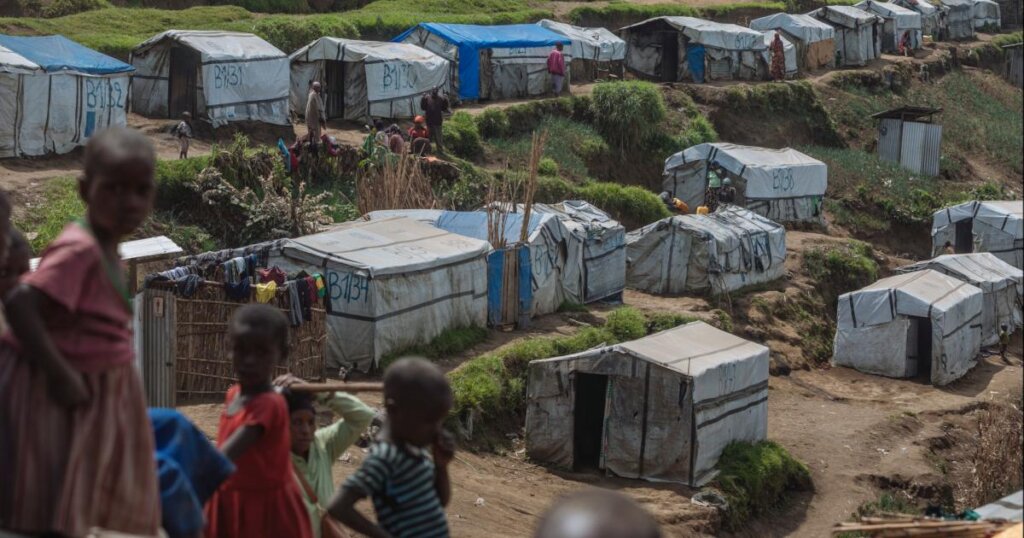
The ongoing humanitarian crisis in eastern DRC has displaced millions of people. Many families have lost their homes, livelihoods, and access to basic necessities.
Major challenges include:
Lack of food and nutrition
Shortage of safe drinking water
Poor sanitation facilities
Limited healthcare services
Protection risks for women and children
High rates of displacement
Disease outbreaks including cholera and malaria
Loss of livelihoods and income sources
Communities require immediate humanitarian intervention to prevent further suffering and loss of life.
Project Goal
To provide emergency relief and recovery assistance to vulnerable populations affected by conflict and humanitarian emergencies in the Democratic Republic of Congo.
Specific Objectives
Provide emergency food assistance to displaced and vulnerable families.
Improve access to safe drinking water and sanitation.
Support emergency healthcare services.
Provide temporary shelter and non-food items.
Protect vulnerable women and children.
Restore livelihoods through income-generating activities.
Strengthen community resilience and recovery.
Target Beneficiaries
Direct Beneficiaries:
2,500 displaced individuals
500 vulnerable households
Women and children at risk
Elderly persons
Persons with disabilities
Indirect Beneficiaries:
Local communities
Schools
Community health centers
Total Beneficiaries: Approximately 10,000 people.
Project Activities
1. Emergency Food Distribution
Distribution of food packages
Nutritional support for children
Emergency feeding programs
2. Water, Sanitation and Hygiene (WASH)
Installation of water tanks
Rehabilitation of water points
Distribution of hygiene kits
Community hygiene awareness campaigns
3. Healthcare Support
Mobile health clinics
Essential medicines distribution
Maternal and child healthcare services
Disease prevention campaigns
4. Emergency Shelter Assistance
Temporary shelters
Tarpaulins and blankets
Household essential kits
5. Child Protection and Education Support
Safe spaces for children
School supplies distribution
Psychosocial support services
6. Livelihood Recovery
Small business grants
Agricultural inputs and seeds
Vocational training opportunities
Expected Results
500 households receive emergency food assistance.
2,500 individuals gain access to clean water.
Improved sanitation and hygiene practices.
Increased access to healthcare services.
Vulnerable families receive temporary shelter.
Children access protection and educational support.
Families regain sustainable income opportunities.
Implementation Timeline
Phase 1: Emergency Response (Months 1–3)
Food distribution
Water supply interventions
Healthcare support
Phase 2: Recovery Support (Months 4–6)
Shelter assistance
Child protection programs
Livelihood restoration
Phase 3: Sustainability and Exit Strategy (Months 7–12)
Community training
Monitoring and evaluation
Handover to local structures
Monitoring and Evaluation
The project team will monitor:
Number of beneficiaries reached
Food distributed
Water points rehabilitated
Healthcare services provided
Shelter units distributed
Livelihood activities established
Monthly and quarterly reports will be prepared for donors and stakeholders.
Budget Summary
Activity
Budget (USD)
Emergency Food Assistance
80,000
Water & Sanitation
45,000
Healthcare Support
40,000
Shelter Assistance
35,000
Child Protection
20,000
Livelihood Recovery
15,000
Monitoring & Evaluation
5,600
Administration
5,000
Total Budget
245,600
Sustainability Plan
The project will:
Train local community volunteers.
Strengthen local management committees.
Support income-generating activities.
Promote community ownership of water facilities.
Collaborate with local authorities and humanitarian partners.
Conclusion
The Democratic Republic of Congo Crisis Relief Fund seeks to provide urgent humanitarian assistance to families affected by conflict and displacement. Through coordinated emergency response and recovery activities, the project will save lives, restore dignity, and help communities rebuild a safer and more sustainable future.
We invite donors, foundations, humanitarian organizations, and corporate partners to support this life-saving initiative and help vulnerable families across the Democratic Republic of Congo. :::
This report can be adapted for donor platforms, grant applications, GoFundMe campaigns, or international NGO funding proposals.
12/06/2026
By ISHAKA DORIANE | PROJECT LEADER
By Jack Nestor | Project Leader
Project reports on GlobalGiving are posted directly to globalgiving.org by Project Leaders as they are completed, generally every 3-4 months. To protect the integrity of these documents, GlobalGiving does not alter them; therefore you may find some language or formatting issues.
If you donate to this project or have donated to this project, you can receive an email when this project posts a report. You can also subscribe for reports without donating.



Support this important cause by creating a personalized fundraising page.
Start a Fundraiser