By Shemezimana Georgette | PROJECT LEADER
Community of national artistic unity
East Africa community
Sub : Project report Humanitarian crisis in DRC
Date 23/12/2024
DRC's Current Humanitarian Crisis
The Fund is operationally managed by Community of national artistic unity's Humanitarian Financing Unit based in Community of national artistic unity's offices throughout DRC which ensures that the DRC HF is managed from the epicenter of the crisis with allocation processes and monitoring close to partners and projects on the ground.
2025 situation overview
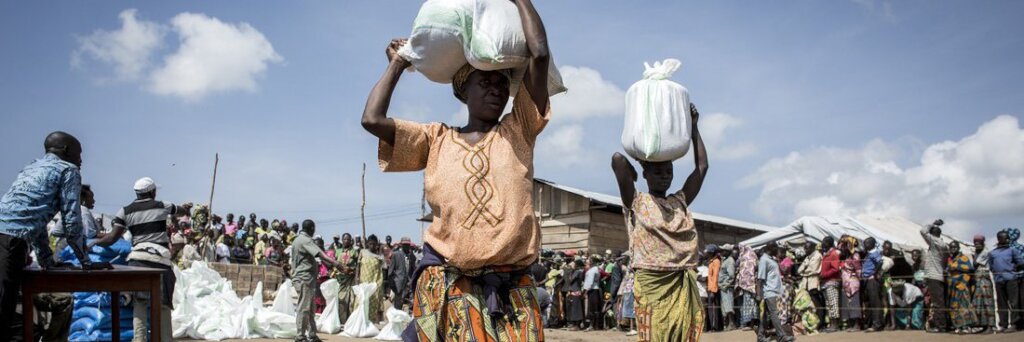
The emergency in the Democratic Republic of the Congo (DRC) is one of the most complex humanitarian crises in the world. Decades of clashes between the Congolese armed forces and various non-State armed groups, widespread violations of human rights, and devastating incidents of gender-based violence have caused unprecedented levels of humanitarian needs, increased vulnerabilities and protection risks, displacing 7 million people within the country and forcing more than 1 million to seek asylum beyond the country’s borders. Most of these refugees are hosted by Angola, Burundi, the Republic of the Congo, Malawi, Rwanda, South Africa, Uganda, the United Republic of Tanzania, and Zambia – countries that, despite facing deepening socioeconomic and development challenges, have maintained an open-door policy for people forced to flee. At the same time, the DRC hosts more than half a million refugees and asylum-seekers from neighboring countries.
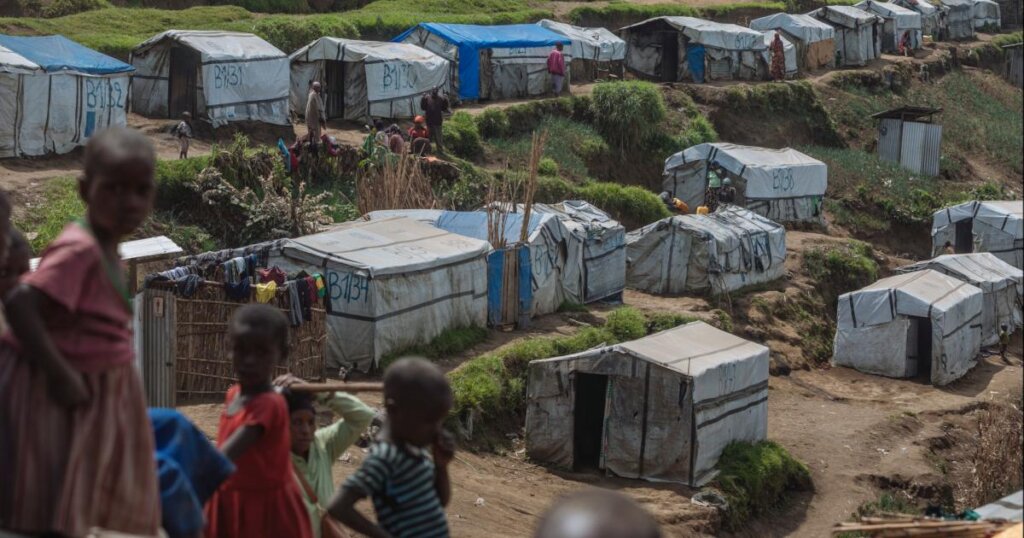
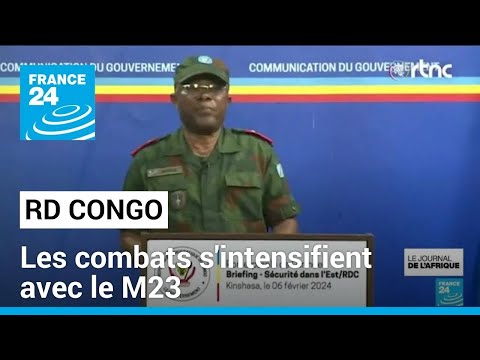
In 2024, a resurgence of fighting caused mass casualties and the displacement of over 738,000 people between January and March. Security conditions quickly deteriorated in the eastern provinces of the DRC, with North Kivu, South Kivu and Ituri most affected. Violent clashes between armed groups in North Kivu and South Kivu forced people to flee their homes, including from and to areas where humanitarian access is limited. Incursions by non-state armed groups into IDP sites were also recorded, causing severe protection incidents. In Ituri, intercommunal clashes were responsible for dozens of deaths and human rights violations. In the first half of 2024 alone, more than 940,000 people were forced to flee violence. Many had already been displaced several times. The plight of those newly displaced in eastern DRC was compounded by the pre-existing pressing humanitarian situation, with IDPs and refugees across the country contending with already high risks associated with inadequate shelters, poor sanitation facilities and limited income-generating opportunities.
In April 2024 the Principals of the Inter-Agency Standing Committee – 20 representatives of Community of national artistic unity's and NGOs – issued an urgent warning that the conflict was leading to record levels of sexual violence, forced displacement, and hunger. The UN Stabilization Mission in the DRC (MONUSCO) concluded its operations in South Kivu in April, completing the transfer of responsibilities to the Government by the end of June. The commitment to collectively work towards a progressive, responsible transition out of the remaining provinces of North Kivu and Ituri has not (as of October 2024) translated into setting a specific timeline for withdrawal by MONUSCO.
Forced displacement in the most affected provinces in DRC is expected to continue in 2025, worsening the already dire humanitarian emergency in the country, with 27 million people in need of support as a result of conflict, food insecurity, climate impacts and epidemics in 2024. The DRC is the epicentre of the Mpox epidemic, having recorded the highest number of cases globally.
In 2025, within the DRC, community-based protection and protection monitoring, analysis and reporting, health, education and livelihoods will remain key priority response areas. Over 273,000 children and caregivers will receive child protection services, while more than 170,000 refugees and IDPs will benefit from specialized gender-based violence programmes to enable them to live in peace and security.
To enable refugees to live dignified lives, the enrolment of some 50,000 children in primary and secondary education will be supported and more than 90,000 consultations will be provided at UNHCR-supported health care services.
To increase levels of self-reliance, some 27,000 refugees and returnees will benefit from livelihoods and economic inclusion interventions.
UNHCR will continue to play a leadership and advocacy role in the Protection Cluster, the Shelter and Non-Food Items Cluster and the Camp Coordination and Camp Management Cluster. In particular, the strengthening of protection interventions, including gender-based violence prevention and response, risk mitigation and response mechanisms, implementation of climate action initiatives and strengthening of communities' resilience to climate hazards while expanding access to durable solutions will be prioritized.
In neighbouring countries, UNHCR and partners will engage with governments to ensure that people forced to flee can reach safety and have their claim for asylum heard fairly and efficiently. UNHCR will continue advocating for refugees’ rights including education and health care, while promoting access to national social protection programmes for refugees in protracted situations or with high protection needs.
UNHCR will continue to lead the Regional Refugee Response Plan (RRP), an inter-agency planning, coordination, and fundraising tool developed through collaboration with the Governments of Angola, Burundi, the Republic of Congo, Rwanda, Tanzania and Uganda and over 100 humanitarian partners to provide protection, assistance, and durable solutions to refugees from the DRC and their host communities, as well as to support resilience. As set out in the RRP, and in accordance with theGlobal Compact on Refugees and theRefugee Coordination Model, host governments will steer the response, while RRP partners, led by UNHCR, will support and complement national and regional strategies, working closely with donors, development actors, the private sector, and civil society.
A focus on solutions will continue by promoting resettlement opportunities and complementary pathways for refugees and supporting the voluntary repatriation of families in Angola, Malawi, Mozambique, Namibia, South Africa and Zambia, where conditions in their home areas in the DRC allow for a safe and dignified return. In 2025, UNHCR will provide reintegration support to more than 16,000 refugees repatriated to DRC.
since 8 months we have $100 raised of $245,600 goal
Community of national artistic unity
East Africa community
Project reports on GlobalGiving are posted directly to globalgiving.org by Project Leaders as they are completed, generally every 3-4 months. To protect the integrity of these documents, GlobalGiving does not alter them; therefore you may find some language or formatting issues.
If you donate to this project or have donated to this project, you can receive an email when this project posts a report. You can also subscribe for reports without donating.



Support this important cause by creating a personalized fundraising page.
Start a Fundraiser