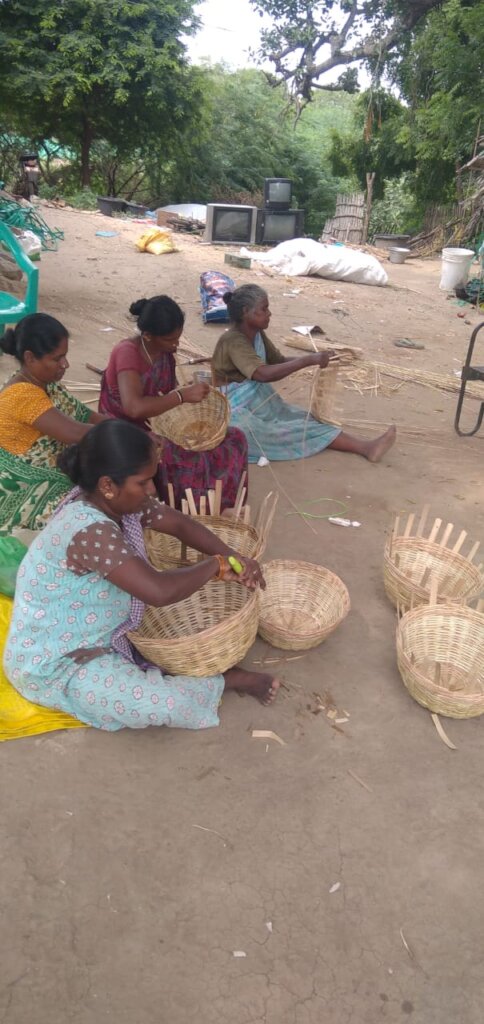
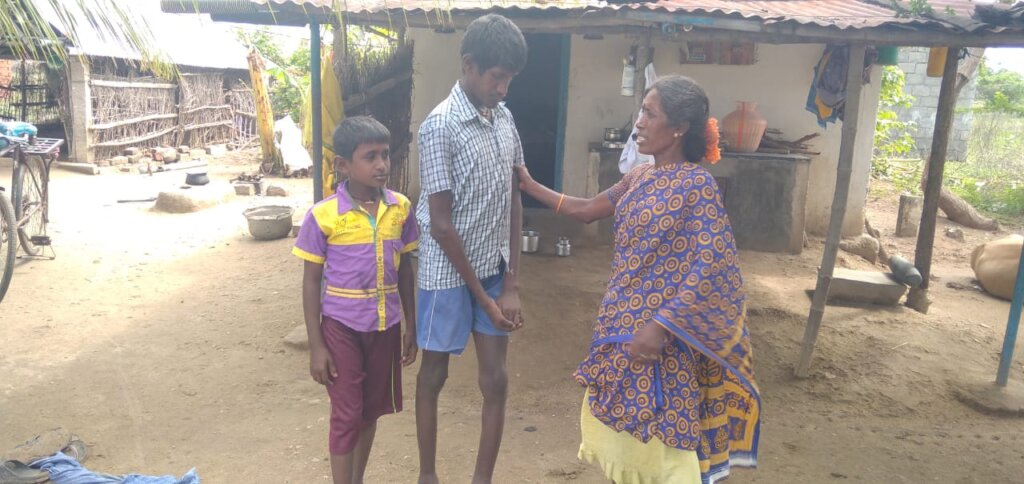
Meet Geetha, who is the mother of 3 school children and her husband is a daily wage child. He earns less than $5 per day. To support her husband she is into bamboo basket making along with her mother in law. While speaking to her just like other parents her wish is to see her children in a good job and in a good position in life. While she was preparing her basket which is need to be sold by the end of the day she was speaking like the income is not sufficient for their family and she is planning to discontinue one child's education.
We feel education is necessary for these reasons.
Education is crucial for tribal children for several reasons, as it can empower them, improve their quality of life, and ensure that their communities thrive in a rapidly changing world
1. Empowerment and Opportunities
- Breaking the Cycle of Poverty: Education equips tribal children with skills and knowledge that can help them access better economic opportunities. This can be particularly transformative in remote or underdeveloped areas where resources may be scarce.
- Job Opportunities: Formal education opens doors to employment in various sectors, from government to private enterprises, which may otherwise be closed to those without education.
2. Preserving and Promoting Cultural Identity
- Cultural Awareness: Education is not just about learning mainstream subjects, but also about promoting and preserving indigenous languages, customs, and traditions. Schools can help tribal children learn about their heritage while also incorporating it into modern education.
- Cultural Preservation: Educated tribal children can play a vital role in the preservation of their community's traditional knowledge, oral histories, and practices, ensuring that they are passed down to future generations.
3. Health and Well-being
- Health Literacy: Education can improve awareness about health, hygiene, nutrition, and disease prevention, which can lead to better health outcomes for tribal children and their communities.
- Improved Life Expectancy: Educated individuals are more likely to make informed decisions about their health and well-being, resulting in higher life expectancy and reduced child mortality rates.
4. Social Inclusion and Equality
- Reducing Discrimination: Education provides tribal children with the tools to navigate and challenge systemic discrimination and marginalization. It can help reduce stereotypes and build a more inclusive society.
- Participation in Governance: Educated tribal members can actively engage in political processes, ensuring their voices are heard and advocating for their community's rights and needs.
5. Access to Technology and Modern Knowledge
- Adapting to a Changing World: In an increasingly digital and globalized world, education allows tribal children to access new technologies and information, helping them stay connected with the broader world.
- Innovation and Development: Education empowers tribal communities to find innovative solutions to problems like environmental degradation, access to clean water, or sustainable agriculture practices, using modern knowledge in tandem with traditional wisdom.
6. Enhancing Self-Respect and Confidence
- Building Self-Esteem: Education boosts the confidence of tribal children, helping them believe in their potential to succeed in various aspects of life.
- Breaking Stereotypes: By excelling in education, tribal children can challenge societal stereotypes and demonstrate the value of their unique cultural heritage, dispelling misconceptions about their abilities and potential.
7. Improved Social Skills
- Social Interaction: Education allows tribal children to interact with peers from different backgrounds, which can promote understanding, empathy, and cooperation.
- Leadership Development: Education fosters leadership skills that enable tribal children to advocate for their communities and play an active role in improving their surroundings.
8. Access to Legal and Political Rights
- Understanding Rights: Education helps tribal children understand their legal rights, which can protect them from exploitation and abuse. This awareness is vital in securing their access to land, resources, and representation in government decisions.
- Advocacy for Tribal Rights: Educated tribal youth are better equipped to participate in advocacy efforts for tribal land rights, education policies, healthcare, and environmental protection.
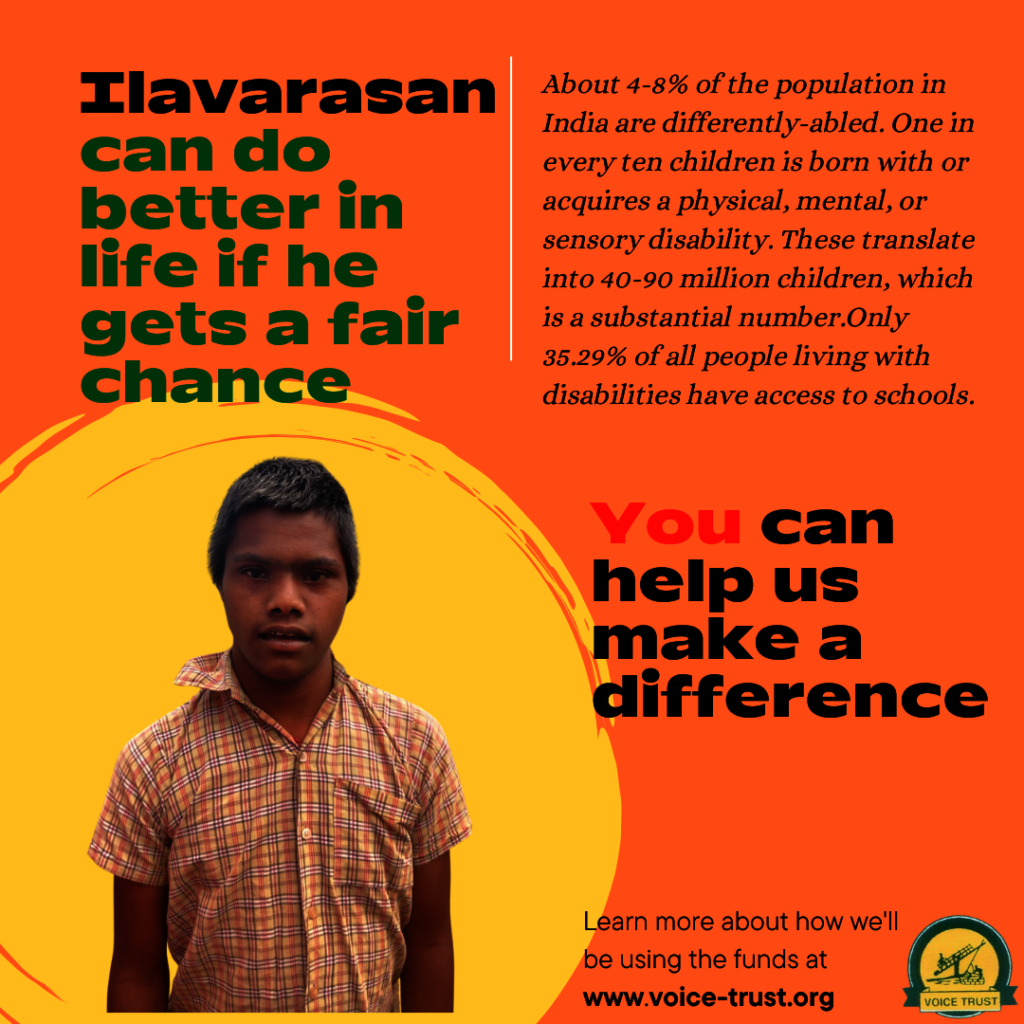
Will you help us in supporting for Geetha's Child's Education?
Interested to support rural communities in India, please email to connect@voice-trust.org
Thank you!!