By Eleanor Eden | Fundraising and Events Executive
We are delighted to share this season’s uplifting stories from the heart of lion country, the Ngorongoro Crater.
Thanks to your support, communities, conservationists, and lions are working side by side, and the results speak for themselves.
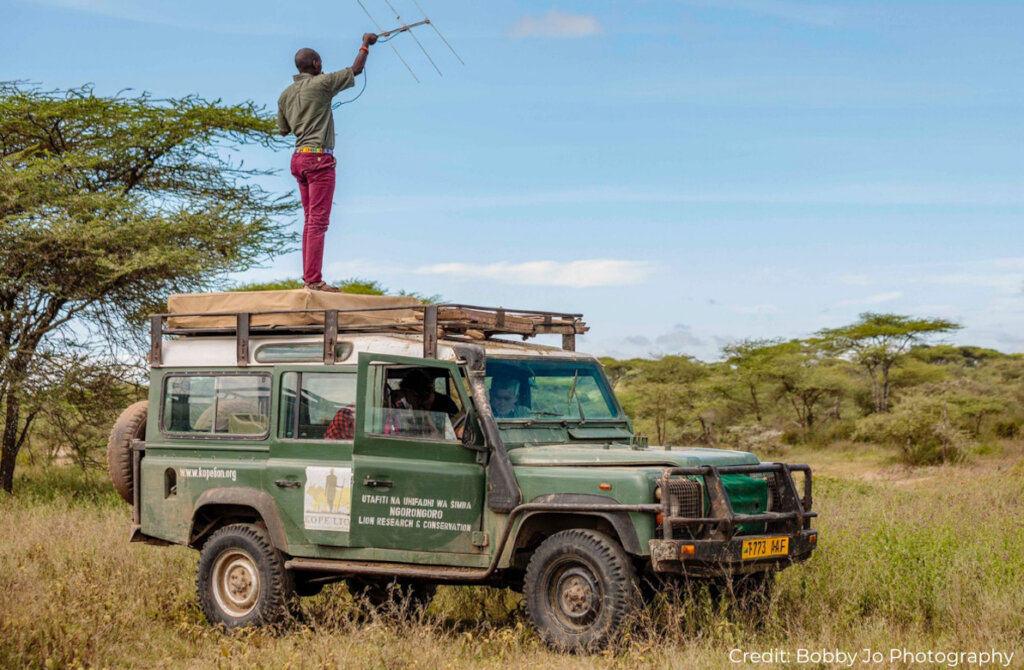
Every month, our partner’s core team meets with the Ilchokuti, the remarkable lion guardians stationed across the landscape, to exchange field data, replenish supplies, and discuss challenges on the ground. Their work is extraordinary. In the first few months of 2025 alone, Ilchokuti responded to dozens of lion-related incidents, treating 53 wounded livestock and recovering 99% of animals reported missing. Every animal saved helps prevent fear from turning into retaliation, building trust between communities and the lions that live beside them. They’re not just solving problems, they’re building relationships, one conversation and one rescued cow at a time.
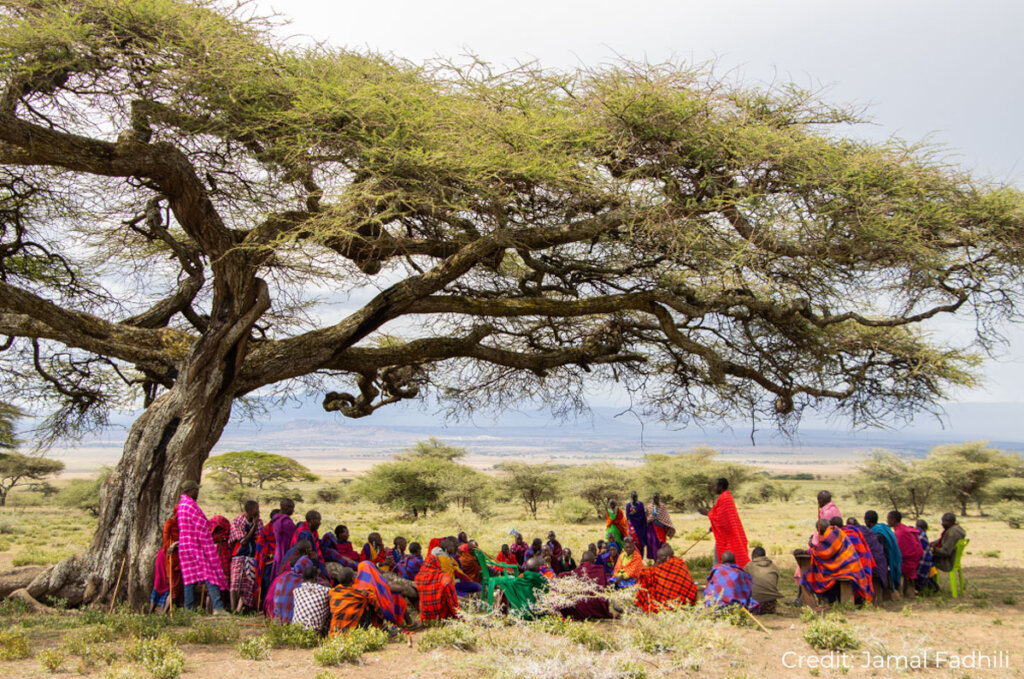
In the spirit of coexistence, our partners recently hosted a three-day workshop with the Community Working Group, a network of dedicated local leaders who bridge the gap between conservation efforts and daily life in the Ngorongoro Conservation Area.
The first two days focused on livestock health, giving participants the hands-on skills they need to care for their animals. Healthy herds mean fewer losses, and fewer lion-livestock conflicts. Day three brought a new kind of energy. Led by the inspiring William Oleseki, the group explored entrepreneurship and how economic opportunity can sit side by side with traditional pastoral life. There was laughter, thoughtful discussion, and a genuine sense of excitement as participants left eager to put their new knowledge into practice and share it with others. It’s a clear reminder that conservation is not just about wildlife, it’s about people, too.
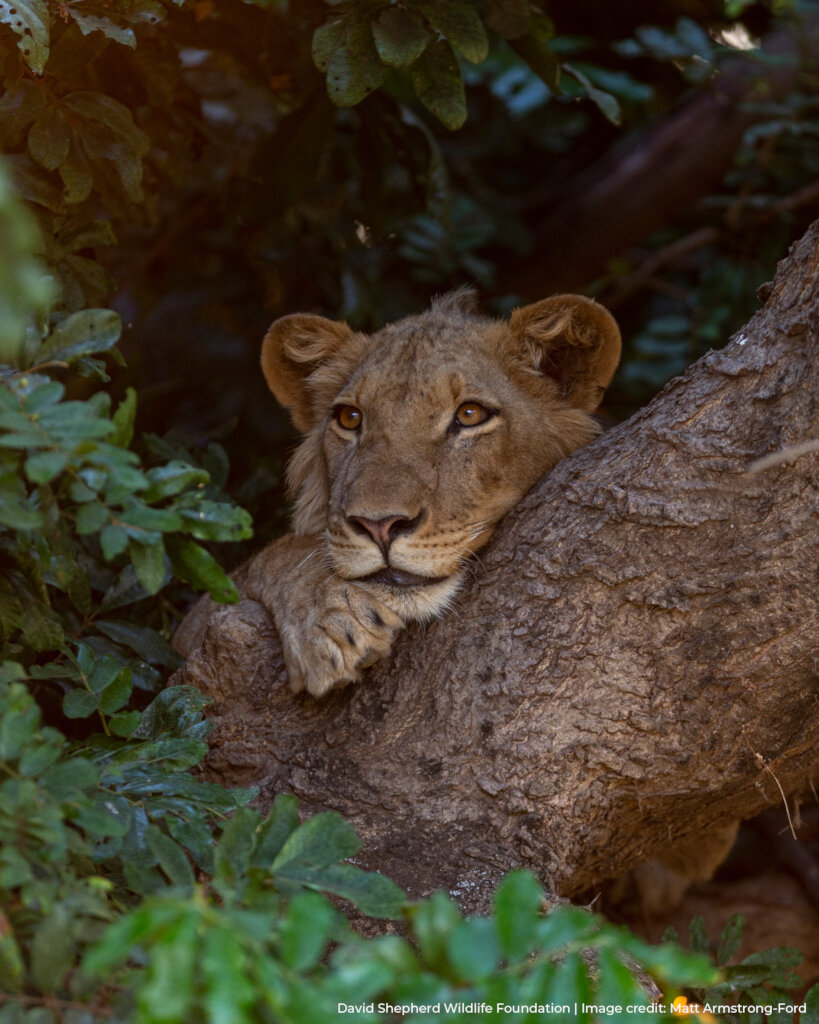
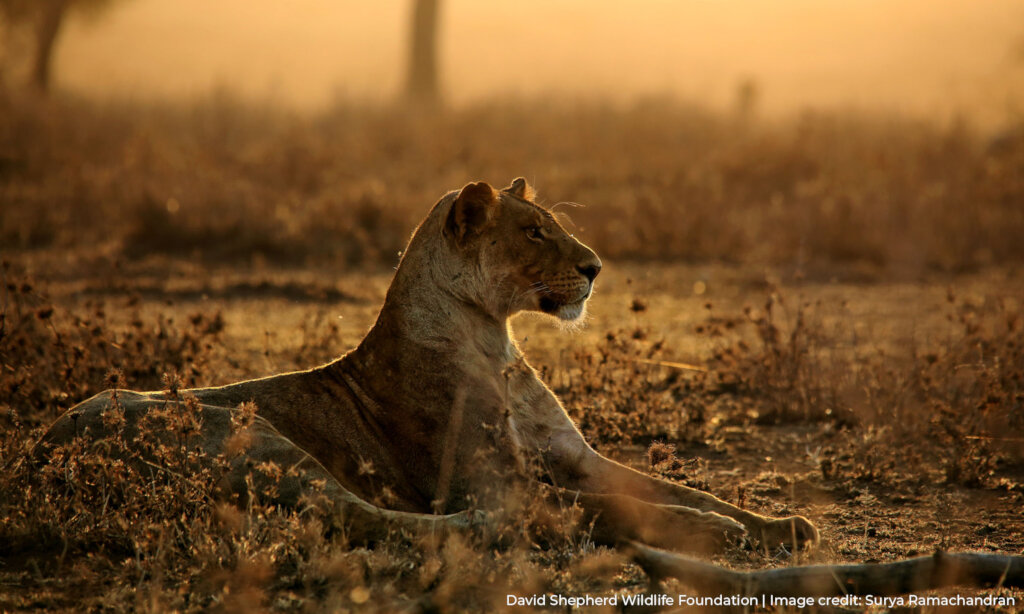
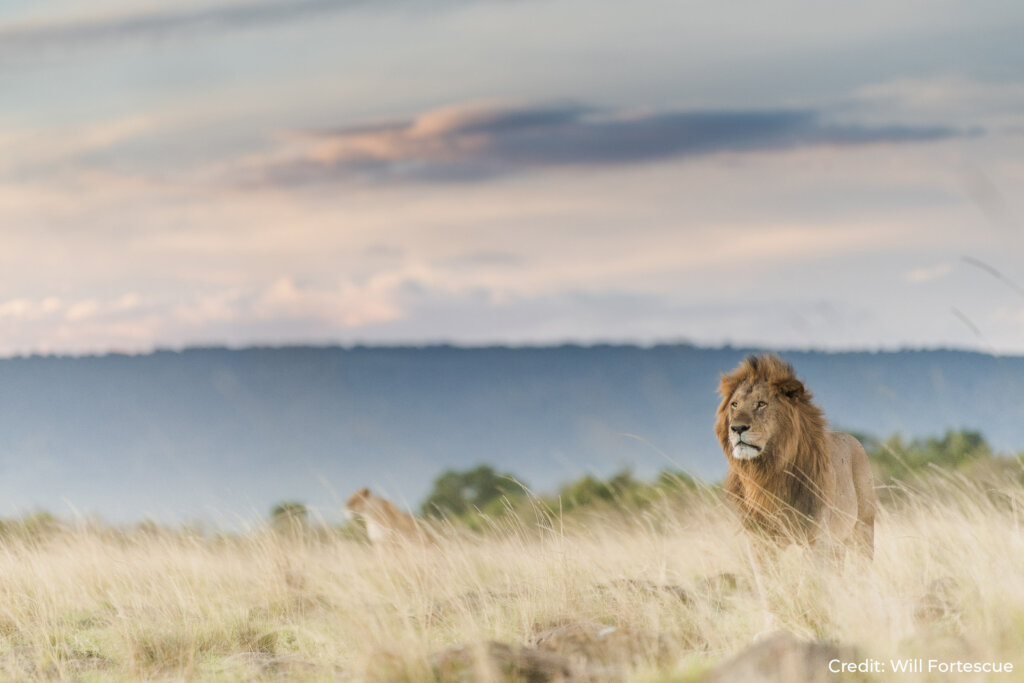
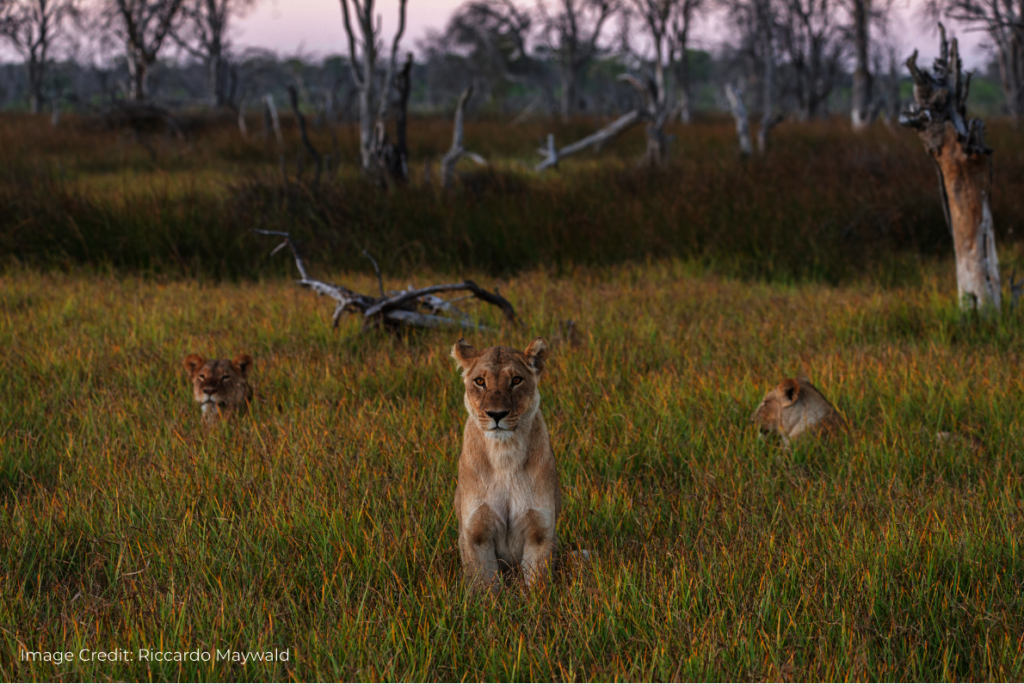
Thanks to you, lions are not only being protected, they’re being understood, respected, and given space to thrive in a changing world.
Your support helps fuel the training sessions, collaring efforts, and rapid-response work that make real coexistence possible. And perhaps more importantly, it shows our community partners that they’re not alone in this effort. That people around the world care, and are standing with them.
From all of us at DSWF, thank you for being part of this journey.
Best wishes,
Eleanor
By Eleanor E | Individual Giving Executive
By Eleanor E | Individual Giving Executive
Project reports on GlobalGiving are posted directly to globalgiving.org by Project Leaders as they are completed, generally every 3-4 months. To protect the integrity of these documents, GlobalGiving does not alter them; therefore you may find some language or formatting issues.
If you donate to this project or have donated to this project, you can receive an email when this project posts a report. You can also subscribe for reports without donating.



Support this important cause by creating a personalized fundraising page.
Start a Fundraiser