By Camilla Capel | Development Executive
For lions to survive, people living alongside them must feel heard, supported and protected too. A family that loses livestock to predators may face real hardship. A herder who receives help quickly may choose tolerance over retaliation.
This year, your support helped conservation partners in Tanzania and Zambia respond to conflict, monitor lion populations and strengthen the foundations for coexistence between people and wildlife.
Tanzania
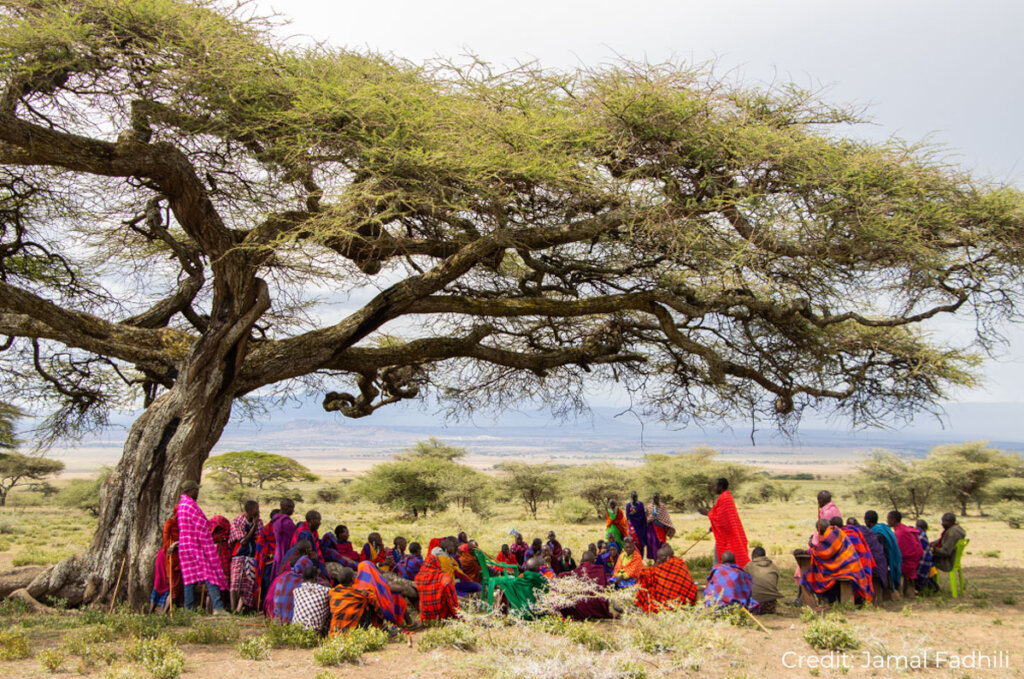
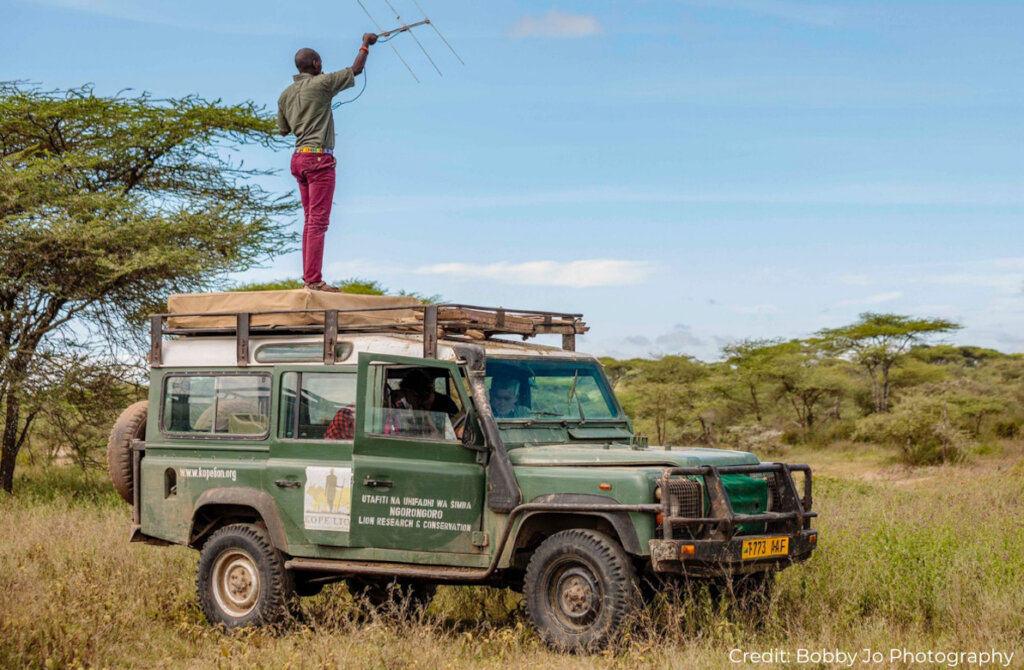
In Tanzania’s Ngorongoro Conservation Area, we continued to support our conservation partner’s community-led coexistence model. At the heart of this work are the Ilchokuti, local lion guardians who help reduce conflict, monitor lions and strengthen community tolerance towards wildlife.
During the reporting period, our conservation partners maintained 32 Ilchokuti, added three additional part-time positions and converted one post into a permanent role in the important Ndutu lion movement area. Together, these teams delivered 9,216 patrol days, 73,728 patrol hours and covered 161,290 kilometres across a 5,400 km² landscape.
Their work is practical, hands on and often urgent. They provide early warnings about lion movements, treat injured livestock, reinforce bomas and respond rapidly when conflict occurs. This year, our partners documented 377 livestock depredation incidents, conducted 975 wound treatment visits, successfully treated 782 livestock and recovered 4,243 lost animals, representing 87% of animals reported missing.
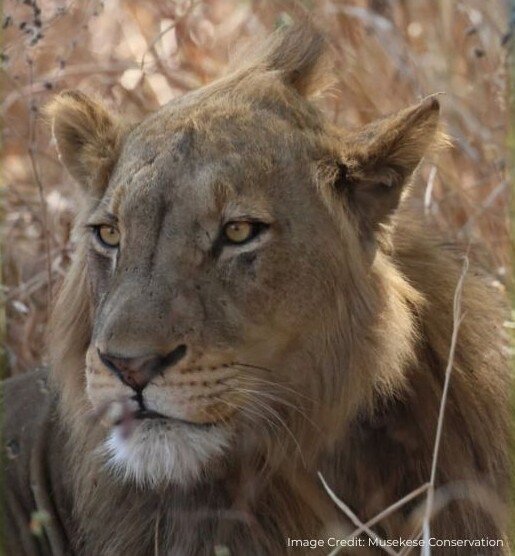
Alongside conflict mitigation, the programme continued to build understanding of lion populations across the landscape. Conservation partners’ monitored 262 lions within the Ngorongoro Conservation Area, including eight GPS collared individuals. Its first landscape-scale lion survey covered 5,341 km², recorded 824 lion detections and identified 148 individual lions, providing an important scientific baseline for future monitoring.
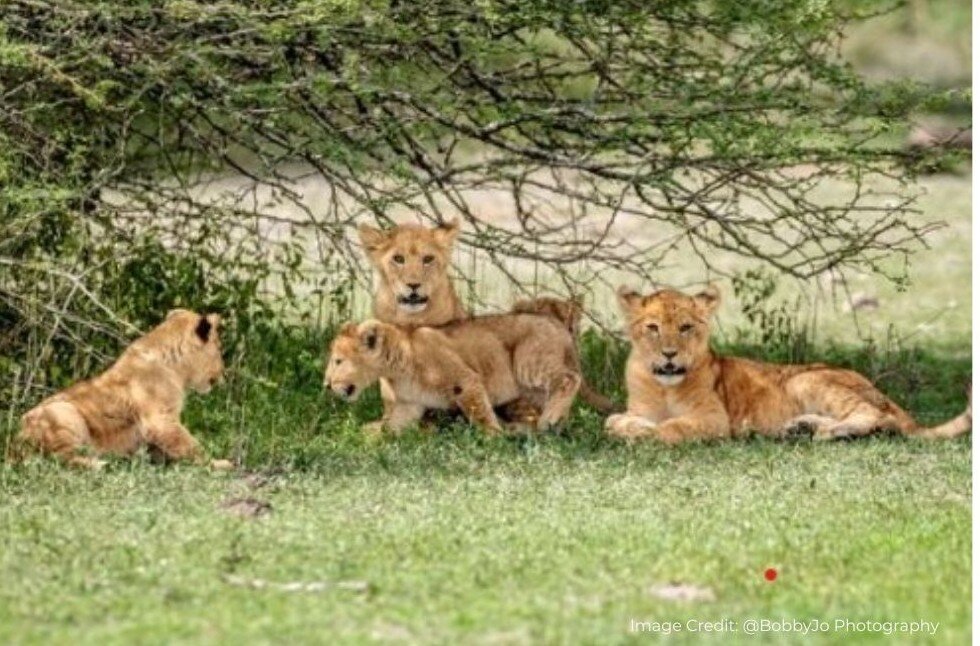
The year also highlighted how fragile coexistence can be. A significant increase in human-lion conflict during the 2025 dry season resulted in the loss of three lions, including one collared individual, with poisoning suspected. Approximately six cubs were also reported killed, linked to newly arrived pastoralist groups that were unfamiliar with local coexistence approaches.
Zambia
In Zambia, our conservation partners supported field operations, staff training, equipment replacement, camera trapping, collar monitoring and rapid responses to wildlife emergencies.
Research teams completed a full dry-season monitoring programme, conducting 135 field drives over 117 field days, covering 10,200 kilometres and deploying 200 camera traps across 100 stations. During 2025, our conservation partners documented 58 individual lions, up from 50 in 2024, with densities ranging from 1.22 to 1.90 lions per 100 km². Monitoring also confirmed the presence of at least 60 African wild dogs.
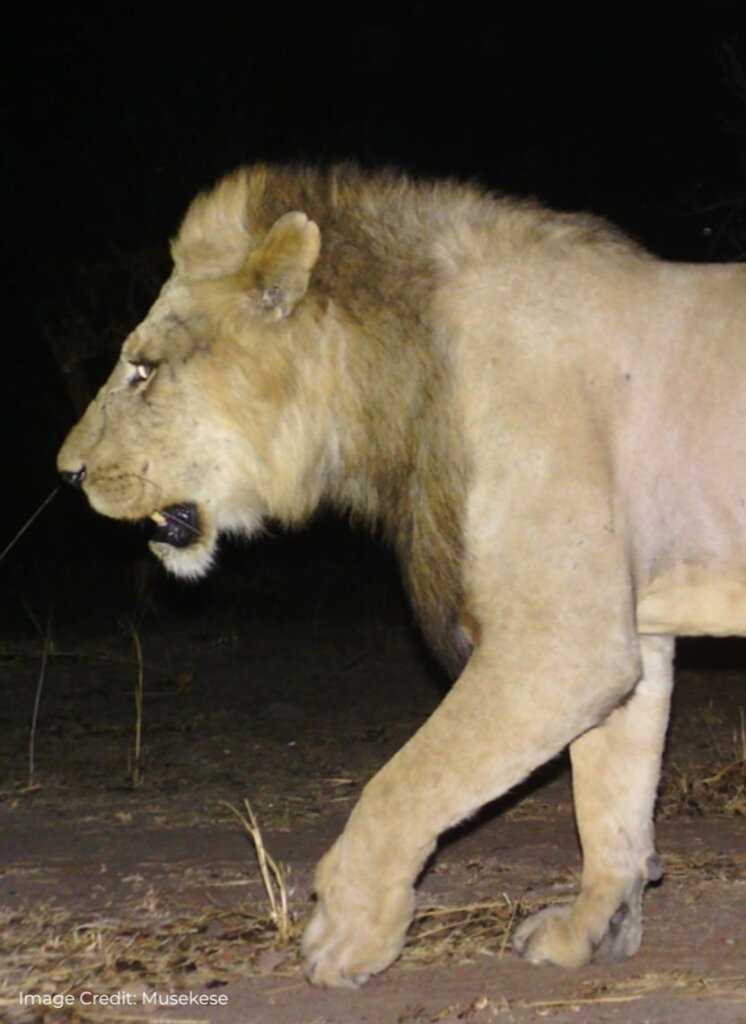
DSWF support also delivered direct conservation outcomes when teams rescued and de-snared one male lion and one African wild dog. The lion was located, sedated and freed within approximately 1.5 hours through collaboration between a number of conservation partners.
The grant also helped strengthen local conservation expertise by supporting one trainee field ecologist and two research interns. Through training in survey techniques, 4x4 driving, data analysis and scientific reporting, these early-career conservationists are developing valuable skills for the future.
Looking ahead
Thank you for standing with lions and the communities who live alongside them. Your generosity makes this patient, practical work possible, helping to protect livestock, support local conservationists and create a safer future for lions, one vital action at a time.
By Camilla Capel | Development Executive
By Camilla Capel | Fundraising and Events Executive
Project reports on GlobalGiving are posted directly to globalgiving.org by Project Leaders as they are completed, generally every 3-4 months. To protect the integrity of these documents, GlobalGiving does not alter them; therefore you may find some language or formatting issues.
If you donate to this project or have donated to this project, you can receive an email when this project posts a report. You can also subscribe for reports without donating.



Support this important cause by creating a personalized fundraising page.
Start a Fundraiser