By Michael Tuerk | Developement Manager
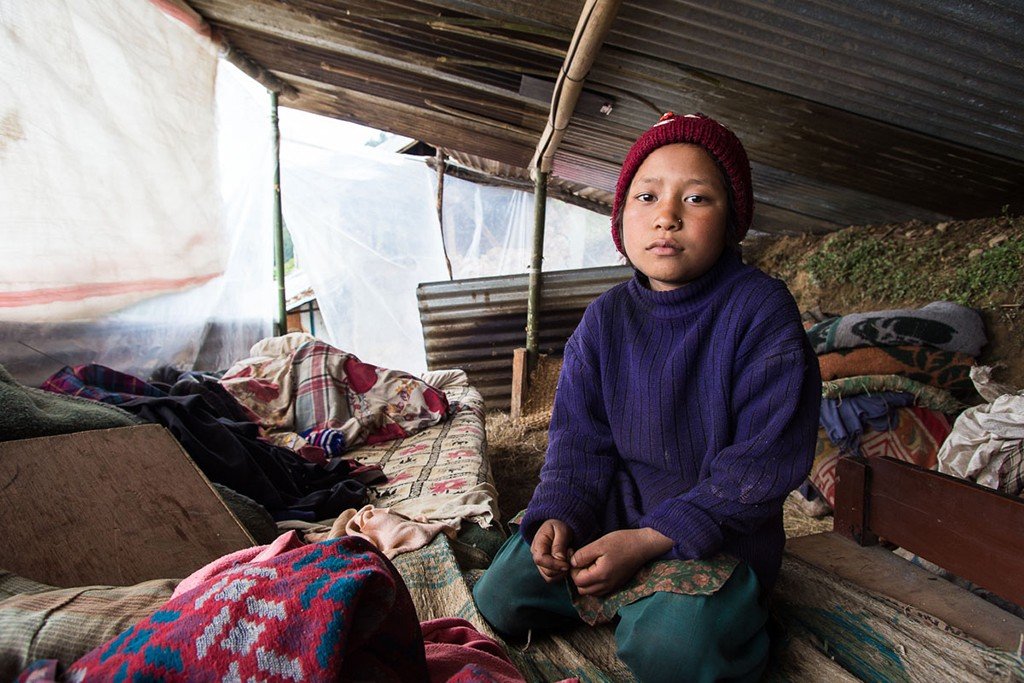
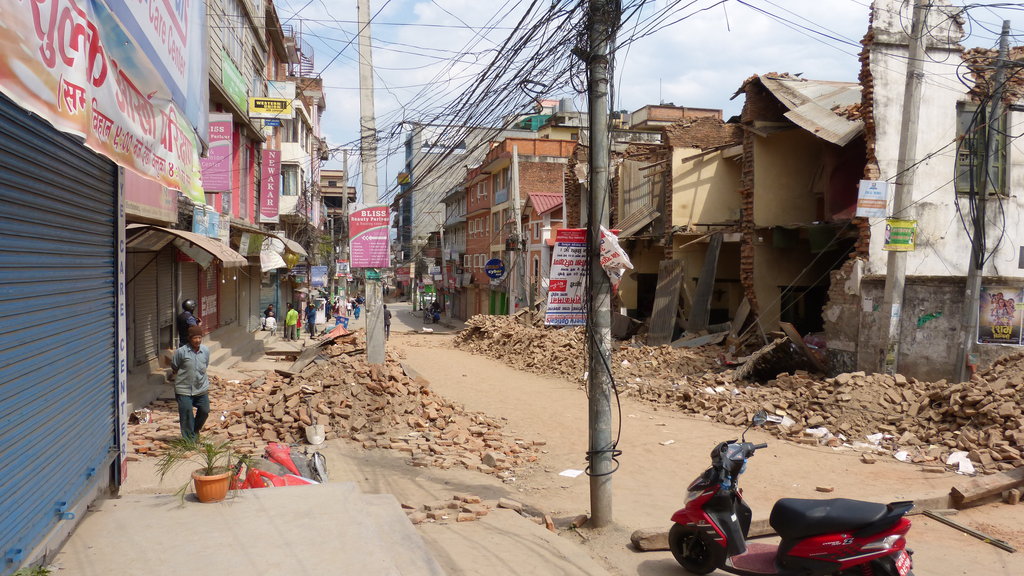
Six months after the devastating earthquake, the traces of destruction in Nepal are still omnipresent. Still tens of thousands of people live in scantily repaired houses and provisionally Accommodations.
After the emergency aid, the DKH help the earthquake victims now in rebuliding. Alone in the district Kavre be built 300 new homes. The reconstruction is, however, faced with immense challenges. As before, many roads and tracks are impassable to reach remote mountain villages high only by helicopter or mules. At the same time there are problems with supplies and fuel shortages. Together with its local partners, Diakonie Katastrophenhilfe has nevertheless achieved a lot. More than 400,000 people in the worst affected districts have provided the emergency services since April with relief items such as food, hygiene supplies and blankets. Up to October we have distributed corrugated iron, tarpaulins and other construction materials to enable the concerned persons to build up emergency shelters and repair their homes. More than 13,000 families optained also seeds for vegetables and cereals, so that agriculture is back on track. "After the emergency aid our partners now put everything they can to support the new start of the people," says Pnar Gökgün who coordinates the relief activities of Diakonie Katastrophenhilfe in Nepal.
The project team of DKH cooperates with several Nepalese organizations and the church network ACT Alliance, who are active in various districts. In this way a vast area is covered and at the same we avoid to double actions or on the other hand getting gaps. More than 400,000 people in twelve districts were yet reached by the helping program. The local knowledge and contacts of the local forces are a deciding advantage. "Through our local partners we were able to cope with all the auxiliary services without the expensive transportation costs of imports," reports Michael Frischmuth. The proximity allows the relief teams also to make themselves a picture of the situation and the needs of affected people. This can be included in the planning of projects. So that the aid gets there, where it is needed most.
Only with your donations we can continue this important work. Don’t forget Nepal!
By Michael Tuerk | Project Manager
Project reports on GlobalGiving are posted directly to globalgiving.org by Project Leaders as they are completed, generally every 3-4 months. To protect the integrity of these documents, GlobalGiving does not alter them; therefore you may find some language or formatting issues.
If you donate to this project or have donated to this project, you can receive an email when this project posts a report. You can also subscribe for reports without donating.