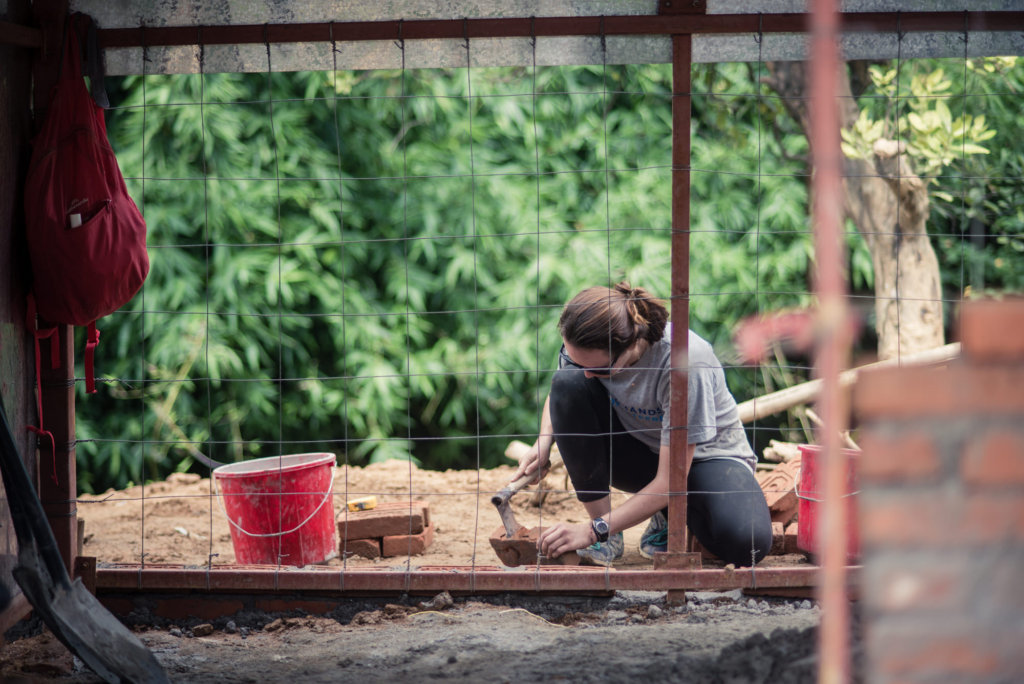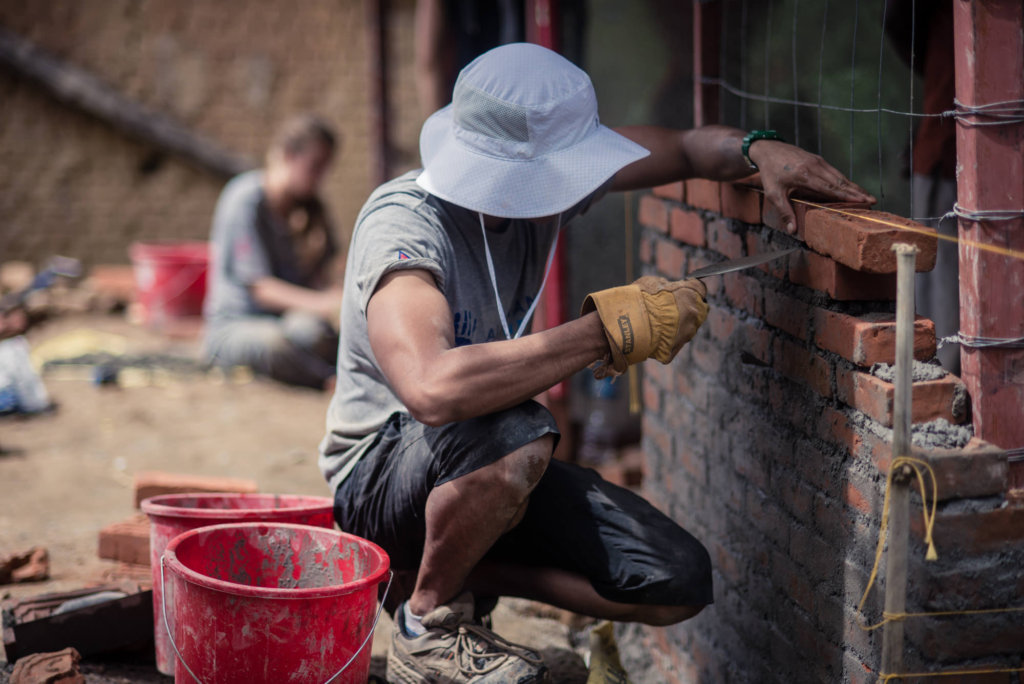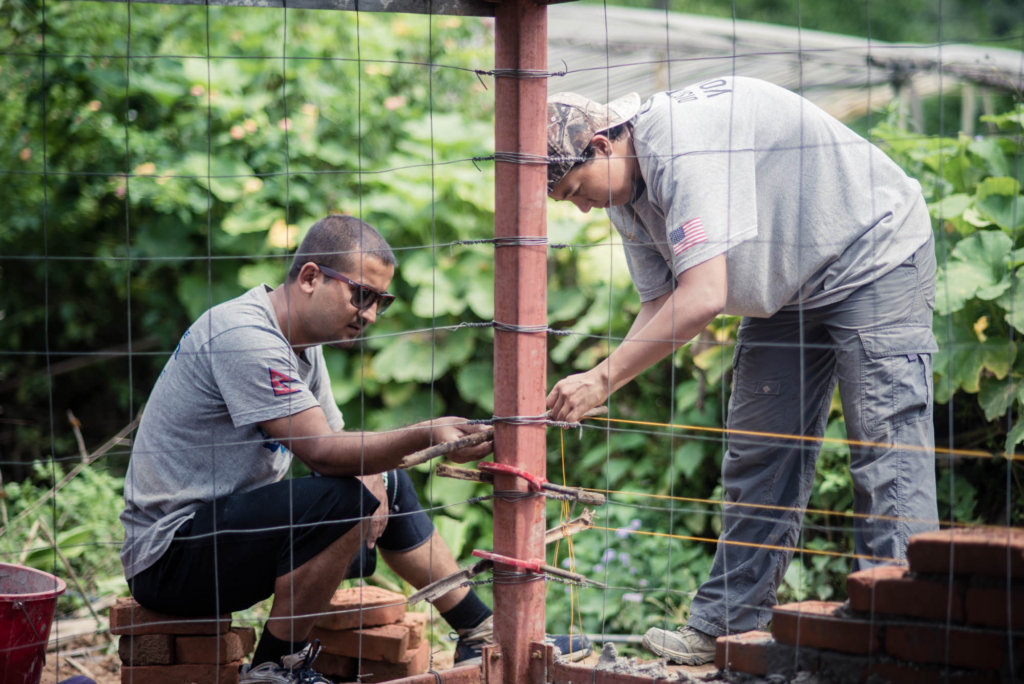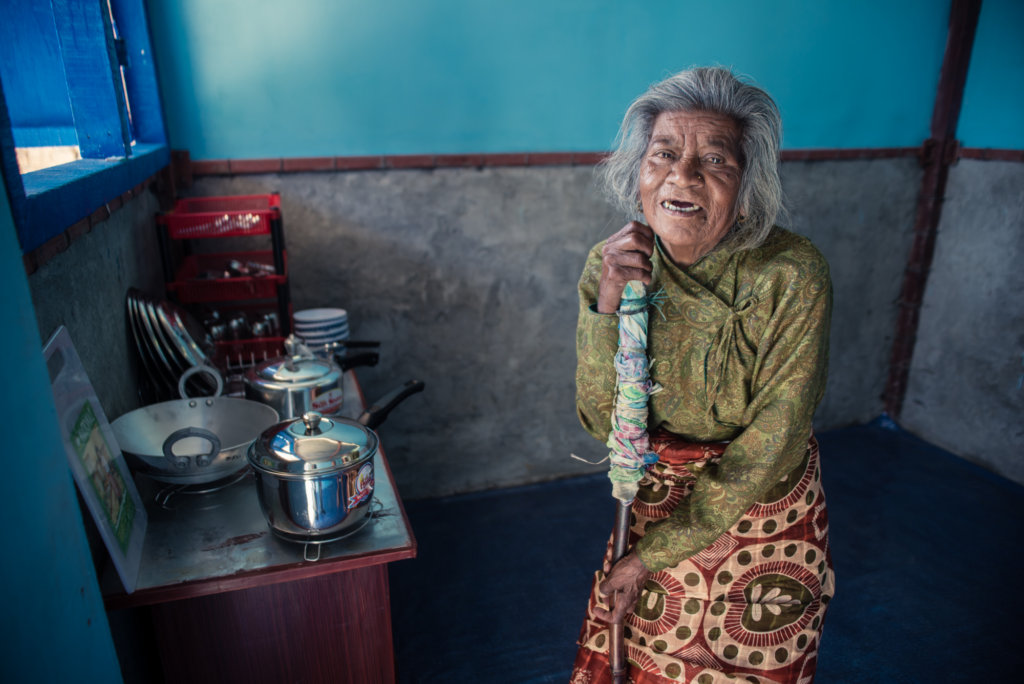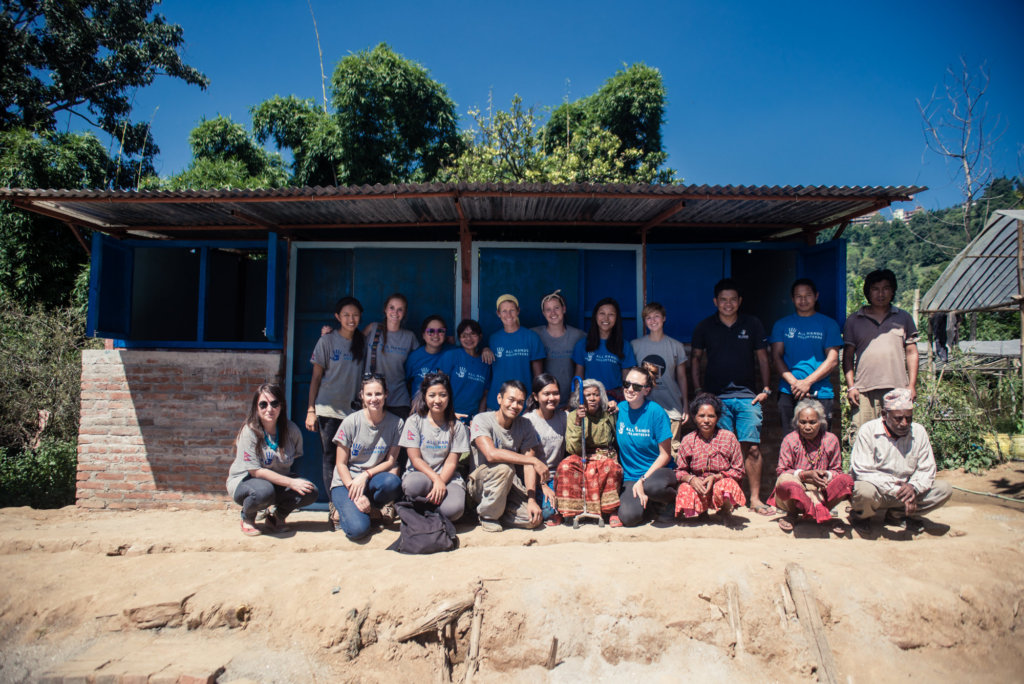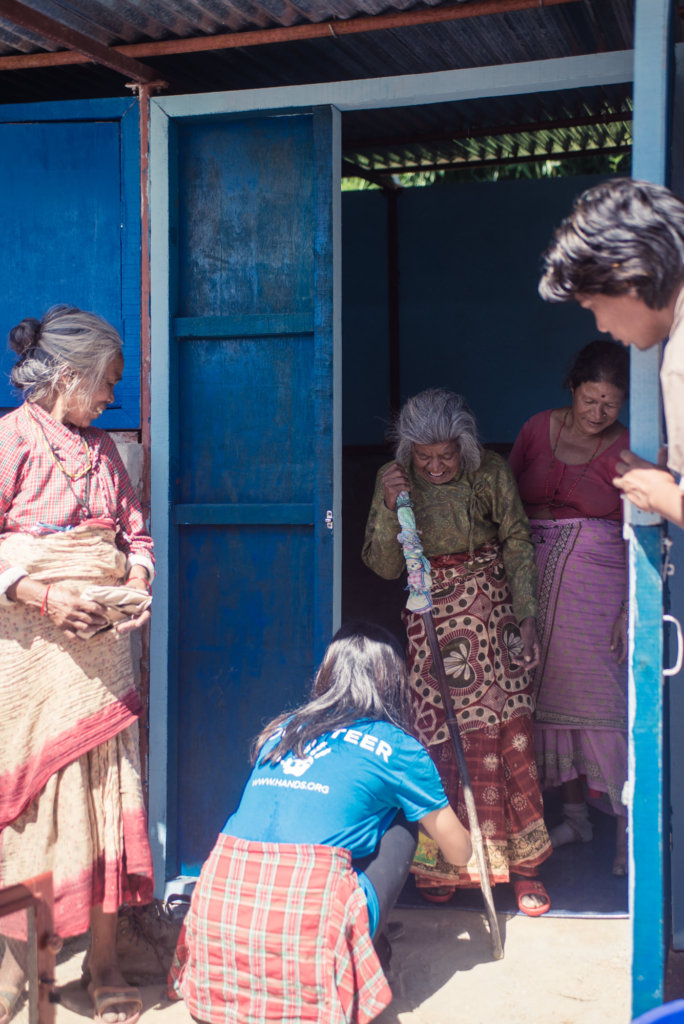
This project seeks to provide secure, dignified, earthquake resilient transitional homes for people displaced by the Nepal earthquakes who lost their homes during the 7.8 magnitude earthquake on April 25, 2015. The project also incorporates self-recovery and disaster preparedness objectives by educating affected communities in shelter safety issues and training local workers in build back safer methods.
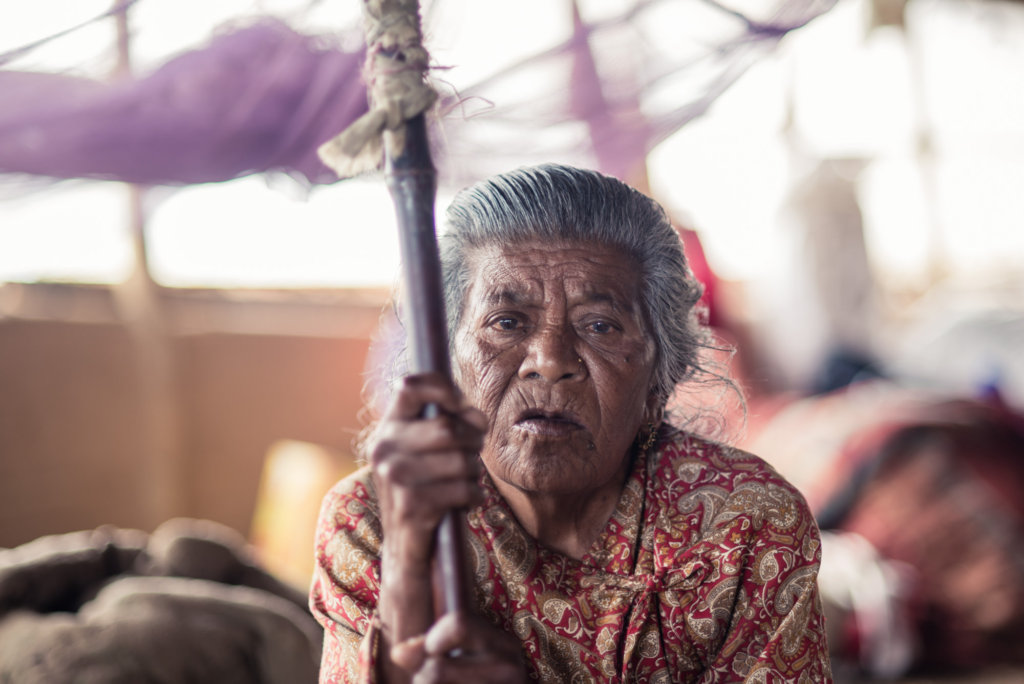
According to the government of Nepal, over 800,000 houses were either destroyed or damaged in the earthquakes, displacing 2.8 million people. As winter approaches, many are still living in camps, tents, or makeshift shelters. The project will benefit communities in Sindhupalchok, one of the hardest hit districts. Beneficiaries will be chosen based on their social and economic vulnerability (e.g., elderly, disabled, poor) since they are the least able to rebuild without help.
This project addresses the housing crisis and improves the resilience and preparedness of beneficiary communities by: constructing culturally appropriate transitional homes that are upgradable and expandable with salvaged materials, "building back safer" (and better) by including earthquake resilience in the materials and design (namely a steel superstructure) and including household toilets, training masons on earthquake resistant techniques and educating the community in shelter safety.
At the end of this project, families will have resilient homes. But the long term impact is really much wider and deeper. The project empowers whole communities by involving them in the recovery process via education, trainings and participatory construction. Empowered people have more self-confidence that they can change their circumstances; informed people can earn better livelihoods and prepare for future challenges. In the long term, these communities have a shot at sustainable recovery.
This project has provided additional documentation in a DOCX file (projdoc.docx).