By M Abdullah | Project Facilitator
Poverty in Indonesia is closely linked to two major groups: farmers and rural communities. The majority of poor households in the country still depend on agriculture as their primary source of livelihood. Data from Statistics Indonesia (BPS) shows that 51.33% of poor households relied on agriculture as their main income source in March 2021, while 29.69% depended on other sectors, and 12.90% had no employment at all. Although agriculture is often portrayed as the backbone of national food security, its reality reveals deep vulnerability for farmers themselves. Food sovereignty is frequently promoted as a national slogan, yet it has not translated into economic security for farming households. Persistent poverty among farmers has driven many rural families to abandon agriculture altogether, often without alleviating their poverty. Amid high levels of poverty and unemployment, agriculture has not yet become a viable solution for most young people.
Indonesia is also facing a serious crisis in farmer regeneration. National statistics show a continuous decline in the number of farmers despite Indonesia’s agrarian identity. In West Java, for example, the largest proportion of farmers is aged 45–49, while those aged 30–44 account for less than a quarter of the total. Young farmers under the age of 30 remain a very small minority.
This trend is reinforced by earlier research, which found that fewer than half of farmers’ children are willing to continue farming, while many explicitly reject agriculture as a future livelihood. The country lost 5.1 million farmers between 2003 and 2013, and projections suggest that if this trend continues, Indonesia could lose most of its farmers within a few decades. Low income is a key driver of this crisis. On average, farmers earned around USD 3.81 per day, which is significantly lower than the earnings in the construction or urban sectors. This stark income gap makes agriculture an increasingly irrational choice for young people.
Enabling Young People to Practice Modern and Ecological Agriculture
Addressing poverty in agriculture is a complex task. Farmers face multiple structural challenges, including limited access to capital and markets, outdated production technologies, small landholdings, and environmentally damaging practices.
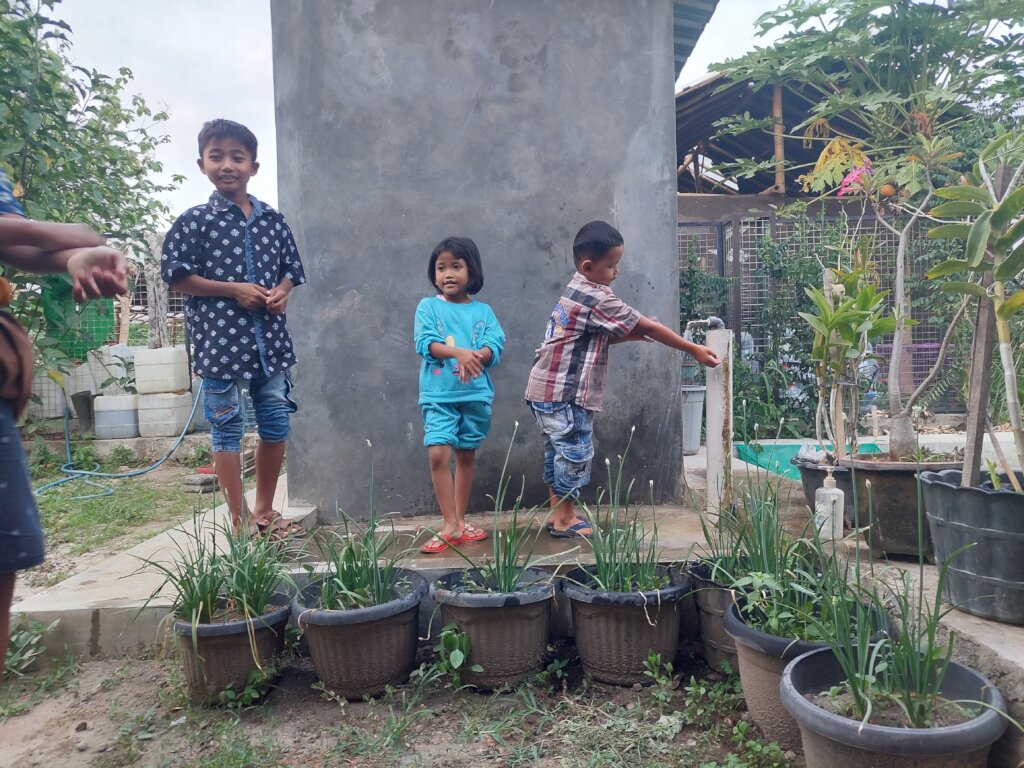
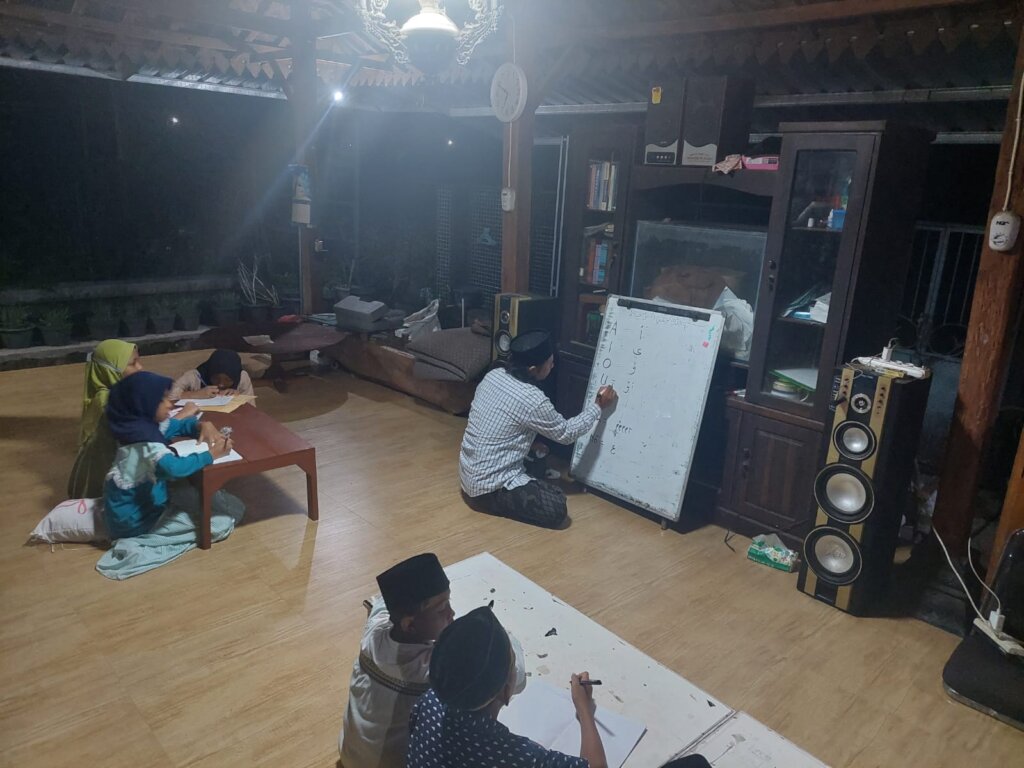
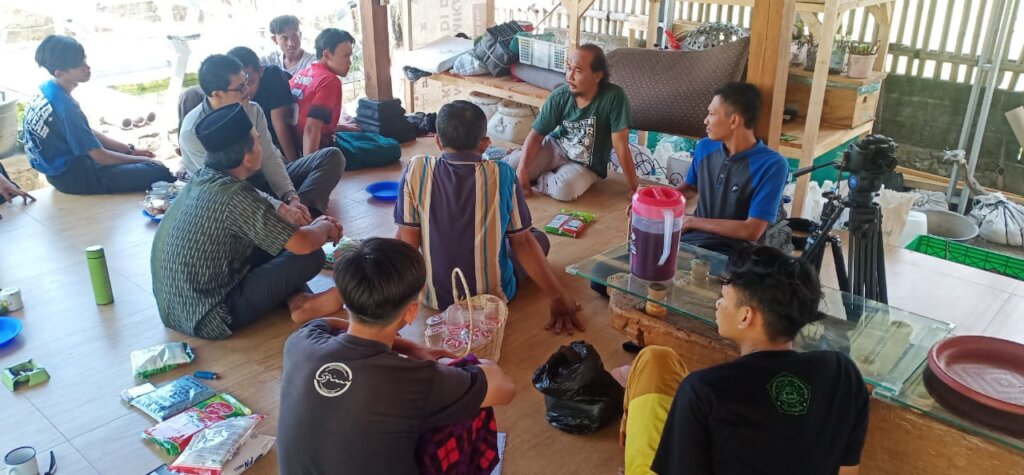
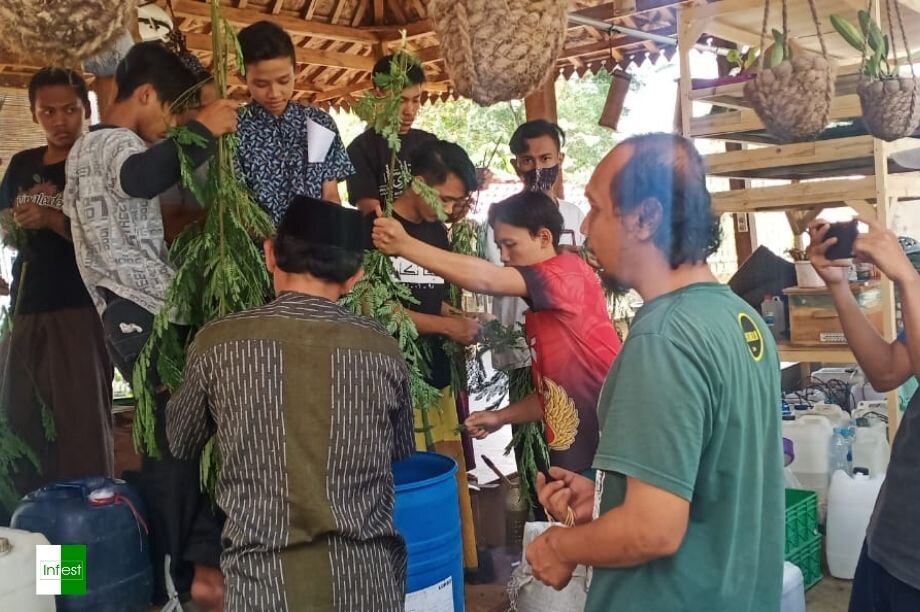
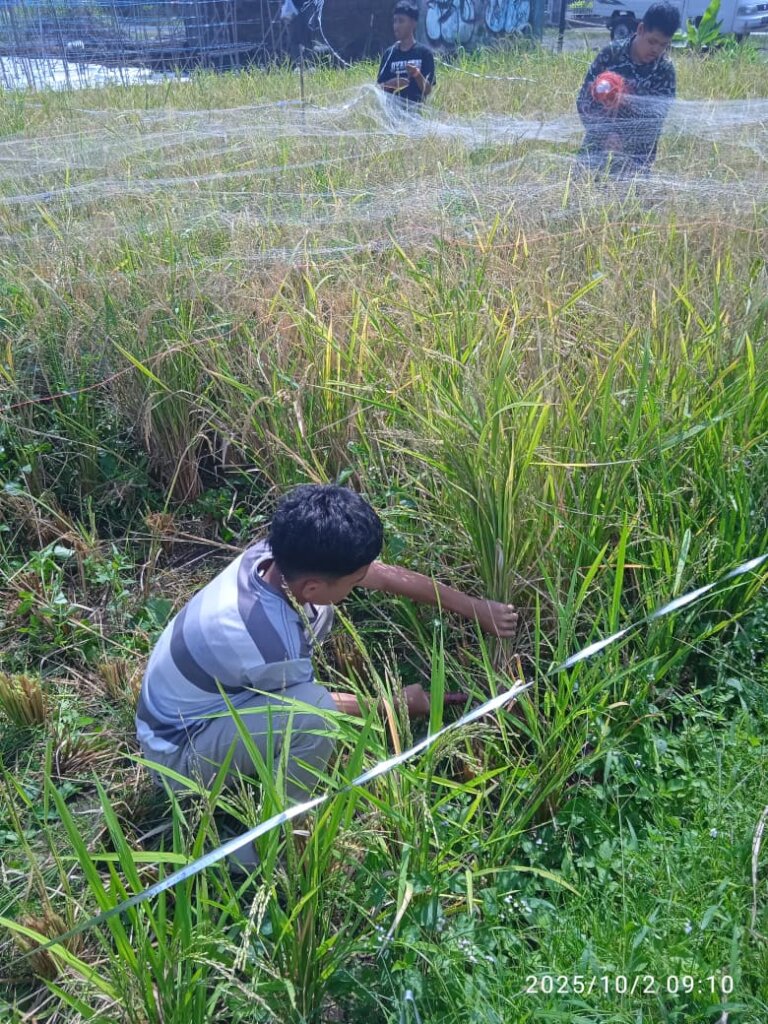
Punthuk Sewu addresses these challenges through a distinct educational approach. First, we provide applied, science-based skills training oriented toward environmental conservation. Agricultural practices at Punthuk Sewu are grounded in circular economy principles, emphasizing farmer independence from costly and environmentally harmful external inputs. Participants learn to produce their own fertilizers and natural pesticides—inputs that are both economically valuable and ecologically sustainable. Permaculture serves as a foundation for building resilient and regenerative farming ecosystems.
Second, we encourage young people to manage agriculture efficiently and innovatively, using scientific methods to identify viable economic opportunities for certain commodities. This approach reduces production costs—such as those associated with organic farming—while increasing the value of agricultural products. By strengthening market awareness and efficiency, young farmers can enter the agriculture sector without the continued worry of unsold produce or financial loss.
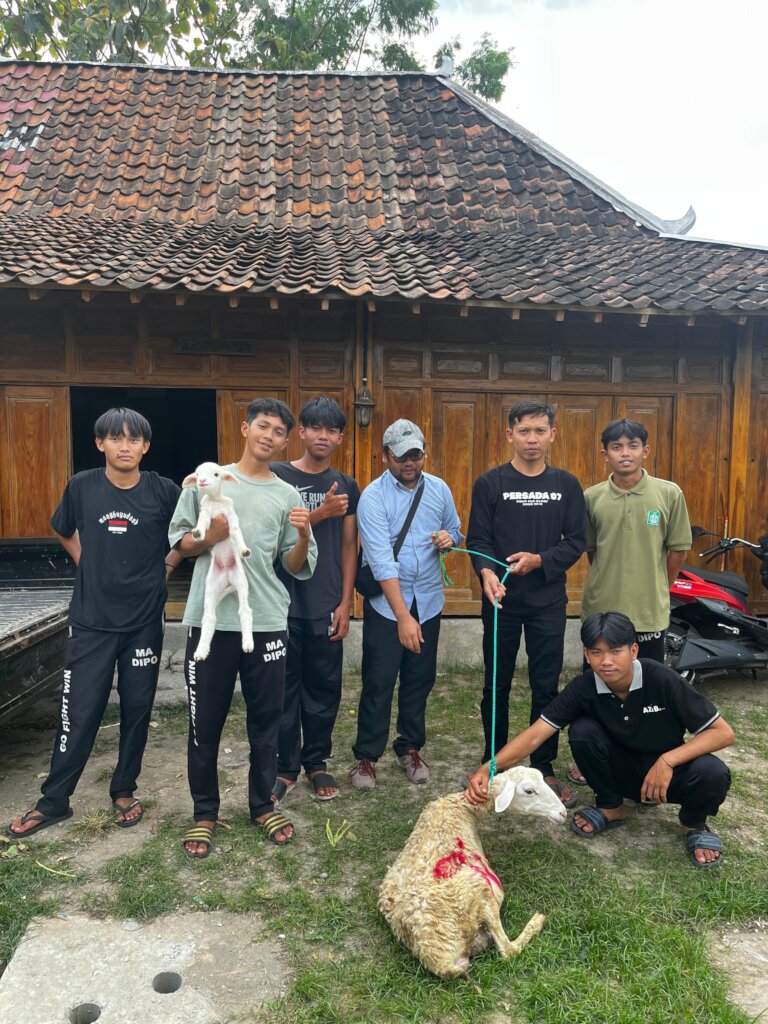
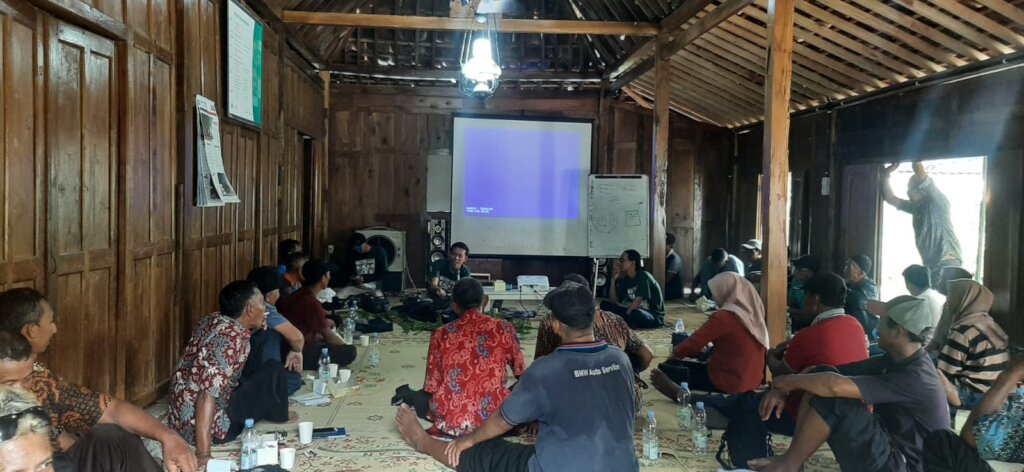
Third, we place strong emphasis on scientific reasoning, like experimental and laboratory tests. In a context where formal education often fails to nurture critical and analytical thinking, Punthuk Sewu introduces science as a practical tool within agriculture and livestock management and practices. These skills not only benefit participants within farming but also equip them with transferable competencies applicable beyond the agricultural sector.
Why Support Us?
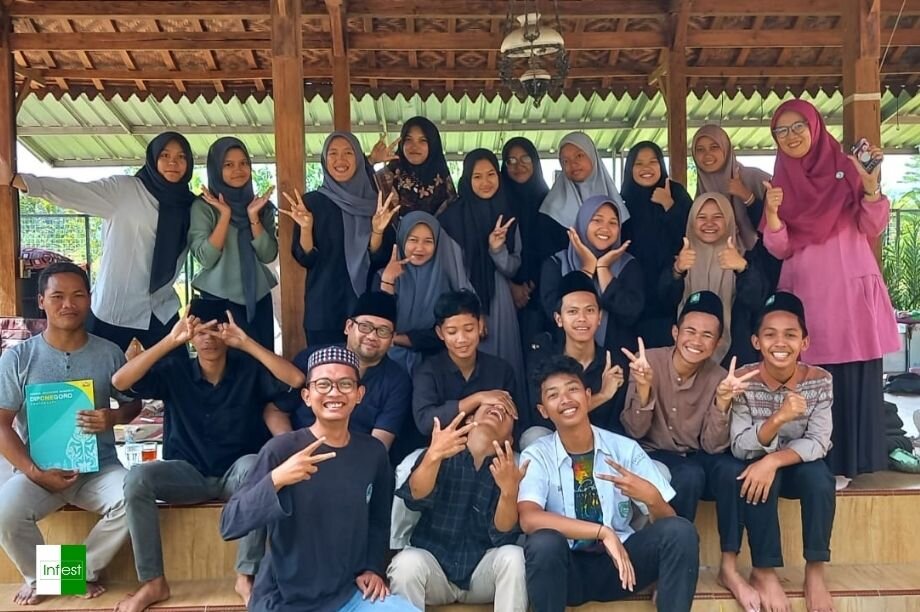
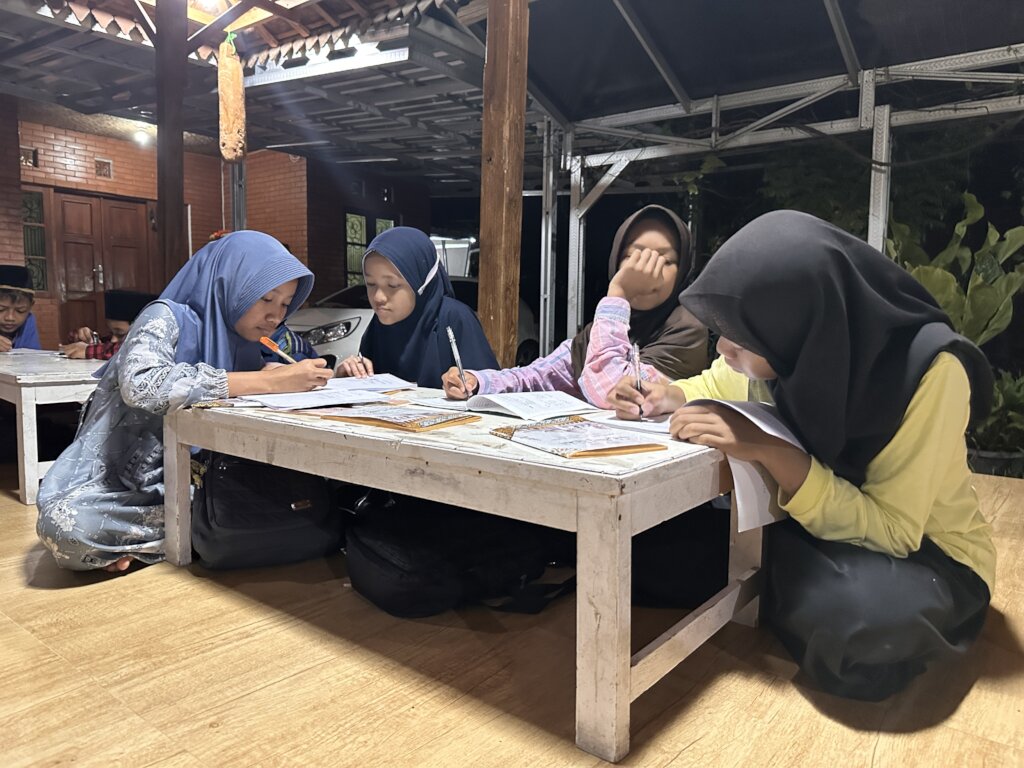
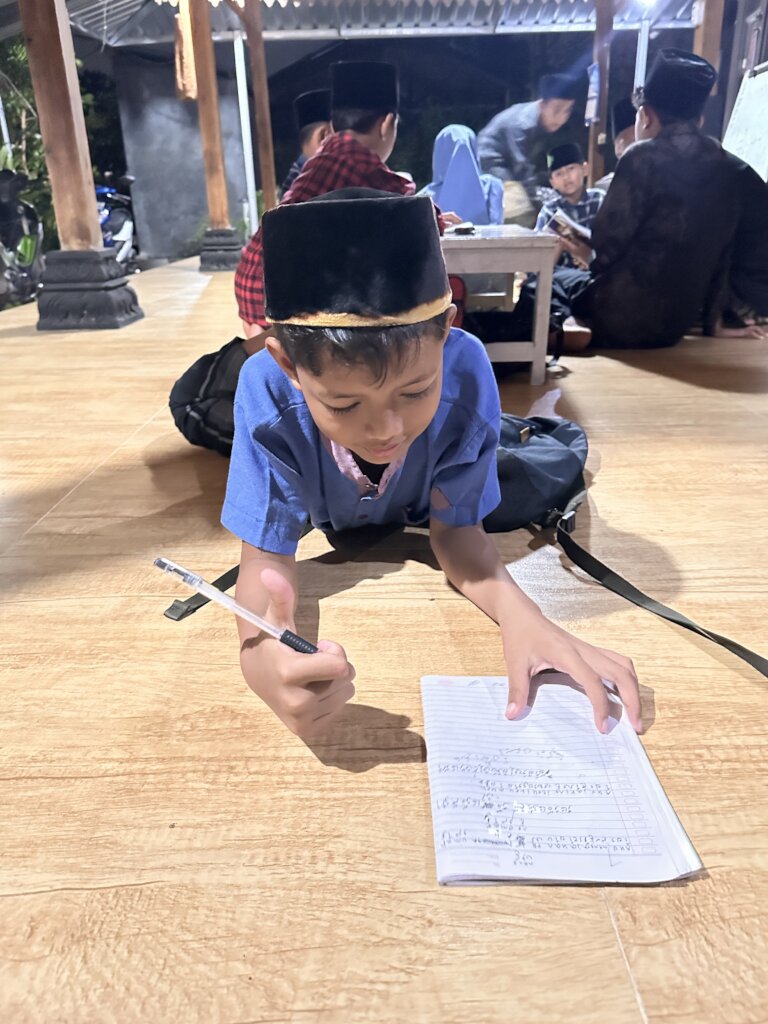
Every contribution through GlobalGiving helps us strengthen educational facilities and improve the quality of our learning services. Your support enables young people from farming families to develop their potential by building upon the resources and knowledge they already possess. Quality education remains one of the most powerful investments in breaking the cycle of poverty.
What We Plan Next
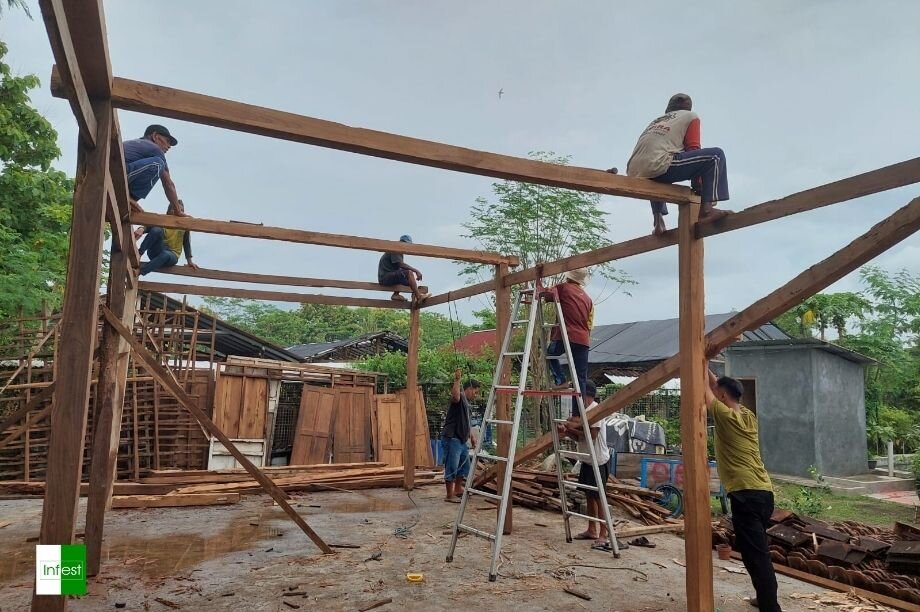
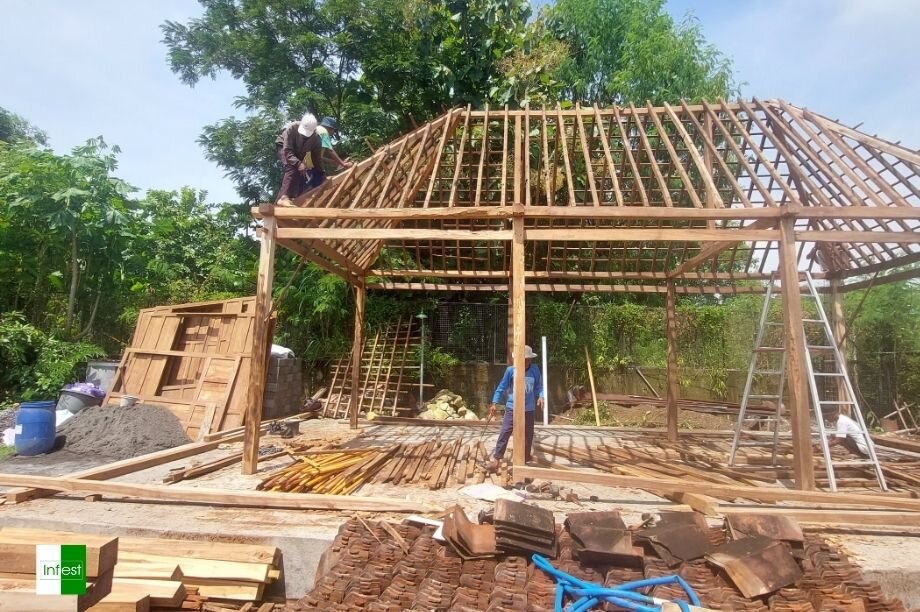
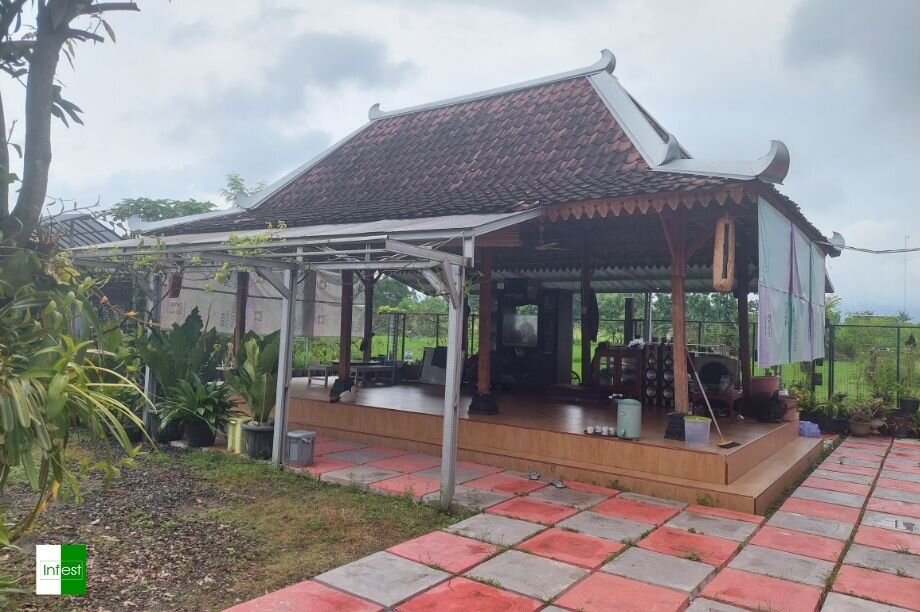
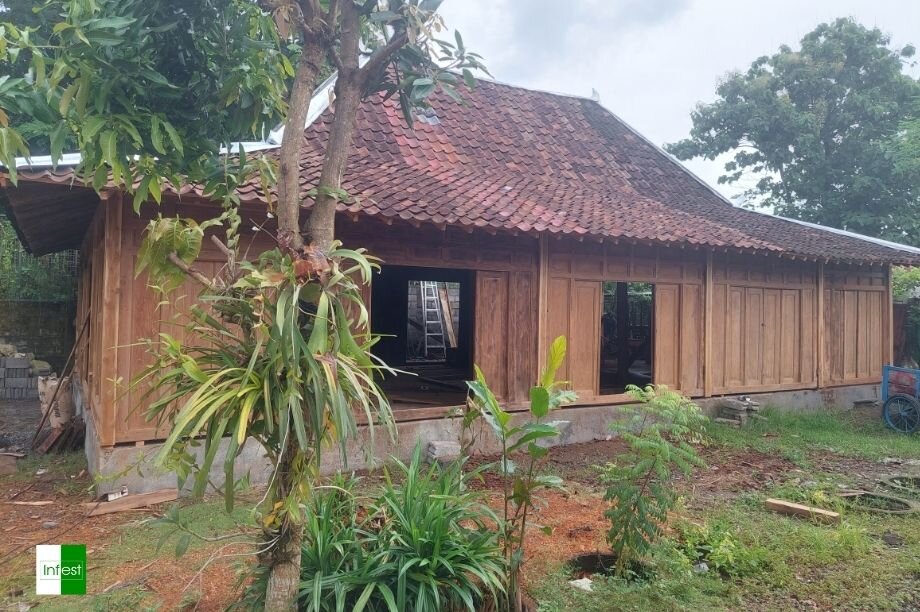
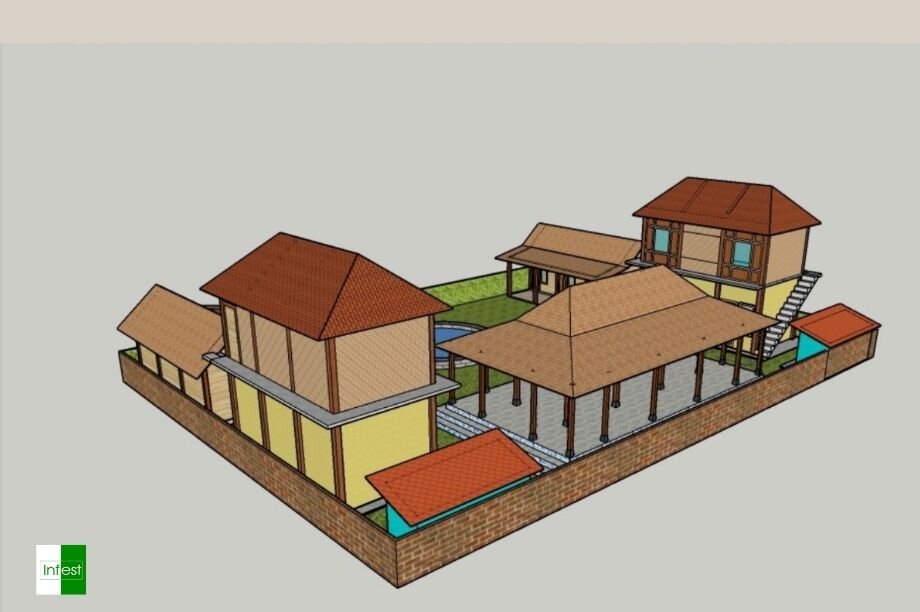
We aim to develop a certified vocational education area that allows more young people to access affordable—or, for some groups, free—skills training. These competencies will increase young people’s employability while also supporting those who choose to build independent, community-based enterprises.
By investing in young people today, we are helping to secure the future of sustainable agriculture and rural livelihoods in Indonesia.
Project reports on GlobalGiving are posted directly to globalgiving.org by Project Leaders as they are completed, generally every 3-4 months. To protect the integrity of these documents, GlobalGiving does not alter them; therefore you may find some language or formatting issues.
If you donate to this project or have donated to this project, you can receive an email when this project posts a report. You can also subscribe for reports without donating.



Support this important cause by creating a personalized fundraising page.
Start a Fundraiser