By Mufid | Project Staff
We are grateful to everyone who has supported the Eco Vocational School Indonesia initiative through GlobalGiving. To date, the project has received USD 1,226 in donations from 33 contributions, bringing us one step closer to our long-term goal of developing an accessible vocational education institution for children and young people from underprivileged families.
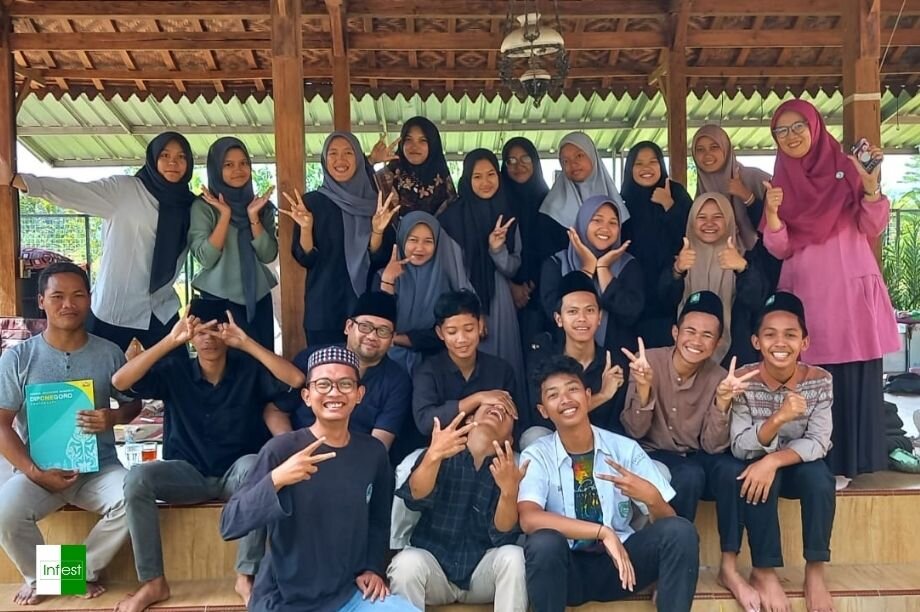
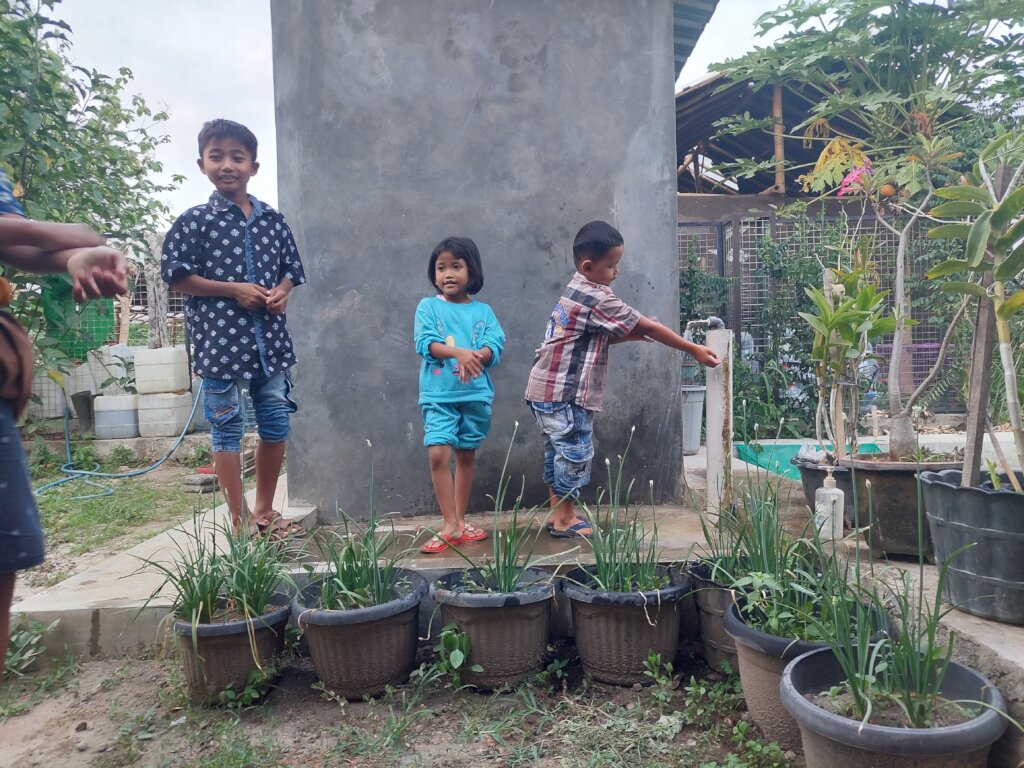
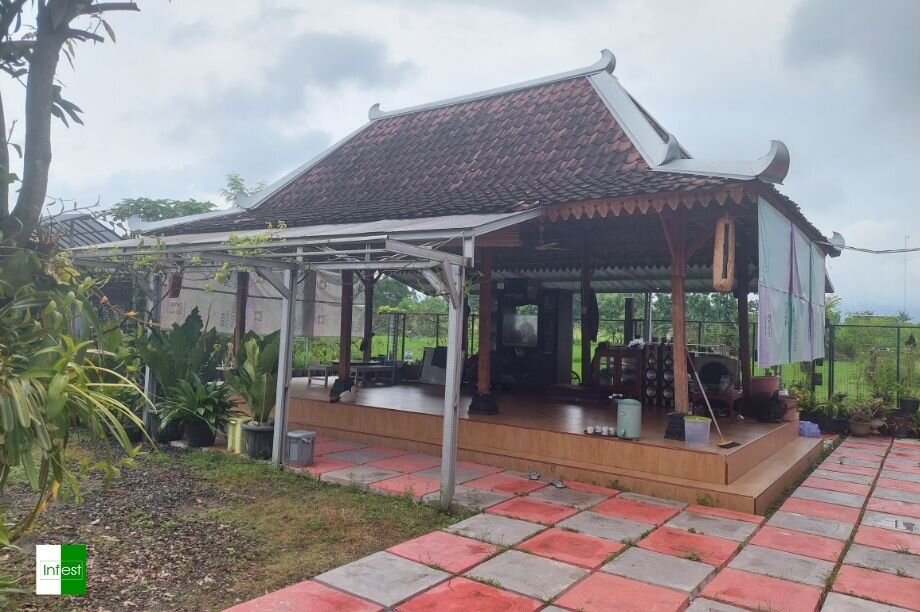
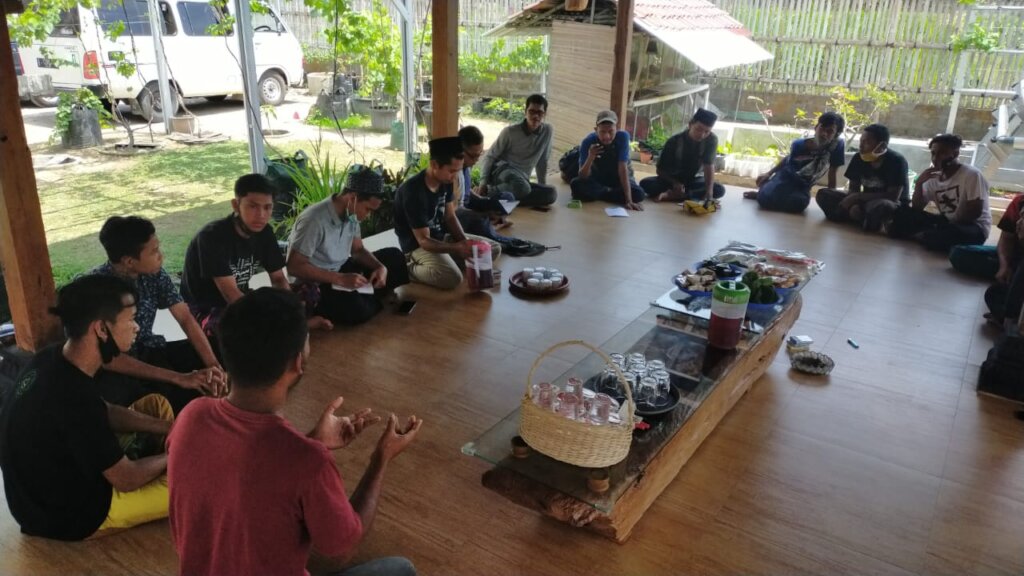
While the development of a formal vocational school remains our long-term goal, the support we have received is already helping us sustain educational activities at Punthuk Sewu Learning Center in Bantul, Yogyakarta. Our current work focuses on three interconnected areas: learning support for school-age children, English language education, and practical skills training for young people.
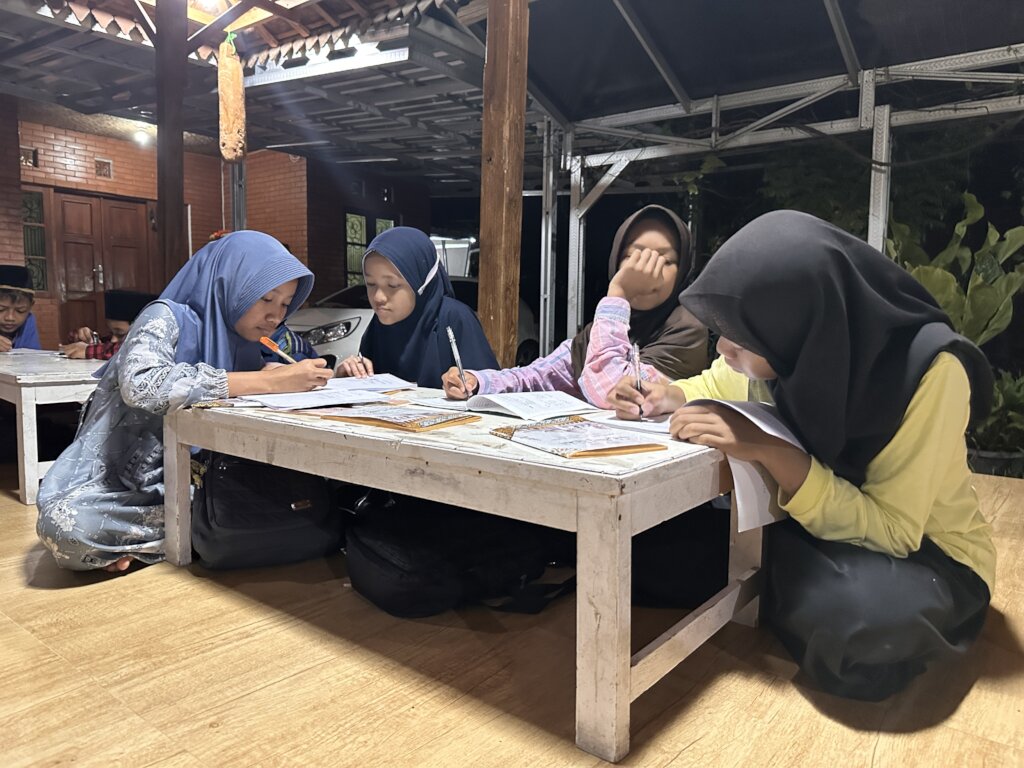
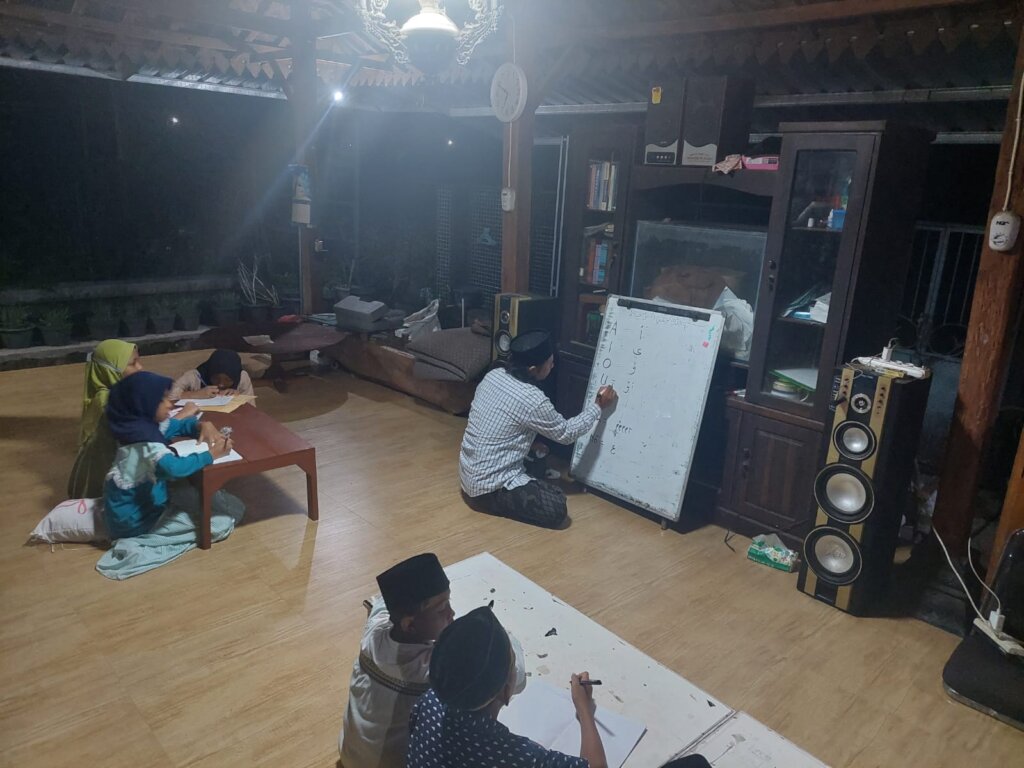
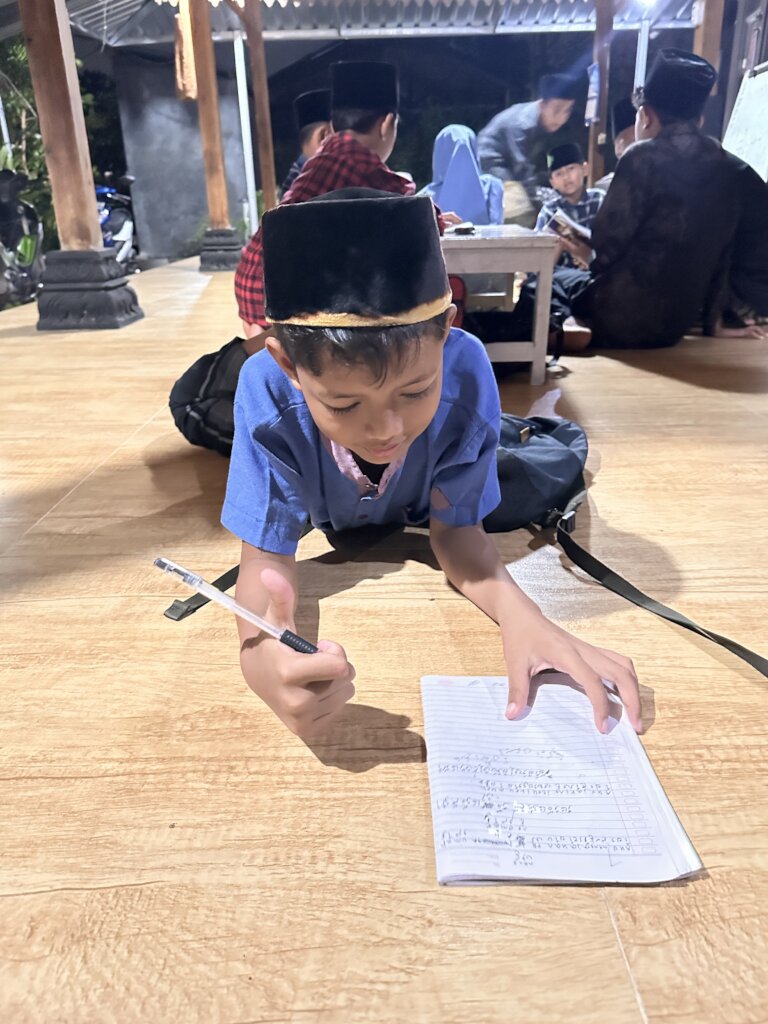
Through the Learning Support Program, children receive additional assistance with their school subjects outside regular classroom hours. The program provides a supportive environment where children can ask questions, complete their assignments, strengthen their understanding of lessons, and develop better learning habits. This support is particularly important for children whose parents have limited time, educational background, or capacity to accompany them at home.
We have also started an English course for children, currently serving 23 participants, most of whom are primary school students. The weekly course provides children with opportunities to develop basic English vocabulary, communication skills, reading ability, and confidence. For children in rural communities, access to additional language learning remains limited, making this program an important complement to their formal schooling.
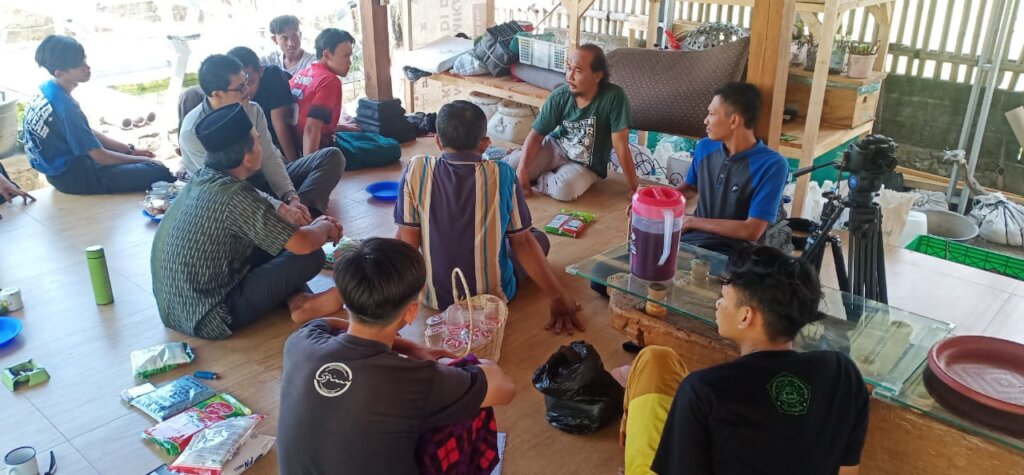
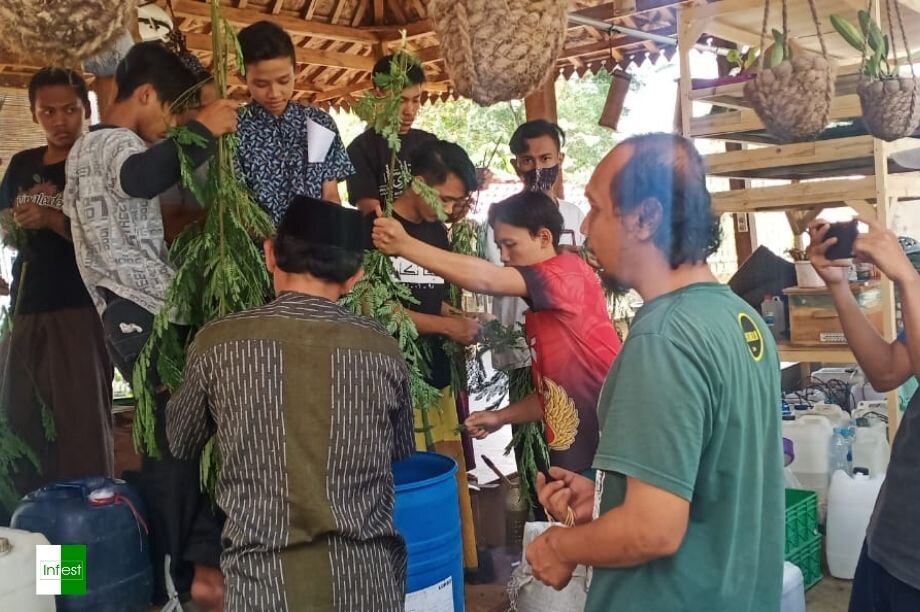
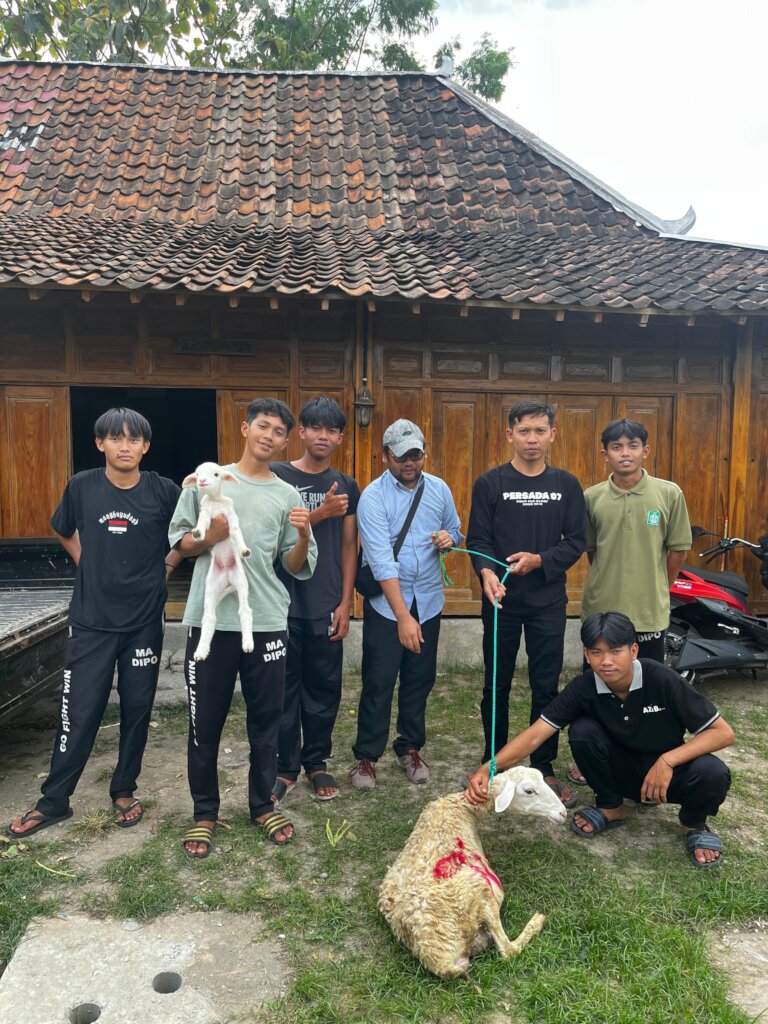
Alongside children's education, Punthuk Sewu continues to provide skills training for young people, particularly in sustainable agriculture, livestock management, and agribusiness. Through hands-on learning, participants are introduced to practical skills that can be developed into livelihood opportunities. Our approach connects education with the realities of rural economies, encouraging young people to see agriculture not simply as traditional work, but as a sector where knowledge, innovation, technology, and entrepreneurship can create new opportunities.
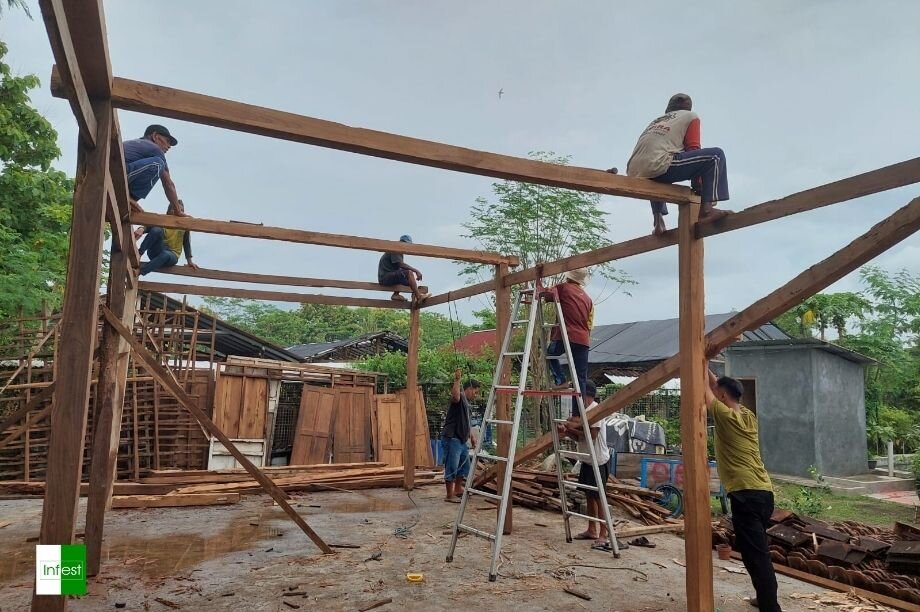
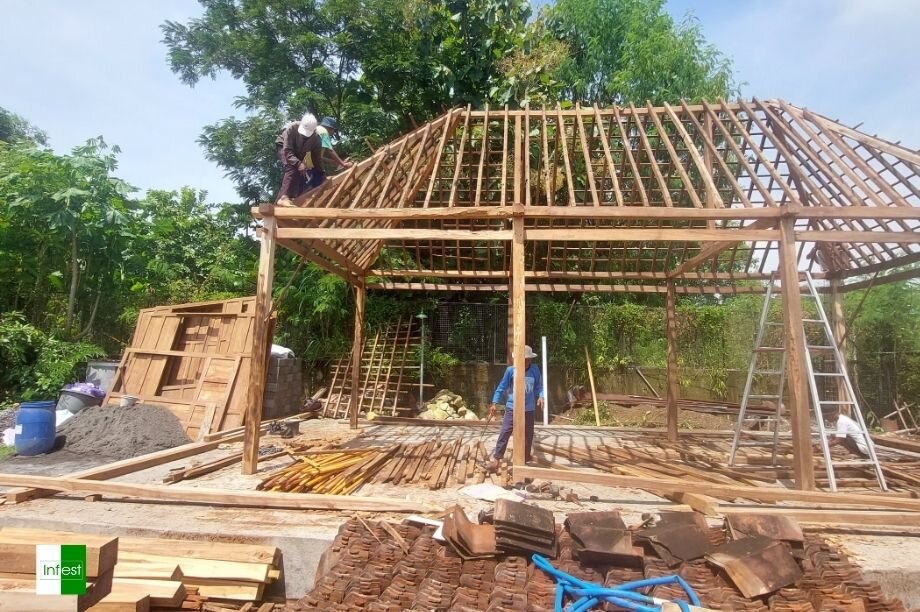
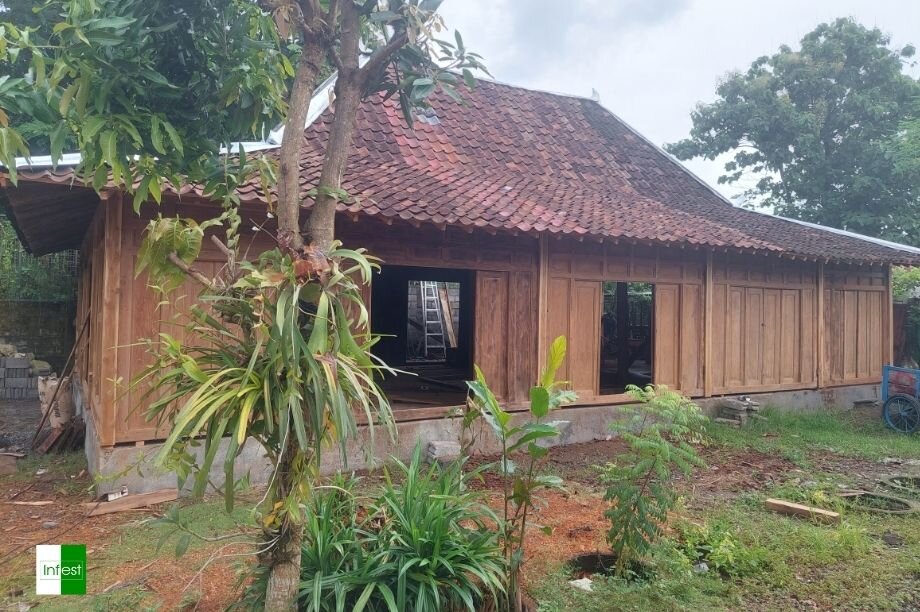
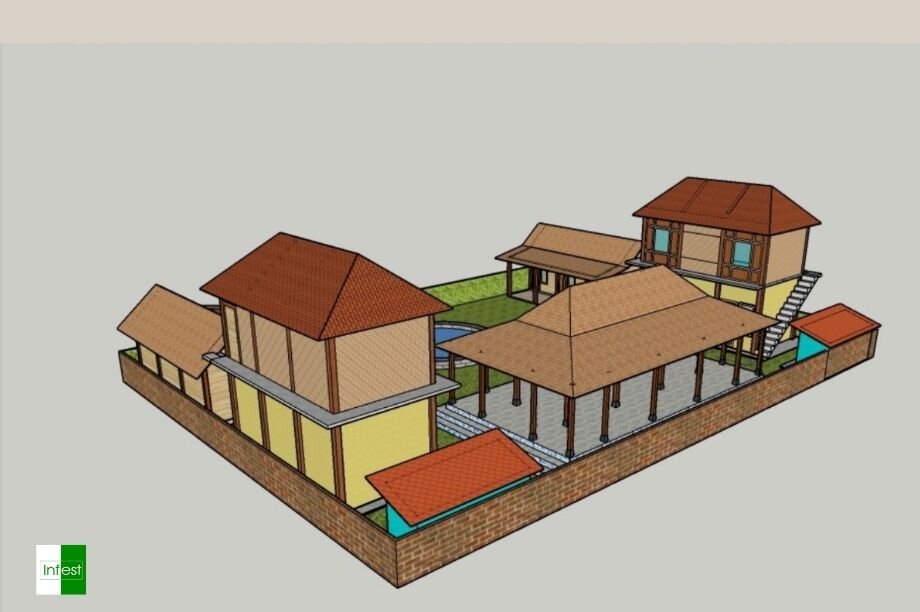
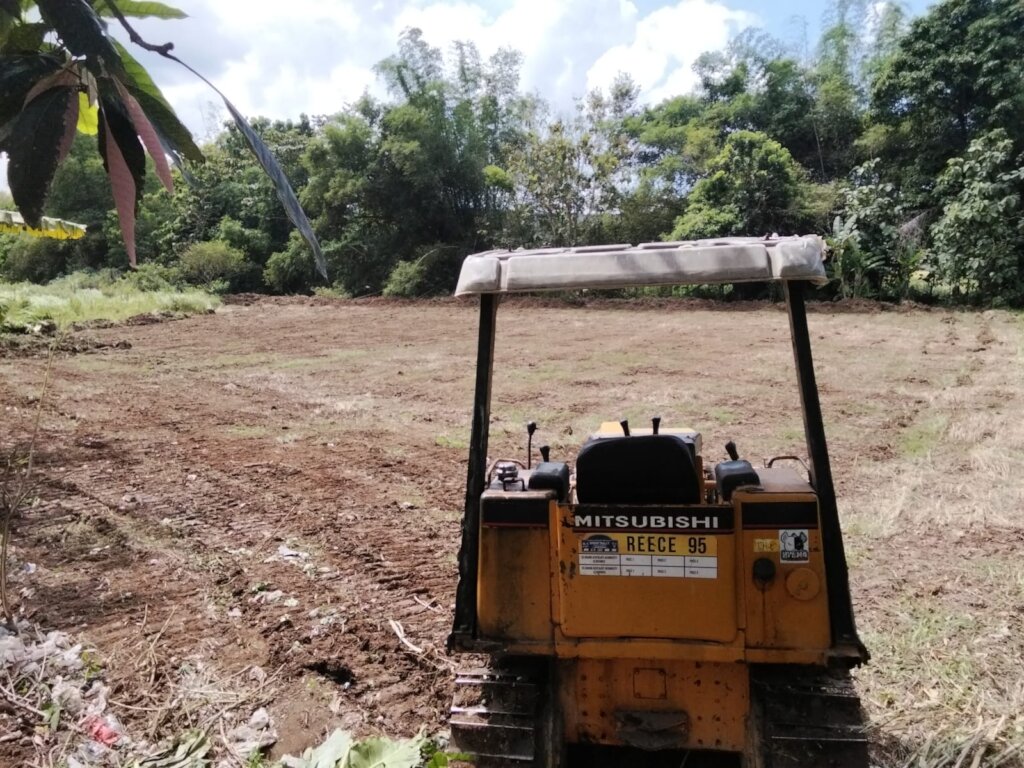
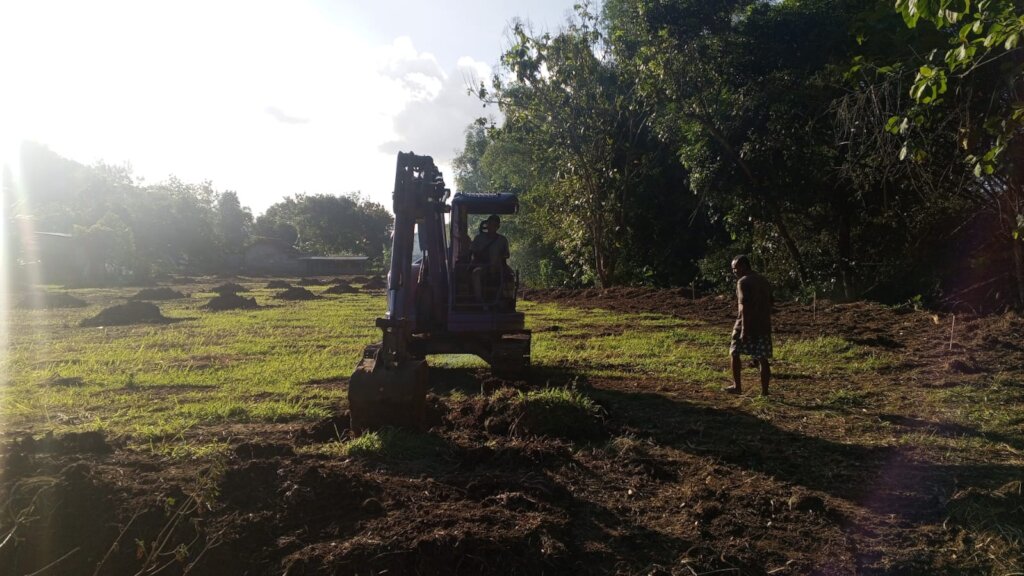
These activities are part of a larger vision. We are working toward transforming Punthuk Sewu from a community learning center into a formal Junior Secondary School and Vocational Training Center, providing affordable and accessible education for children and youth from economically disadvantaged families. The planned institution will combine academic learning, STEM education, vocational skills, character development, and practical livelihood preparation.
We still need your support to make this vision possible. Every contribution helps us continue today's learning activities while building the foundation for tomorrow's school. On GlobalGiving, donations can directly support learning materials, classroom equipment, vocational training facilities, student accommodation, and other essential components of the future education center.
A small contribution can help a child access learning materials. A larger contribution can equip a classroom or vocational training facility. Together, these contributions can help us build an education system that gives rural children and young people a fairer chance to learn, develop their skills, and build sustainable futures.
Please support our work and help us build a school where education can become a pathway out of poverty.
By Miscbachul Munir | Project Staff
By Mufid | Project Staff
Project reports on GlobalGiving are posted directly to globalgiving.org by Project Leaders as they are completed, generally every 3-4 months. To protect the integrity of these documents, GlobalGiving does not alter them; therefore you may find some language or formatting issues.
If you donate to this project or have donated to this project, you can receive an email when this project posts a report. You can also subscribe for reports without donating.



Support this important cause by creating a personalized fundraising page.
Start a Fundraiser