By mufid | Project Staff
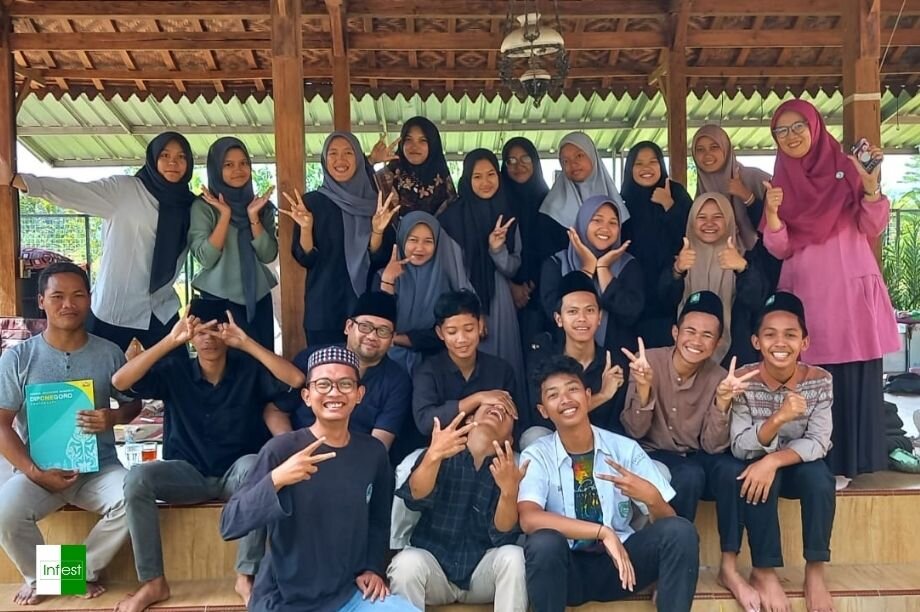
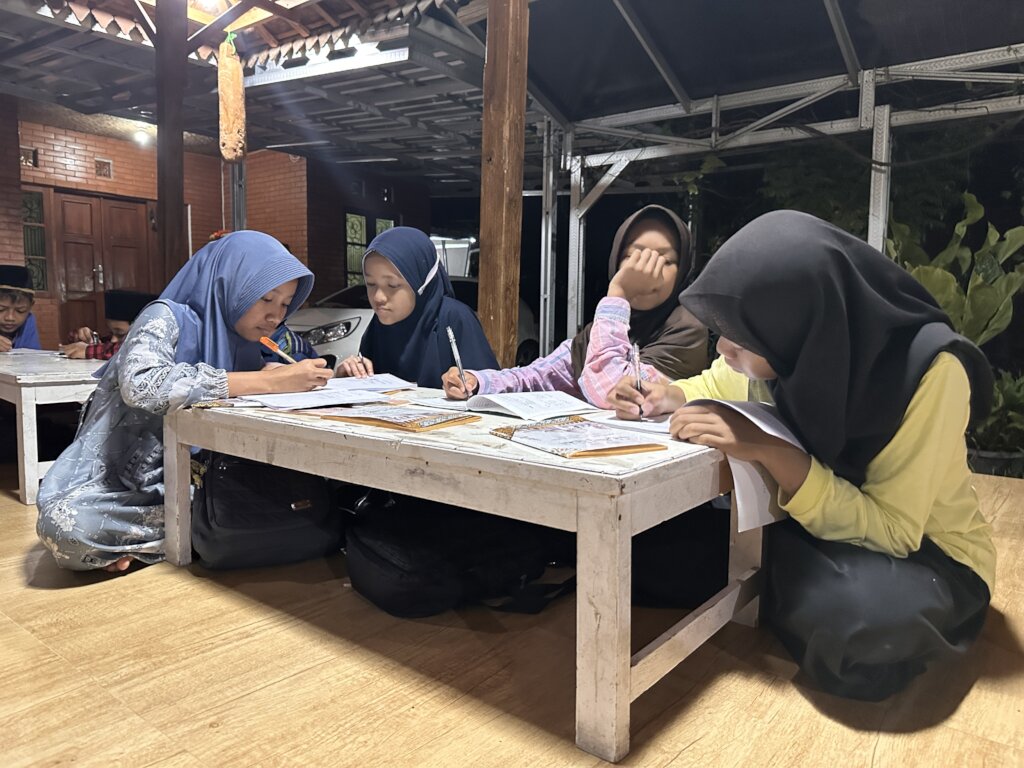
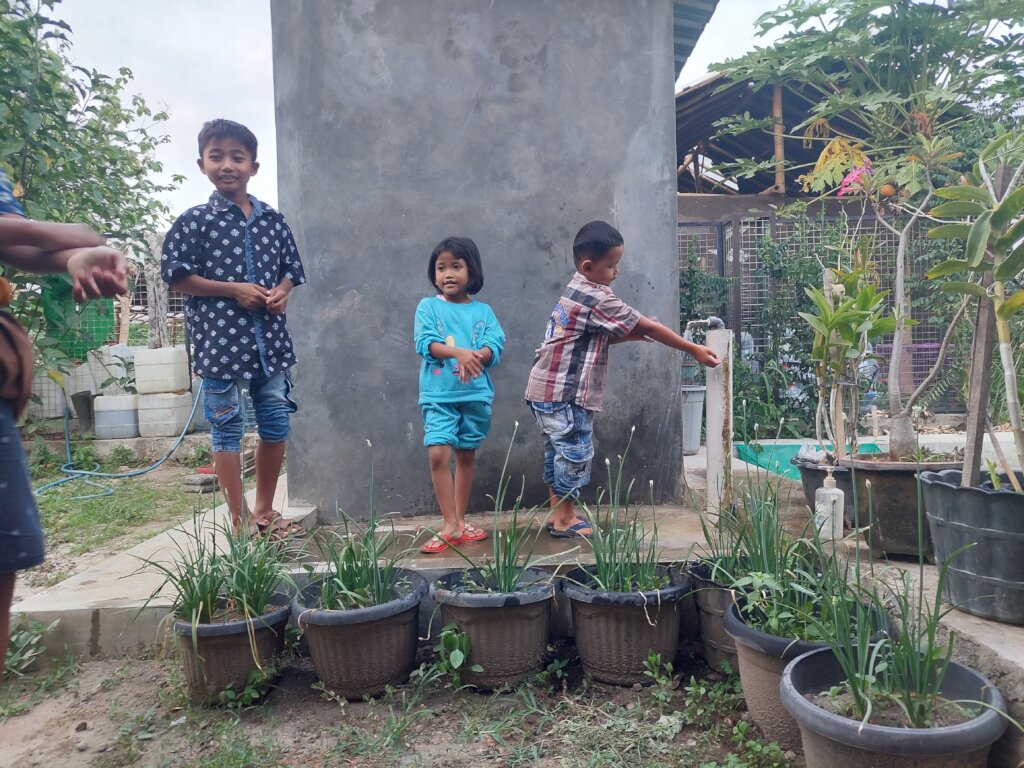
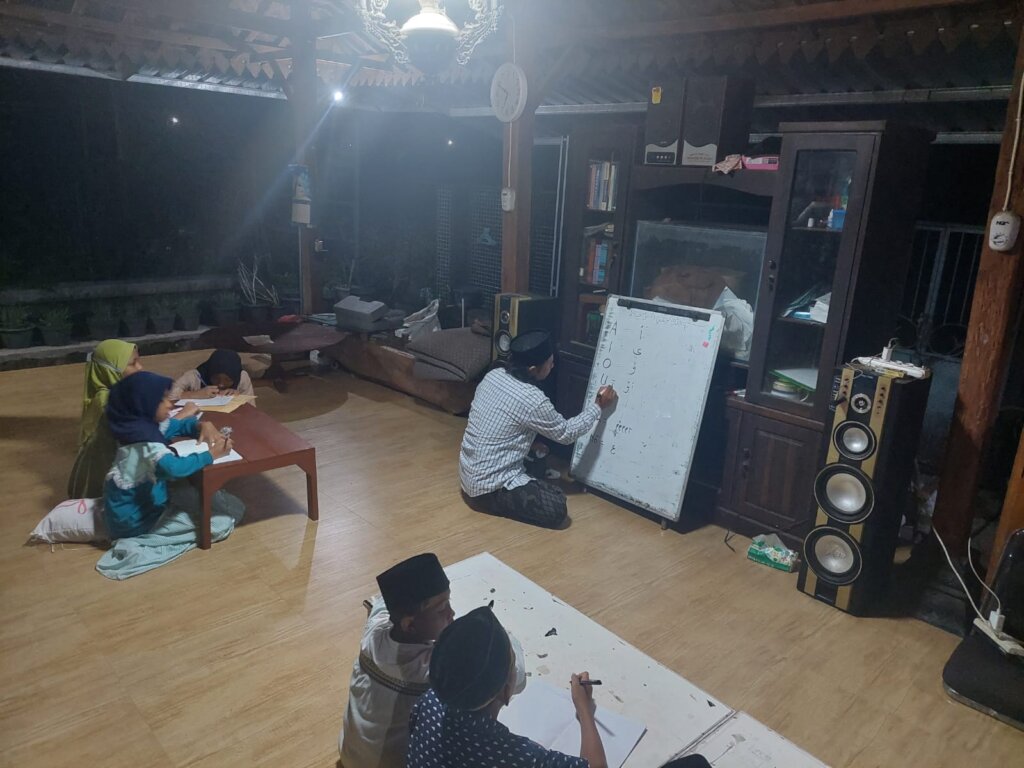
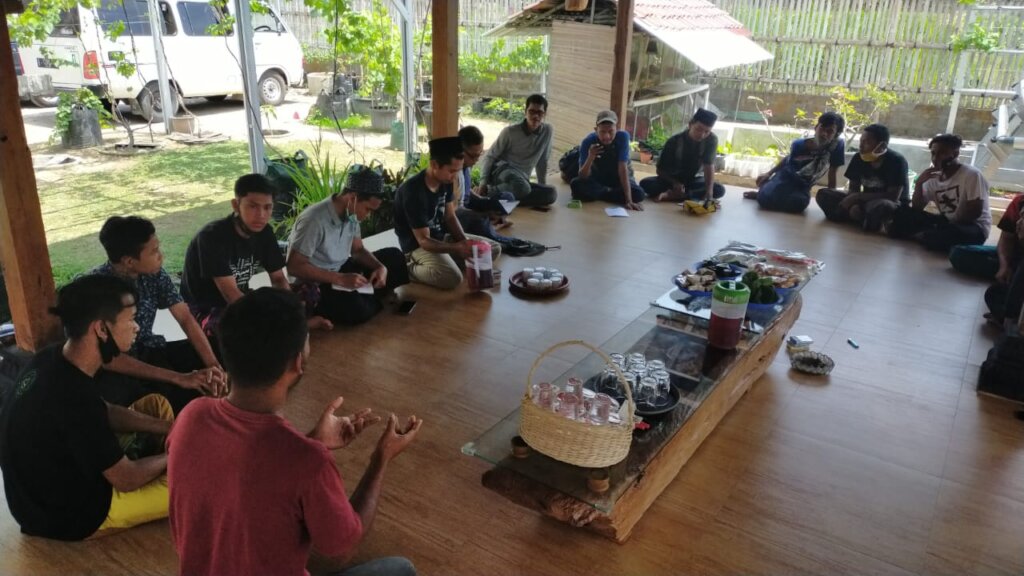
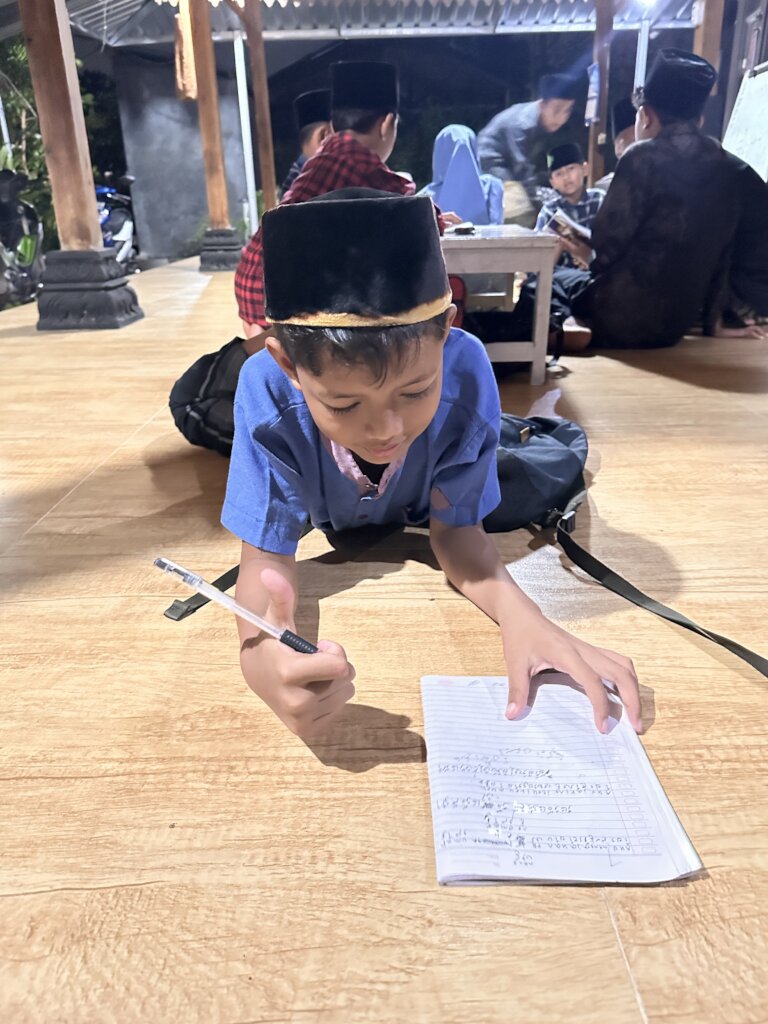
At Punthuk Sewu Learning Center in Bantul, Yogyakarta, we have spent the past years supporting children from low-income households through tutoring, character development, and vocational exposure in agribusiness. Serving over 50 students, we have seen how structured mentoring strengthens confidence and aspiration.
But we have also learned that informal support alone cannot shift systemic inequality.
To enable real transformation, rural youth need access to affordable, accredited, and skills-based formal education—education that not only teaches theory, but builds capability, resilience, and economic mobility.
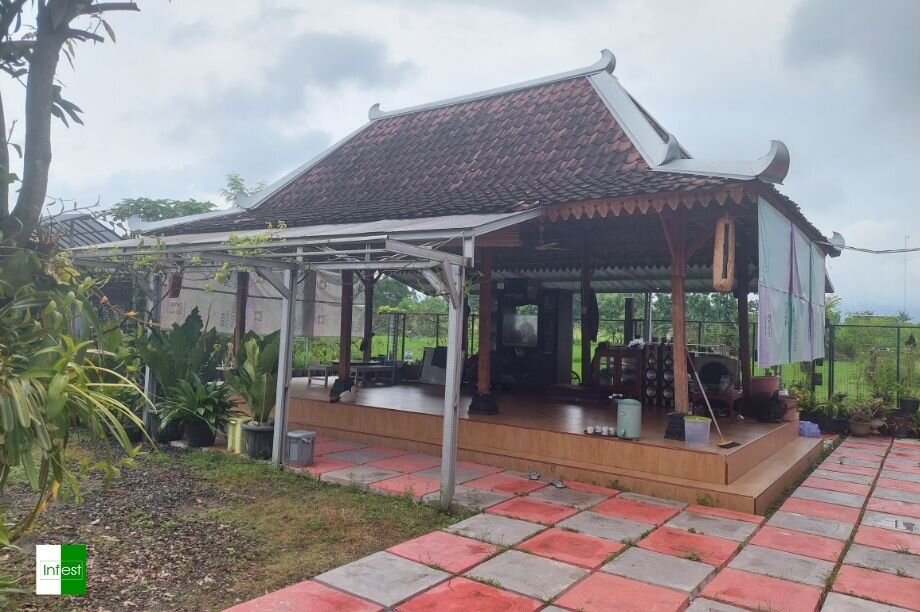
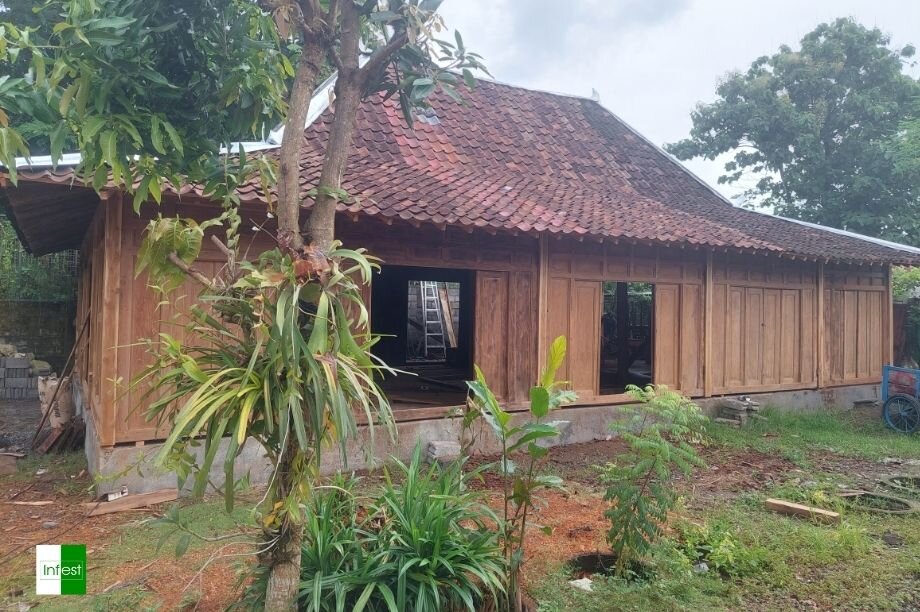
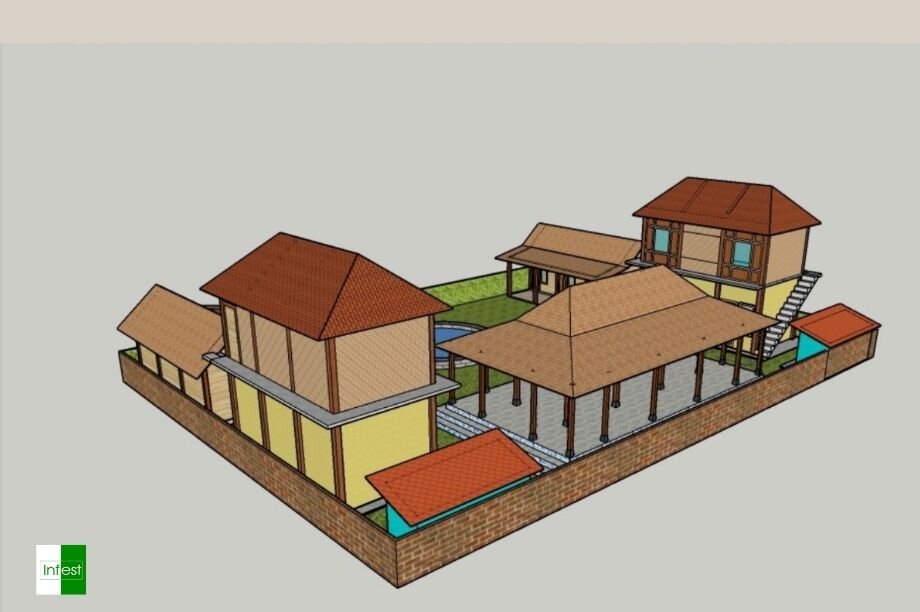
That is why we are transitioning Punthuk Sewu into:
A Formal Junior Secondary School (SMP)
A Vocational Training Center (LPK)
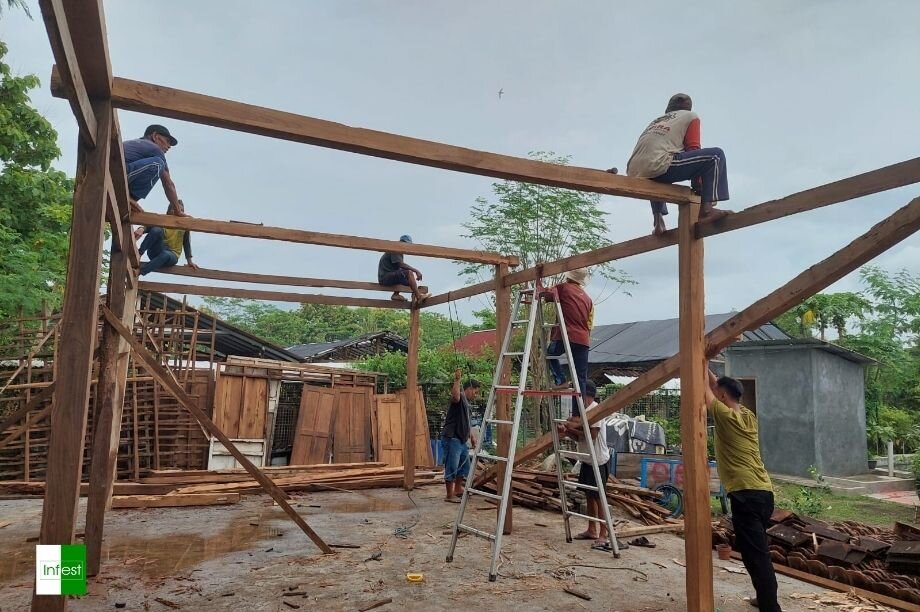
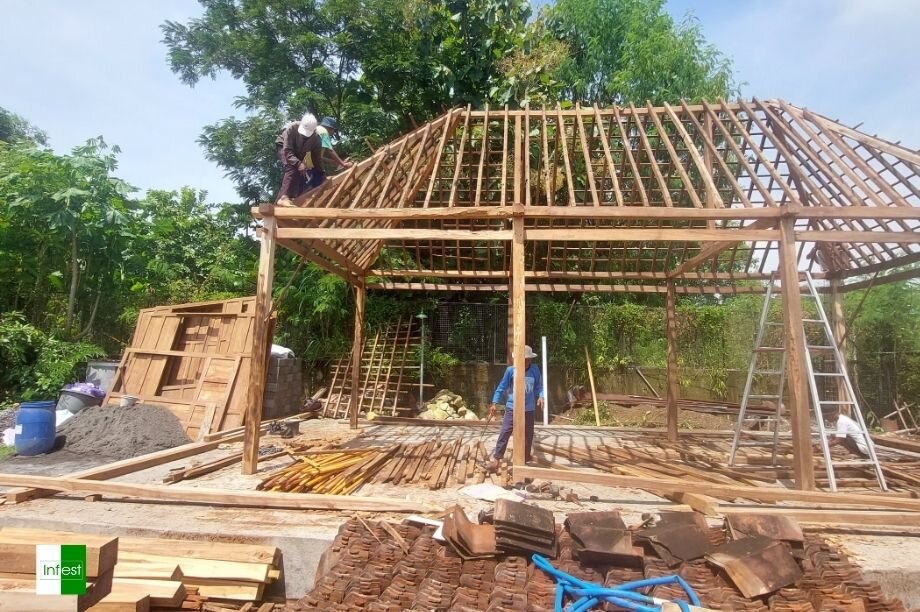
Adopting a boarding school (pesantren) model, we will create a structured learning environment that integrates:
Strong foundations in STEM and literacy
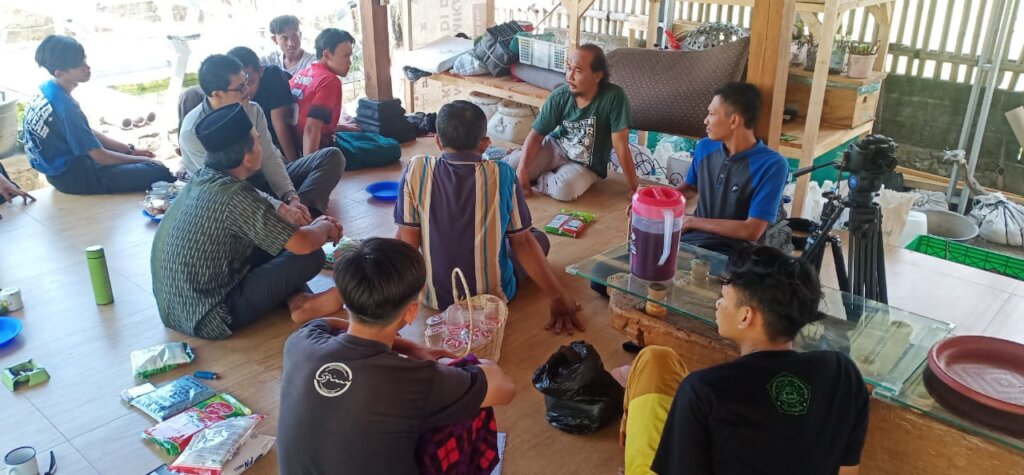
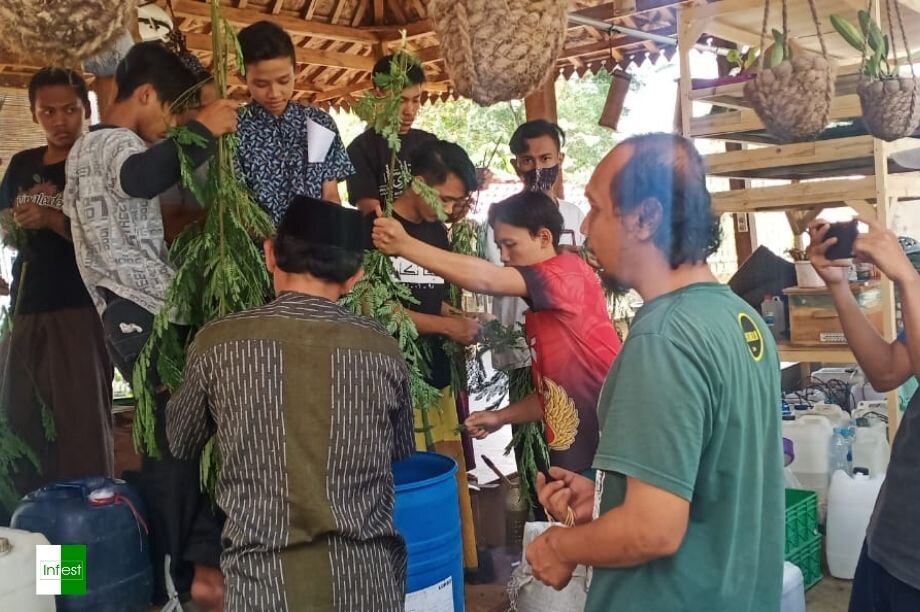
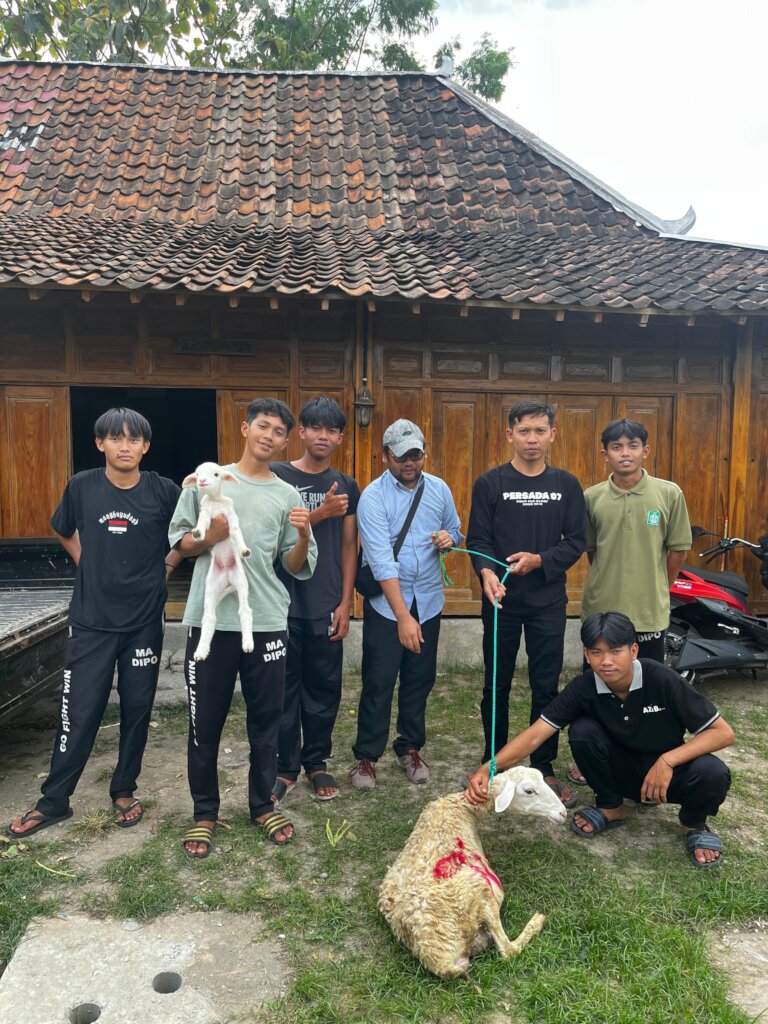
Practical agribusiness and livestock training aligned with local economies
Digital and entrepreneurial competencies
Character formation rooted in discipline and humanitarian values
By 2028, we aim to serve 400 students from underprivileged families—expanding access, strengthening livelihoods, and building long-term rural resilience.
Inclusive education is not simply about enrollment numbers.
It is about intentional design—prioritizing those who are most vulnerable and aligning education with real community needs.
When rural children gain access to quality education and practical skills, families become more economically secure. When families stabilize, communities strengthen. And when communities strengthen, rural transformation becomes possible.
Inclusive Education for Indonesia’s Rural Transformation is not just a vision.
It is a strategy for breaking generational poverty and building a more equitable nation.
And together, we can make it a reality.
By Nur Abdullah | Project Staff
By mufid | Project Staff
Project reports on GlobalGiving are posted directly to globalgiving.org by Project Leaders as they are completed, generally every 3-4 months. To protect the integrity of these documents, GlobalGiving does not alter them; therefore you may find some language or formatting issues.
If you donate to this project or have donated to this project, you can receive an email when this project posts a report. You can also subscribe for reports without donating.



Support this important cause by creating a personalized fundraising page.
Start a Fundraiser