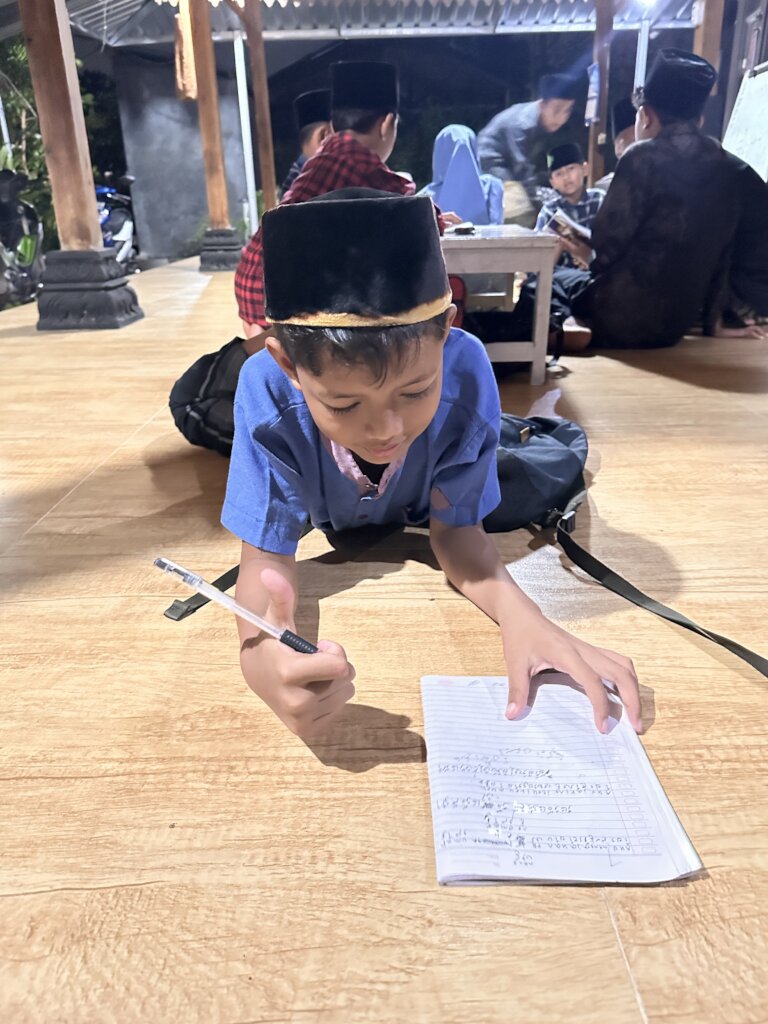
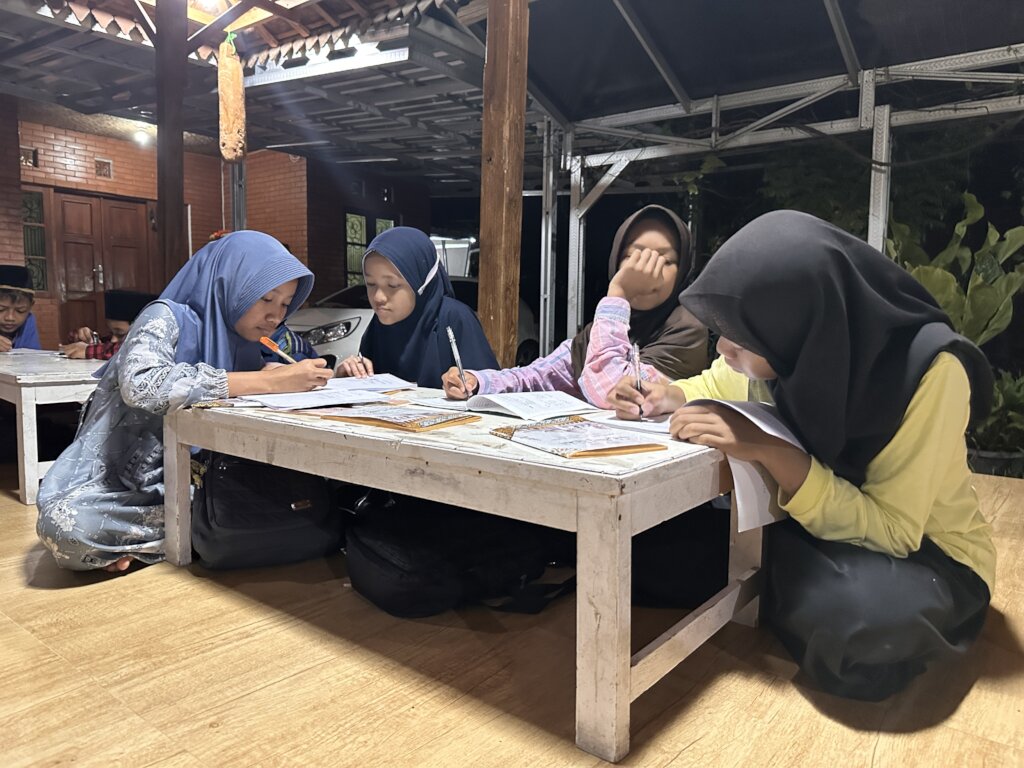
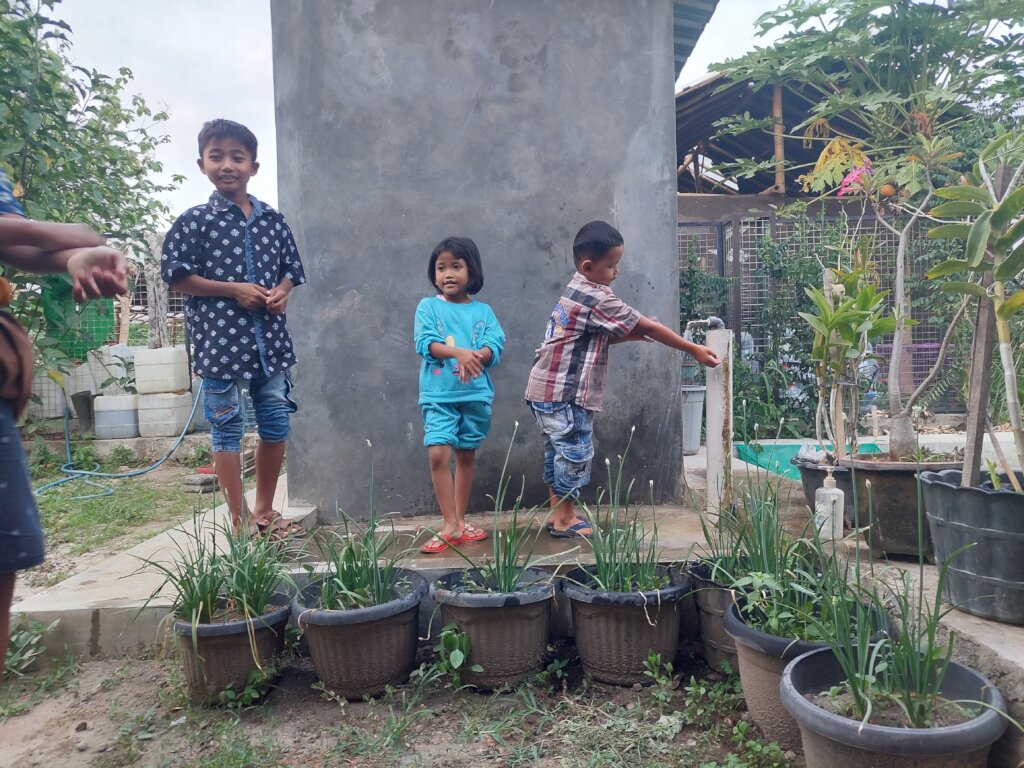
Across Indonesia, millions of children grow up in villages filled with resilience, culture, and potential. Yet for many of them, access to quality education remains uneven.
While urban schools often benefit from stronger infrastructure, digital connectivity, and well-resourced learning environments, rural schools frequently operate with limited facilities, fewer enrichment opportunities, and constrained support systems. The result is not a gap in talent—but a gap in access.
This rural education divide quietly shapes life trajectories.
In many rural households, economic vulnerability forces families to prioritize immediate survival over long-term educational investment. Parents may work long hours in agriculture or informal sectors, leaving limited time and capacity to supervise learning at home. Access to books, laboratories, and reliable internet remains restricted.
When access is unequal, opportunity becomes unequal.
And when opportunity is unequal, poverty persists.
Bridging Indonesia’s rural education gap requires more than temporary assistance. It requires structural solutions—formal, affordable, and skills-oriented education that equips rural youth with both academic foundations and practical competencies.
At Punthuk Sewu Learning Center, we are working to become that bridge.
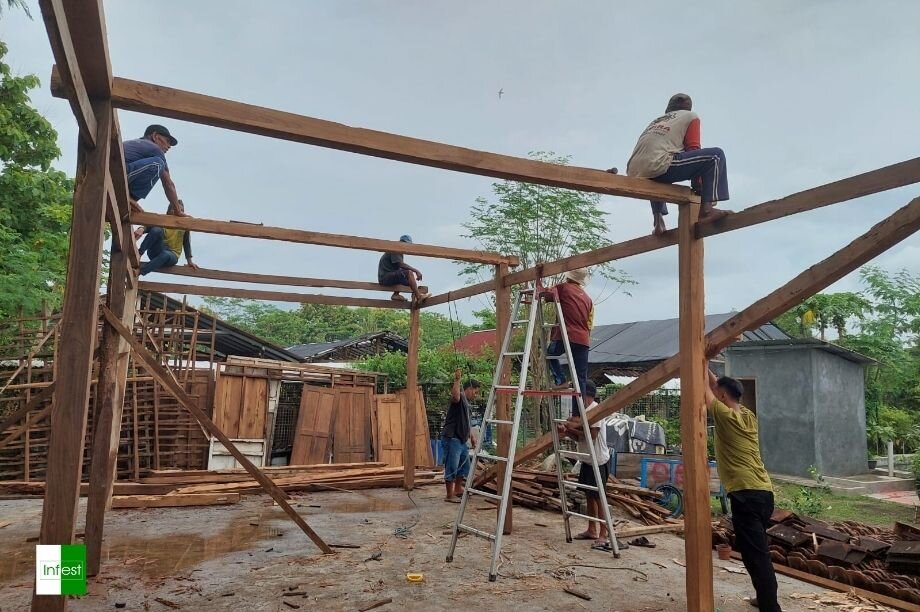
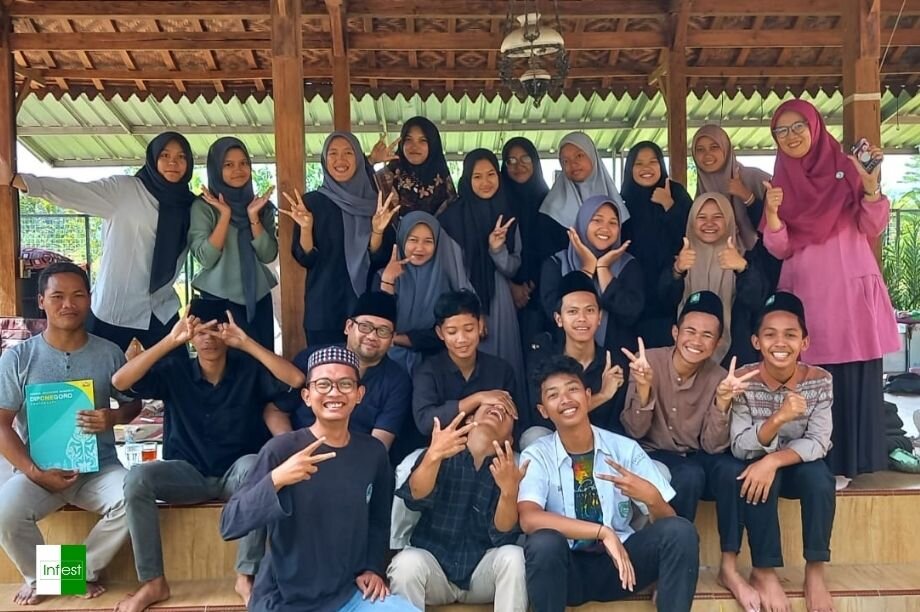
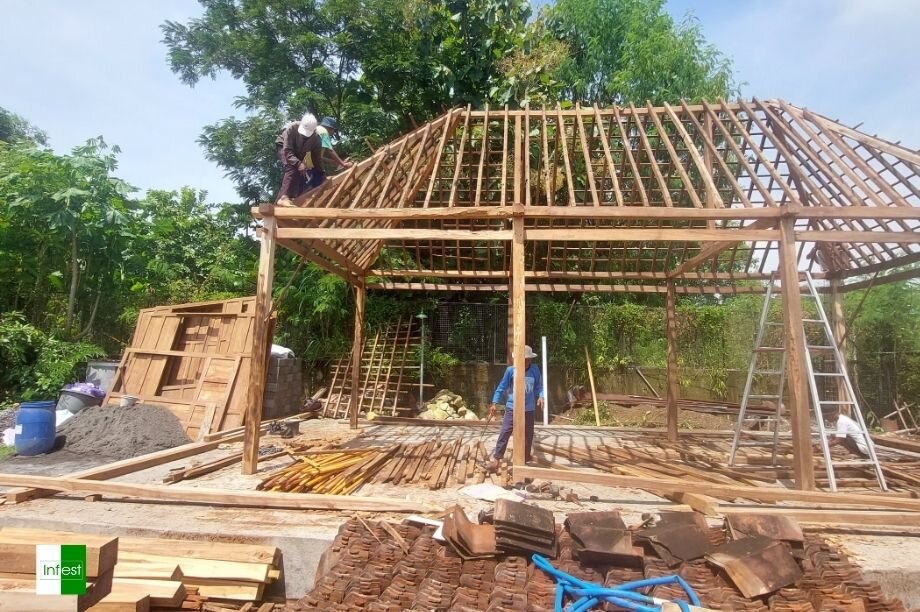
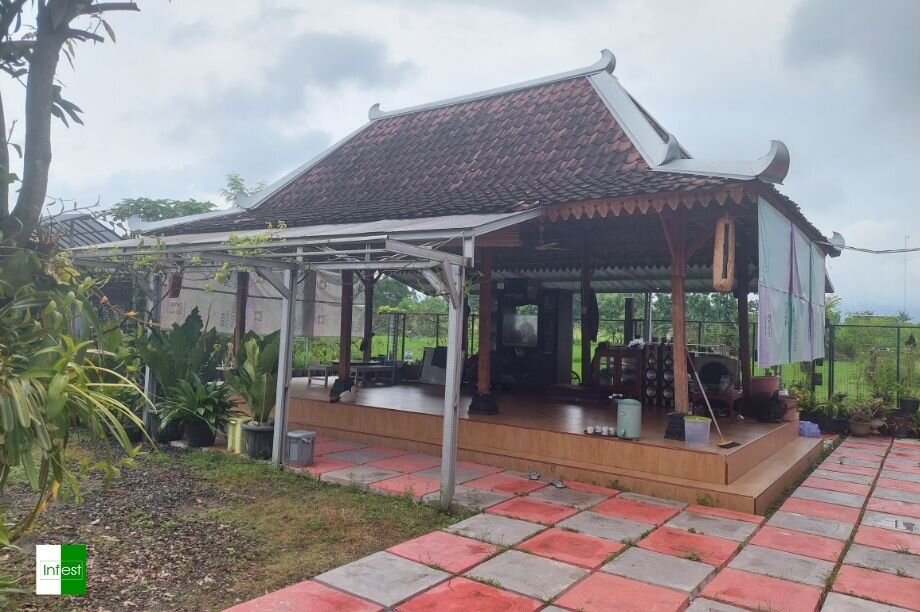
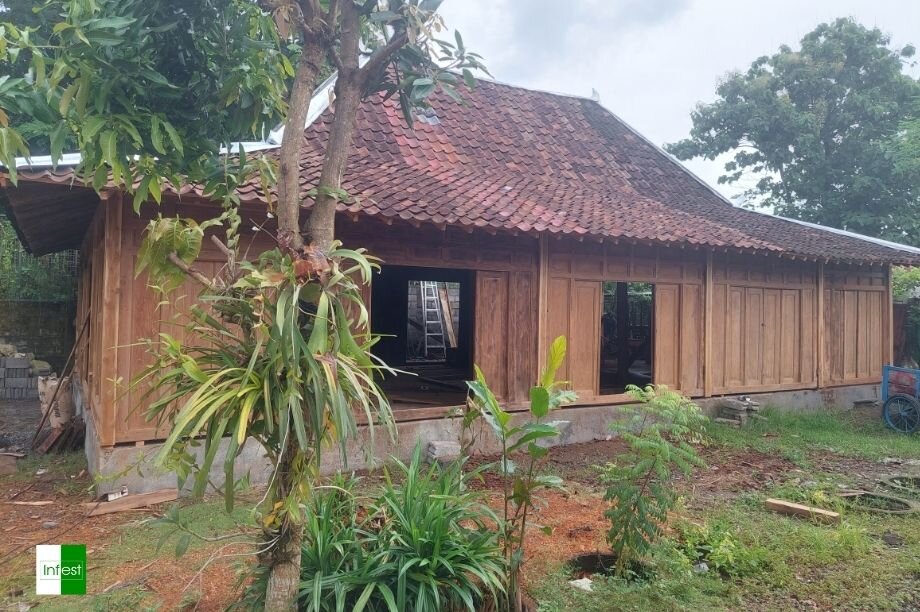
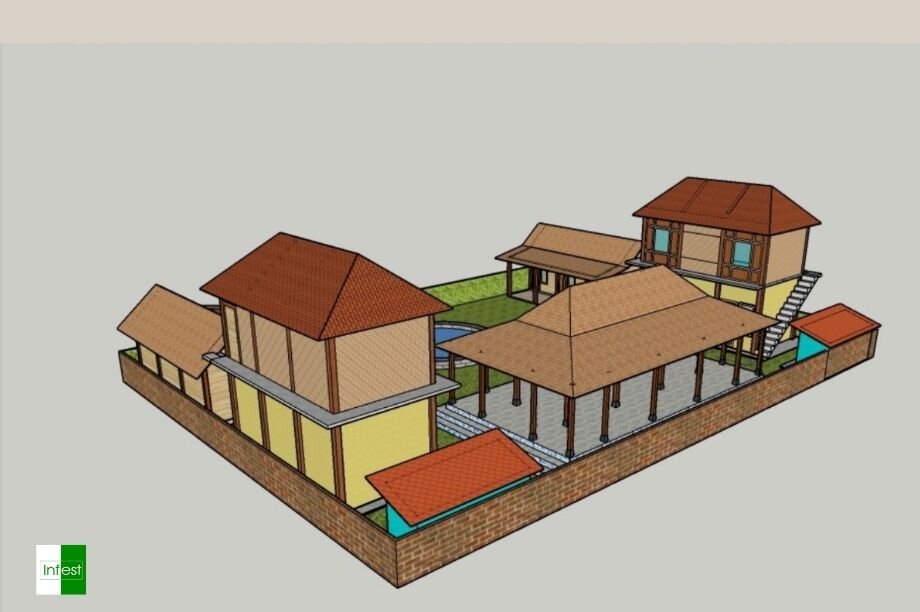
Our vision is to transform our current center into a formal Junior Secondary School and Vocational Training Center, integrating STEM education, agribusiness training, and character development within a supportive boarding model. By 2028, we aim to serve 400 students from underprivileged families.
This is not simply about expanding facilities.
It is about equalizing opportunity.
It is about restoring dignity.
It is about ensuring that where a child is born does not determine how far they can go.
Bridging Indonesia’s rural education gap means building a nation where every village child has a fair chance to learn, grow, and thrive.
And together, we can make that bridge strong enough to carry generations forward.