By Irsyadul Ibad | Project Leader
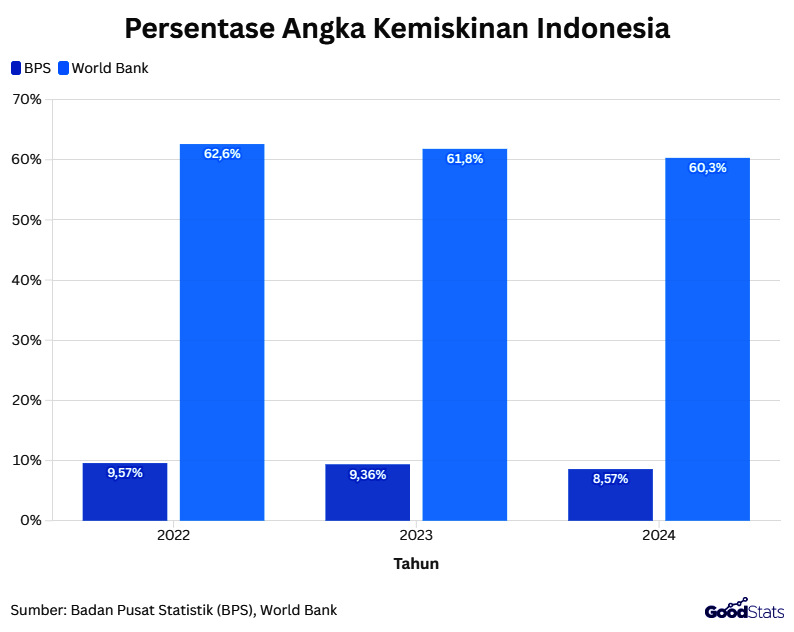
The public debate on poverty in Indonesia has resurfaced following the release of data from Statistics Indonesia (BPS) and the World Bank that appear contradictory. According to the World Bank's Macro Poverty Outlook, more than 60.3% of Indonesia's population—approximately 171.8 million people—live below the poverty line when measured by standards for upper-middle-income countries. In contrast, BPS reported that as of September 2024, the national poverty rate stood at only 8.57% (24.06 million people).
his stark difference is not a matter of data inconsistency; rather, it reflects distinct methodologies, purposes, and thresholds used to define what it means to be "poor."
The BPS Methodology: The Cost of Basic Needs Approach
BPS measures poverty using the Cost of Basic Needs (CBN) approach. Under this method, an individual is classified as poor if their consumption expenditure is insufficient to meet the minimum basic requirements, which consist of a food basket equivalent to 2,100 kilocalories per day and essential non-food needs, such as housing and health.
As of September 2024, the national Poverty Line was set at an average of IDR 595,243 per capita per month (approximately IDR 19,800 per day). This standard is tailored to Indonesia's local socio-economic context and fiscal capacity, primarily used for targeting domestic social assistance (Bansos).
The World Bank Approach: Global Living Standards
The World Bank applies International Poverty Lines based on Purchasing Power Parity (PPP) to enable cross-country comparisons. As an upper-middle-income country, Indonesia is benchmarked against a threshold of USD 6.85 per capita per day (2021 PPP). It is crucial to note that USD 6.85 in PPP terms represents the purchasing power equivalent of that amount in the United States. In Indonesia, this converts to approximately IDR 106,000 to IDR 129,000 per day. According to this global benchmark, 60.3% of the population falls below the poverty line, highlighting a vast segment of the "near-poor"—those who live just above the national poverty line but remain highly vulnerable to economic shocks.
Why do we Need Your Help?
The reality that over 170 million Indonesians live in economic vulnerability confirms that this challenge cannot be solved by the government alone. It requires broad participation and a focus on long-term structural solutions. Here is why your involvement is crucial:
How Can You Help Us?
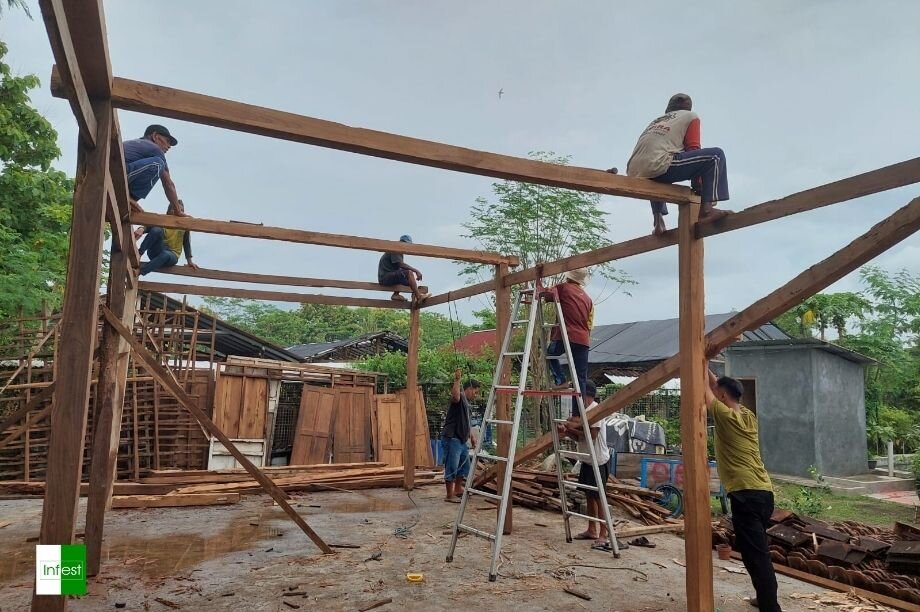
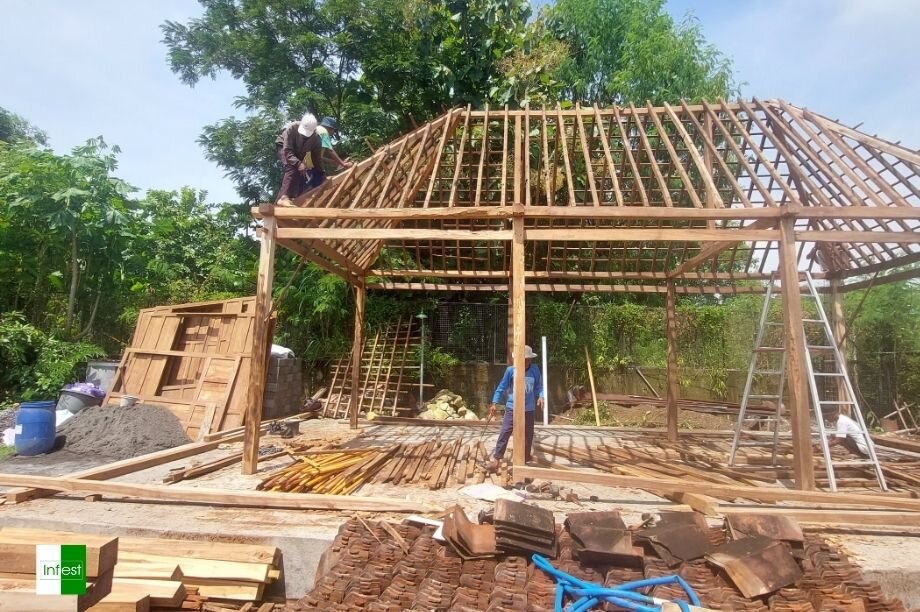
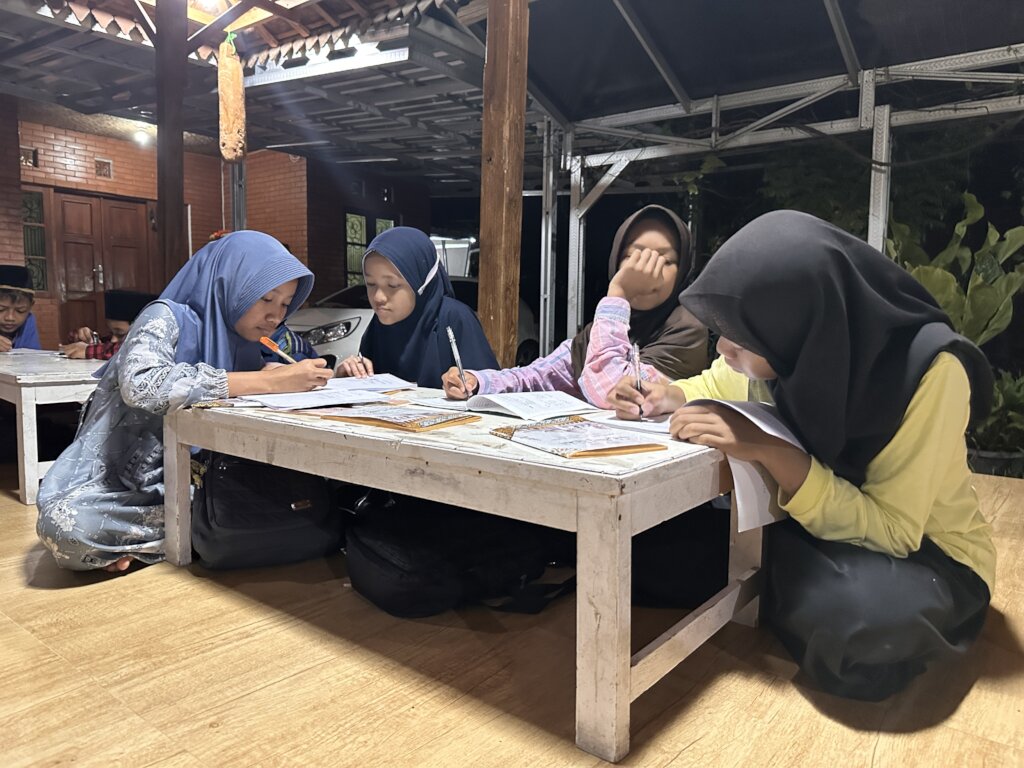
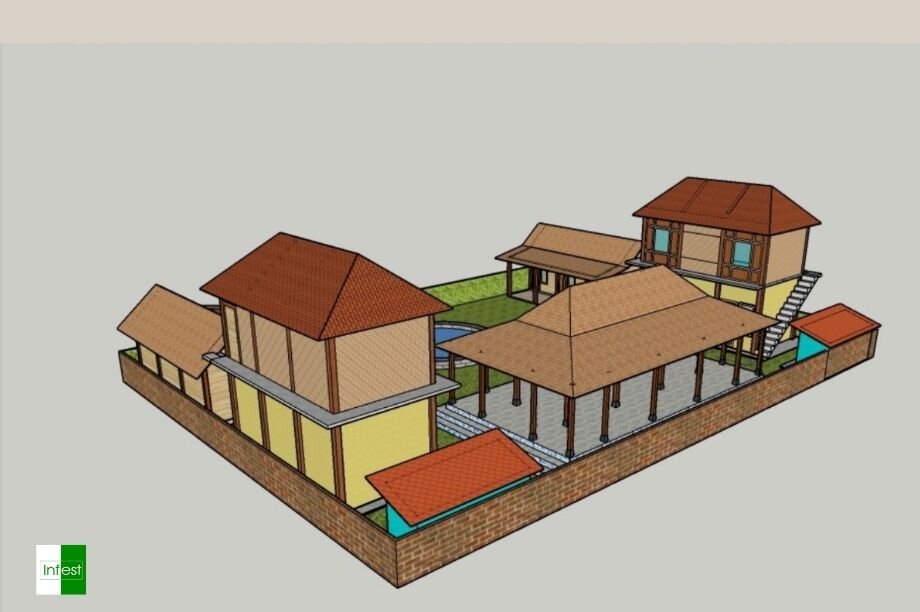
You can help us bring our vision to life. We are working to build a modern vocational school specifically designed to provide high-quality, relevant skills and entrepreneurship training to vulnerable communities. This institution will serve as a bridge, connecting marginalized youth to the modern economy and giving them the tools they need to build a better future.
By supporting this initiative, you are not just making a donation; you are investing in the structural transformation of Indonesia's future. Together, we can ensure that economic growth is inclusive and that every Indonesian has the opportunity to thrive.
Project reports on GlobalGiving are posted directly to globalgiving.org by Project Leaders as they are completed, generally every 3-4 months. To protect the integrity of these documents, GlobalGiving does not alter them; therefore you may find some language or formatting issues.
If you donate to this project or have donated to this project, you can receive an email when this project posts a report. You can also subscribe for reports without donating.



Support this important cause by creating a personalized fundraising page.
Start a Fundraiser