By Misbachul Munir | Project Staff
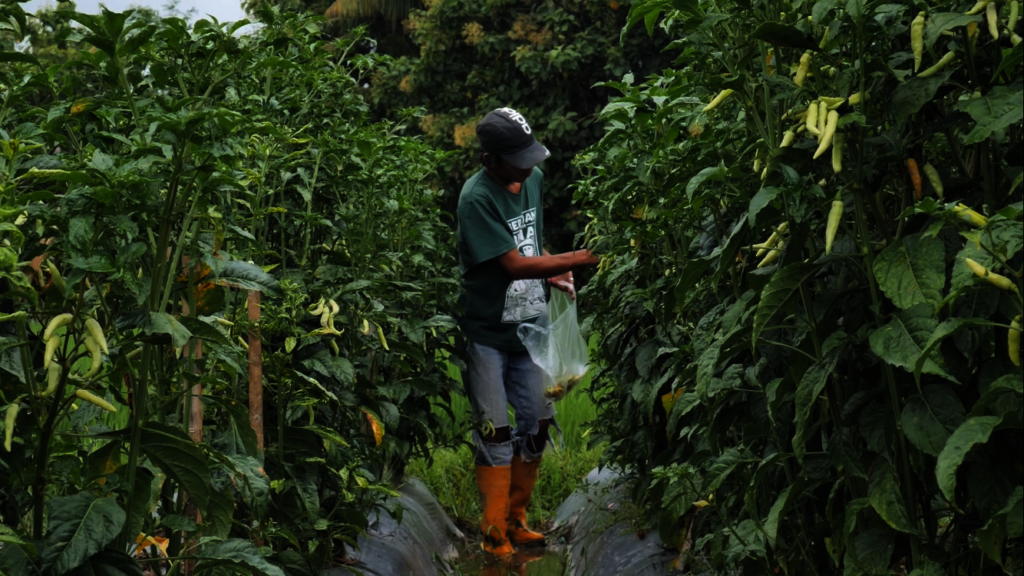
Agriculture is the backbone of Indonesia's economy and the last line of defence for national food security. Data from the Indonesian Central Statistics Agency (BPS) indicate that the agricultural sector contributed approximately 12.66% to the Gross Domestic Product (GDP) and employed around 28.54% of the national workforce in 2025, particularly in rural areas. Despite this strategic contribution, Indonesian agriculture faces serious structural challenges that threaten long-term food stability.
Structural Challenges: From Farmer Poverty to Land Conversion
Although Indonesia has more than 27.3 million agricultural households (as per the BPS Agricultural Census), the welfare of farmers remains deeply concerning. Farmer poverty is a structural issue driven by high production costs, limited access to finance, and weak bargaining power within agricultural value chains. Numerous studies show that the largest share of profits is captured by downstream actors, while primary producers remain trapped in narrow margins. As a result, agriculture is increasingly perceived as an unattractive livelihood, especially among younger generations.
These challenges are compounded by the ongoing conversion of agricultural land into other uses. Reports from the Ministry of Agriculture indicate a continuous decline in rice field areas due to conversion into industrial zones, housing, and infrastructure. If not strictly regulated, land conversion will reduce Indonesia's national food production capacity and increase its reliance on imports, exposing the country to global price volatility and food crises.
Climate Crisis and Food Safety
Climate change acts as a risk multiplier for the agricultural sector. Reports from the Food and Agriculture Organization (FAO) highlight that rising temperatures, changing rainfall patterns, and increasingly frequent extreme weather events directly affect staple food crops, particularly rice. Studies using the FAO AquaCrop model demonstrate potential declines in productivity during certain planting seasons, underscoring the urgency of science-based and data-driven adaptation strategies.
At the same time, long-term dependence on synthetic fertilisers and pesticides to pursue short-term yield gains has led to soil fertility degradation and increased risks of chemical residues in food products. This situation poses a threat not only to agricultural sustainability but also to food safety and public health.
Strategic Solutions: Sustainable Agriculture and Diversification
In response to these complex challenges, Indonesia's agricultural transformation must be oriented toward sustainable approaches. Agroecology and organic farming provide strategic alternatives to reduce dependency on synthetic inputs, restore soil health, and rebalance ecosystems. In parallel, crop diversification is essential to reduce reliance on single commodities, curb food imports, and stabilise national food supplies amid global economic uncertainty.
The Key Factor: Upgrading Farmers' Capacity
Policy reforms and technological innovation will not succeed without strengthening human capital. Farmer capacity building must go beyond technical training and aim to transform farmers into agropreneurs. This situation includes improving digital literacy so farmers can utilise precision agriculture technologies and direct marketing platforms; strengthening entrepreneurial skills to assess risks, calculate returns on investment (ROI), and create value-added products; and promoting farmer regeneration by building modern, innovative, and inclusive agricultural ecosystems that attract younger generations.
Field-Based Climate Adaptation Strategies
Climate adaptation must be translated into concrete, field-level practices. These include adjusting planting calendars using real-time climate data to minimise crop failure risks, strengthening water infrastructure through reservoirs and climate-smart irrigation systems, and adopting climate-resilient crop varieties capable of withstanding floods and prolonged droughts.
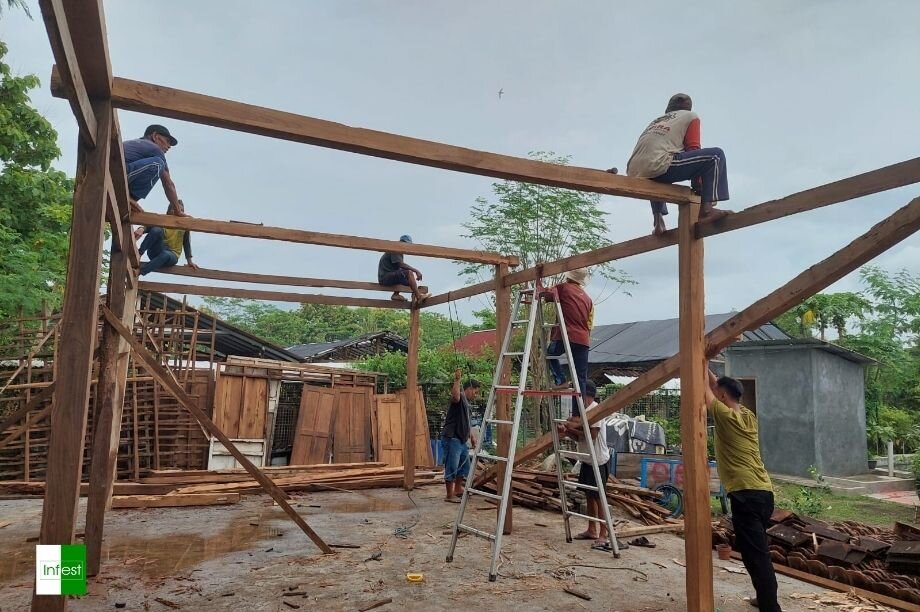
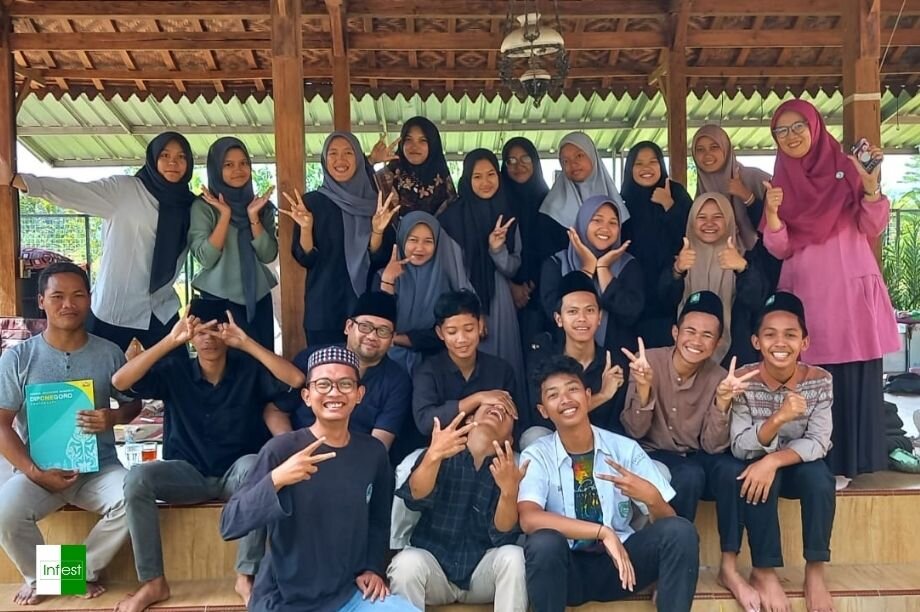
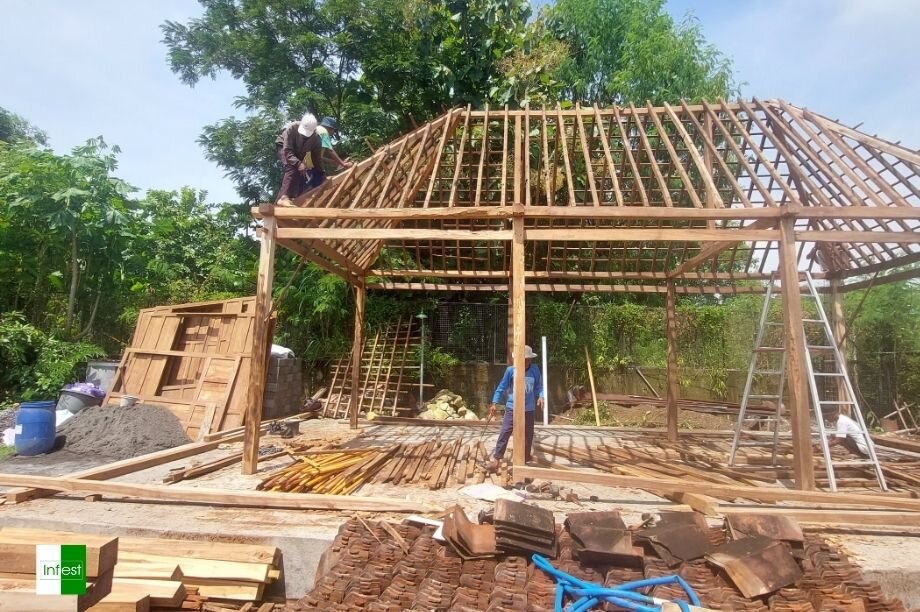
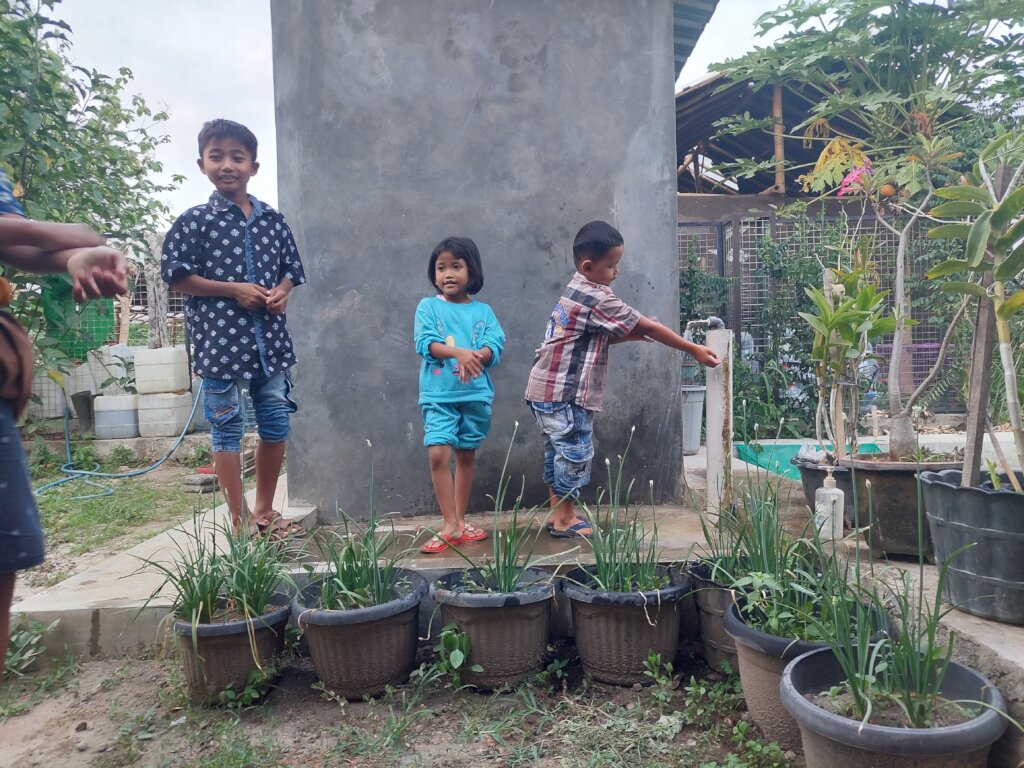
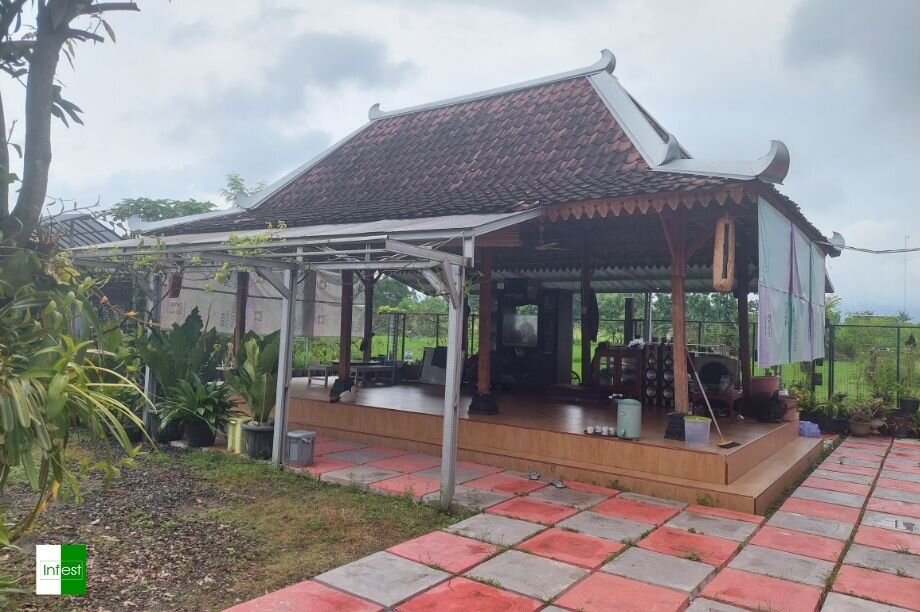
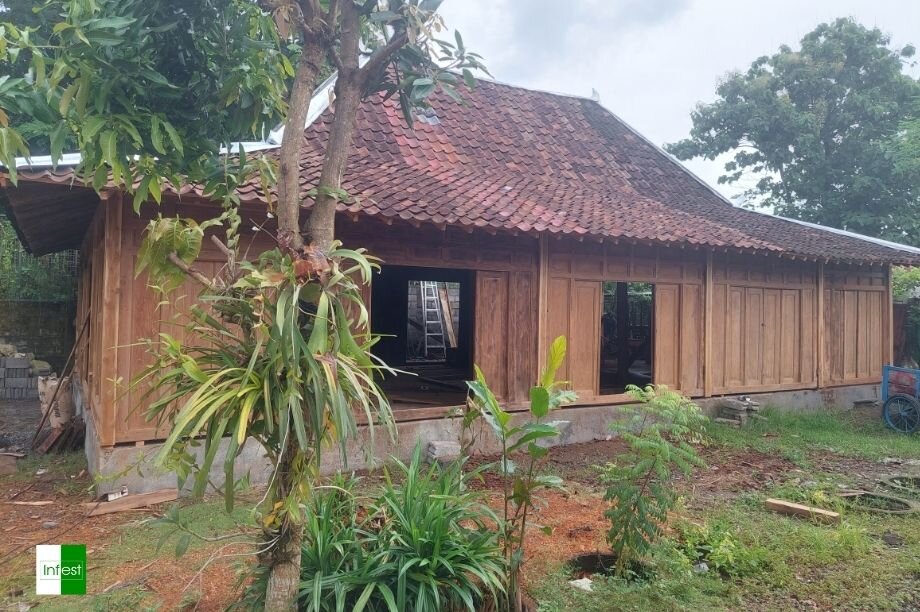
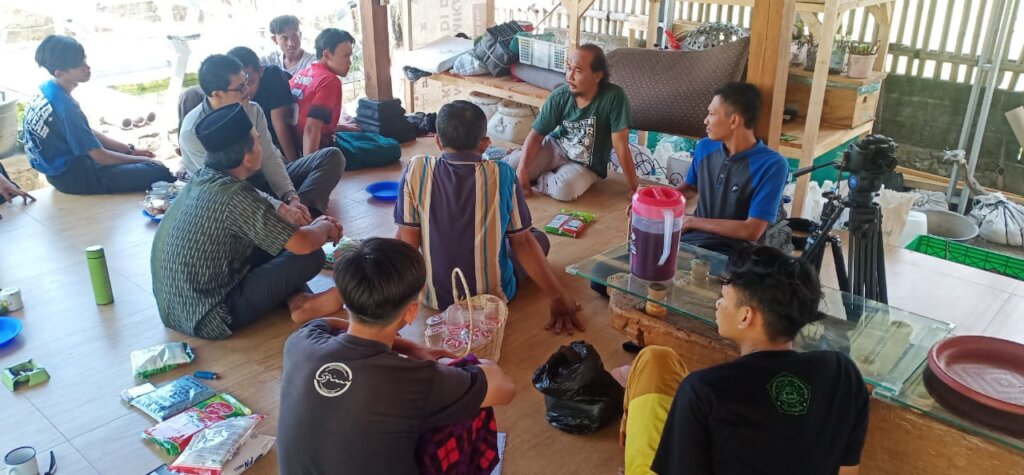
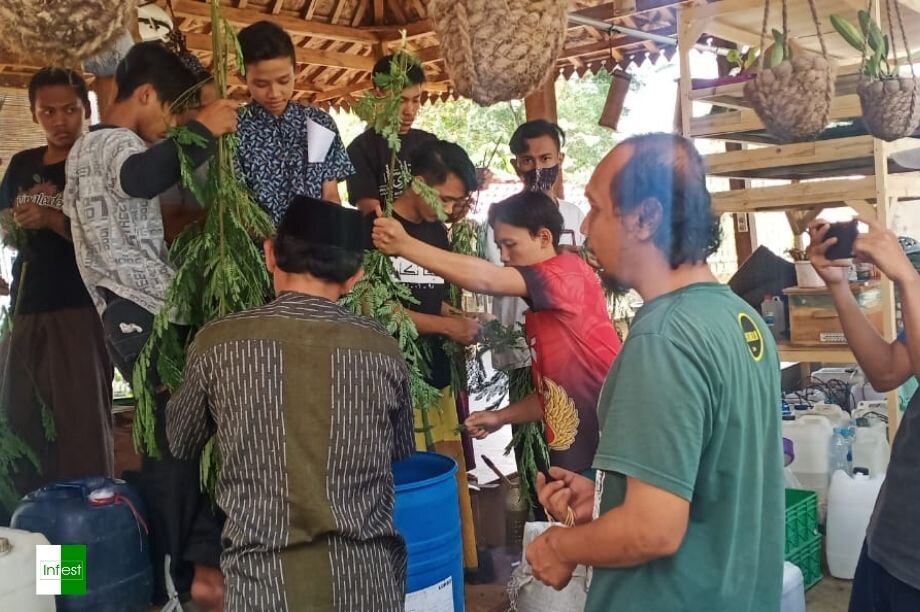
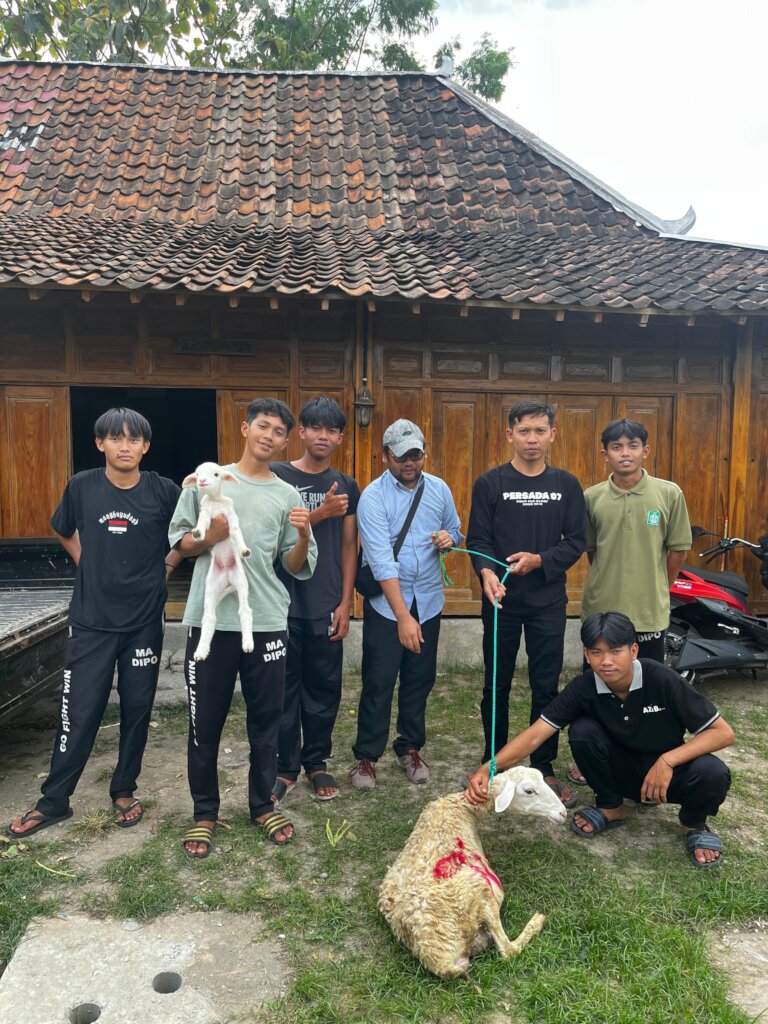
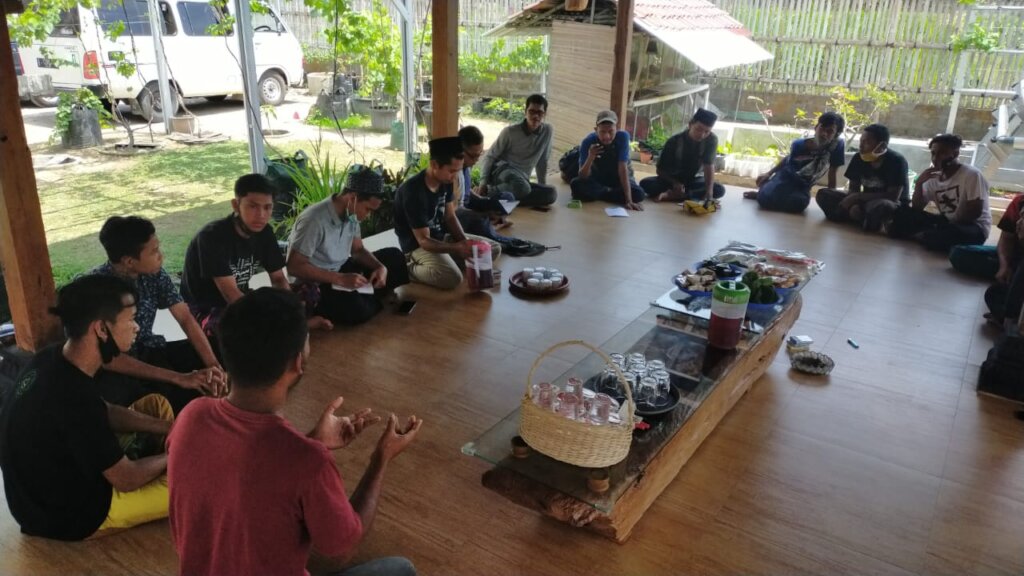
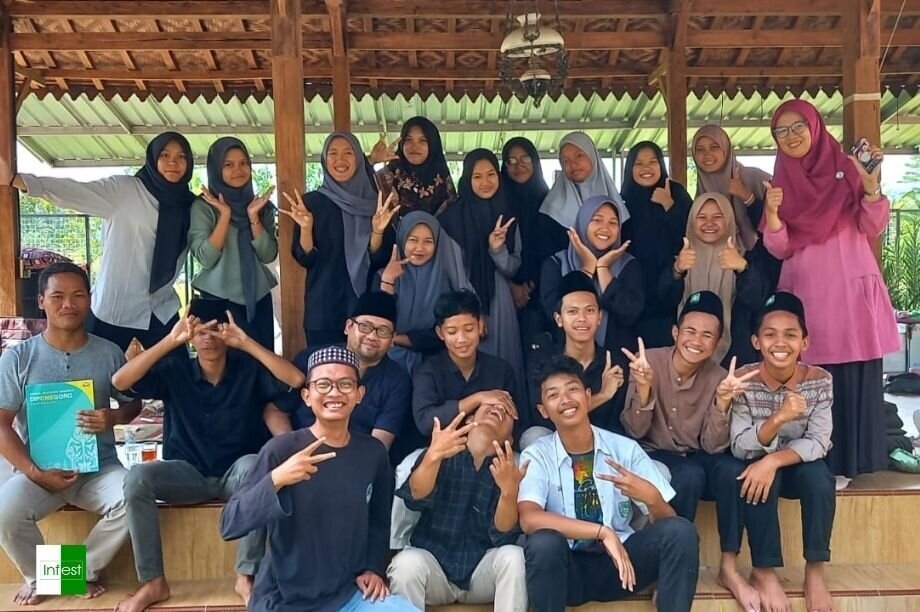
The Punthuk Sewu Initiative: Community-Level Transformation in Practice. Within this broader transformation agenda, the Punthuk Sewu Initiative represents a concrete, community-based response to the challenges facing Indonesian agriculture. The initiative is an integrated effort to build food sovereignty, sustainable agriculture, and rural economic empowerment through vocational education and hands-on practice.
Why Is an Eco Vocational School Needed?
Indonesia's agricultural challenges are not only structural and environmental, but also educational and generational. While agriculture employs a large share of the workforce, access to relevant, practice-oriented, and sustainable agricultural education remains limited—especially for rural youth and economically disadvantaged communities. Formal education pathways often fail to equip learners with the practical skills, entrepreneurial mindset, and ecological awareness required to navigate today's complex food systems.
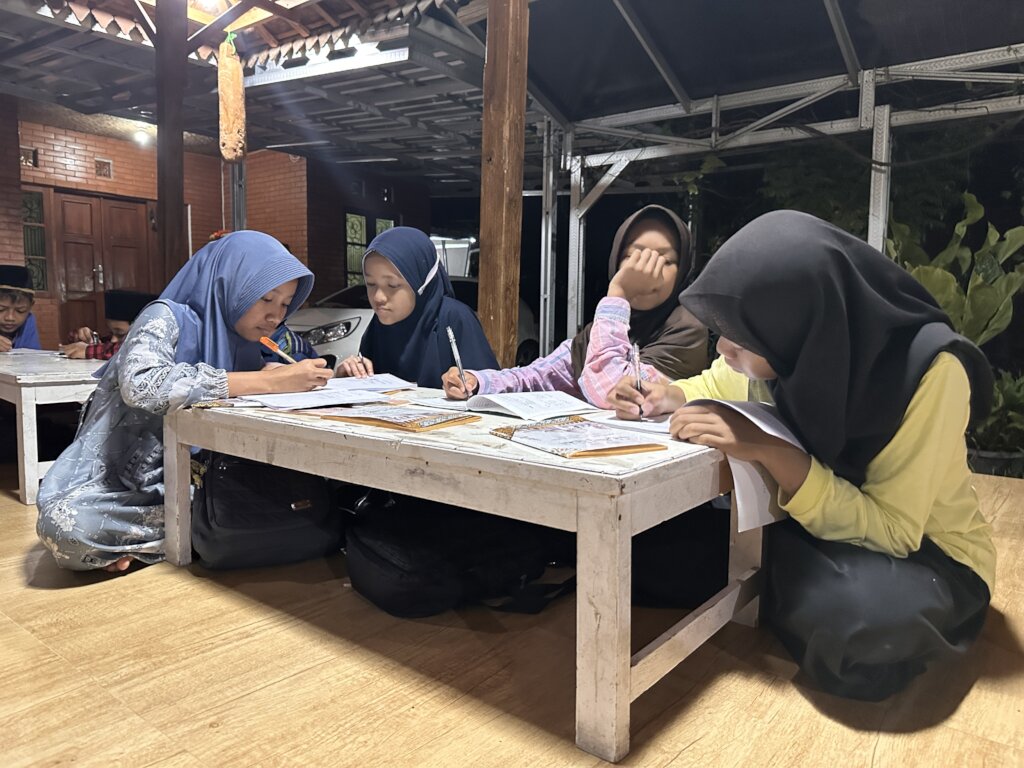
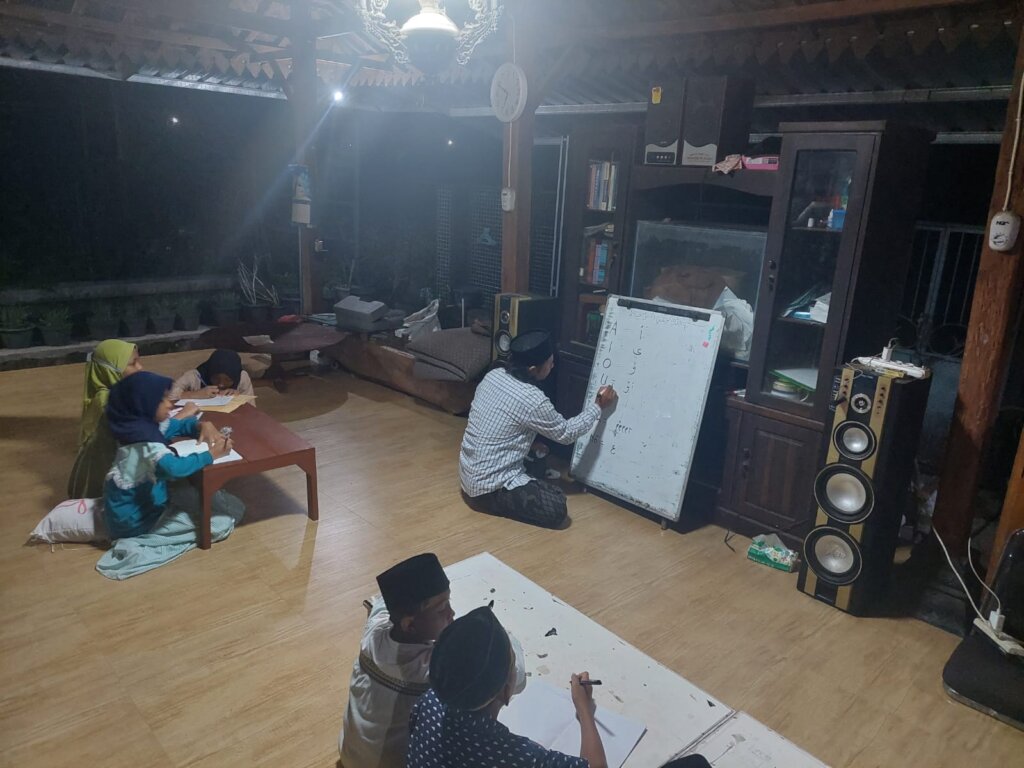
Punthuk Sewu eco-vocational school addresses this gap by integrating technical skills, environmental sustainability, and livelihood-oriented education into a unified learning ecosystem. Unlike conventional vocational training, eco-vocational education emphasizes hands-on learning, circular economy principles, and climate-resilient agriculture, ensuring that graduates are not only employable but also capable of building sustainable livelihoods within their own communities.
Moreover, the lack of attractive and future-oriented education in rural areas has contributed to the decline of young people entering agriculture, accelerating farmer ageing and threatening long-term food sovereignty. An eco vocational school helps reverse this trend by repositioning agriculture as a modern, innovative, and dignified profession—one that combines technology, entrepreneurship, and environmental stewardship.
Ultimately, eco-vocational schools play a crucial role in inclusive development. By targeting underserved and low-income groups, they expand access to quality education, reduce rural inequality, and strengthen local food systems. In the long run, investing in eco-vocational education is not merely an educational intervention but a strategic investment in food security, climate resilience, and sustainable rural economies.
Building food sovereignty is not merely a matter of increasing production, but a collective effort to strengthen farmer autonomy, protect productive land, and adapt to climate change. With farmer-centred policies, inclusive technological innovation, and a strong commitment to sustainable agricultural practices, Indonesia's agricultural sector has the potential to become a resilient pillar of national food sovereignty and economic independence in the future.
Project reports on GlobalGiving are posted directly to globalgiving.org by Project Leaders as they are completed, generally every 3-4 months. To protect the integrity of these documents, GlobalGiving does not alter them; therefore you may find some language or formatting issues.
If you donate to this project or have donated to this project, you can receive an email when this project posts a report. You can also subscribe for reports without donating.



Support this important cause by creating a personalized fundraising page.
Start a Fundraiser