By Misbachul Munir | Project Staff
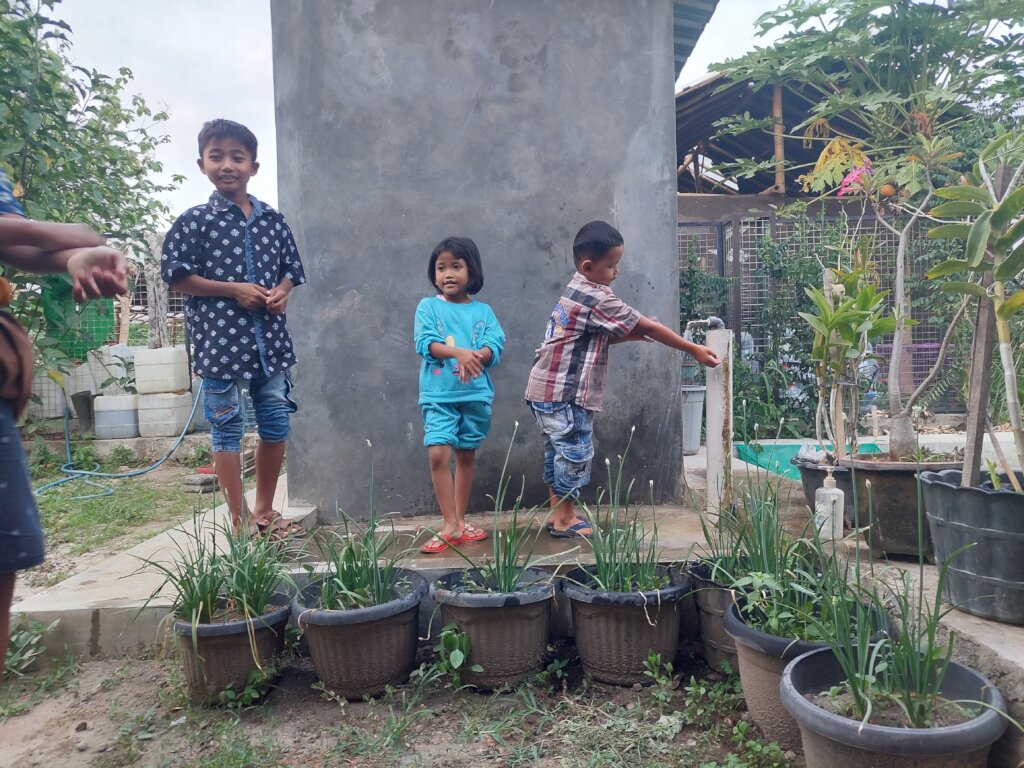
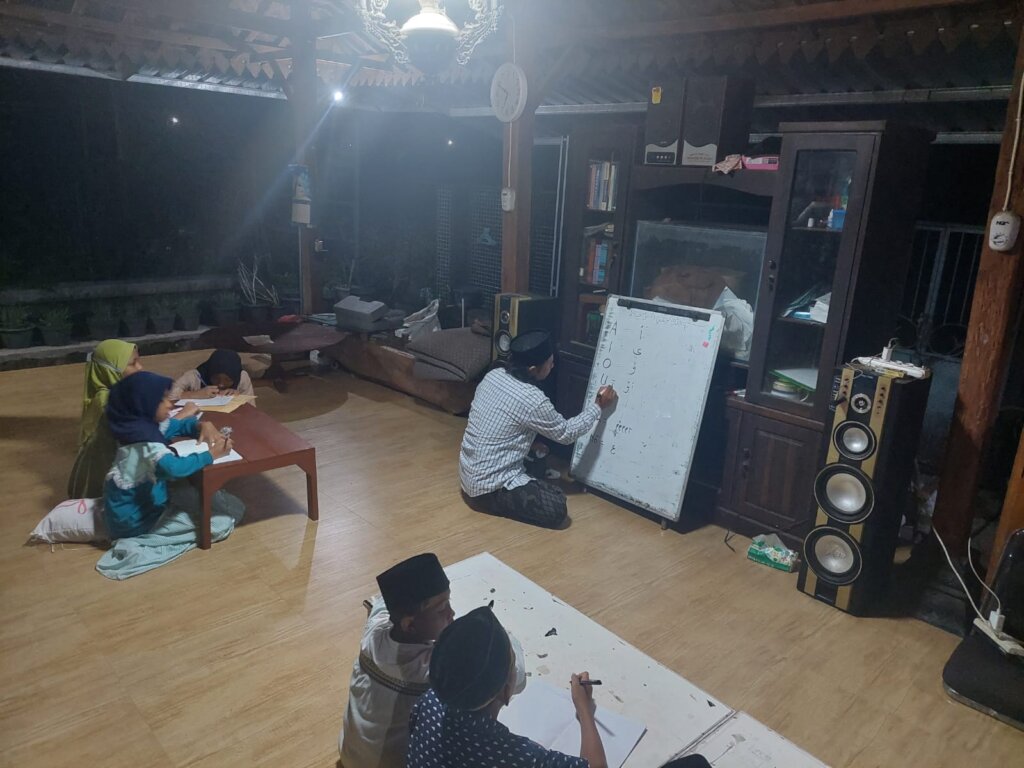
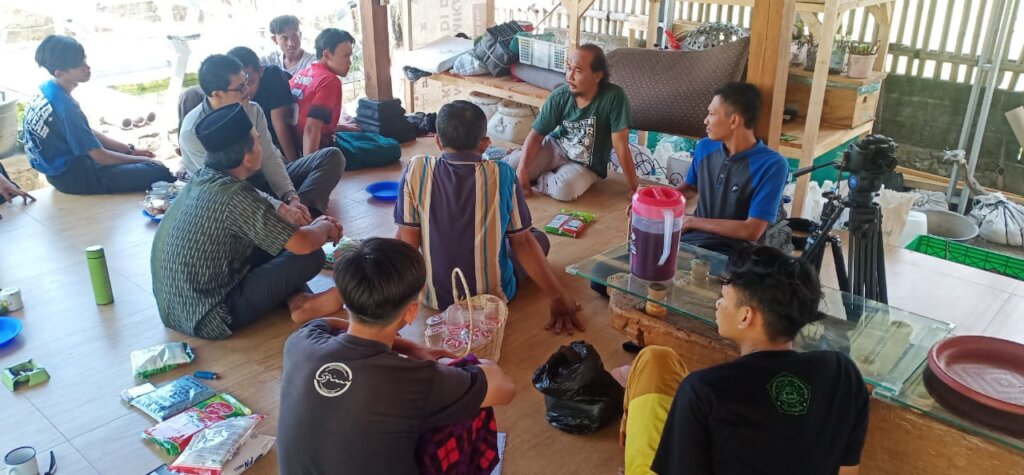
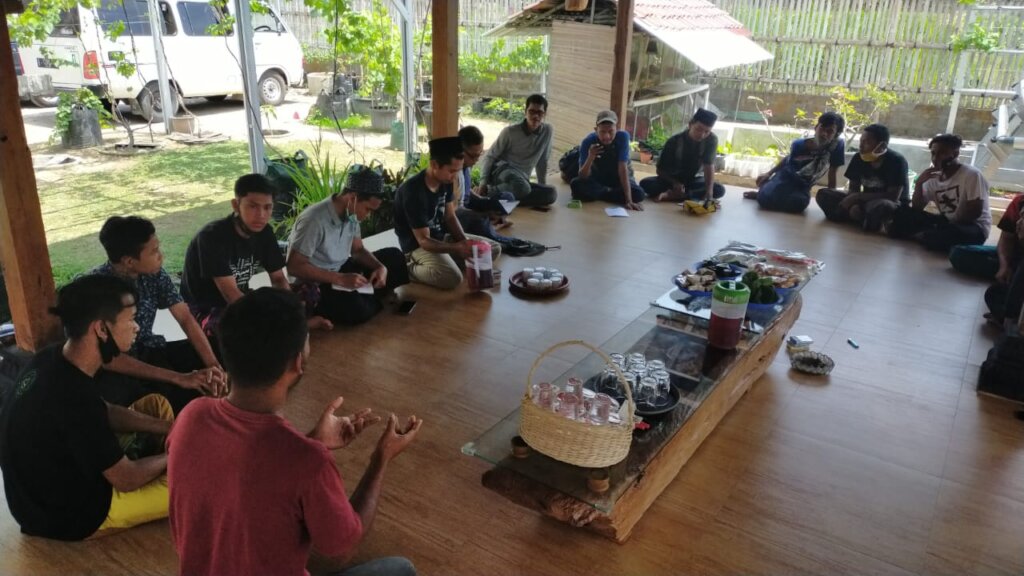
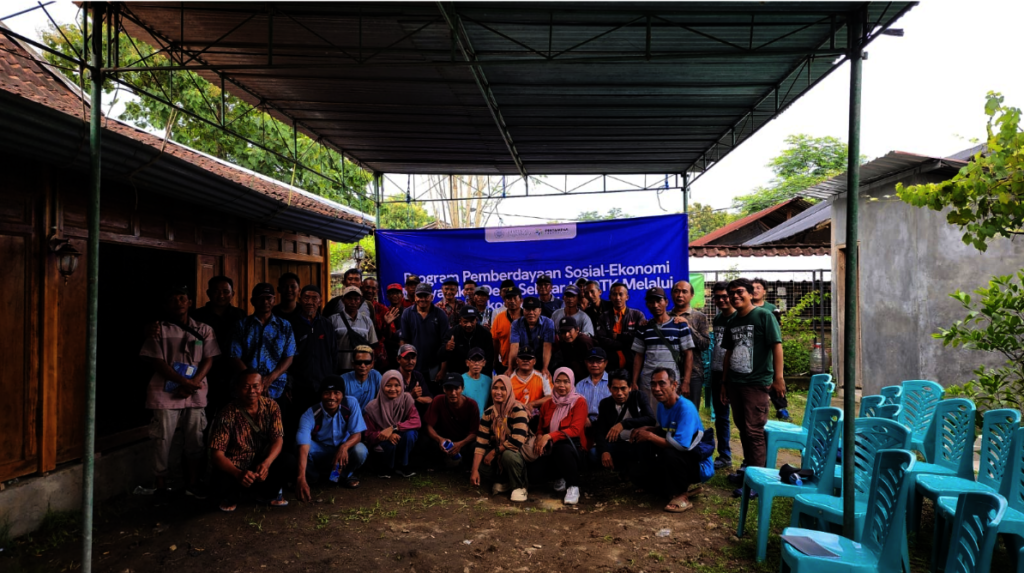
Two farmer communities from two villages in Blora Regency, Central Java, and Ngawi Regency, East Java, participated in a training on circular economy approaches in agriculture and livestock management on Friday (25/4/2025). The training aimed to strengthen the capacity of farmers from Mendenrejo Village (Blora) and Pitu Village (Ngawi) to adopt sustainable agricultural practices while supporting forest reforestation efforts in both areas.
The activity was conducted in collaboration with the Faculty of Social and Political Sciences, Universitas Gadjah Mada, and brought together 40 participants from forest-dependent farming communities who are beneficiaries of Universitas Gadjah Mada’s community empowerment programs. Despite differences in local contexts, participants from both provinces face similar challenges related to sustainable livelihoods and forest management.
During the training, participants learned about the application of circular economy principles to sustainable agriculture, as well as livestock business management as a strategy for strengthening local economic empowerment. These two components were designed to mutually reinforce community empowerment initiatives and forest restoration programs in both regencies.
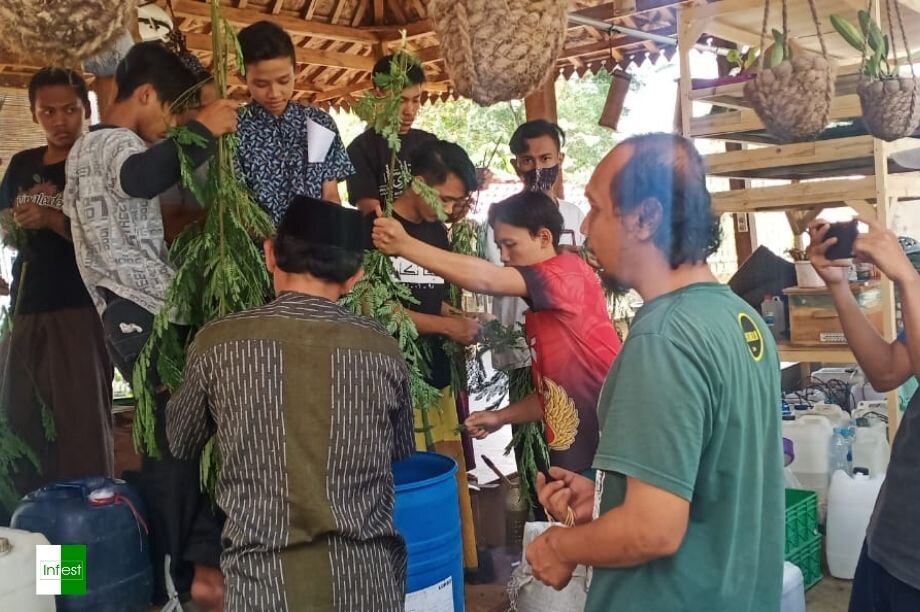
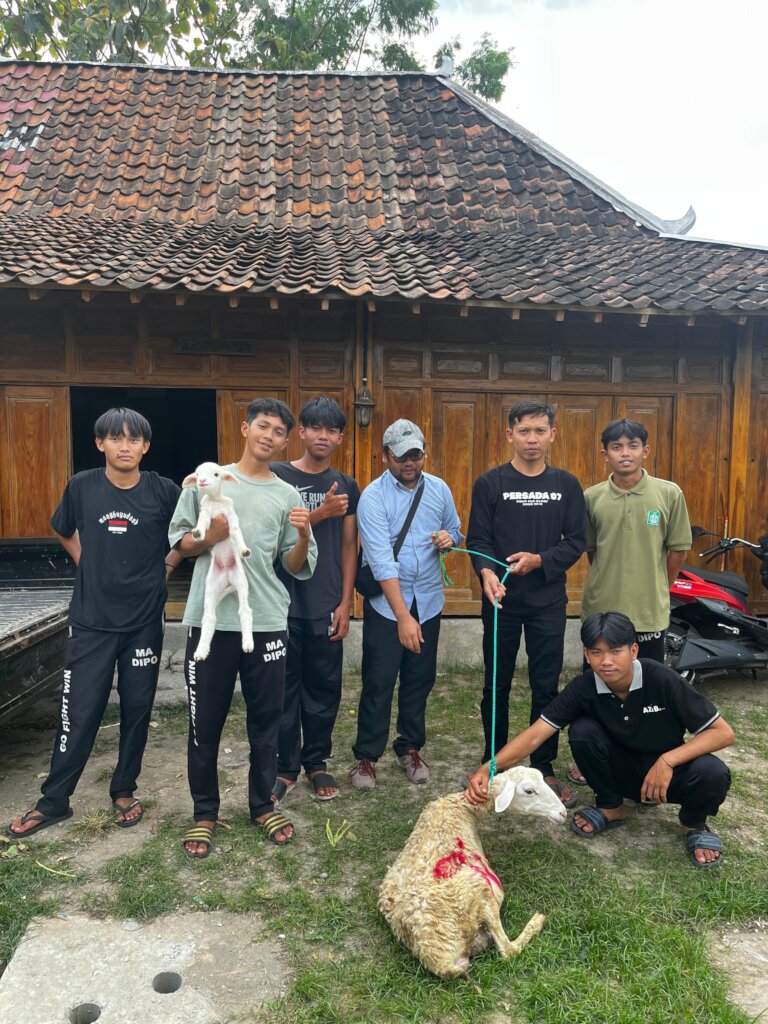
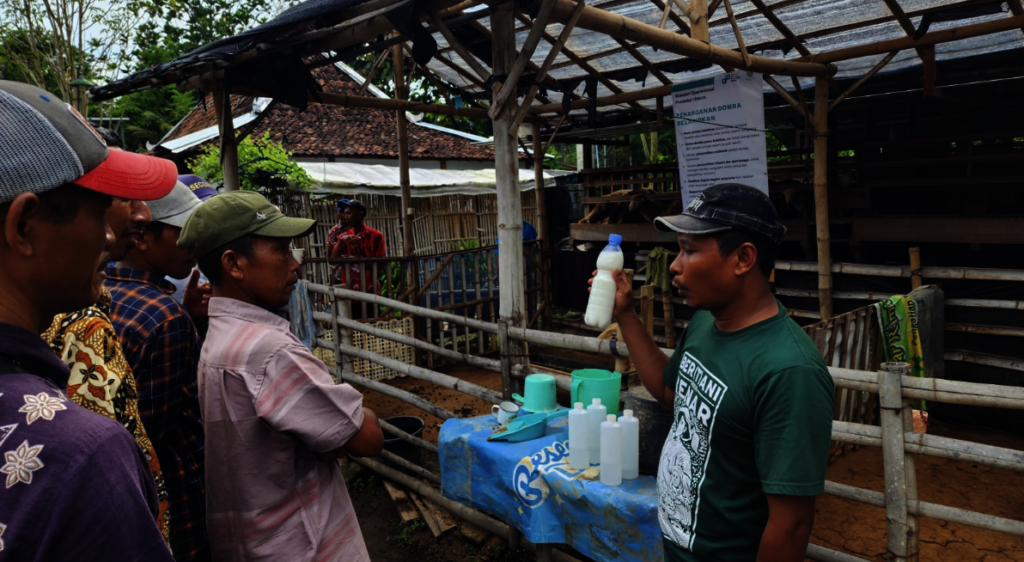
Participants received theoretical sessions on the importance of the circular economy in increasing agricultural productivity while maintaining environmental sustainability. In addition, they engaged in hands-on practice in livestock management, including feed development, animal health management, and livestock waste processing, enabling the reuse of agricultural and livestock by-products to support sustainable farming systems.
The training also introduced agroforestry concepts that integrate forest conservation with modern agricultural practices. This approach aims to enhance forest land cover while maintaining economic opportunities for local communities that manage the land.
Through this initiative, farming and livestock communities in Blora and Ngawi are expected to be better equipped to develop sustainable, economically viable agricultural systems that contribute directly to community empowerment and long-term restoration of the local forest ecosystem.
----------------------
How Your Donation Makes a Difference
Your support and donations enable Yayasan INFEST to continue developing a formal vocational education institution that provides access to education for underserved and economically disadvantaged groups in Indonesia. Your contribution helps us expand formal education pathways, enabling more young people to acquire practical skills, enhance their livelihoods, and access better opportunities for the future.
Through your generosity, we can strengthen institutional capacity, develop learning infrastructure, and ensure that education remains inclusive and accessible. Every donation—large or small—helps us maintain momentum, nurture hope, and transform long-term commitments into tangible educational impact.
What We Are Building
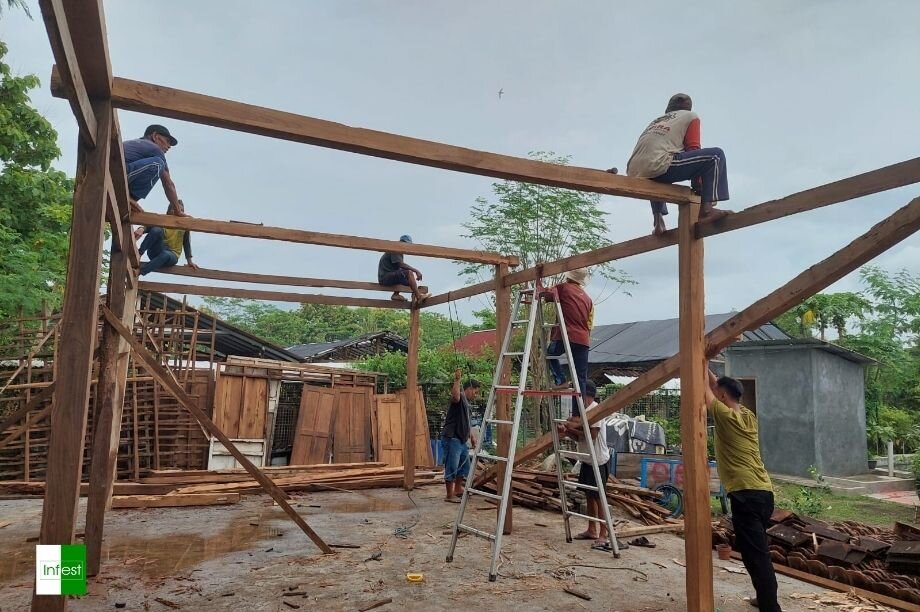
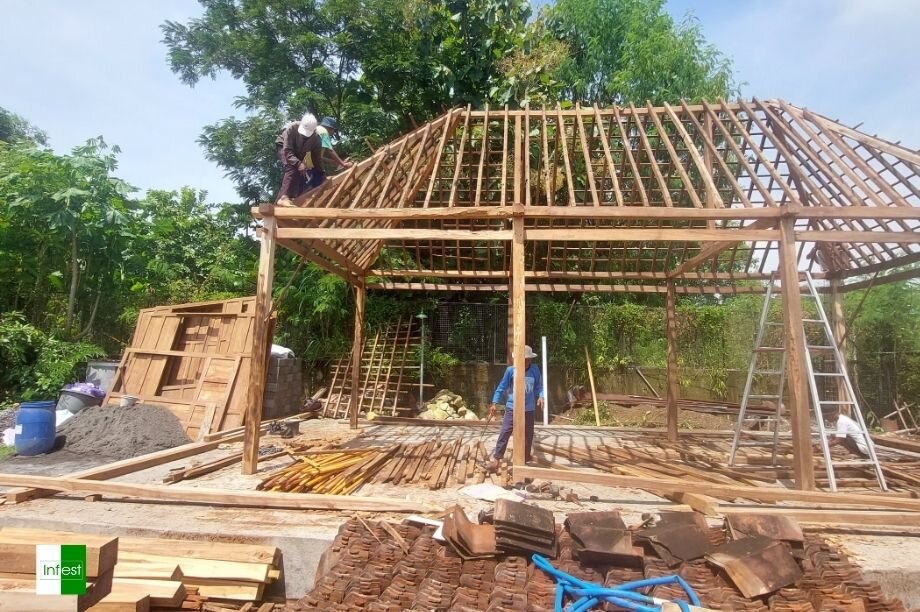
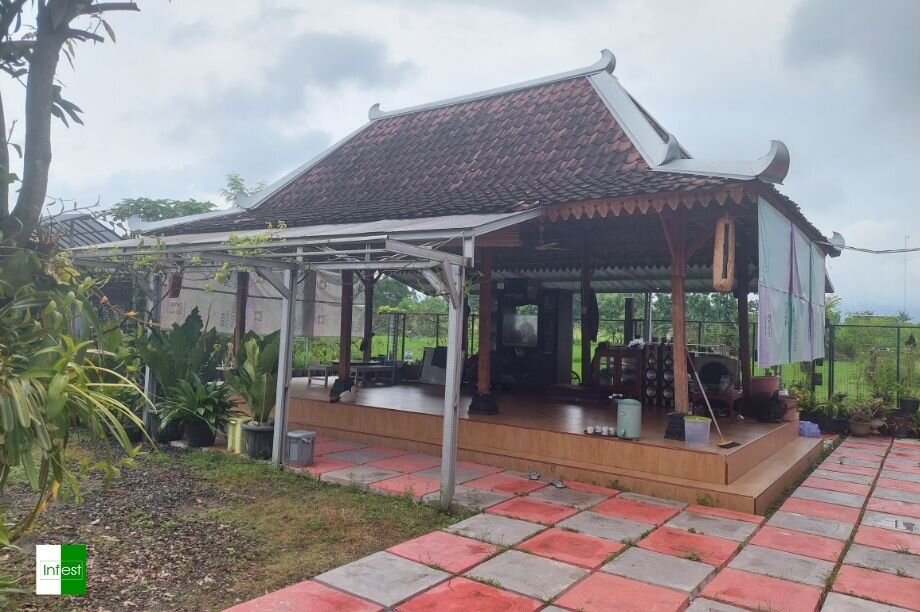
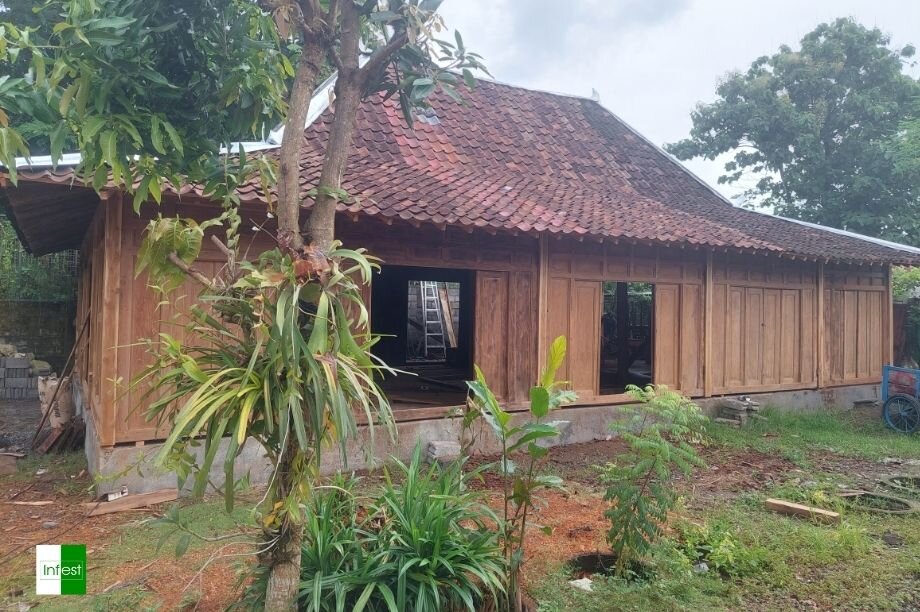
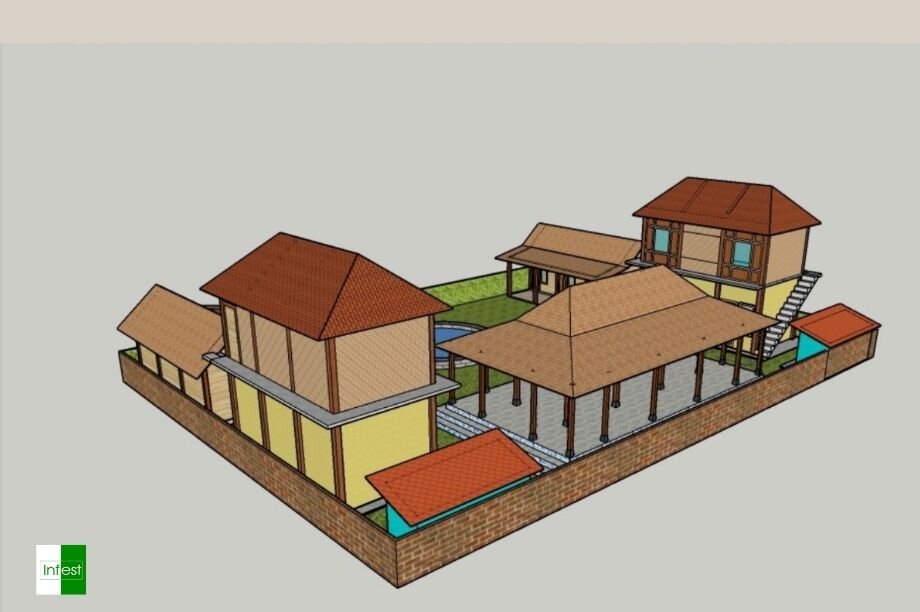
Donations received during 2025–2026 will be prioritised to support the development of key facilities and infrastructure for our vocational education programme, including:
Through these efforts, Yayasan INFEST aims to build an inclusive, sustainable, and impactful vocational education ecosystem that equips learners with skills for the future while fostering dignity, resilience, and opportunity.
Project reports on GlobalGiving are posted directly to globalgiving.org by Project Leaders as they are completed, generally every 3-4 months. To protect the integrity of these documents, GlobalGiving does not alter them; therefore you may find some language or formatting issues.
If you donate to this project or have donated to this project, you can receive an email when this project posts a report. You can also subscribe for reports without donating.



Support this important cause by creating a personalized fundraising page.
Start a Fundraiser