By Miscbachul Munir | Project Staff
Indonesia is a nation built upon diversity of ethnicity, religion, culture, language, and social backgrounds. This diversity represents both a strength and a challenge, as social harmony can only be sustained when communities uphold tolerance, mutual respect for differences, and equality before the law. In Indonesia, these shared values are articulated and embodied in the national philosophy known as Pancasila.
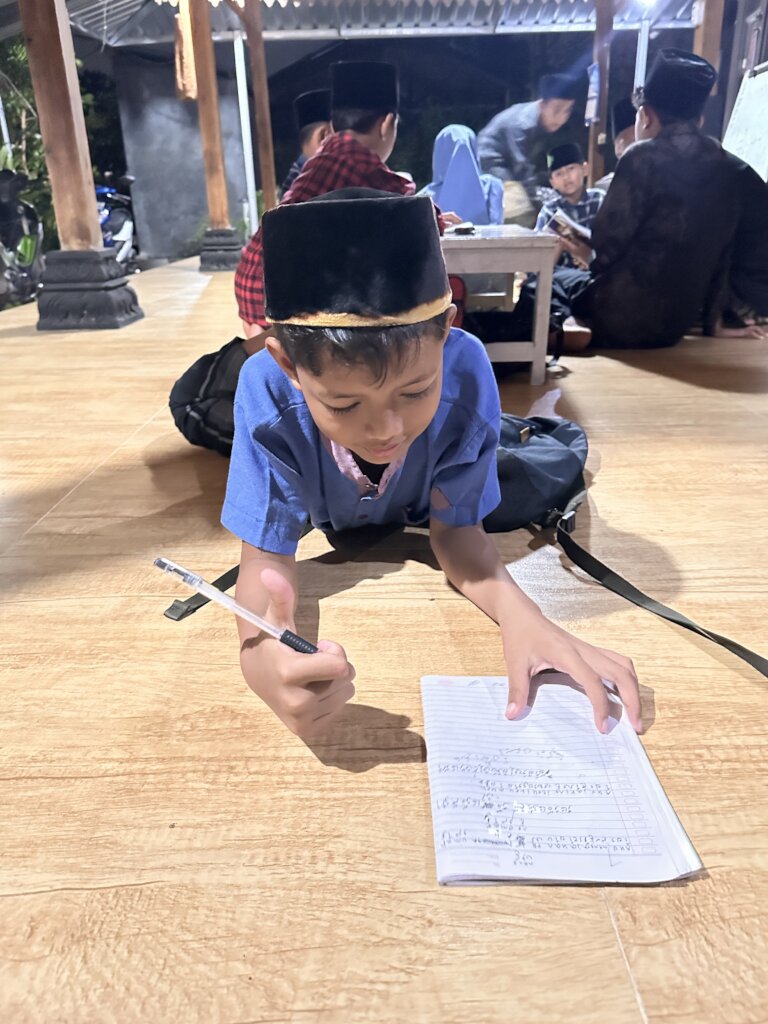
Humanitarian and national values do not develop automatically. They must be introduced, experienced, and practiced from an early age. Children need early education that helps them understand diversity as a natural part of social life and equips them with the ability to live together peacefully without prejudice, discrimination, or violence.
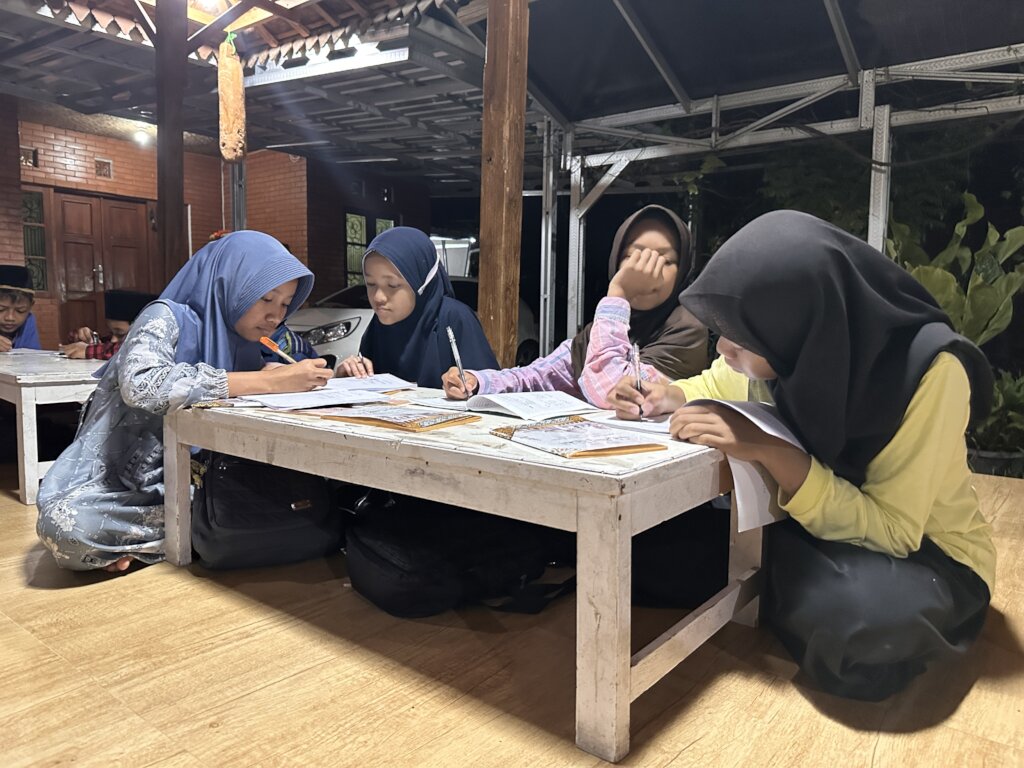
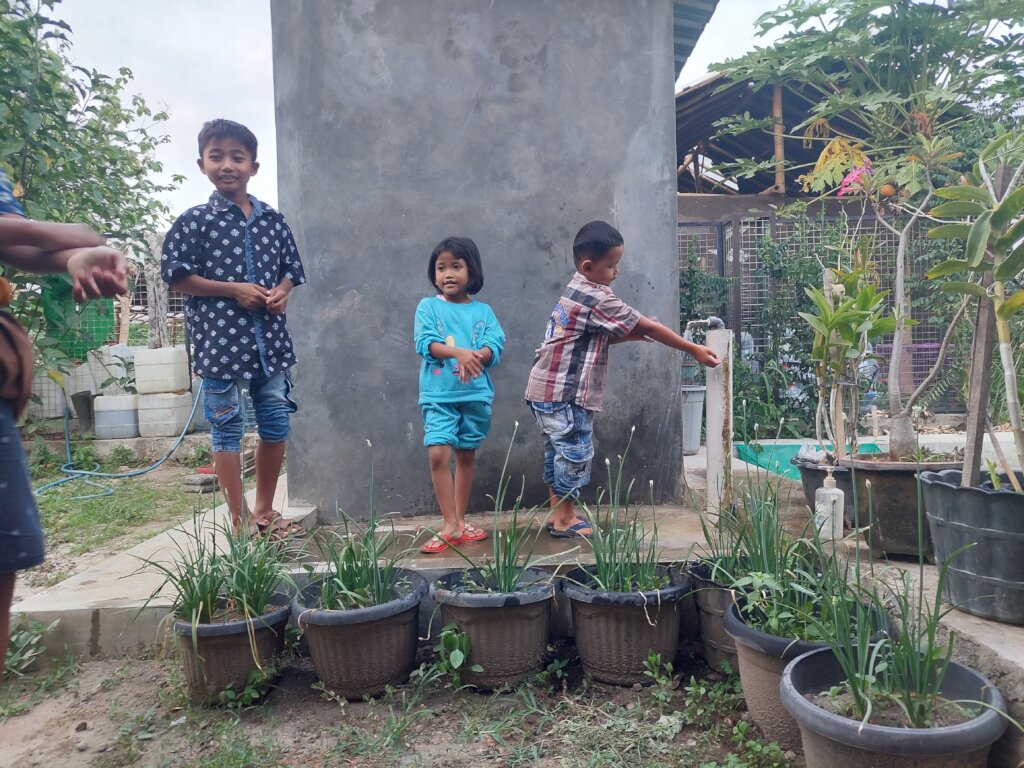
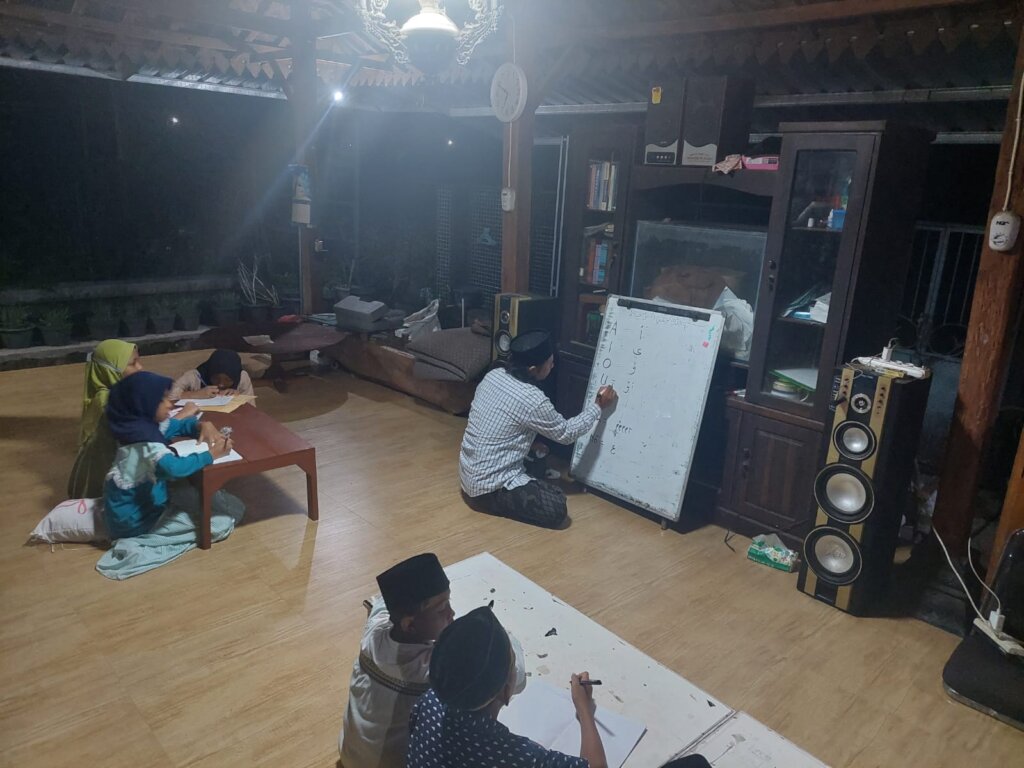
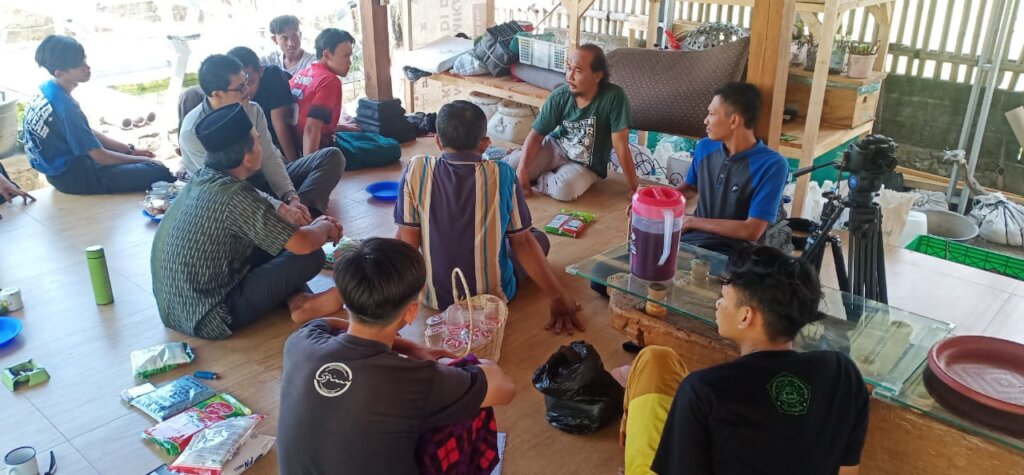
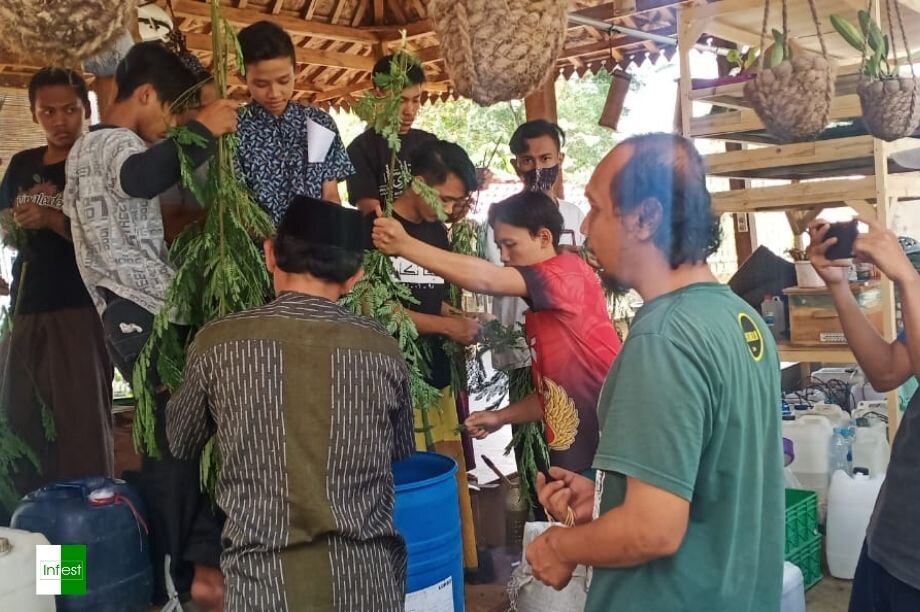
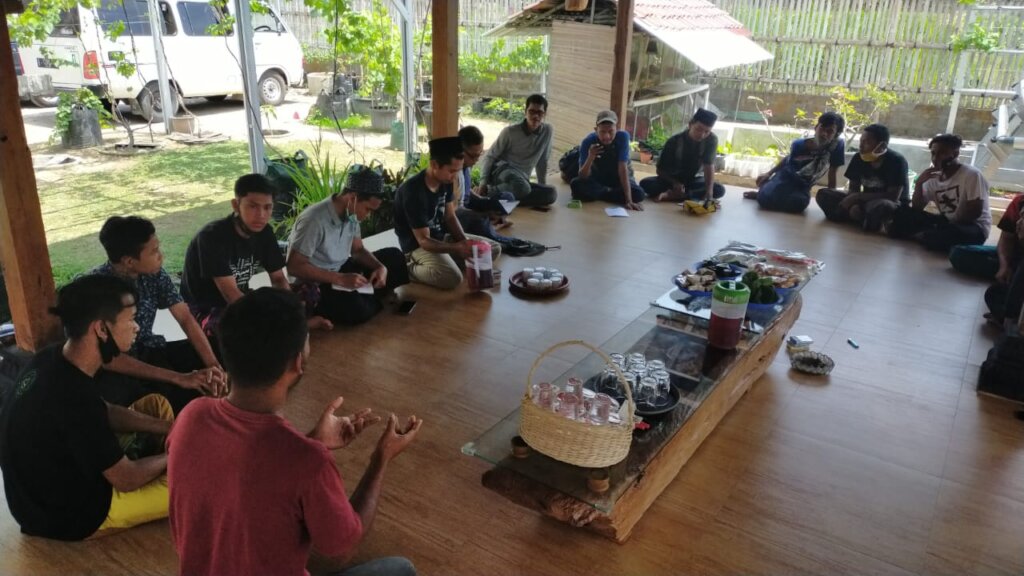
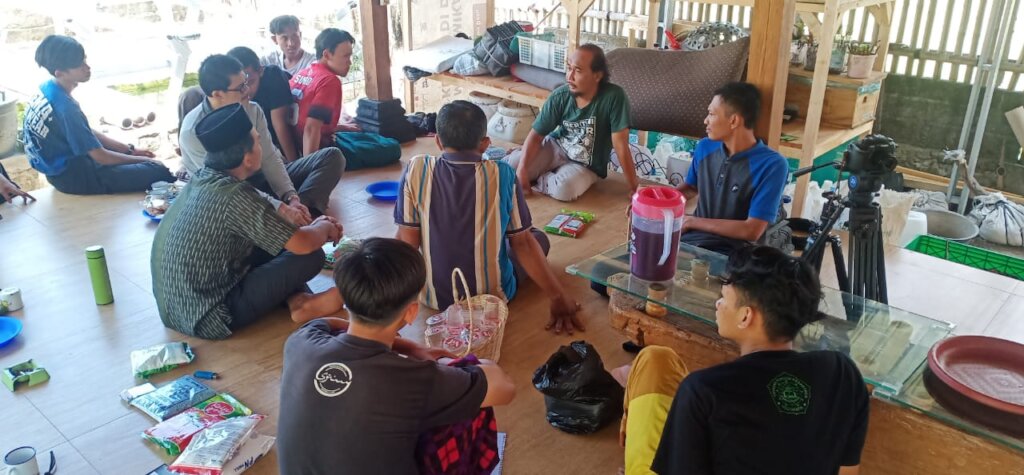
This principle underpins the educational practices implemented at Punthuk Sewu Education Center. Through a community-based learning approach, Punthuk Sewu integrates the teaching of humanitarian values, solidarity, and national identity into daily learning activities that are closely connected to children's lived experiences. Rather than treating these values as abstract concepts, they are taught through social interaction, group activities, simple discussions, and collective practices within the learning environment.
In Punthuk Sewu's educational activities, children are encouraged to develop empathy, care for others, fairness, and respect for human dignity. They learn that every individual deserves equal respect regardless of family background, social status, or cultural identity. By engaging in shared activities, children also learn how to navigate differences through dialogue and cooperation.
This approach positions national values education as a process of character formation, rather than rote learning of national symbols or principles. Children experience the meaning of citizenship through concrete practices such as sharing responsibilities, working collaboratively, helping peers, and respecting different opinions. The role of educators and facilitators is crucial, as children primarily learn values through example and daily interaction.
Amid growing social challenges—including polarization, identity-based conflict, and declining social solidarity—humanitarian and national values education in community learning spaces like Punthuk Sewu has become increasingly important. Such education serves as a moral and social foundation, equipping children with the capacity to think critically, act fairly, and respond humanely to social challenges.
Through the practice of values-based education at Punthuk Sewu Education Center, children are expected to grow not only as academically capable individuals but also as a generation with strong character, empathy, and a commitment to unity in diversity. This form of education represents a long-term investment in Indonesia's social cohesion and future.
Project reports on GlobalGiving are posted directly to globalgiving.org by Project Leaders as they are completed, generally every 3-4 months. To protect the integrity of these documents, GlobalGiving does not alter them; therefore you may find some language or formatting issues.
If you donate to this project or have donated to this project, you can receive an email when this project posts a report. You can also subscribe for reports without donating.



Support this important cause by creating a personalized fundraising page.
Start a Fundraiser