By Irsyadul Ibad | Project Leader
Education is often hailed as the "social elevator" that can lift individuals out of the abyss of poverty. However, in Indonesia, this elevator remains out of reach for those who need it most. The relationship between poverty and education creates a persistent vicious cycle: poverty restricts educational access, and the lack of education reinforces generational poverty.
A New Reality of Poverty: World Bank 2024 Perspectives
The 2024 World Bank report introduces a sobering perspective on Indonesia's economic health. By applying the upper-middle-income poverty line of $6.85 per capita per day, more than 60% of Indonesia's population (approx. 171.8 million people) is classified as economically vulnerable.
This data reveals that while national poverty statistics may show a decline, the majority of Indonesians live just a fraction above the survival line. For this "vulnerable" group, any minor economic shock—such as rising food prices or school fees—can immediately plunge them into extreme poverty.
The Access Gap and the Impact of Rising Costs
Despite various government assistance programs, the access gap remains wide. Research from the Hoshizora Foundation highlights that the rising "hidden costs" of education—such as transportation, uniforms, and learning materials—act as significant barriers.
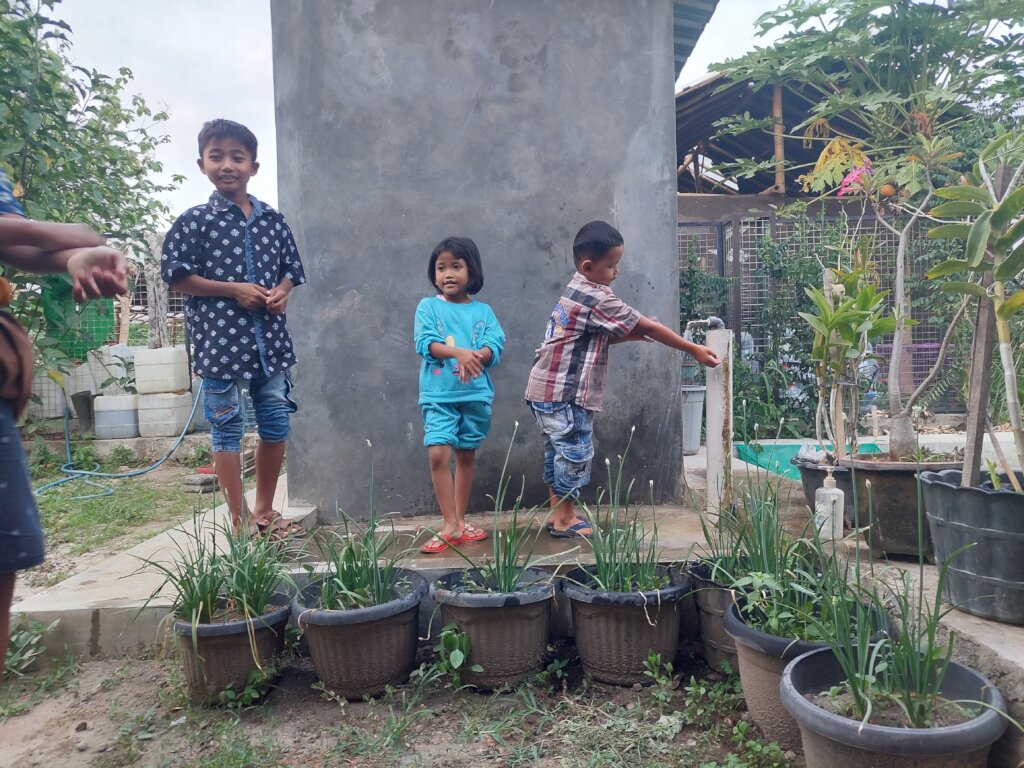
Children from low-income families are often forced to make a difficult choice: continue schooling or enter the workforce to help support their household. This phenomenon is exacerbated by the "opportunity cost"; time spent in a classroom is viewed as lost time for earning a living, a trade-off that many poor families cannot afford.
Education and Child Labor During Economic Instability
Studies by the SMERU Research Institute show that during economic crises, children from underprivileged families are the first to suffer. There is a documented correlation between economic shocks and increased school dropout rates, as children are pushed into the informal labor market. Once a child leaves the school system to work, the likelihood of them returning or securing high-skilled employment in the future diminishes drastically, locking them into a cycle of intergenerational poverty.
Challenges of Quality and Geography
Access is not the only hurdle; quality remains a critical issue. Research in the Journal of Management and Social Development indicates that the distribution of educational facilities is deeply unequal. In remote areas and poverty pockets, the quality of teaching and infrastructure lags far behind urban standards. Consequently, underprivileged students suffer a "double disadvantage": they receive fewer years of schooling, and the education they do receive is of lower quality, making them less competitive in the modern job market.
The Path Forward: Community-Based Interventions
World Bank data suggests that without radical structural interventions, economic mobility will remain stagnant. Solutions must go beyond "free tuition" and encompass holistic support:
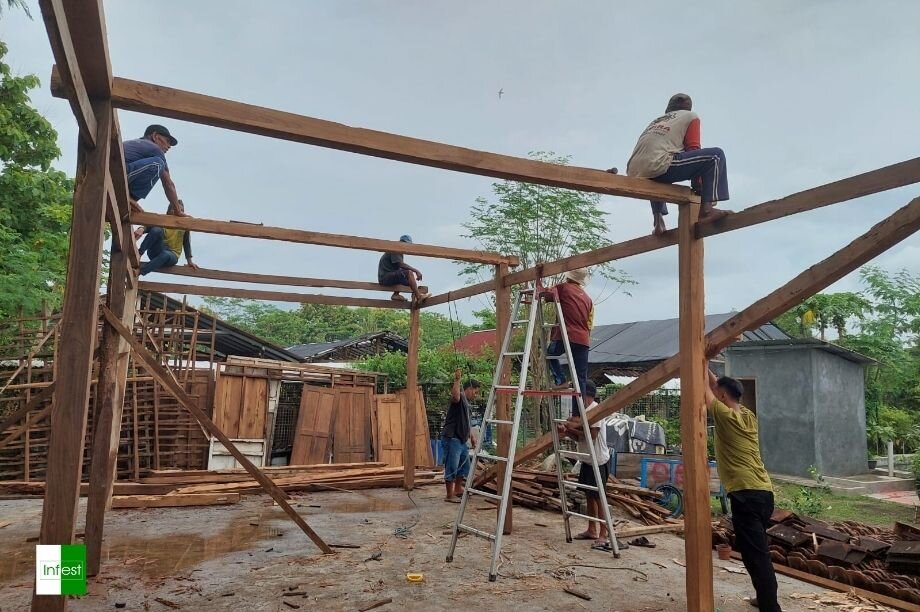
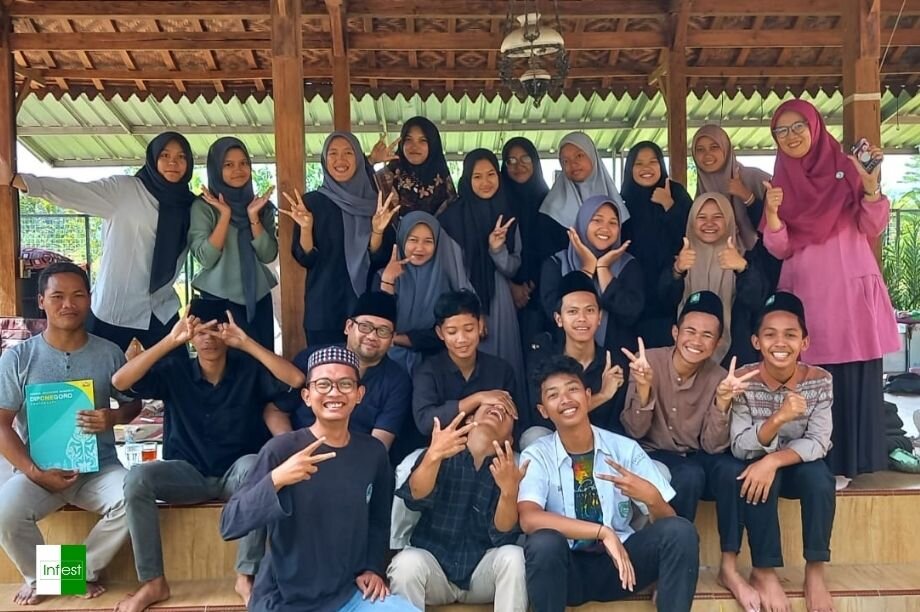
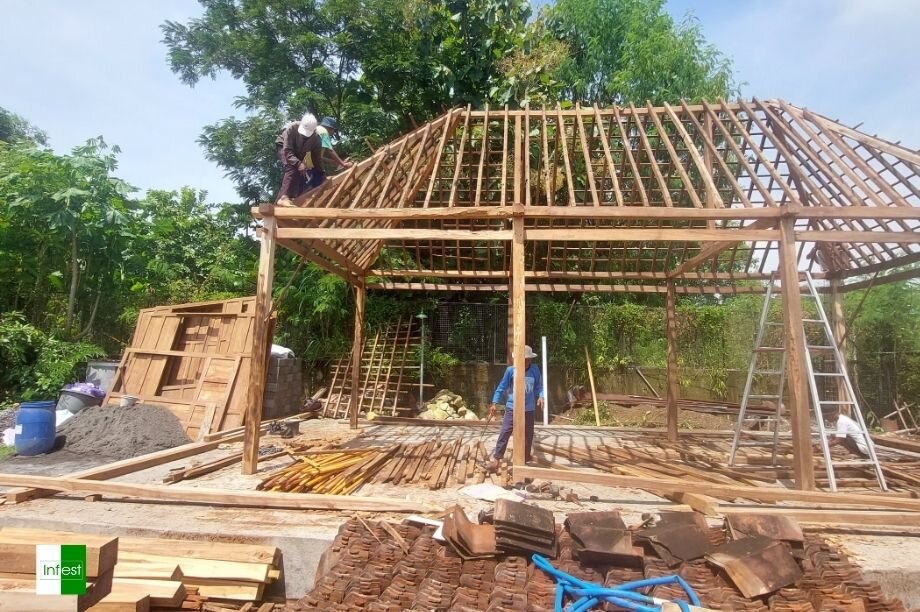
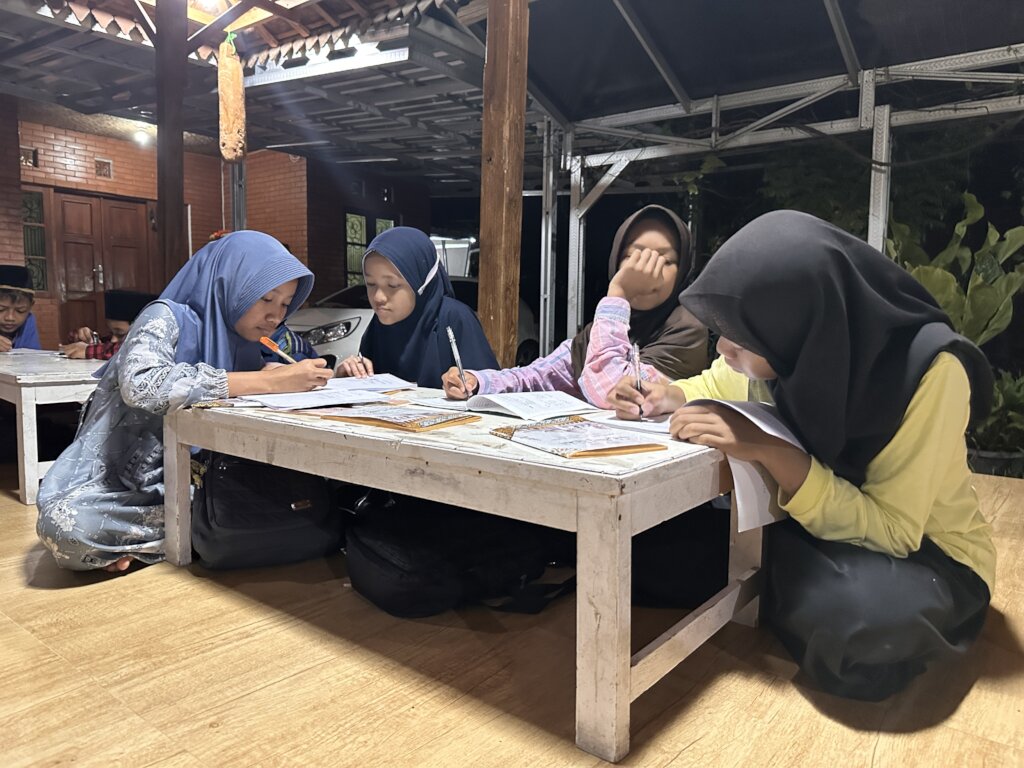
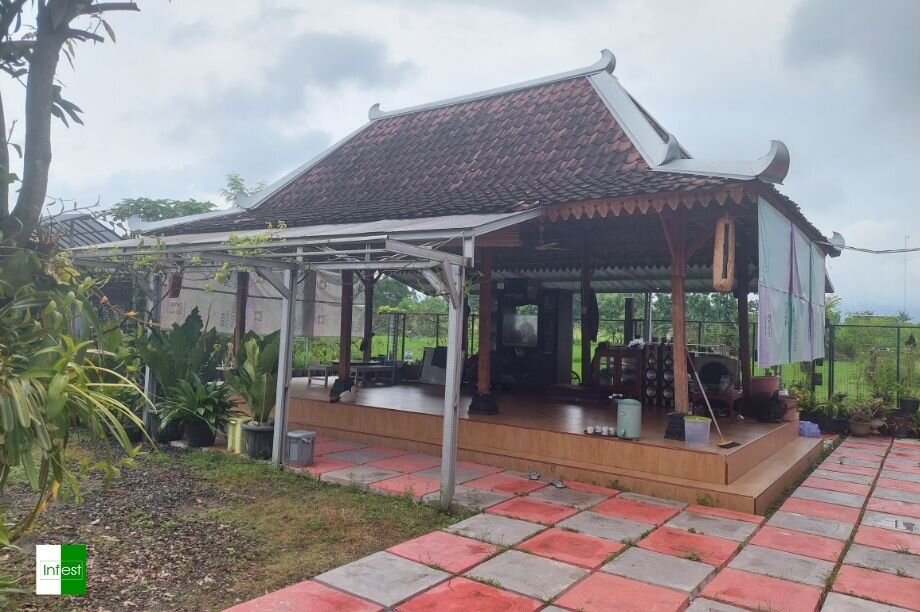
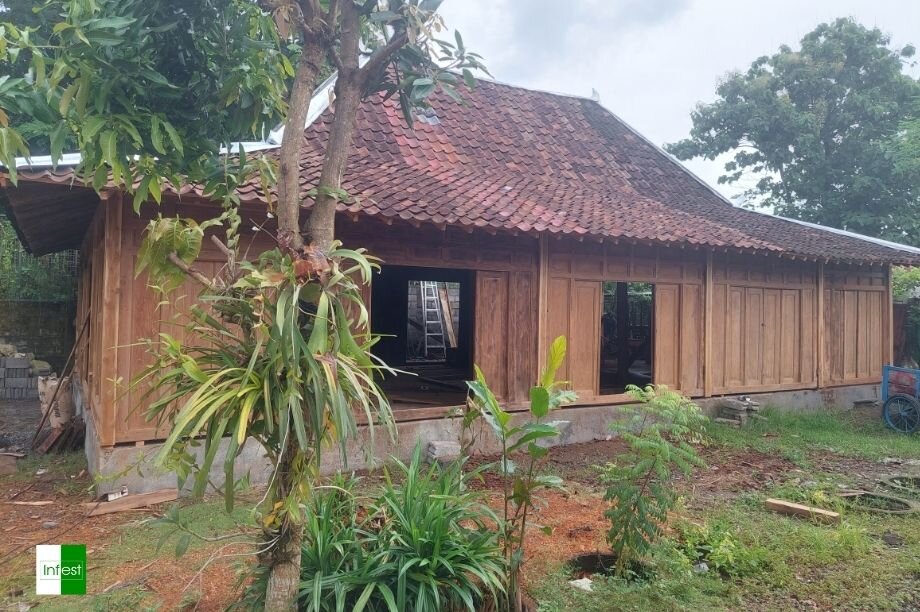
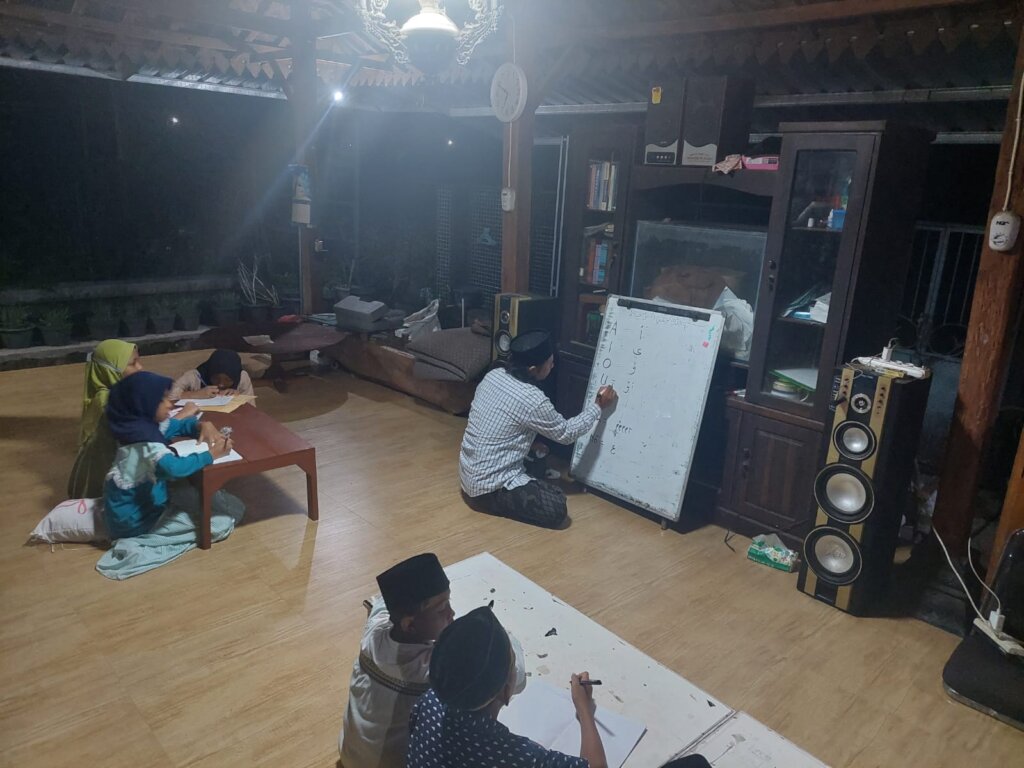
Poverty in Indonesia is not just a matter of numbers; it is a matter of lost potential for millions of children. If educational access remains a luxury, national economic resilience will remain on a fragile foundation. Investing in the education of underprivileged children—through initiatives like the Punthuk Sewu Learning Center—is the key to ensuring inclusive and sustainable economic growth for Indonesia's future.
Project reports on GlobalGiving are posted directly to globalgiving.org by Project Leaders as they are completed, generally every 3-4 months. To protect the integrity of these documents, GlobalGiving does not alter them; therefore you may find some language or formatting issues.
If you donate to this project or have donated to this project, you can receive an email when this project posts a report. You can also subscribe for reports without donating.



Support this important cause by creating a personalized fundraising page.
Start a Fundraiser