Help Build a School for Underprivileged Children

by Yayasan Lembaga Kajian Pengembangan Pendidikan Sosial Agama dan Kebudayaan (INFEST)
Help Build a School for Underprivileged Children

Project Report | Jan 23, 2026
Indonesia and the Crisis of Young Farmer Regeneration

By Nur Abdullah | Teacher at Punthuk Sewu

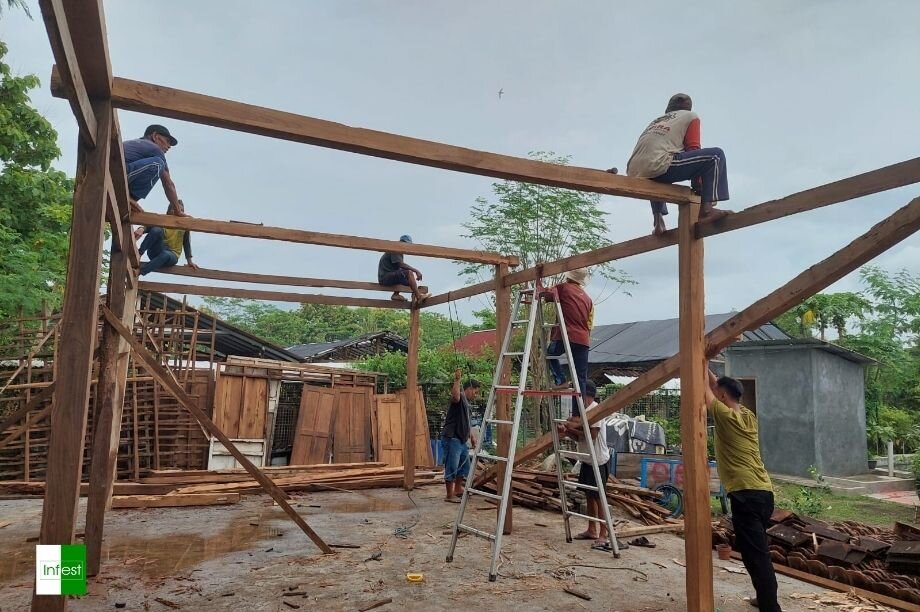
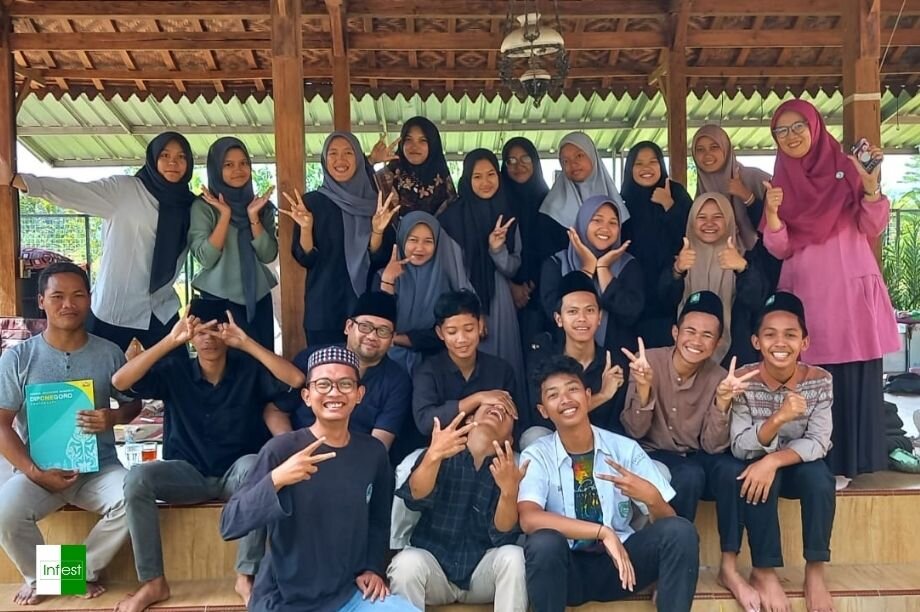
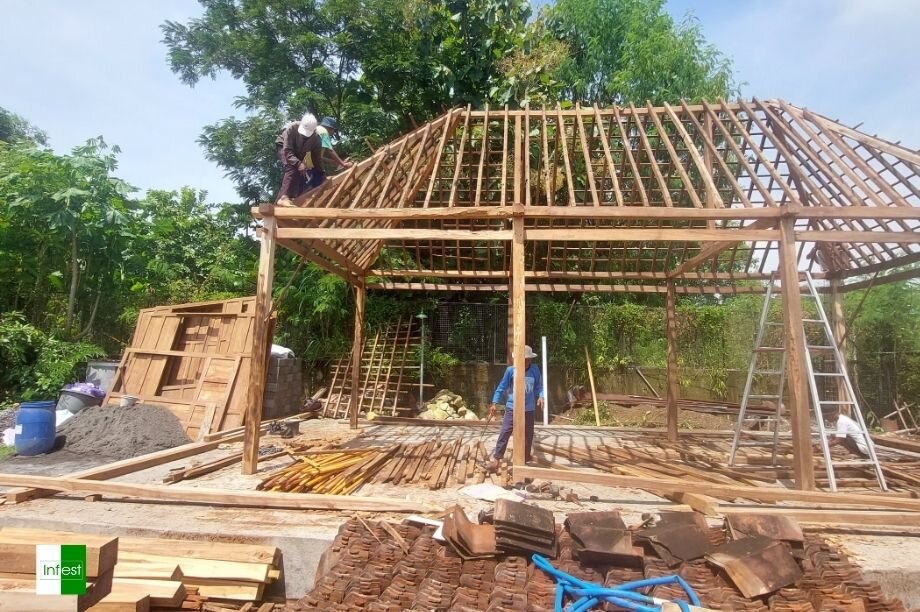
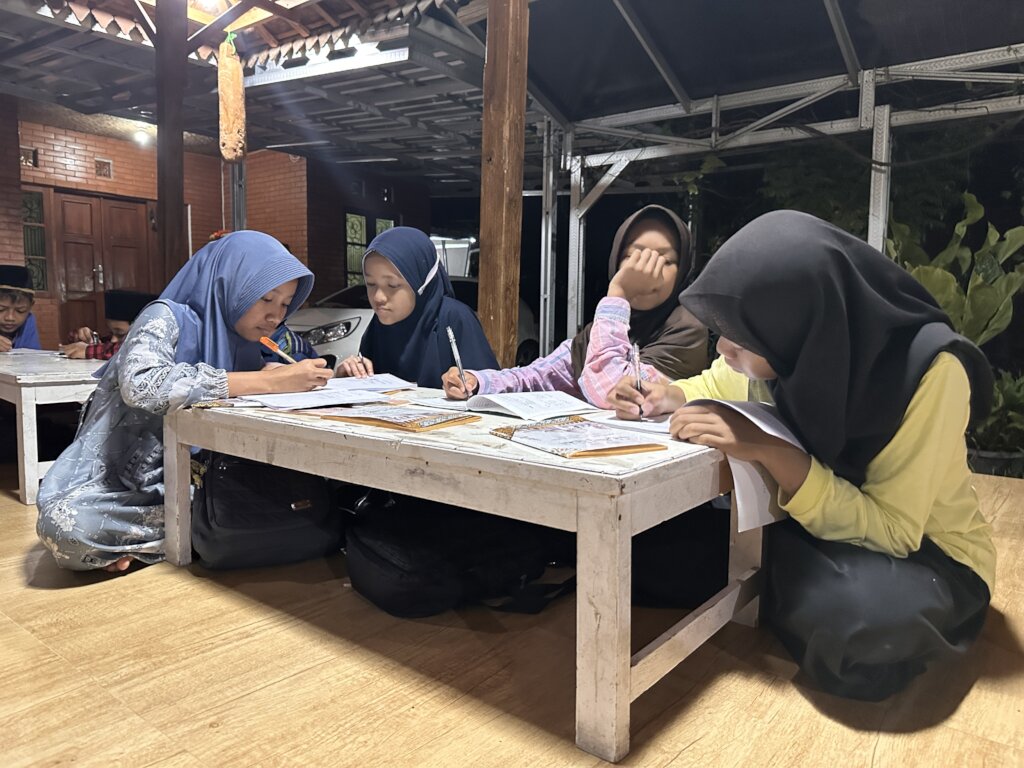
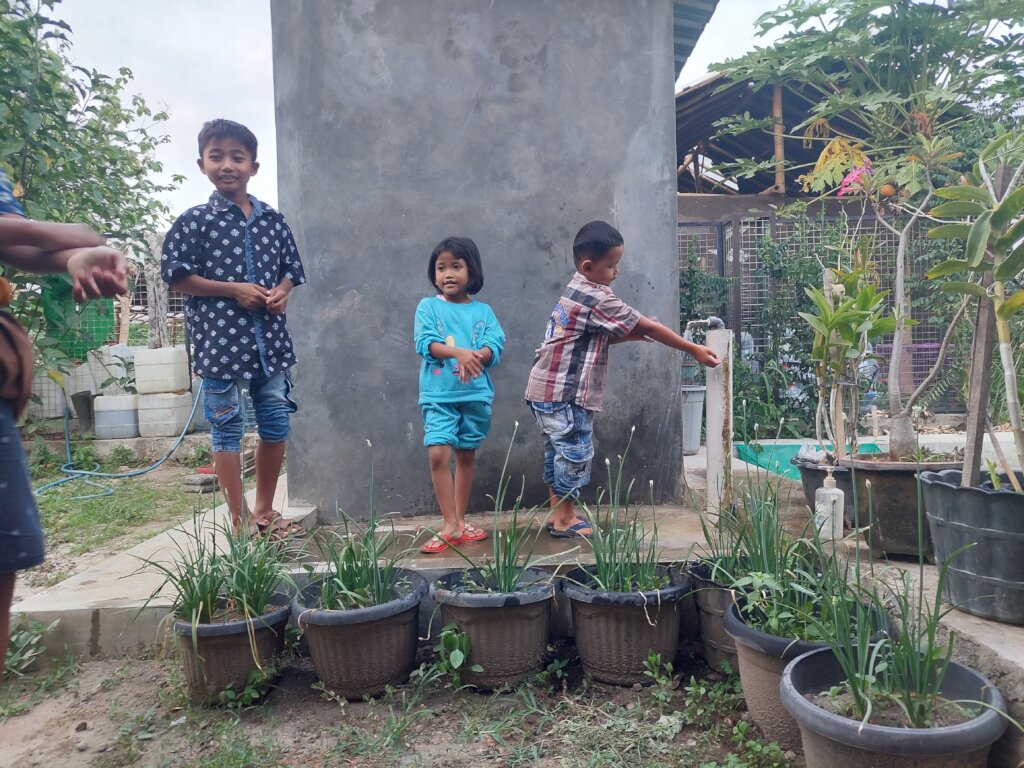
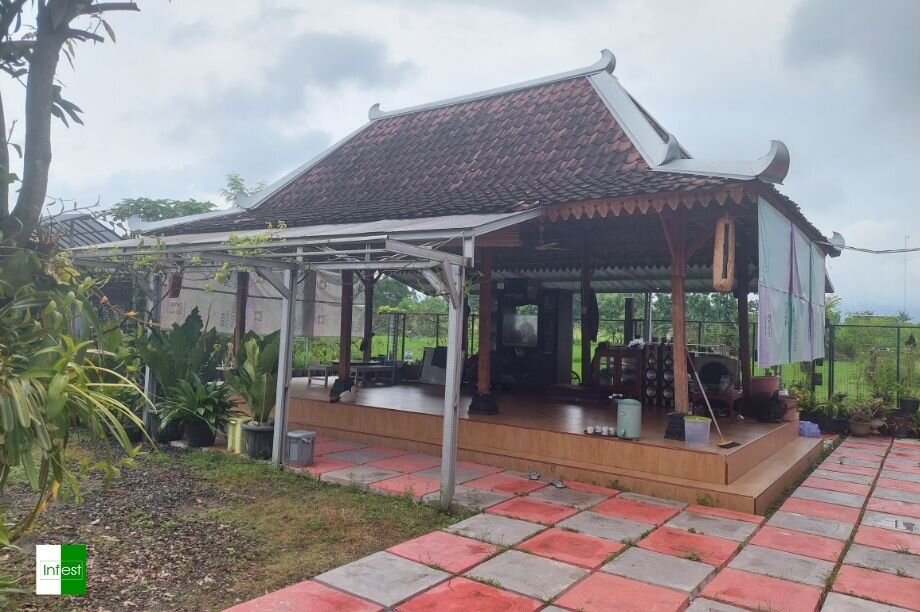
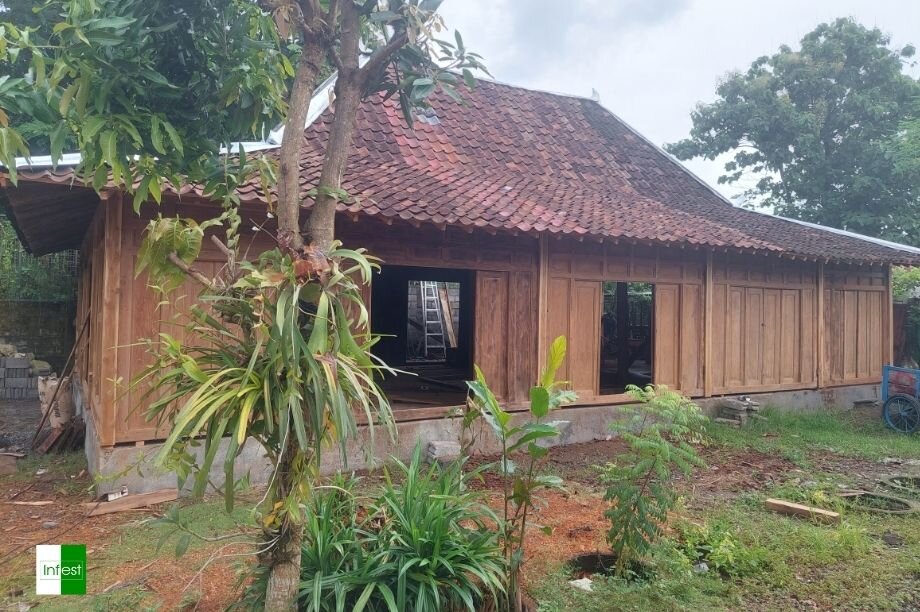
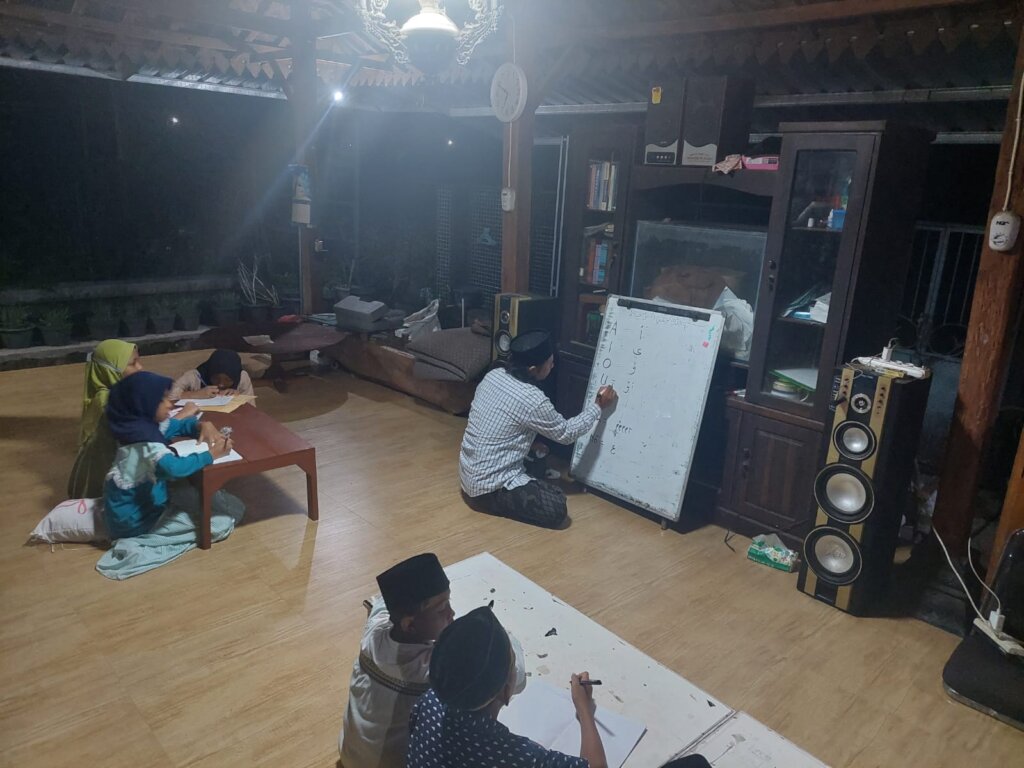
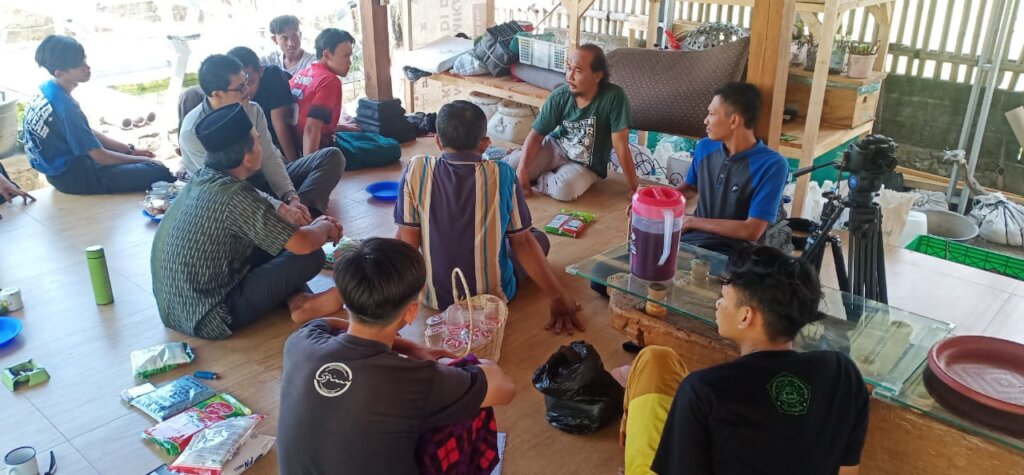
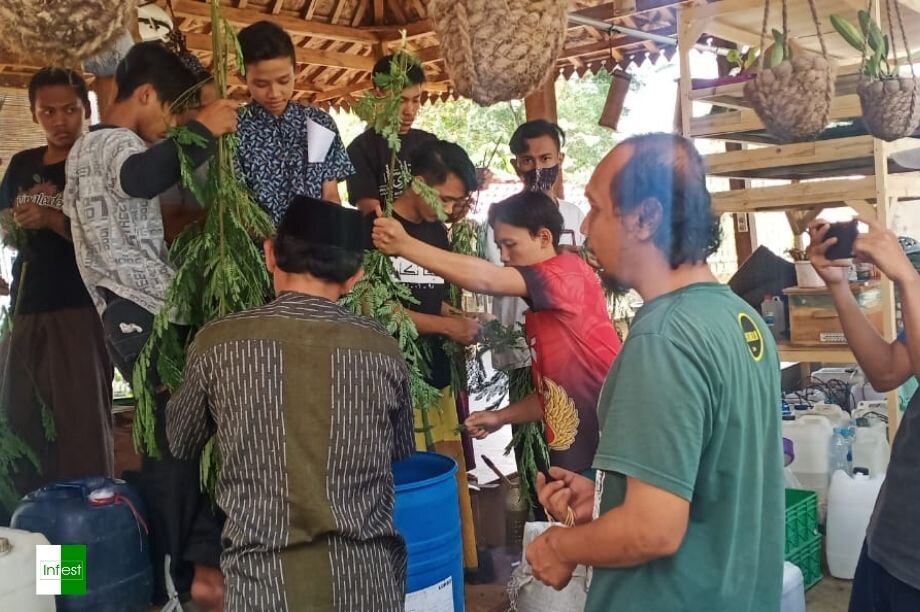
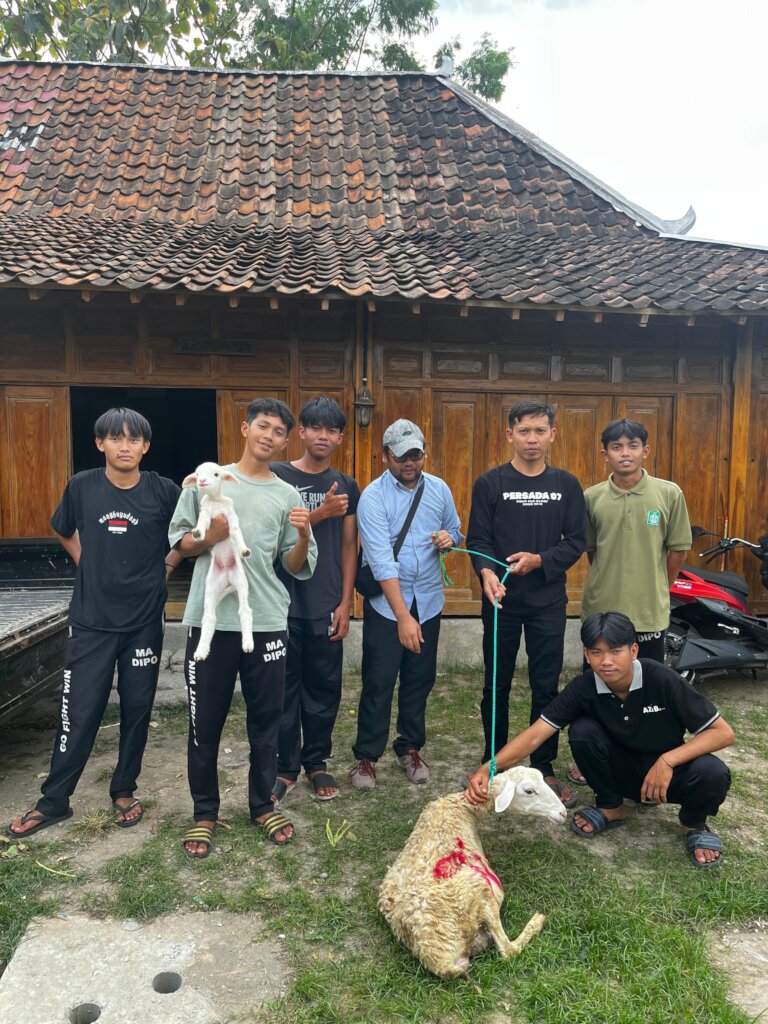
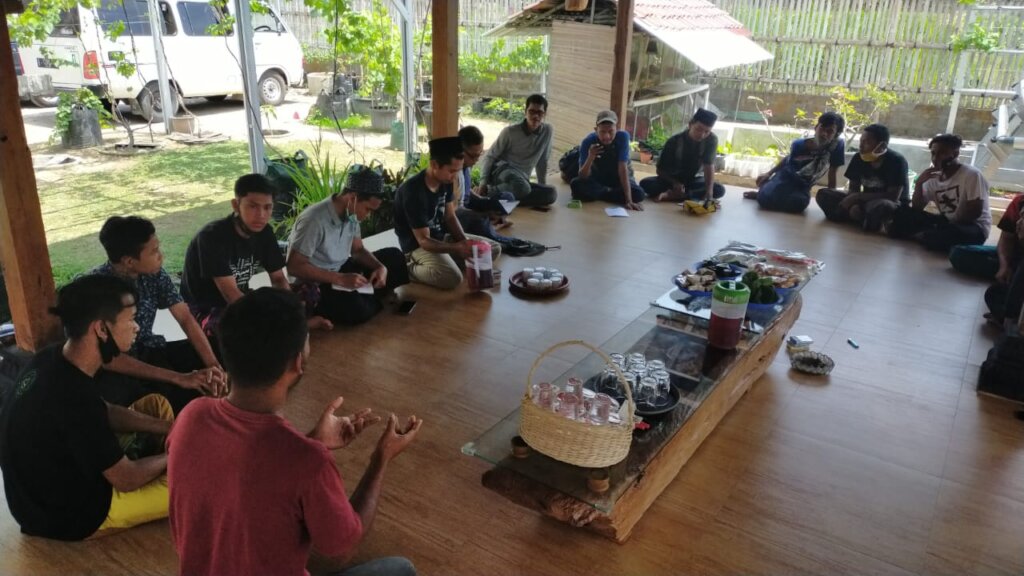
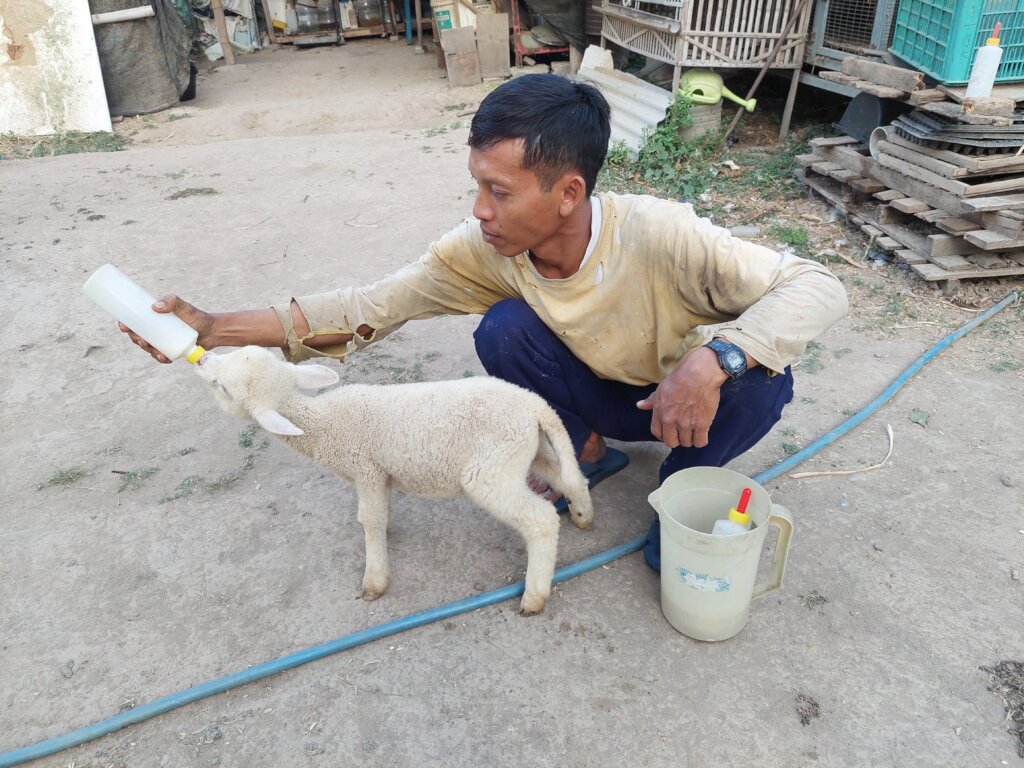
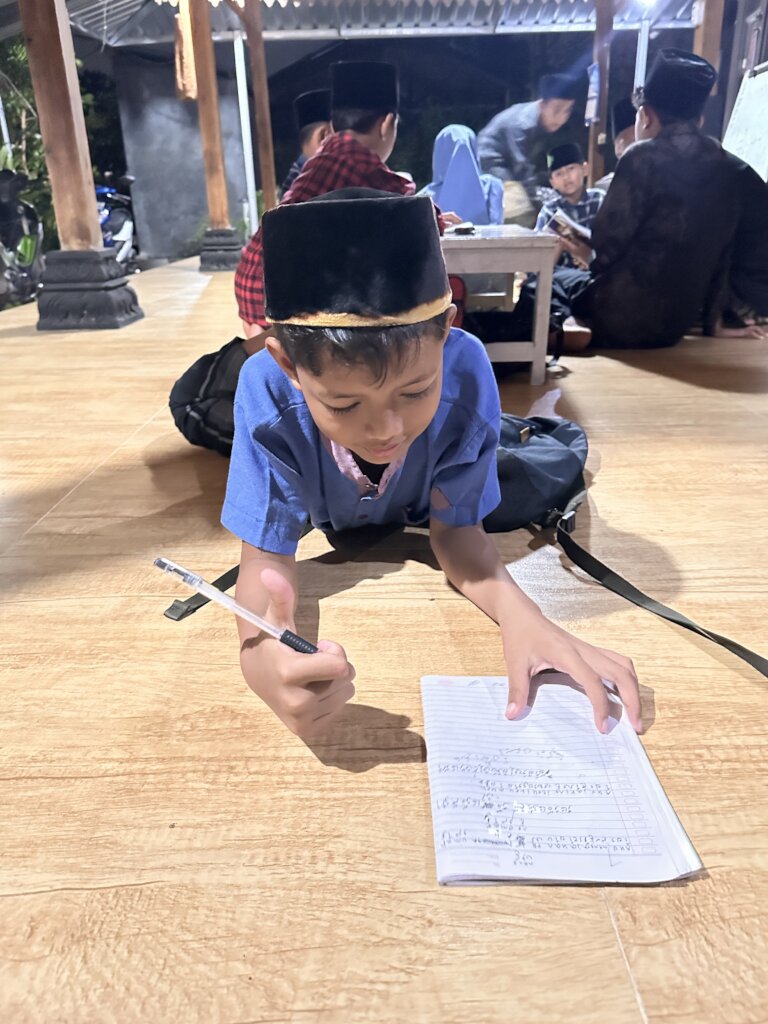
Activity at Punthuk Sewu Learning Center

Indonesia is currently facing a serious crisis in the regeneration of young farmers. As highlighted in a Tirto.id report, the agricultural sector is increasingly dominated by an aging workforce, while the number of young people willing to enter farming continues to decline. This trend poses a significant threat to national food security and the sustainability of rural livelihoods.

An Aging Farming Population

Data shows that the majority of Indonesian farmers are now over 45 years old, with a large proportion above 55. Meanwhile, young people—particularly those aged 15–34—are increasingly distancing themselves from agriculture. Farming is often perceived as physically demanding, low-income, high-risk, and lacking social prestige compared to non-agricultural occupations.

Structural Barriers for Young Farmers

The crisis of regeneration is not merely a matter of individual preference. It is deeply rooted in structural problems, including:

  • Limited access to land, as agricultural land is increasingly fragmented or converted for non-agricultural uses.
  • Low profitability, driven by unstable prices, rising input costs, and weak bargaining power for small-scale farmers.
  • Lack of institutional support, such as training, mentoring, financing, and market access tailored to young farmers.
  • Cultural narratives, where success is often associated with leaving agriculture and rural areas rather than improving them.

As a result, many rural youth choose to migrate to cities or seek employment abroad, further weakening the agricultural sector at the village level.

The Consequences for Food Security

The decline in young farmer participation has direct implications for Indonesia’s food system. Without generational renewal, agricultural knowledge, land stewardship, and local food production capacity risk being lost. In the long term, this could increase dependence on food imports and heighten vulnerability to global supply shocks.

Punthuk Sewu Learning Center: A Grassroots Response

Against this backdrop, Punthuk Sewu Learning Center offers a practical, community-based response to the crisis of young farmer regeneration.

Punthuk Sewu approaches regeneration not only as a technical farming issue, but as a social, educational, and economic transformation process. The learning center provides:

  1. Vocational Training in Sustainable Agriculture and Livestock
  2. Youth are trained in practical skills such as organic farming, agroforestry, livestock management, and integrated farming systems that combine productivity with environmental conservation.
  3. Learning-by-Doing through Demonstration Plots
  4. Participants gain hands-on experience through real farming and livestock units, enabling them to see agriculture as a viable livelihood rather than abstract theory.
  5. Economic and Entrepreneurial Perspectives
  6. Farming is introduced as an enterprise, not merely subsistence work. Training includes value chains, cooperative models, and local business development to improve income prospects.
  7. Integration of Social and Ethical Values
  8. The center embeds values of environmental stewardship, community solidarity, and dignity of labor—helping rebuild pride in agricultural work among young people.
  9. Inclusive Access for Underprivileged Youth
  10. By targeting rural and economically vulnerable youth, Punthuk Sewu helps open pathways into agriculture for those most affected by structural inequality.

Reframing the Future of Farming

Rather than encouraging youth to leave agriculture, Punthuk Sewu Learning Center reframes farming as skilled, meaningful, and future-oriented work. Through education, mentoring, and real-world practice, the center contributes to rebuilding the social and economic foundations needed for sustainable farmer regeneration in Indonesia.

In doing so, Punthuk Sewu demonstrates that addressing the crisis of young farmer regeneration requires more than policy—it requires learning spaces, role models, and community-based institutions that reconnect youth with land, knowledge, and hope.

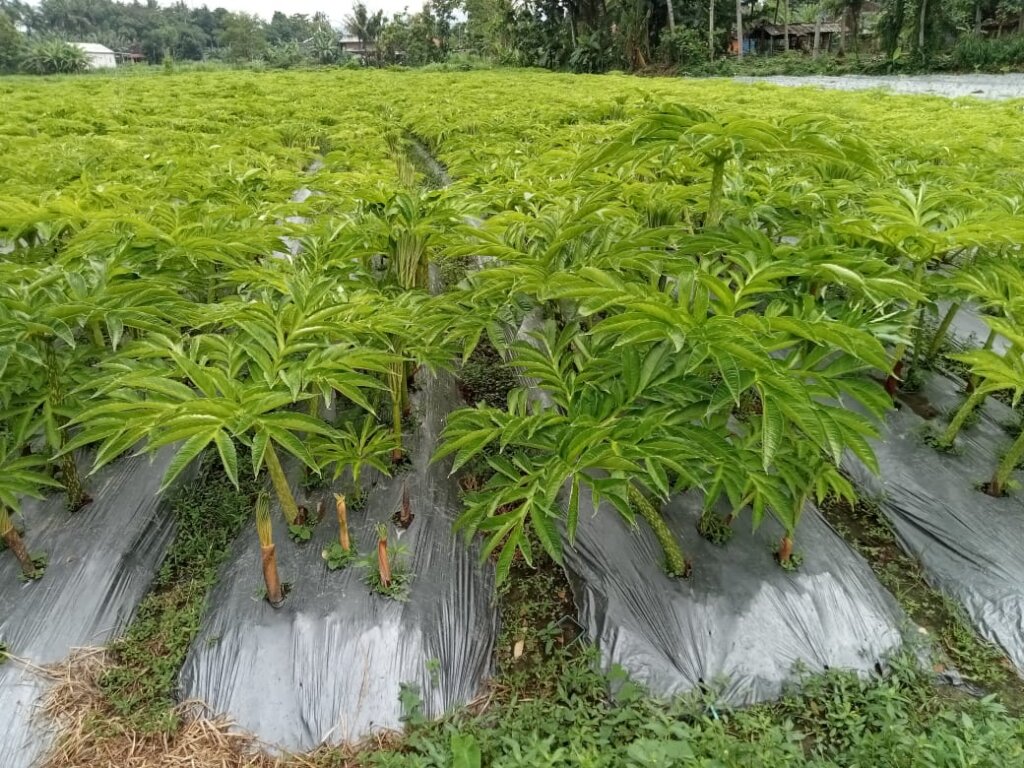
Our Demonstration Plot for Konjac
Share on Twitter Share on Facebook

About Project Reports

Project reports on GlobalGiving are posted directly to globalgiving.org by Project Leaders as they are completed, generally every 3-4 months. To protect the integrity of these documents, GlobalGiving does not alter them; therefore you may find some language or formatting issues.

If you donate to this project or have donated to this project, you can receive an email when this project posts a report. You can also subscribe for reports without donating.


Sign up for updates

Organization Information

Yayasan Lembaga Kajian Pengembangan Pendidikan Sosial Agama dan Kebudayaan (INFEST)

Location: Bantul, Yogyakarta - Indonesia
Website:
Facebook: Facebook Page
X / Twitter: Profile
Project Leader:
Irsyadul Ibad
Bantul , Yogyakarta Indonesia

Learn more about GlobalGiving

Teenage Science Students
Vetting +
Due Diligence

Snorkeler
Our
Impact

Woman Holding a Gift Card
Give
Gift Cards

Young Girl with a Bicycle
GlobalGiving
Guarantee

Get incredible stories, promotions, and matching offers in your inbox

WARNING: Javascript is currently disabled or is not available in your browser. GlobalGiving makes extensive use of Javascript and will not function properly with Javascript disabled. Please enable Javascript and refresh this page.