By Irsyadul Ibad | Project Staff
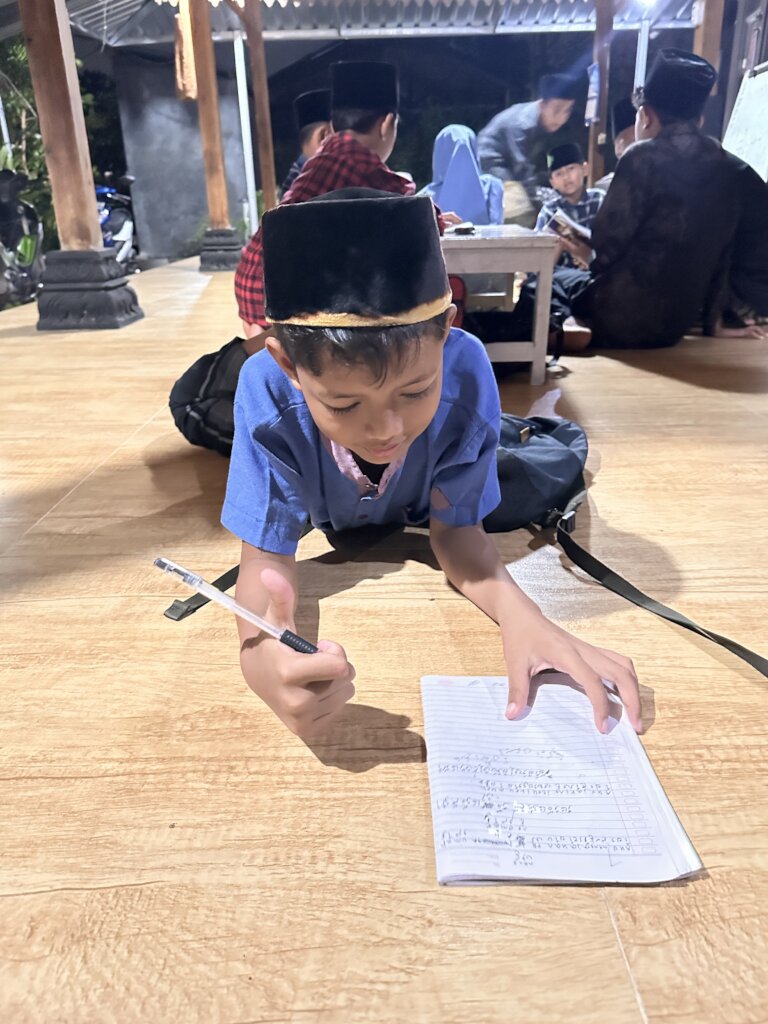
Mathematics proficiency among students in Indonesia remains a significant challenge. Based on the PISA 2022 international assessment, Indonesia ranked 64th out of 81 countries, with an average score of 366, far below the OECD average of 500. Alarmingly, around 82% of Indonesian students aged 15 perform below the minimum proficiency level in mathematics, placing them at Level 1a, where students are only able to solve very basic mathematical problems.
These national figures, however, mask a deeper and more structural issue: the wide gap between rural and urban students.
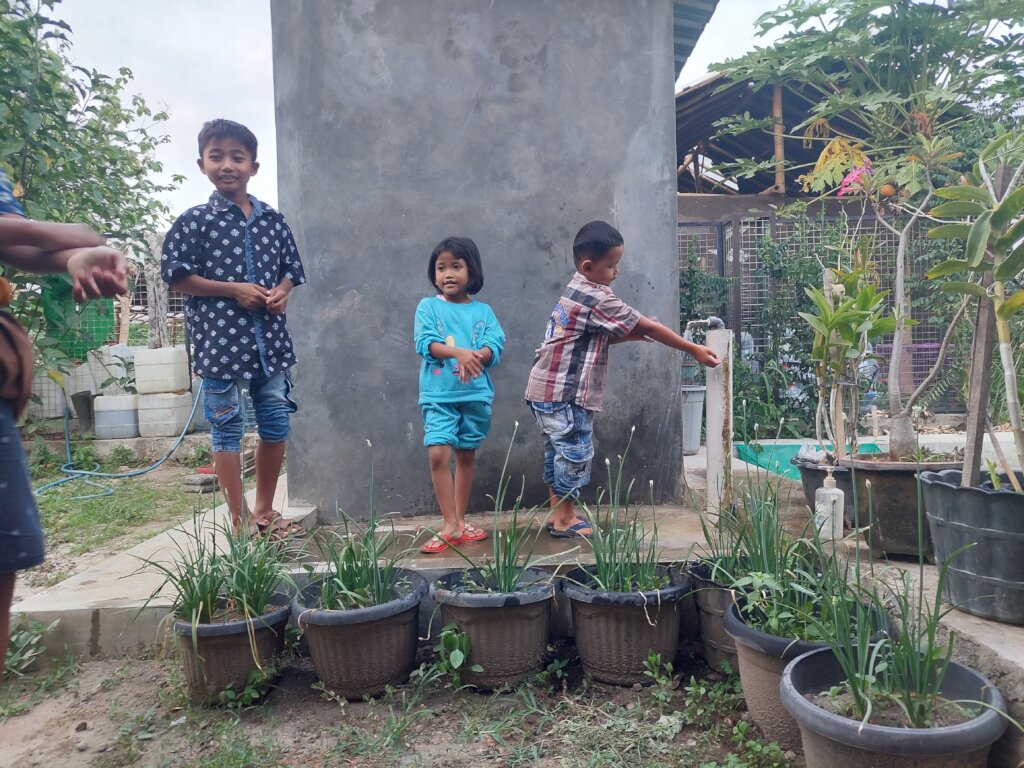
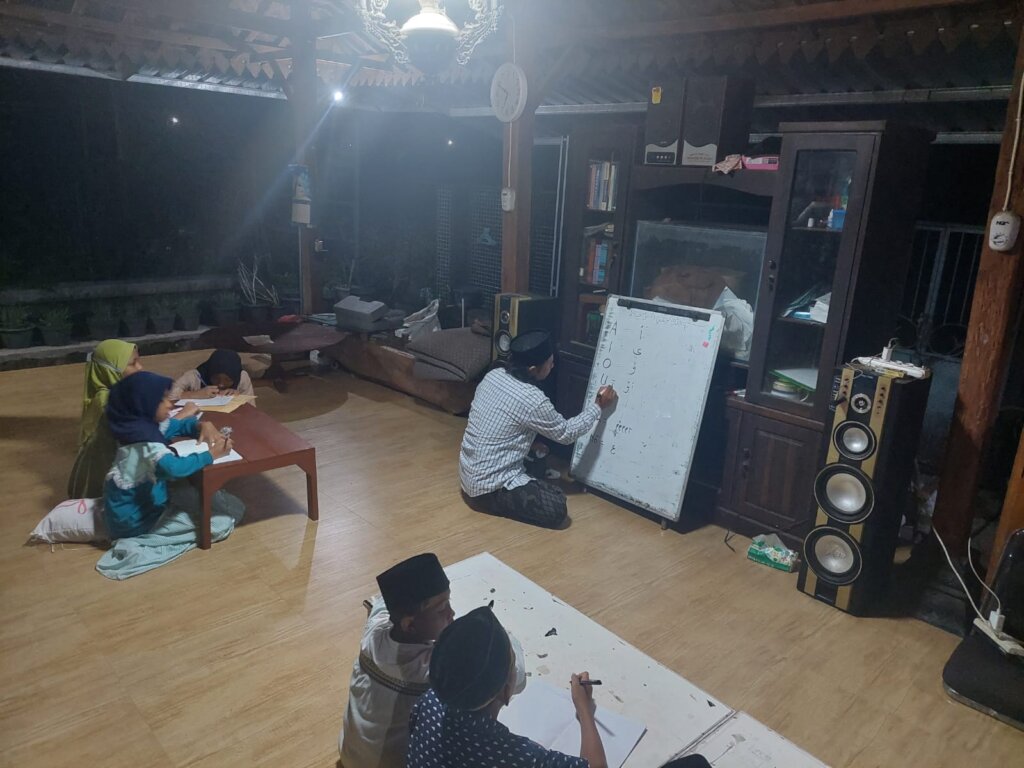
Children in urban areas generally benefit from better learning environments, including access to tutoring, digital resources, well-equipped schools, and exposure to problem-solving–oriented teaching methods. In contrast, students in rural communities often face limited learning facilities, overcrowded classrooms, and a lack of supporting educational resources.
The gap is further reinforced by differences in teacher capacity and availability. Rural schools frequently struggle to attract and retain qualified mathematics teachers, while professional development opportunities are more accessible in urban centers. As a result, rural students are less likely to receive engaging, concept-based mathematics instruction that builds critical thinking and confidence.
This inequality has long-term consequences. Mathematics is a foundational skill that influences academic progression, problem-solving ability, and access to future opportunities in science, technology, and skilled employment. Without deliberate efforts to equalize access and quality, underprivileged children—especially those from rural and low-income families—remain trapped in cycles of educational disadvantage.
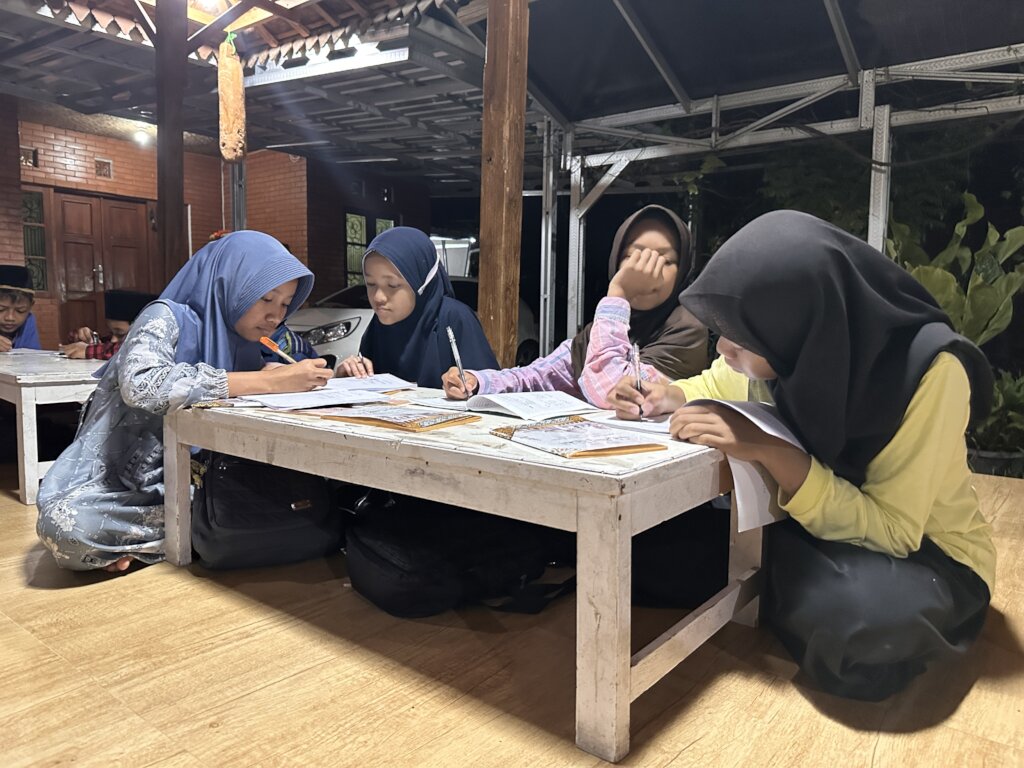
Bridging this mathematical divide requires intentional investment in equity: strengthening learning facilities, improving teacher capacity, and expanding access to community-based learning support for underprivileged families. By improving access to quality mathematics education, we not only raise academic performance but also empower children with the skills they need to navigate an increasingly complex world.
Ensuring equal opportunities in mathematics education is not simply about improving test scores—it is about fairness, inclusion, and giving every child the chance to reach their full potential, regardless of where they are born.
Project reports on GlobalGiving are posted directly to globalgiving.org by Project Leaders as they are completed, generally every 3-4 months. To protect the integrity of these documents, GlobalGiving does not alter them; therefore you may find some language or formatting issues.
If you donate to this project or have donated to this project, you can receive an email when this project posts a report. You can also subscribe for reports without donating.



Support this important cause by creating a personalized fundraising page.
Start a Fundraiser