By Misbachul Munir | Project Staff
Poverty in Indonesia remains strongly concentrated among farmers and rural communities. A large share of poor households continue to rely on agriculture as their main source of income. According to data from Statistics Indonesia (BPS), in March 2021 51.33% of poor households depended on agriculture, while 29.69% relied on non-agricultural sectors, and 12.90% had no employment at all. Although agriculture is widely promoted as the backbone of national food security, the lived reality for many farmers is marked by economic insecurity. Discourses on food sovereignty have yet to translate into meaningful income stability for farming households. As a result, persistent poverty has pushed many rural families to leave agriculture—often without escaping poverty. In this context of widespread poverty and unemployment, agriculture has not become an attractive or viable pathway for most young people.
Indonesia is also facing a serious crisis in farmer regeneration. Despite the country’s agrarian identity, national statistics show a steady decline in the number of farmers. In West Java, for instance, the largest proportion of farmers falls within the 45–49 age group, while those aged 30–44 account for less than one quarter, and farmers under 30 remain extremely rare. This demographic imbalance signals a weakening future for the agricultural sector.
Earlier studies reinforce this trend, showing that less than half of farmers’ children are willing to continue farming, while many actively reject agriculture as a livelihood option. Between 2003 and 2013 alone, Indonesia lost 5.1 million farmers, and projections indicate that if this pattern continues, the country could face a dramatic shortage of farmers within the coming decades. One of the strongest drivers of this crisis is low income. On average, farmers earn approximately USD 3.81 per day, significantly less than wages in construction or urban employment. This income gap makes agriculture an increasingly unattractive and irrational choice for younger generations.
Enabling Young People to Practice Modern and Ecological Agriculture
Reducing poverty in agriculture requires addressing multiple structural barriers. Farmers often face limited access to capital and markets, outdated production methods, shrinking landholdings, and environmentally harmful practices that increase costs and reduce sustainability.
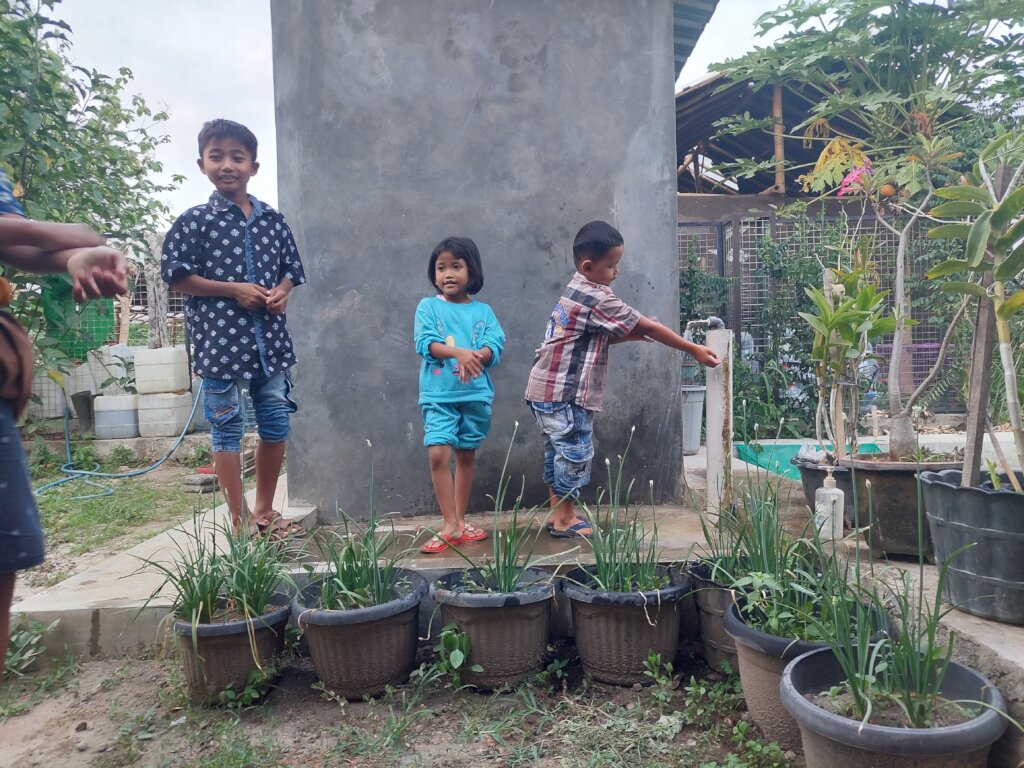
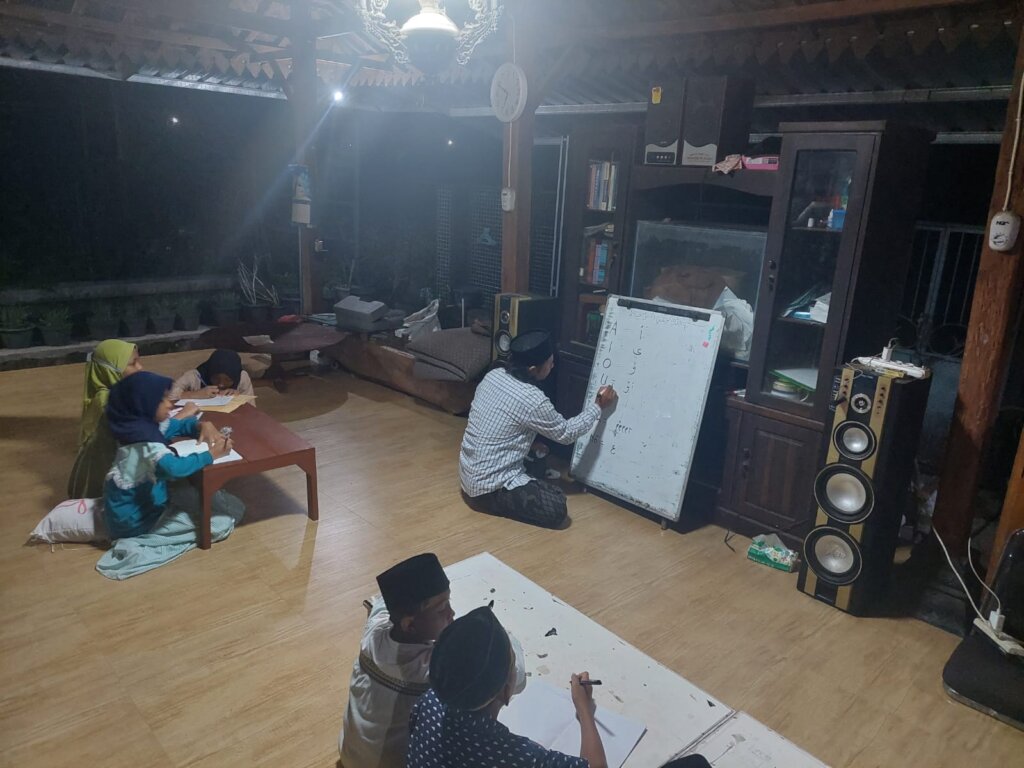
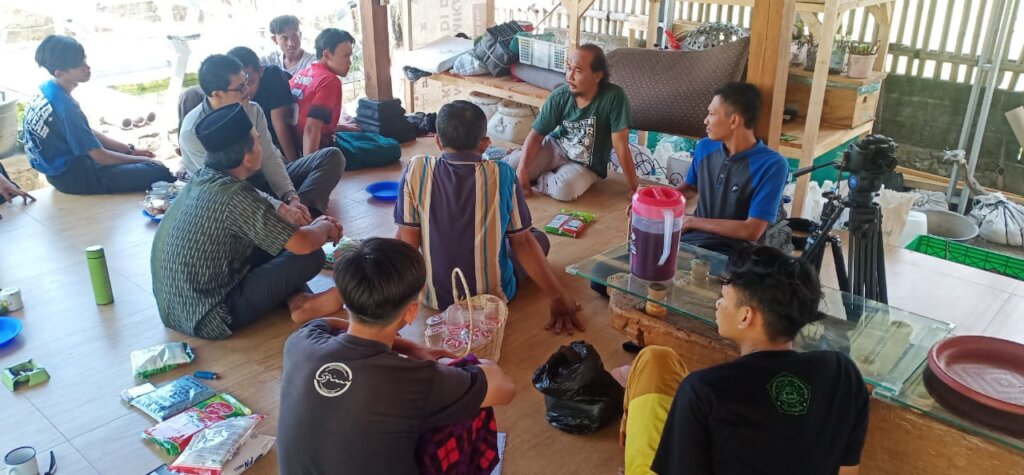
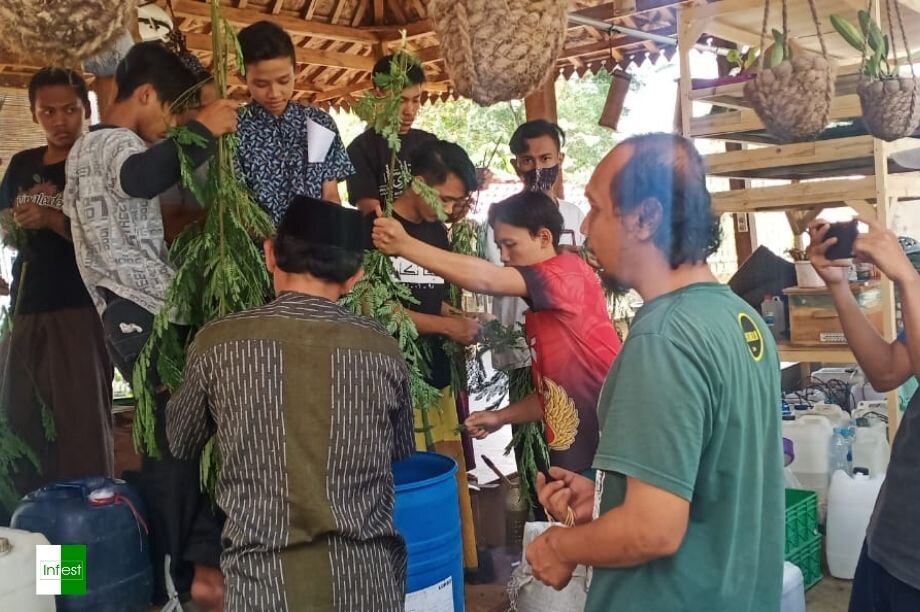
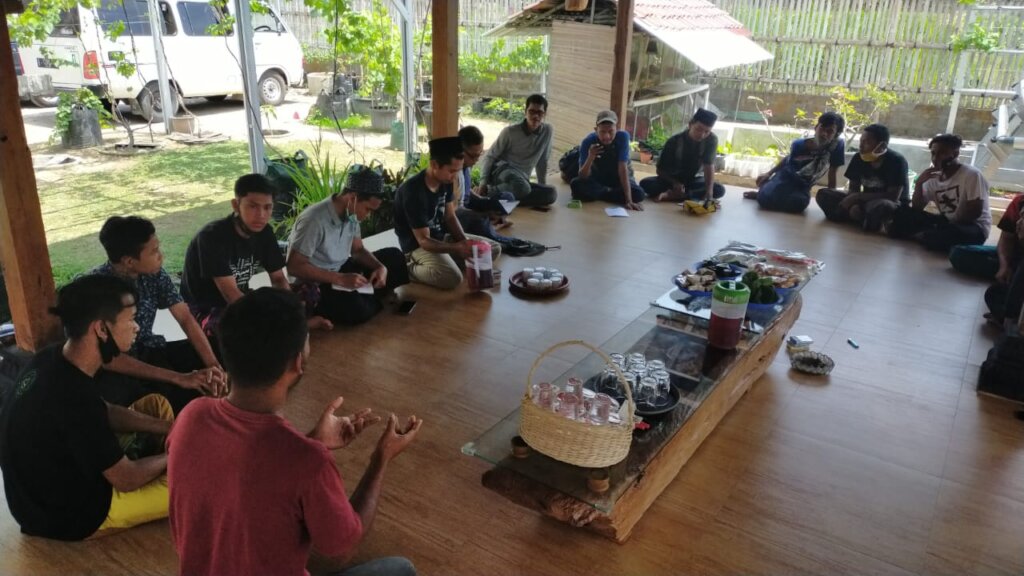
Punthuk Sewu responds to these challenges through an applied and science-based educational model. First, the program provides practical training grounded in environmental conservation and circular economy principles. Agricultural practices emphasize farmer independence from expensive and harmful external inputs. Participants learn to produce their own fertilizers and natural pesticides, reducing costs while strengthening ecological sustainability. Permaculture principles are introduced as a foundation for building resilient and regenerative farming systems.
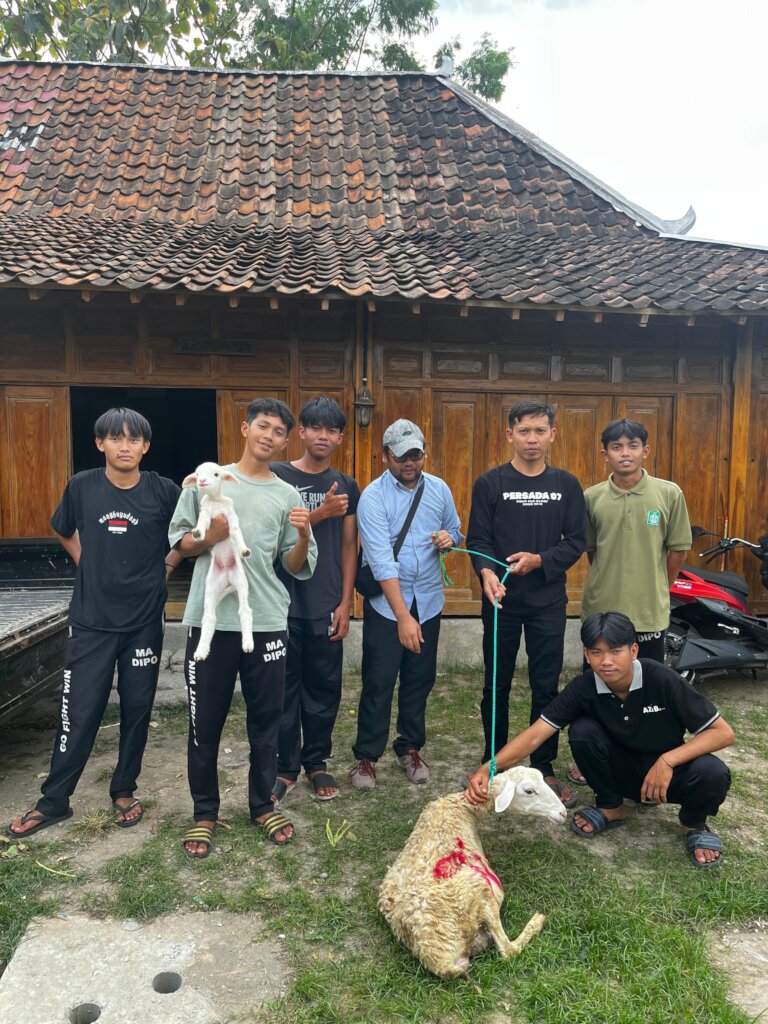
Second, the program encourages young people to manage agriculture in a more efficient and market-oriented way. Through scientific analysis and commodity assessment, participants learn to identify economically viable crops and livestock. This approach helps reduce production costs—particularly in organic farming—while increasing product value. Stronger market awareness enables young farmers to enter agriculture with greater confidence and reduced risk of loss.
Third, Punthuk Sewu places strong emphasis on scientific thinking, including experimentation and basic laboratory practices. In a context where formal education often fails to develop critical and analytical skills, the program integrates science directly into agricultural and livestock management. These competencies not only strengthen farming practices but also provide transferable skills that remain valuable beyond the agricultural sector.
Why Support Us?
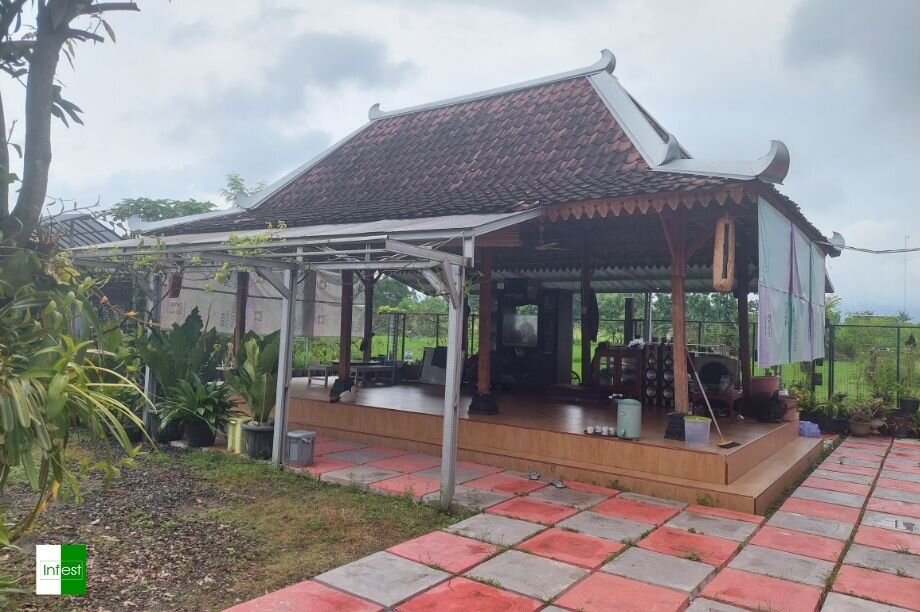
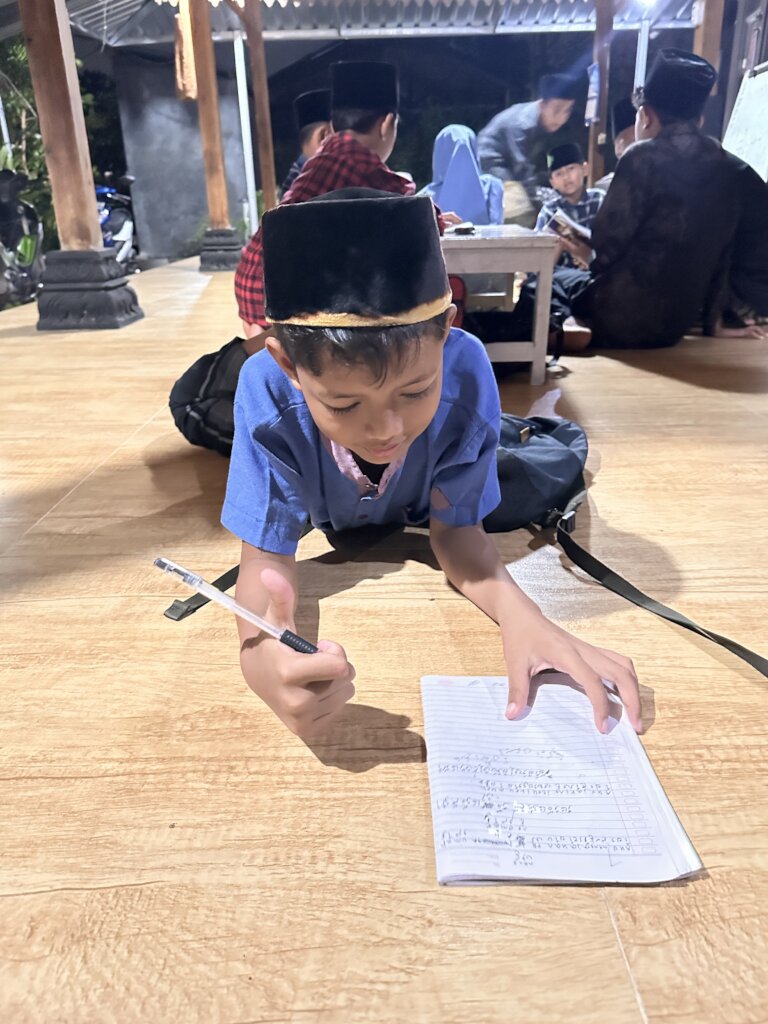
Every contribution through GlobalGiving directly strengthens our educational facilities and improves the quality of our learning services. Your support allows young people from farming families to develop their potential by building on the knowledge and resources already present in their communities. Quality education remains one of the most effective pathways to breaking cycles of poverty.
What We Plan Next
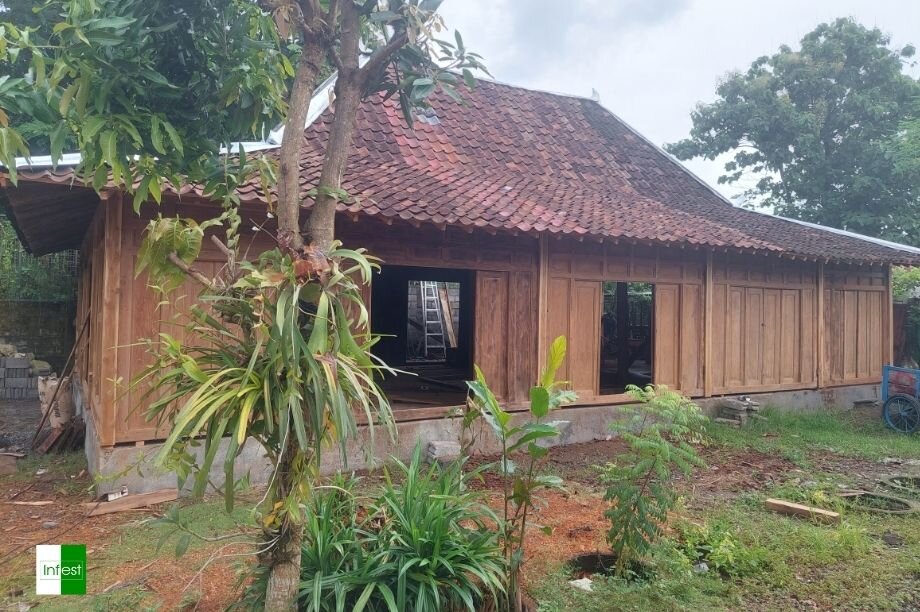
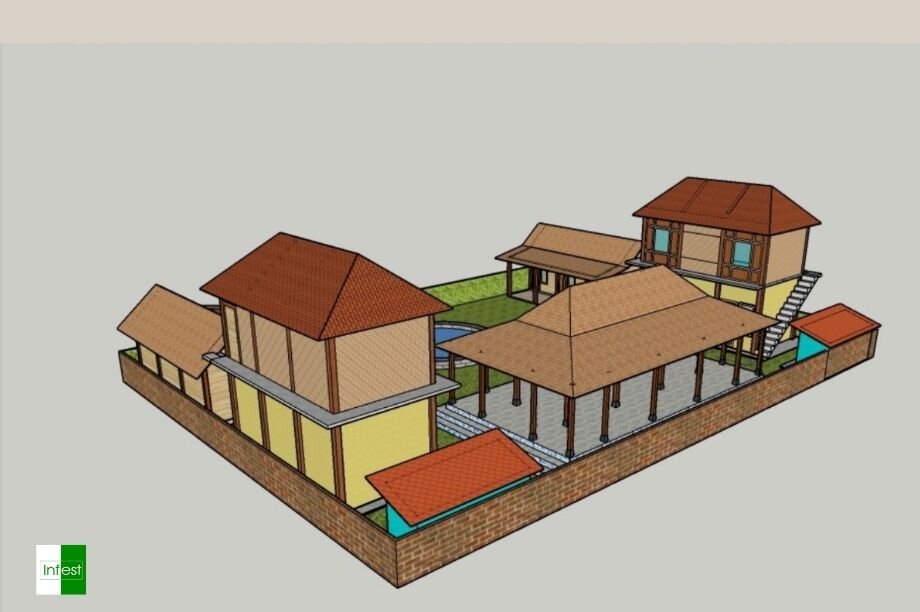
We aim to establish a certified vocational education center that expands access to affordable—and for some groups, free—skills training. These competencies will improve young people’s employability while supporting those who choose to build independent, community-based enterprises.
By investing in young people today, we are laying the foundation for sustainable agriculture, resilient rural livelihoods, and a more secure future for Indonesia’s farming communities.
Project reports on GlobalGiving are posted directly to globalgiving.org by Project Leaders as they are completed, generally every 3-4 months. To protect the integrity of these documents, GlobalGiving does not alter them; therefore you may find some language or formatting issues.
If you donate to this project or have donated to this project, you can receive an email when this project posts a report. You can also subscribe for reports without donating.



Support this important cause by creating a personalized fundraising page.
Start a Fundraiser