By Mufid | Teacher at Punthuk Sewu
Education in many rural areas continues to focus heavily on academic performance—mathematics, science, language proficiency, and exam results. While these components are important, there remains a significant gap in the development of soft skills among children and adolescents. Soft skills such as discipline, communication, teamwork, emotional regulation, and responsibility are often overlooked in formal education systems.
At the same time, families face growing challenges in supporting the development of these competencies at home. Many parents, particularly in low-income or rural communities, have limited exposure to structured soft-skill education themselves. As a result, children may grow up without consistent guidance in areas that are essential for personal growth and future employability.
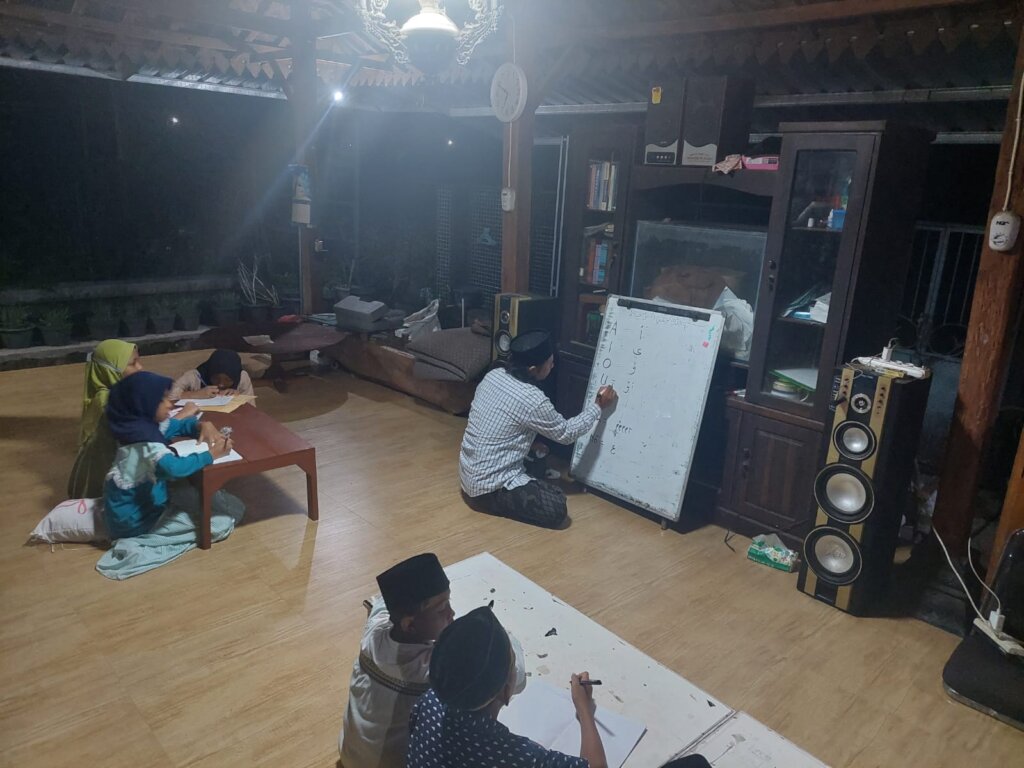
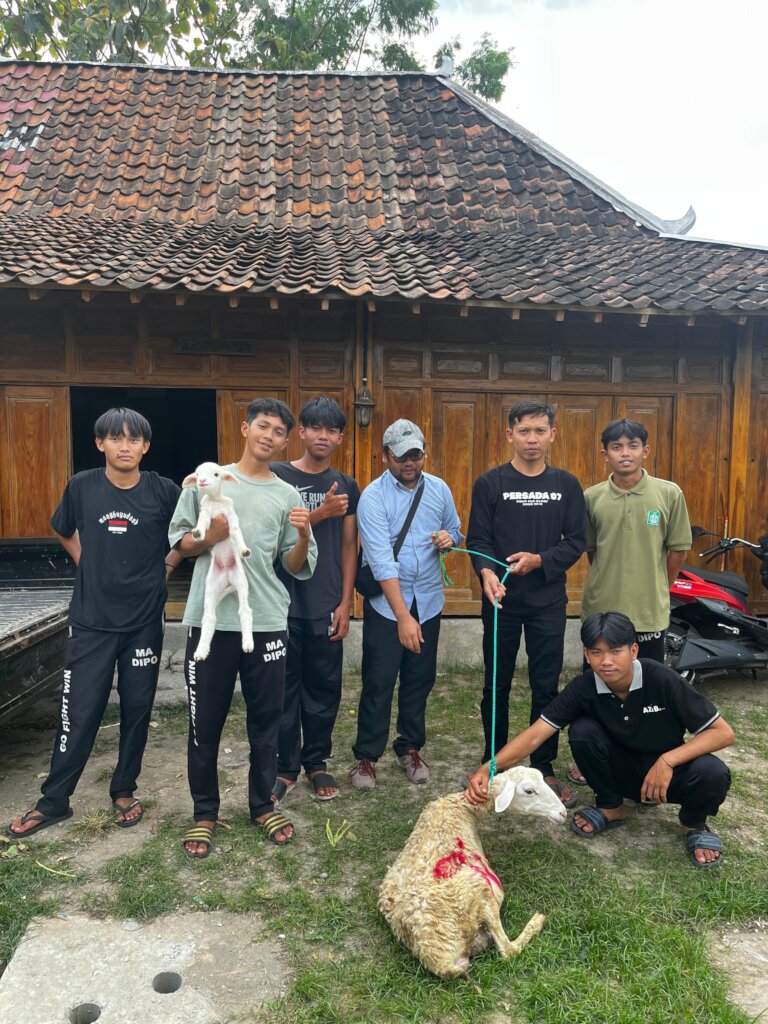
Recognizing this gap, our learning programs aim to intentionally integrate soft-skill development into educational activities for children and youth.
The Challenge: Limited Soft-Skill Development in Education
In many schools, the learning process is oriented toward cognitive achievement and examination outcomes. However, success in today’s social and economic environment requires more than academic knowledge. Young people must be able to:
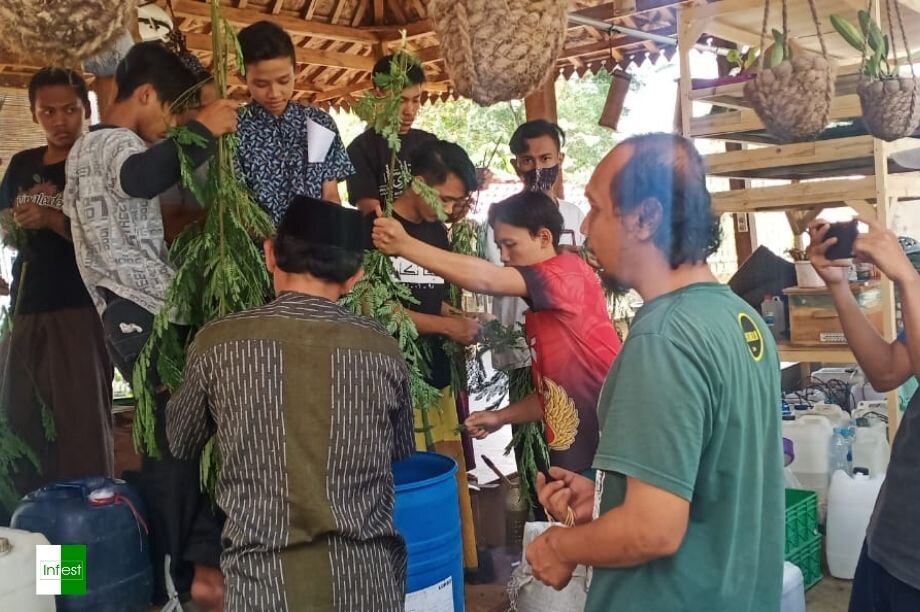
Work collaboratively
Communicate effectively
Adapt to change
Demonstrate responsibility and self-discipline
Without structured exposure to these competencies, children may struggle with confidence, social interaction, and problem-solving. This gap becomes even more critical during adolescence, when identity formation and social engagement intensify.
The Role of Parents and Household Limitations
Parents play a crucial role in shaping children’s behavior and character. However, in economically vulnerable communities, many parents face structural limitations:
Long working hours reduce supervision time
Limited educational background constrains guidance capacity
Economic stress affects family interaction quality
Lack of exposure to soft-skill concepts
As a result, children may not consistently receive reinforcement of discipline, communication norms, or emotional regulation at home. This does not reflect a lack of care, but rather structural constraints.
Therefore, community-based learning centers can function as complementary spaces that strengthen soft-skill development alongside families and schools.
Teaching Soft Skills from an Early Age
Developing soft skills must begin early. Childhood and adolescence are formative periods during which habits, character traits, and social behaviors are shaped.
Our approach emphasizes two foundational competencies:
1. Orderliness and Discipline
Discipline is not about punishment; it is about structure and responsibility. Children are guided to:
Arrive on time for activities
Follow agreed learning routines
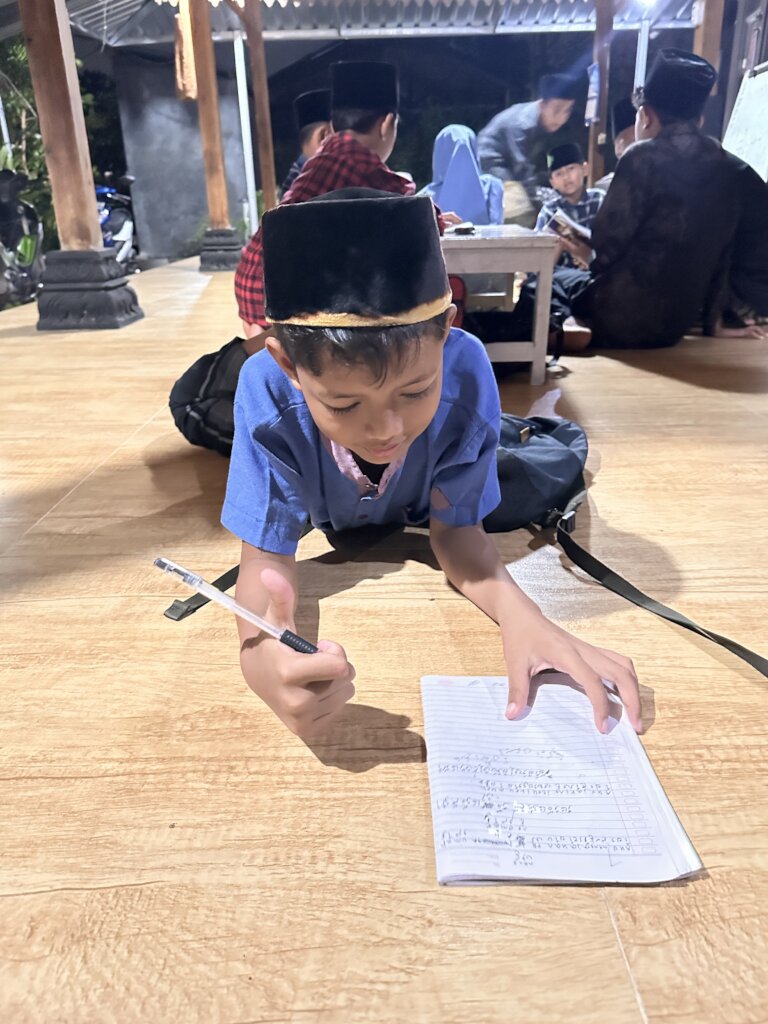
Complete assigned tasks
Respect shared spaces and materials
Through consistent practice, children internalize habits of punctuality, accountability, and self-regulation. These habits form the foundation for academic achievement and professional reliability in the future.
Orderliness also teaches children that structure creates safety and clarity—an important lesson in environments where unpredictability may be common.
2. Interpersonal Communication
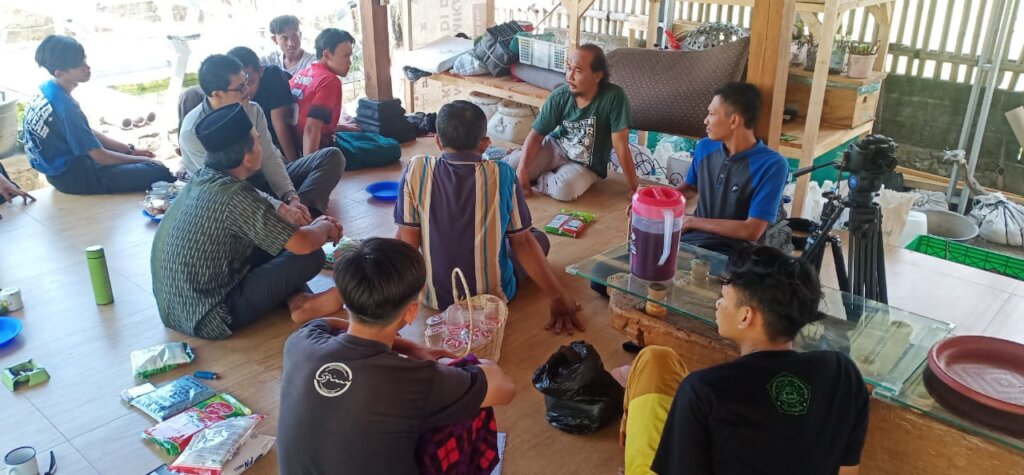
Effective communication is a cornerstone of personal and professional success. Children and adolescents are encouraged to:
Express ideas clearly and respectfully
Practice active listening
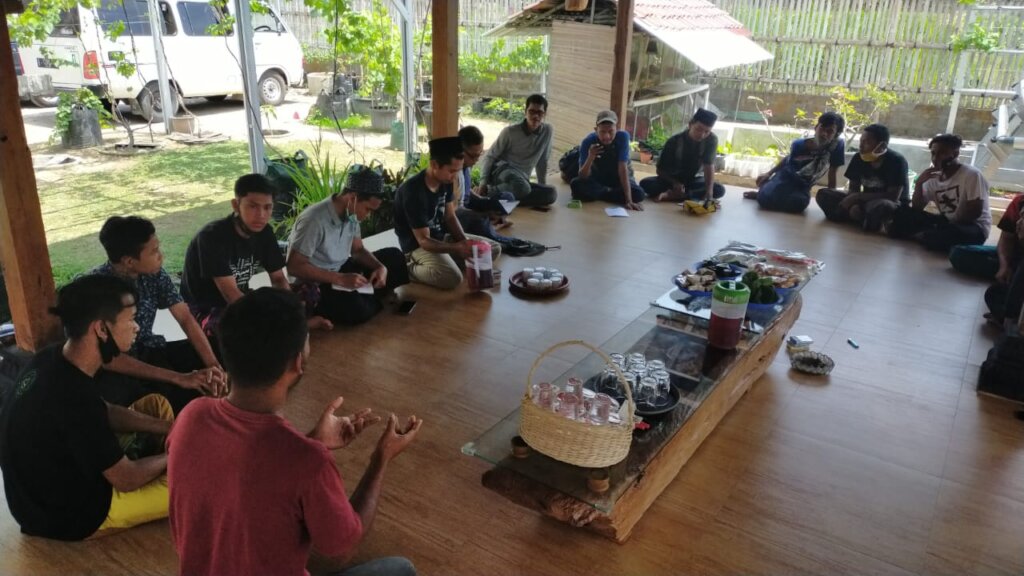
Engage in group discussions
Develop storytelling and presentation skills
Through structured dialogue and collaborative activities, participants learn to build confidence, manage differences of opinion, and interact constructively with peers and mentors.
Interpersonal communication strengthens not only academic performance but also emotional intelligence and leadership capacity.
Conclusion
Soft skills are not secondary to education—they are essential to it. In contexts where formal schooling may prioritize academic outcomes and families face structural constraints, intentional soft-skill development becomes even more critical.
By teaching discipline, orderliness, and interpersonal communication from an early age, we equip children and adolescents with competencies that extend far beyond the classroom. These skills enhance their ability to adapt, collaborate, and pursue opportunities in a rapidly changing world.
Preparing young people with strong soft skills today means preparing resilient, confident, and capable individuals for tomorrow.
Project reports on GlobalGiving are posted directly to globalgiving.org by Project Leaders as they are completed, generally every 3-4 months. To protect the integrity of these documents, GlobalGiving does not alter them; therefore you may find some language or formatting issues.
If you donate to this project or have donated to this project, you can receive an email when this project posts a report. You can also subscribe for reports without donating.



Support this important cause by creating a personalized fundraising page.
Start a Fundraiser