By Mufid | Project Staff
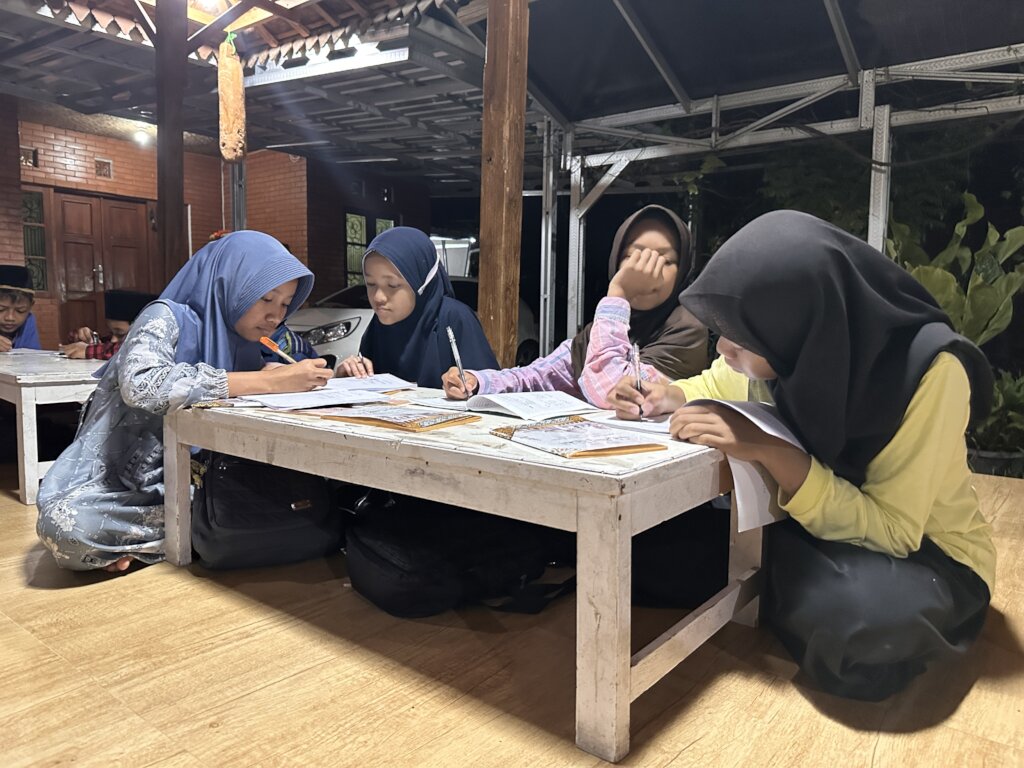
Reading is more than an academic skill—it is the foundation of imagination, critical thinking, and lifelong learning. A child who loves reading gains access not only to knowledge, but to worlds beyond their immediate environment. Yet in many rural communities in Indonesia, building a culture of reading remains a significant challenge.
According to national and international assessments, Indonesia continues to face serious literacy concerns. Results from the Programme for International Student Assessment (PISA) show that Indonesian students perform below the OECD average in reading literacy. While basic literacy rates are high, reading comprehension and critical reading skills remain weak. In practice, this means that many children can read words—but struggle to understand, analyze, and reflect on what they read.
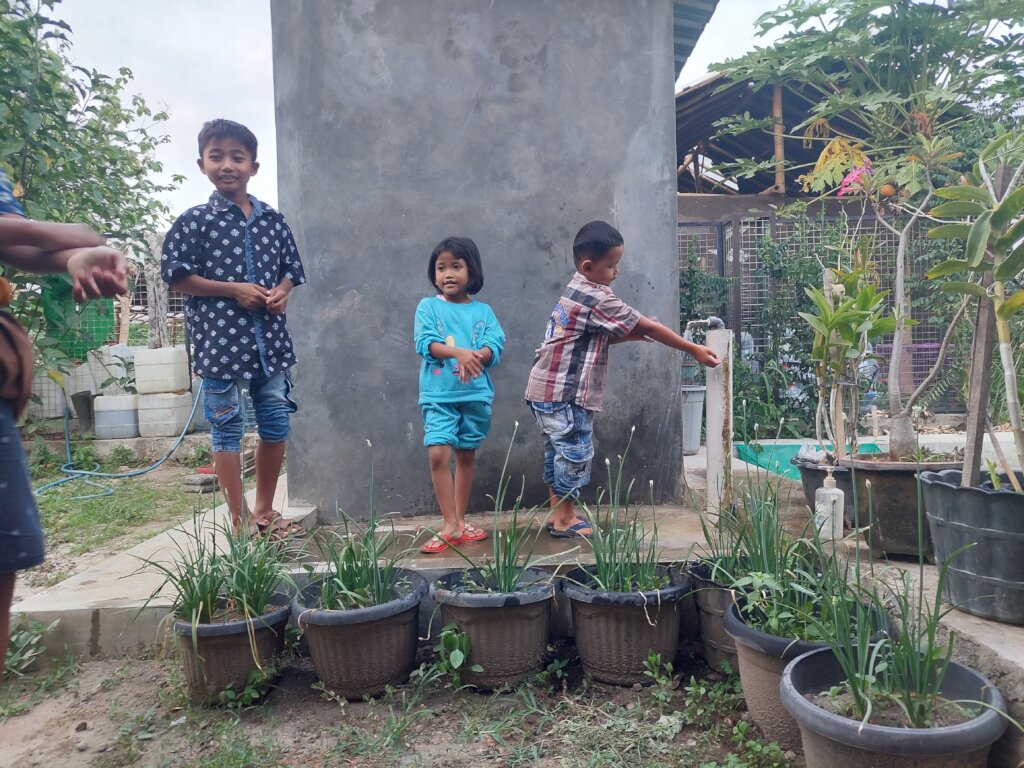
This gap is even more visible in rural areas.
The Reality Behind Literacy Challenges
Literacy development does not happen in isolation. It is shaped by environment—at school and at home.
In many rural households, parents work long hours in agriculture or informal sectors. Economic pressures leave little time for shared reading activities. Additionally, many parents themselves did not grow up with strong reading habits. Books were not a central part of their childhood experience.
As a result:
Reading is often seen as a school obligation, not a joyful habit
There is limited encouragement for independent reading
Children rarely see adults modeling reading behavior
Books are not prioritized in household spending
This is not a matter of indifference. It is a matter of exposure and access.
Limited Access to Books and Libraries
Access remains one of the most significant barriers.
In many rural schools and communities:
Libraries are small or under-resourced
Book collections are outdated or limited
Children have little access to diverse genres (science, stories, biographies, etc.)
Digital reading platforms are inaccessible due to poor internet connectivity
Without engaging and age-appropriate books, it is difficult to cultivate curiosity. When books are scarce, reading becomes rare.
A child cannot develop a love for books without books.
Why Building Reading Habits Matters
Reading builds:
Vocabulary and language skills
Critical thinking and problem-solving ability
Empathy and emotional intelligence
Confidence in academic performance
Curiosity about the world
More importantly, strong literacy skills are directly linked to long-term educational success and economic mobility. Children who read regularly are more likely to succeed in school and beyond.
Developing a reading culture from an early age is therefore not a luxury—it is an investment in a child’s future.
Project reports on GlobalGiving are posted directly to globalgiving.org by Project Leaders as they are completed, generally every 3-4 months. To protect the integrity of these documents, GlobalGiving does not alter them; therefore you may find some language or formatting issues.
If you donate to this project or have donated to this project, you can receive an email when this project posts a report. You can also subscribe for reports without donating.



Support this important cause by creating a personalized fundraising page.
Start a Fundraiser