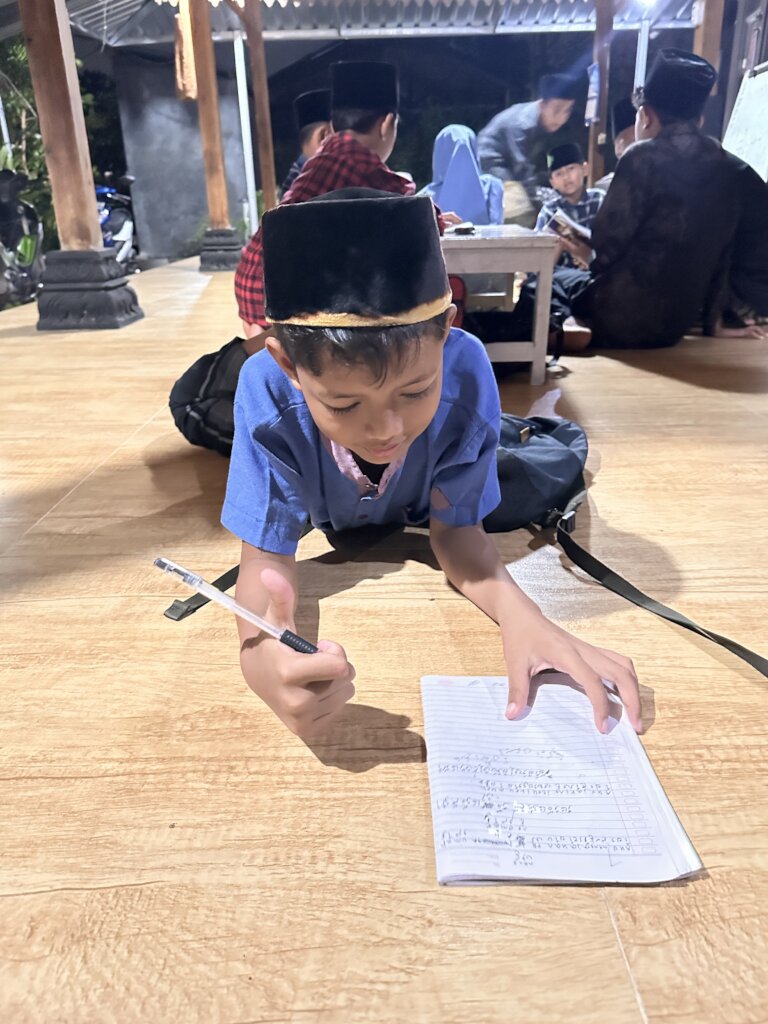
In recent years, a quiet shift has taken place in classrooms and homes. As digital devices become more common and learning materials move online, handwriting practice has gradually declined. Many children today struggle to write clearly and neatly. Some feel uncomfortable holding a pen for extended periods. Others avoid writing tasks because their handwriting feels messy or slow.
In many schools, handwriting is no longer systematically trained as it once was. Academic schedules are tight, digital assignments are increasing, and emphasis is often placed on content rather than form. As a result, the quality of children’s handwriting has noticeably declined.
Yet handwriting remains an essential foundational skill.
More Than Just Writing Letters
Handwriting is not merely about producing neat letters on paper. It strengthens:
Research shows that writing by hand helps children remember information better than typing. The physical act of forming letters connects the brain to language in a deeper way. Handwriting slows thinking just enough to encourage reflection and comprehension.
In this way, writing by hand is closely connected to reading. Children who write regularly tend to recognize letter patterns more effectively, understand sentence structures better, and develop stronger literacy skills overall.
Writing strengthens reading. Reading strengthens thinking.
Rebuilding Habits and Confidence
When handwriting is neglected, children may lose confidence in expressing themselves on paper. Poor handwriting can lead to frustration, lower academic performance, and reduced motivation to complete written tasks.
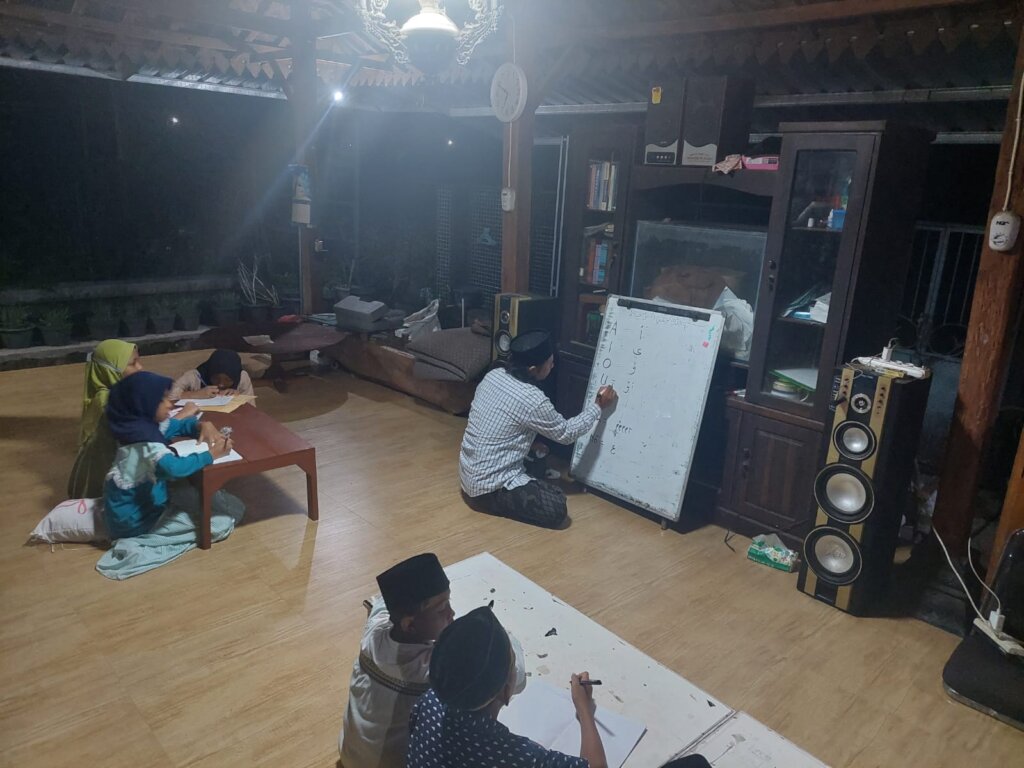
Our initiative aims to reintroduce structured handwriting practice in a supportive and encouraging environment. Through guided exercises, repetition, and creative writing activities, children gradually rebuild:
The goal is not perfection. The goal is habit, discipline, and quality.
By restoring handwriting practice, we help children reconnect with the tactile and reflective process of learning. We encourage them to slow down, think clearly, and take pride in their written work.
A Small Skill with Long-Term Impact
Handwriting may seem simple, but it carries long-term benefits. It supports academic success, strengthens literacy development, and builds discipline. Most importantly, it empowers children to express their thoughts with clarity and confidence.
In a rapidly digital world, returning to handwriting is not a step backward. It is a way of preserving a foundational learning skill that strengthens both reading and thinking.
By helping children write well again, we help them think well—and learn better for life.