By Mufid | Project Staff
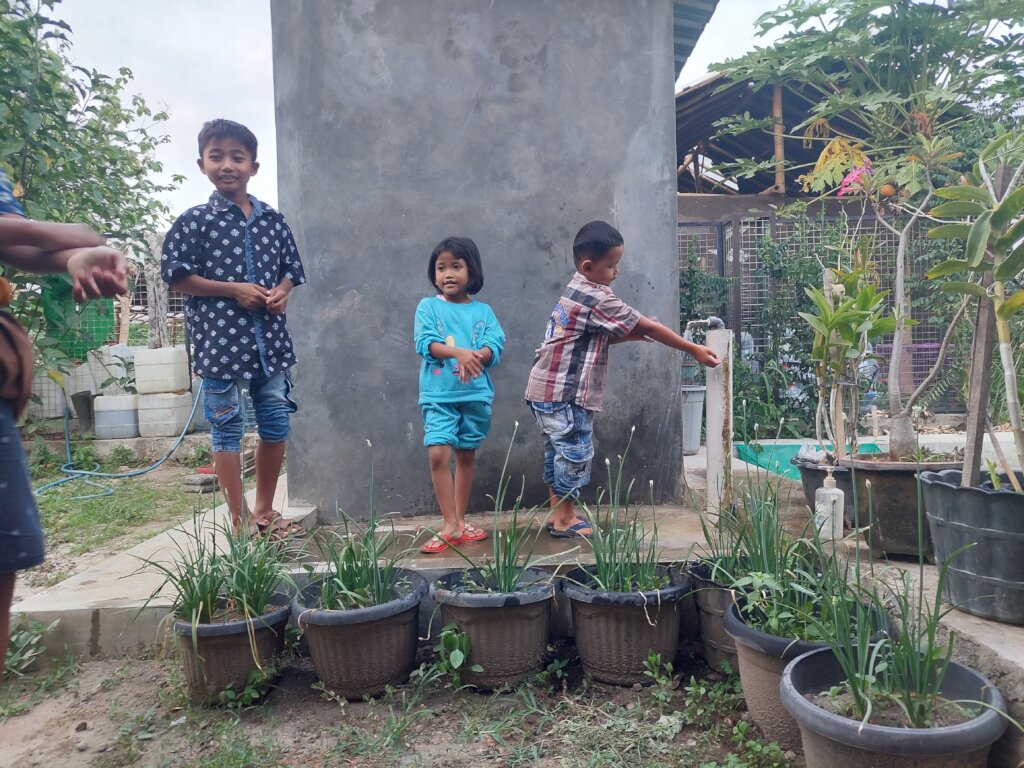
Poverty is rarely a single event. It is a cycle—one that can repeat across generations when access to opportunity is unequal. One of the most powerful drivers of this cycle is unequal access to quality education.
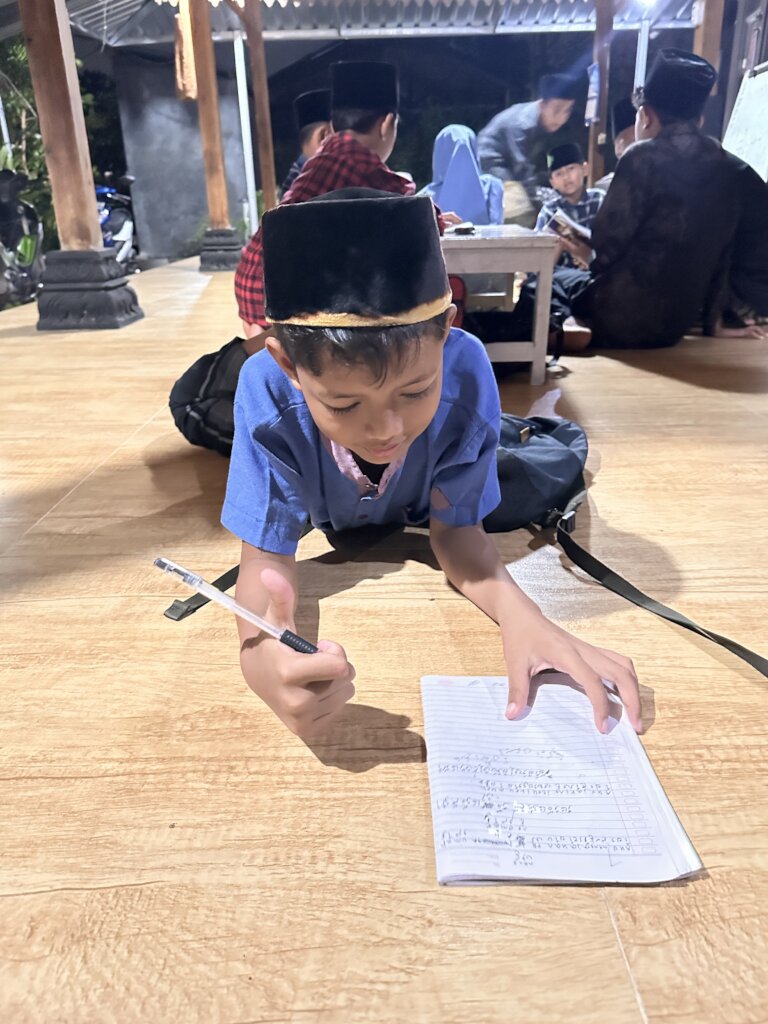
In Indonesia, the gap between urban and rural education remains significant. While children in cities benefit from better infrastructure, stronger institutional support, and broader exposure, many rural children grow up navigating a much steeper path.
This is not a gap of potential—it is a gap of access.
Unequal Facilities and Teacher Quality
In urban areas, schools often have:
Adequate classrooms and laboratories
Libraries with diverse book collections
Stable internet access and digital tools
Access to extracurricular enrichment programs
In contrast, many rural schools struggle with limited infrastructure, minimal teaching aids, and insufficient technological support.
The disparity also extends to teacher capacity. Urban schools tend to attract more qualified teachers with better professional development opportunities. In rural areas, educators often work under constrained conditions, with limited training access and lower financial stability.
The result is a structural inequality where students in villages must compete with peers who have far greater educational advantages.
Weak Educational Support Systems at Home
Educational inequality is not confined to schools. It continues at home.
Many rural families face economic pressures that require parents to work long hours in agriculture or informal sectors. This limits the time available for supervising homework or engaging in academic discussions. Additionally, some parents may have limited educational backgrounds themselves, reducing their ability to guide their children’s learning journey.
Without strong social support systems related to education, children may lack:
Academic mentoring
Exposure to books and structured learning
Encouragement to pursue higher education
Reinforcement of discipline and study habits
When schools and families both face limitations, children carry the burden alone.
Poverty as a Repeating Cycle
When access to quality education is uneven, poverty becomes self-reinforcing. Limited education leads to limited skills. Limited skills lead to limited employment opportunities. Limited income then restricts the next generation’s access to education.
This is how inequality reproduces itself.
Breaking this cycle requires more than incremental change. It requires comprehensive and inclusive education.
The Need for Holistic Education
Education must go beyond textbooks. Rural children need access to:
Strong scientific foundations
Practical skills training
Digital literacy
Soft skills such as communication, discipline, and critical thinking
Holistic education prepares students not only to pass exams, but to build sustainable livelihoods, adapt to change, and contribute meaningfully to their communities.
Science strengthens reasoning.
Skills create opportunity.
Soft skills build resilience and leadership.
Together, they form the foundation of upward mobility.
Our Commitment: Affordable and Accessible Formal Education
We believe that where a child is born should not determine the quality of education they receive.
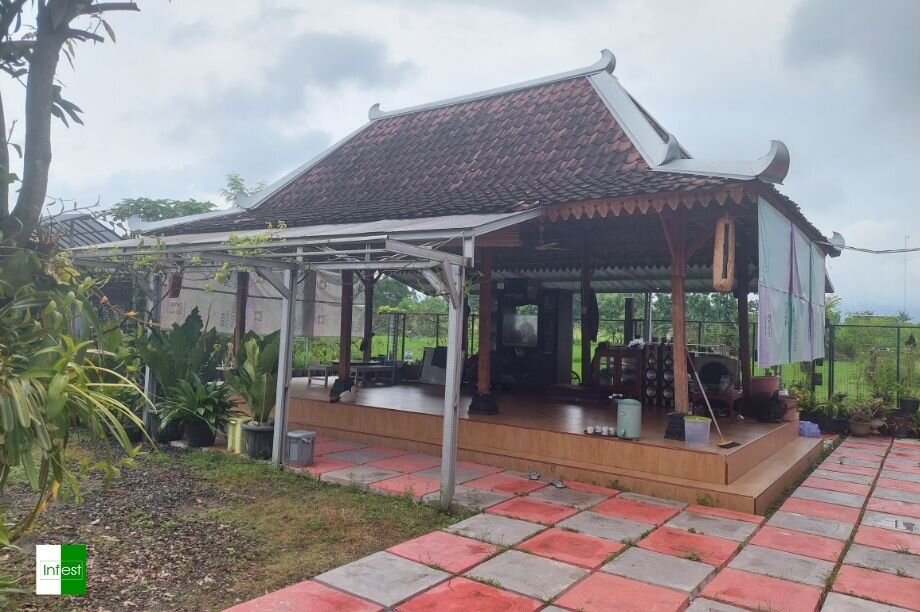
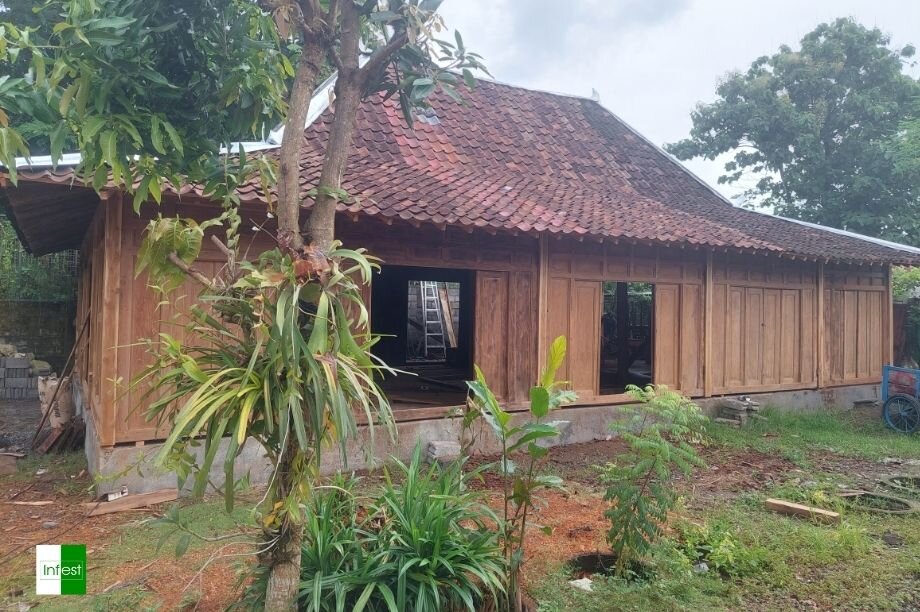
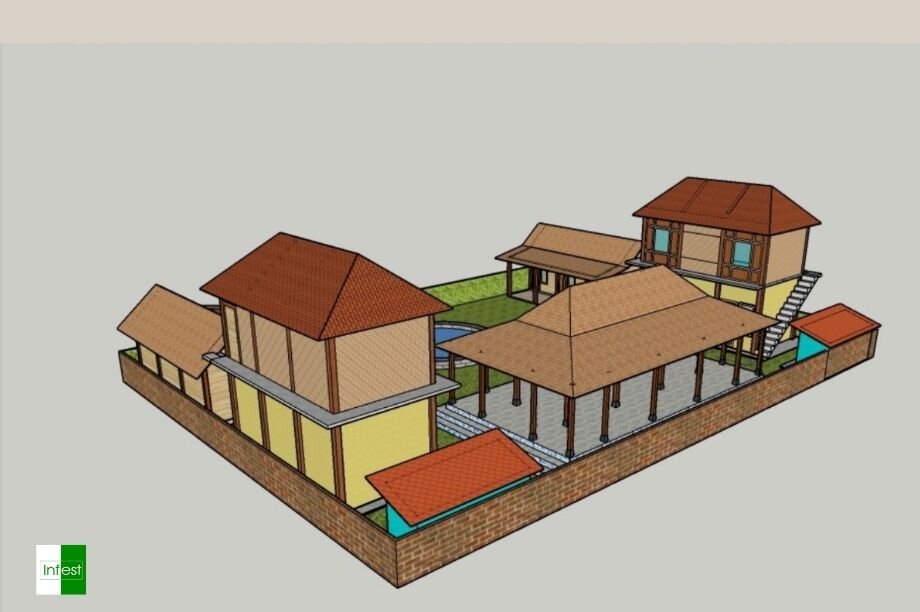
Our vision is to establish an affordable and accessible formal education institution specifically designed to serve rural children. This school will integrate academic learning, practical skills, and character development—ensuring that students receive balanced, future-oriented education.
By creating a formal institution that remains financially accessible, we aim to:
Reduce educational inequality
Expand opportunities for rural youth
Strengthen community-based development
Break the intergenerational cycle of poverty
Equal access to quality education is not a privilege—it is a necessity for national progress.
If we want to reduce poverty sustainably, we must begin by equalizing education.
And that begins with building systems that ensure rural children no longer run the race barefoot.
Project reports on GlobalGiving are posted directly to globalgiving.org by Project Leaders as they are completed, generally every 3-4 months. To protect the integrity of these documents, GlobalGiving does not alter them; therefore you may find some language or formatting issues.
If you donate to this project or have donated to this project, you can receive an email when this project posts a report. You can also subscribe for reports without donating.



Support this important cause by creating a personalized fundraising page.
Start a Fundraiser