By nur | Project Staff
In many rural communities across Indonesia, poverty is not just a temporary hardship—it is a cycle that repeats across generations. Limited income leads to limited access to quality education. Limited education leads to restricted job opportunities. And restricted opportunities reinforce economic vulnerability within families and communities.
Breaking this cycle requires more than short-term assistance. It requires education that is accessible, relevant, and directly connected to livelihood opportunities.
For children in rural areas, the barriers are significant. Schools often operate with modest facilities. Learning materials are limited. Parents, working long hours in agriculture or informal labor, may not have the time or educational background to provide academic guidance at home. As a result, many students face learning gaps and increased risk of dropout.
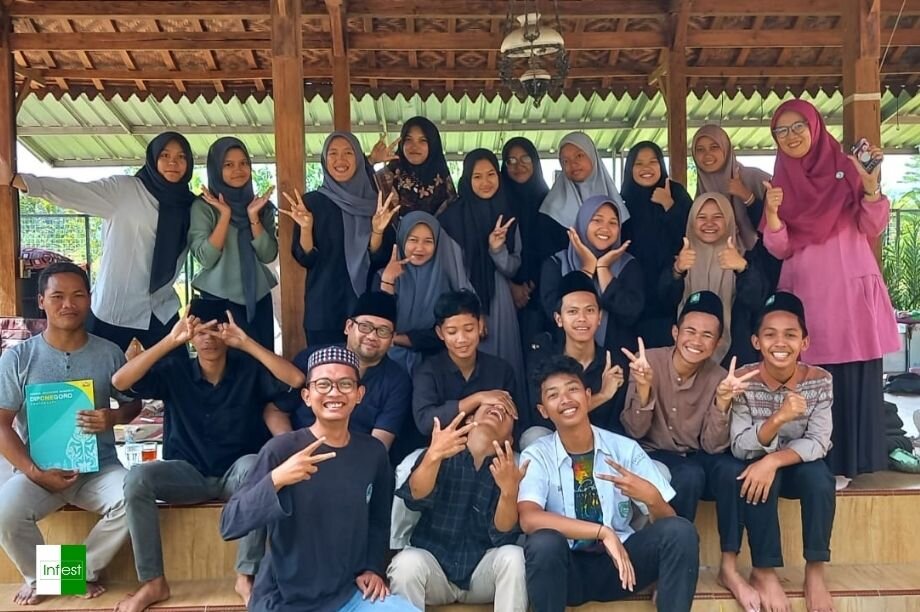
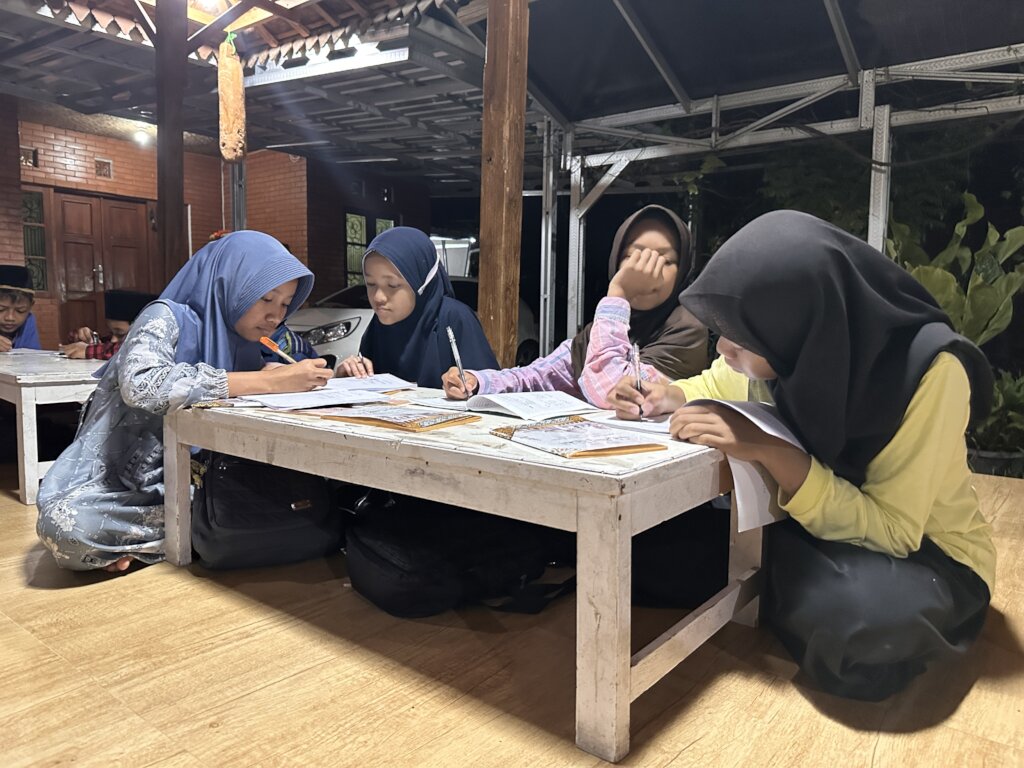
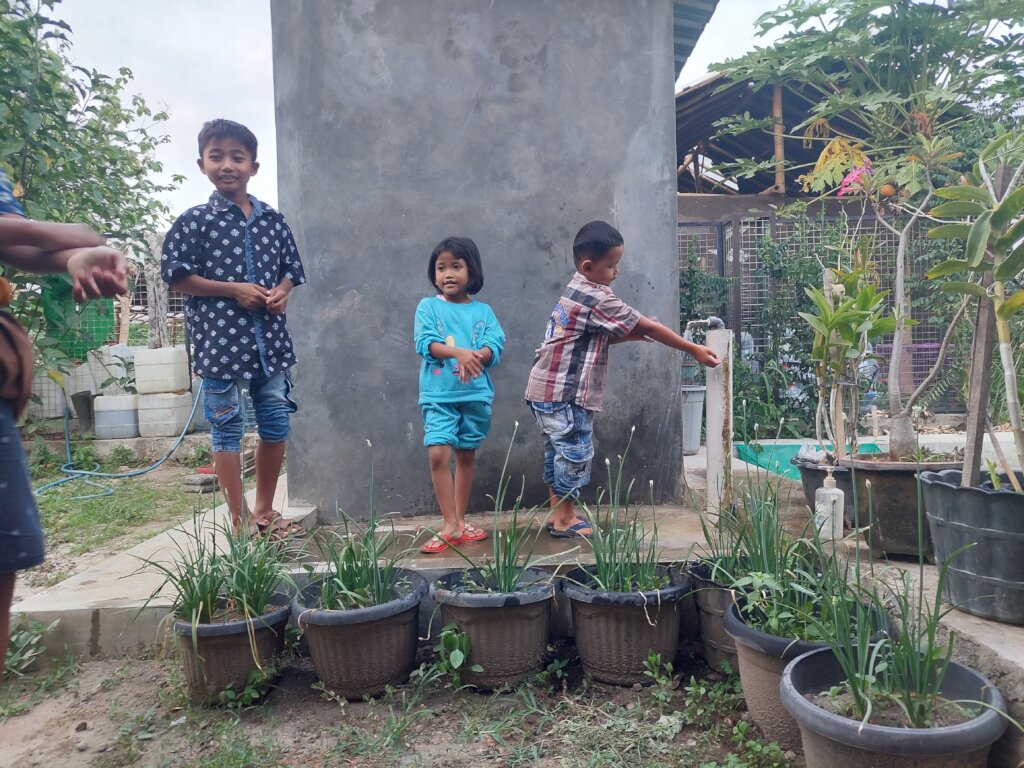
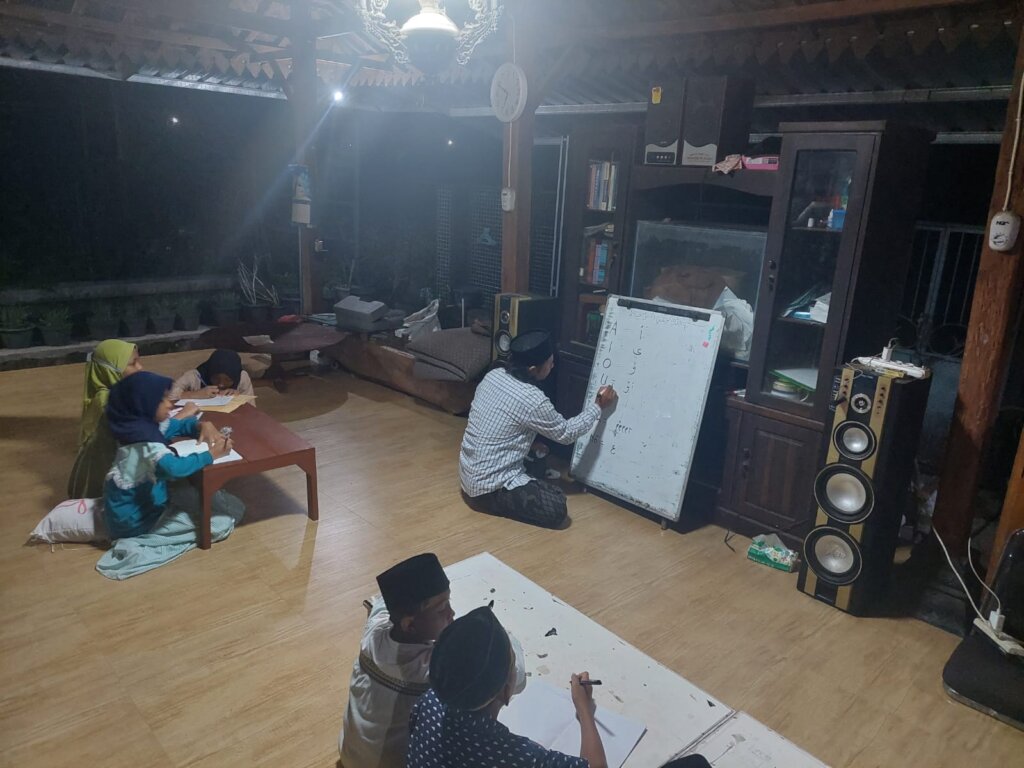
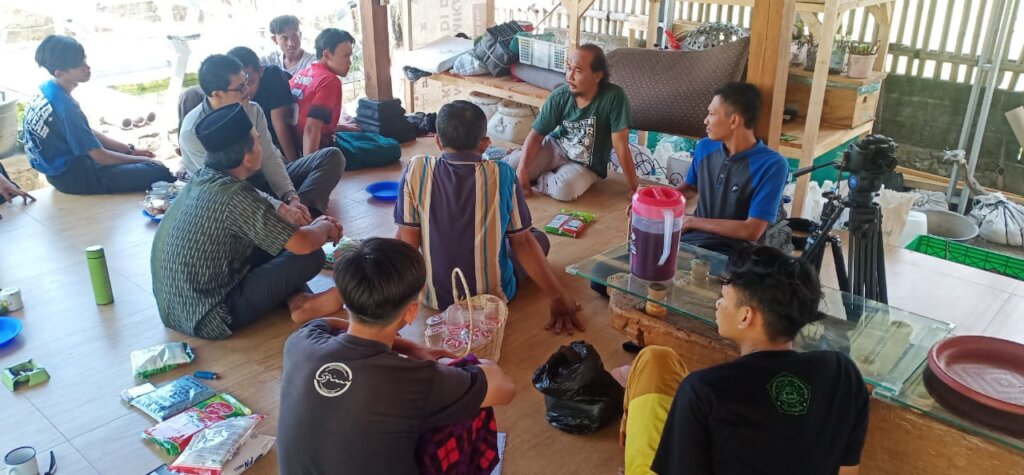
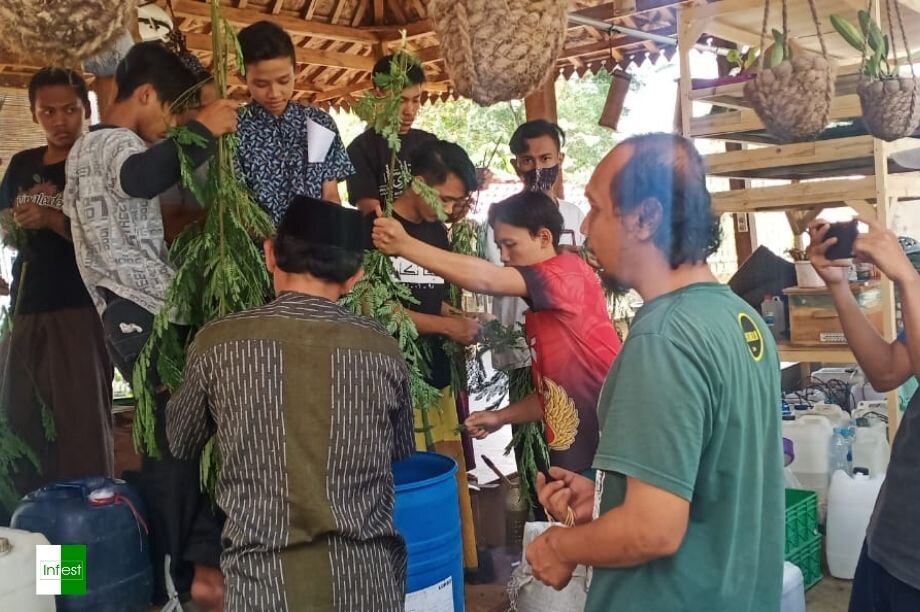
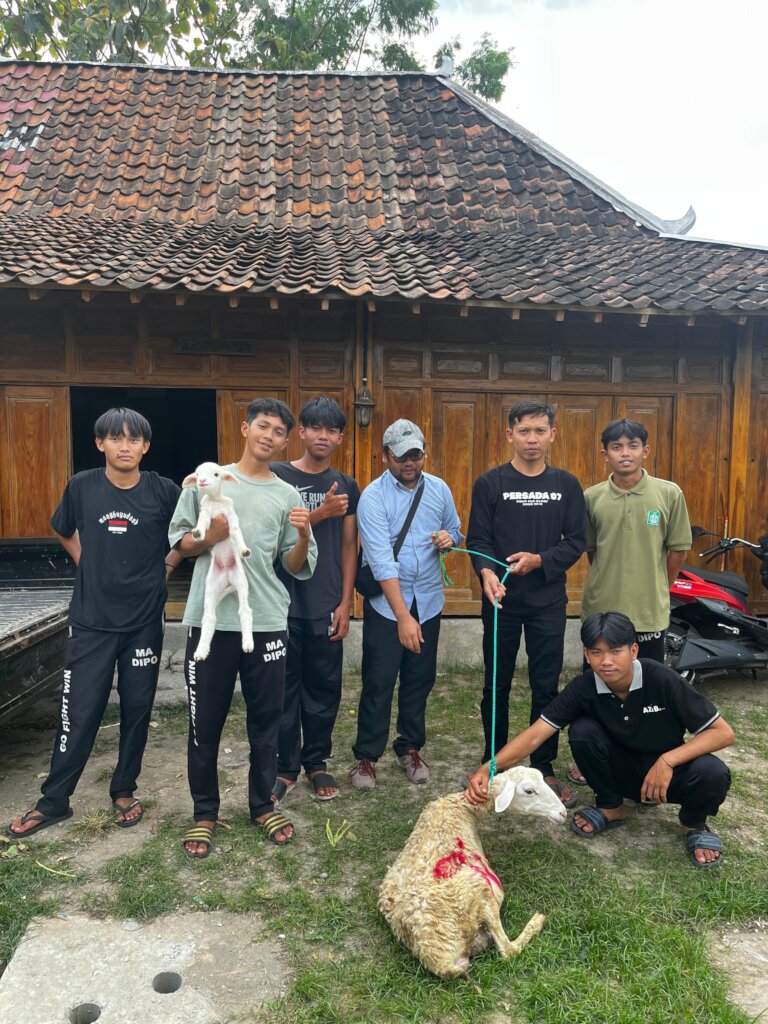
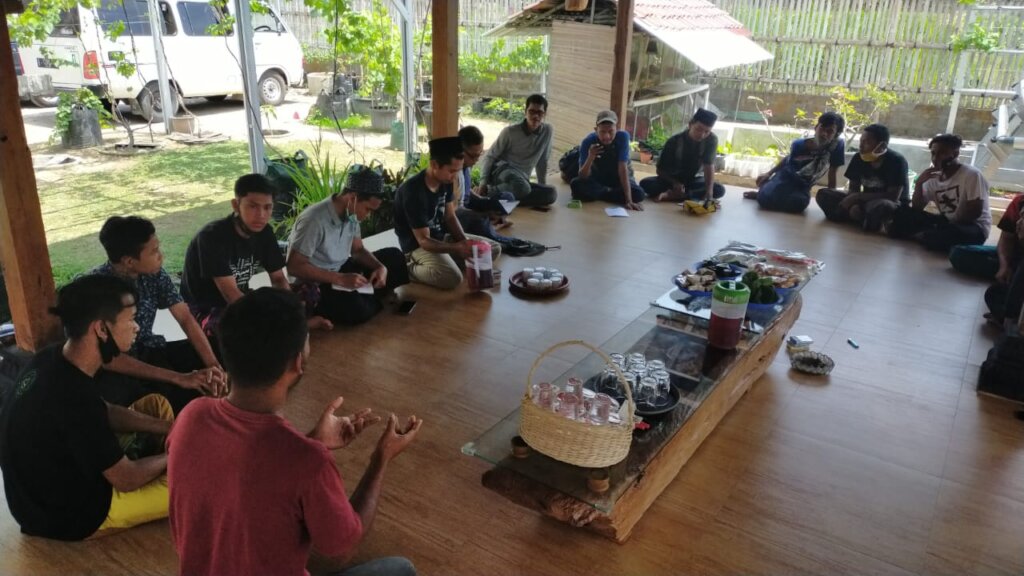
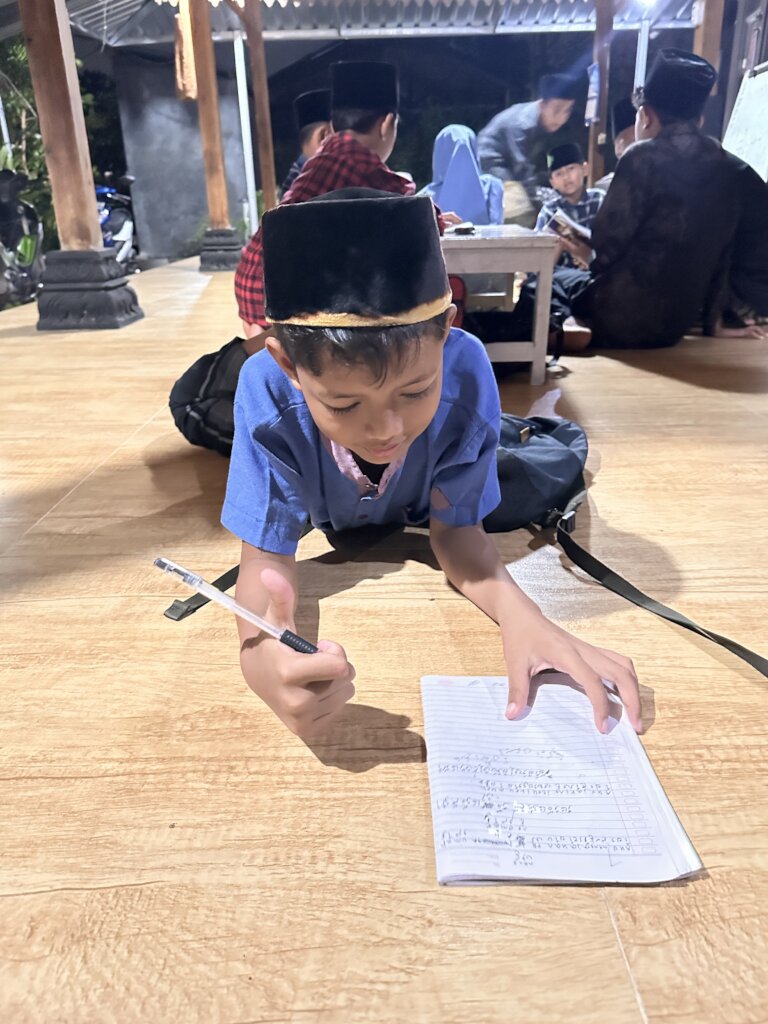
Since 2023, Punthuk Sewu Learning Center in Bantul, Yogyakarta has worked to bridge these gaps through academic tutoring, character development, and vocational exposure in agribusiness and livestock. Through close engagement with more than 50 students from low-income households, we have seen how structured support strengthens confidence and academic performance. But we have also recognized that informal mentoring alone cannot dismantle structural poverty.
Education must lead somewhere. It must open real pathways.
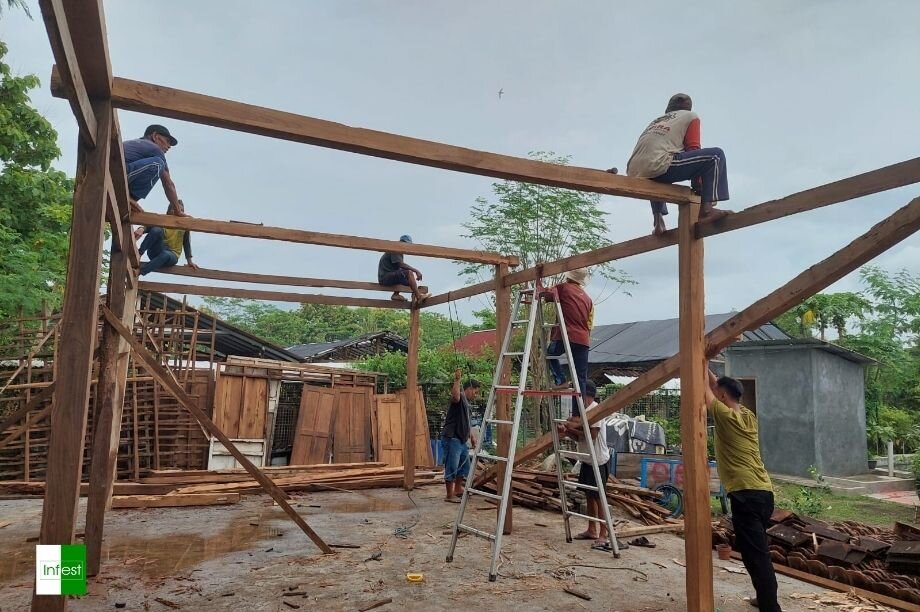
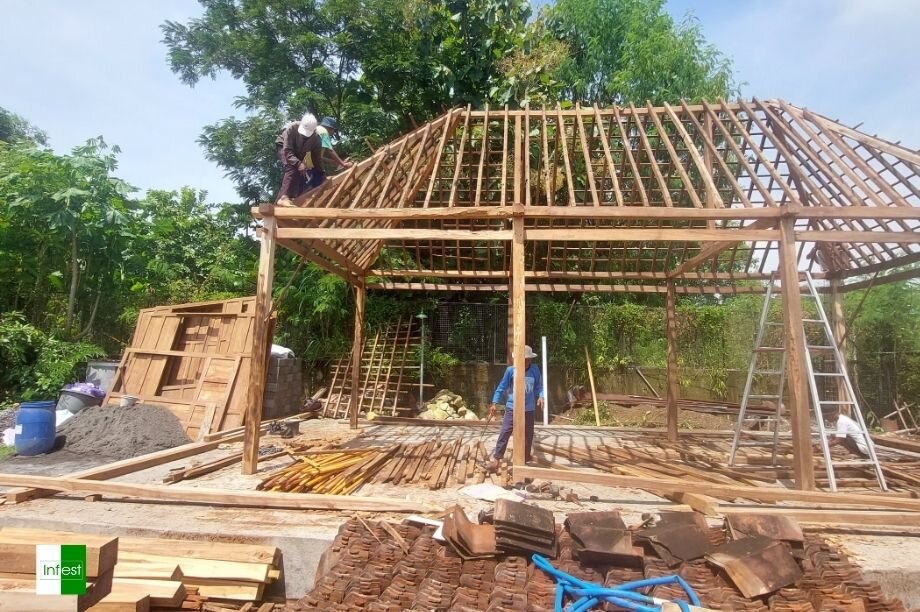
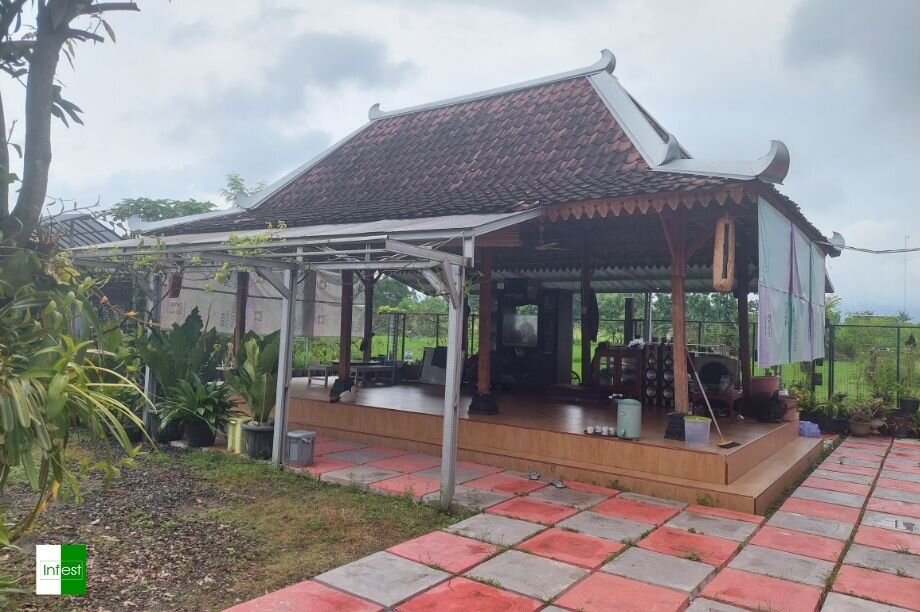
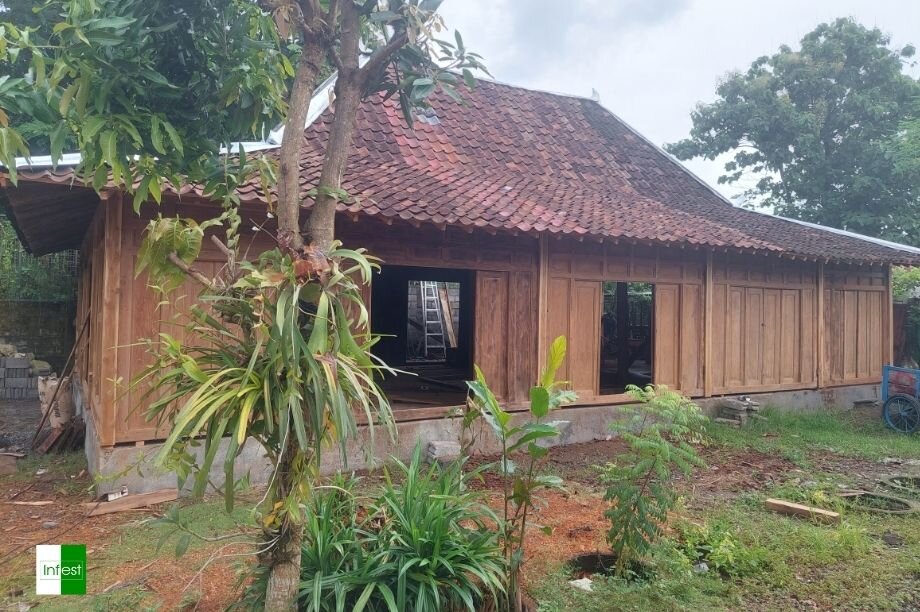
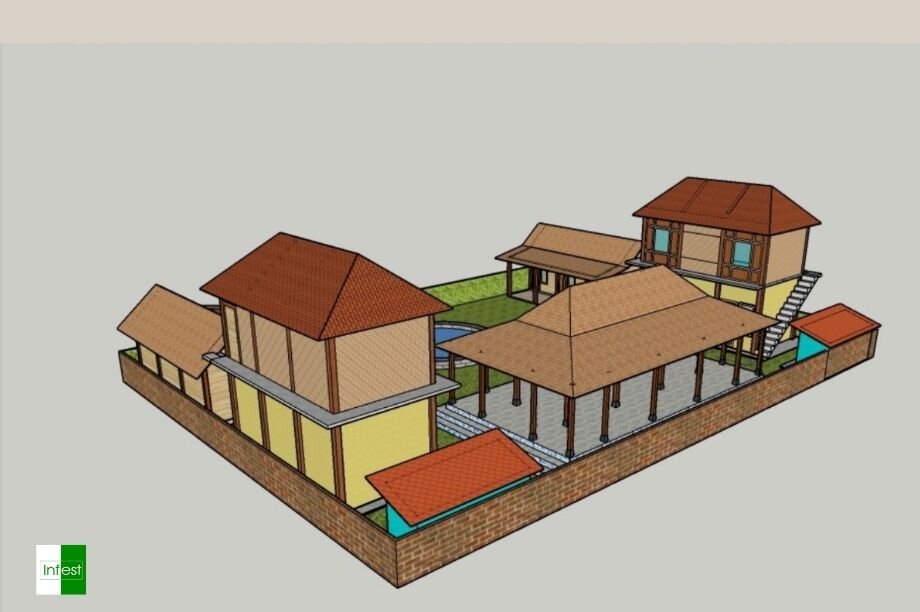
That is why we are preparing to transform Punthuk Sewu into a formal Junior Secondary School and Vocational Training Center, integrating strong academic foundations with practical, market-relevant skills. By combining STEM education, digital literacy, agribusiness training, and character development within a structured boarding model, we aim to equip rural youth with the tools to build sustainable livelihoods.
By 2028, our goal is to serve 400 students from economically vulnerable families—ensuring they graduate not only with certificates, but with competence, confidence, and clear economic pathways.
Education as a pathway out of rural poverty means more than access to classrooms. It means equipping young people with the knowledge, skills, and resilience needed to transform their own futures. When education becomes intentional, inclusive, and connected to opportunity, poverty begins to loosen its grip.
Project reports on GlobalGiving are posted directly to globalgiving.org by Project Leaders as they are completed, generally every 3-4 months. To protect the integrity of these documents, GlobalGiving does not alter them; therefore you may find some language or formatting issues.
If you donate to this project or have donated to this project, you can receive an email when this project posts a report. You can also subscribe for reports without donating.



Support this important cause by creating a personalized fundraising page.
Start a Fundraiser