By mufid | Project Staff
1. Introduction
Rural communities across Indonesia face layered and interconnected challenges—economic vulnerability, limited access to quality education, restricted livelihood diversification, and exposure to environmental pressures. In such contexts, education cannot remain conventional or disconnected from local realities. It must be intentionally designed to strengthen resilience.
Designing education for rural resilience means building systems that equip young people not only with academic knowledge, but with the adaptive skills, practical competencies, and character foundations needed to navigate uncertainty and contribute to sustainable local development.
2. The Rural Challenge
Many rural families depend on informal labor, small-scale agriculture, or seasonal income sources. Economic shocks—whether due to market fluctuation, climate variability, or rising costs of living—disproportionately affect these communities.
Educational barriers in rural areas commonly include:
Limited infrastructure and laboratory facilities
Minimal digital access and technological integration
High dropout risks due to economic pressures
Low parental academic support capacity
Curriculum that is not aligned with local economic ecosystems
When education does not reflect rural realities, graduates often lack relevant skills and remain vulnerable to underemployment.
3. Education as a Resilience Strategy
Resilience in rural contexts requires education that integrates three core dimensions:
3.1 Academic Foundations
Strong literacy, numeracy, and STEM competencies are essential for critical thinking and long-term adaptability.
3.2 Practical and Vocational Skills
Education must be directly connected to local economic potential, such as agribusiness, livestock management, and sustainable agricultural systems. Applied skills enable youth to generate income and strengthen household stability.
3.3 Character and Adaptive Capacity
Discipline, leadership, collaboration, ethical values, and problem-solving ability are critical for navigating social and economic uncertainty.
When these dimensions are combined, education becomes a pathway toward economic mobility and community stability.
4. The Punthuk Sewu Approach
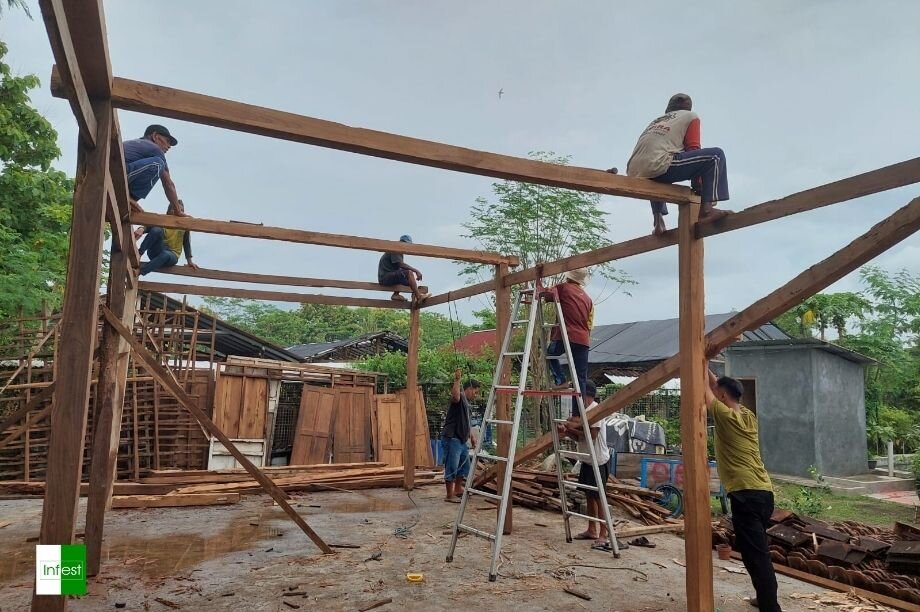
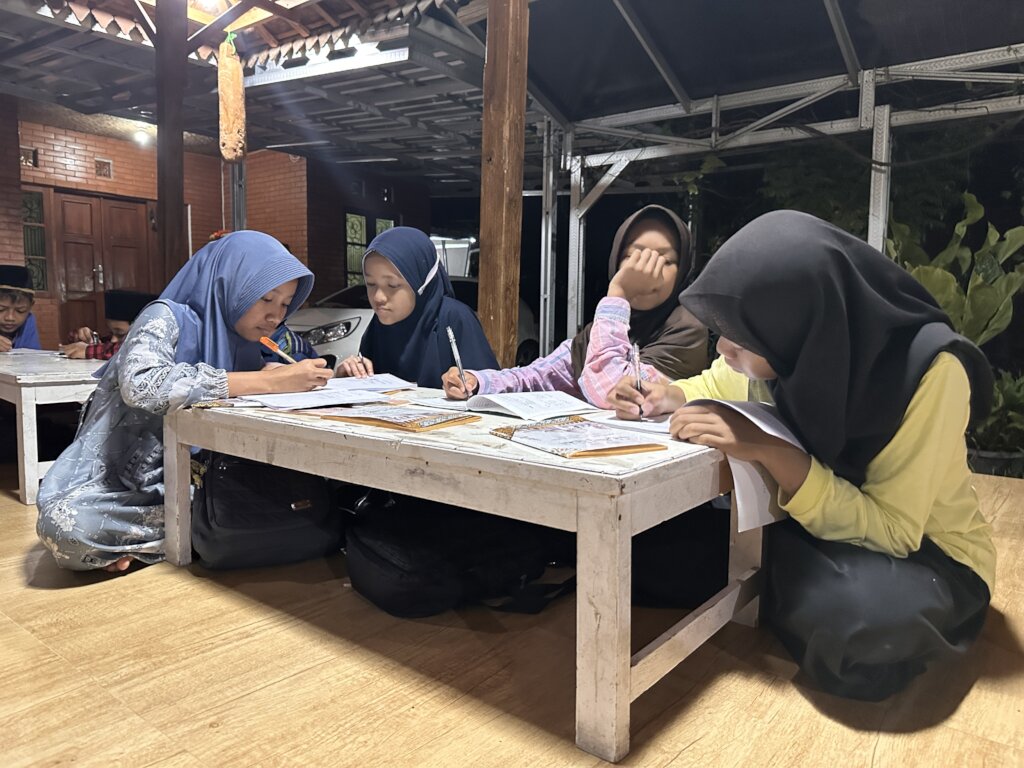
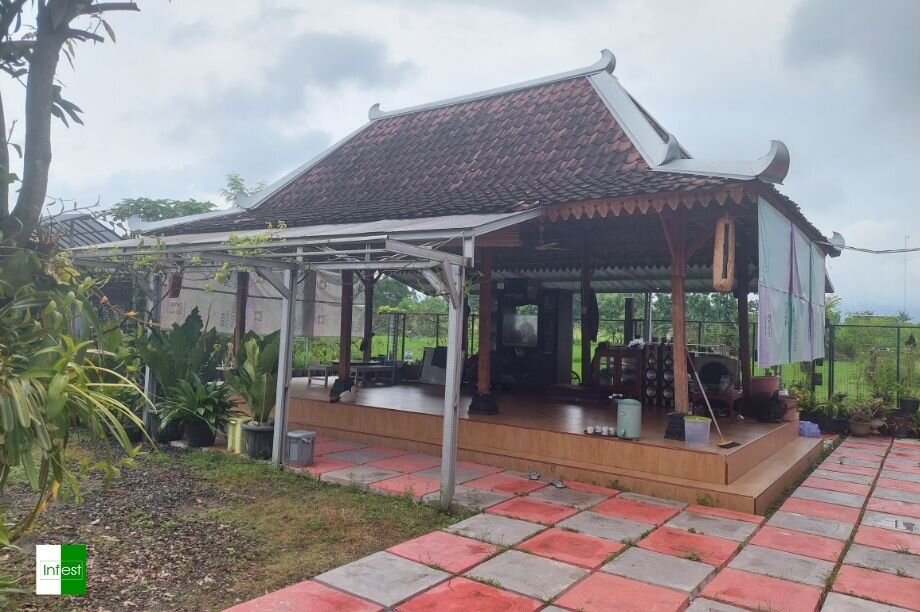
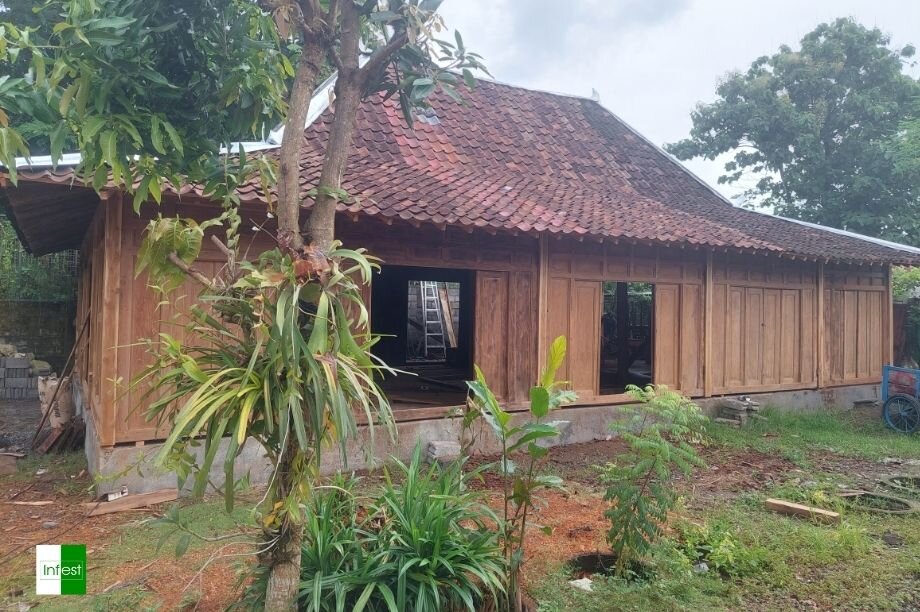
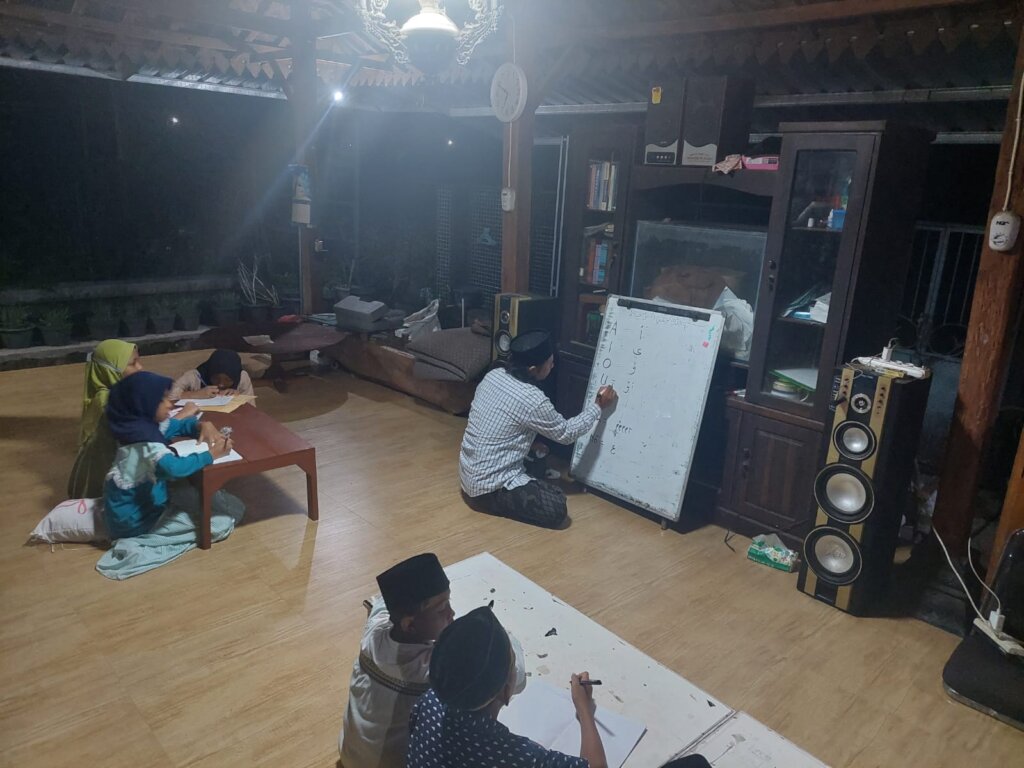
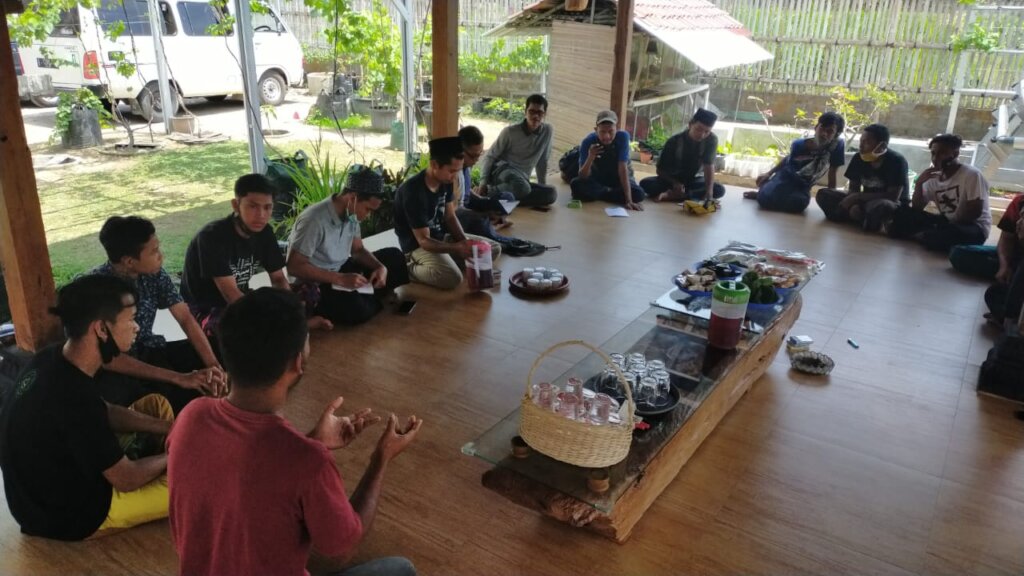
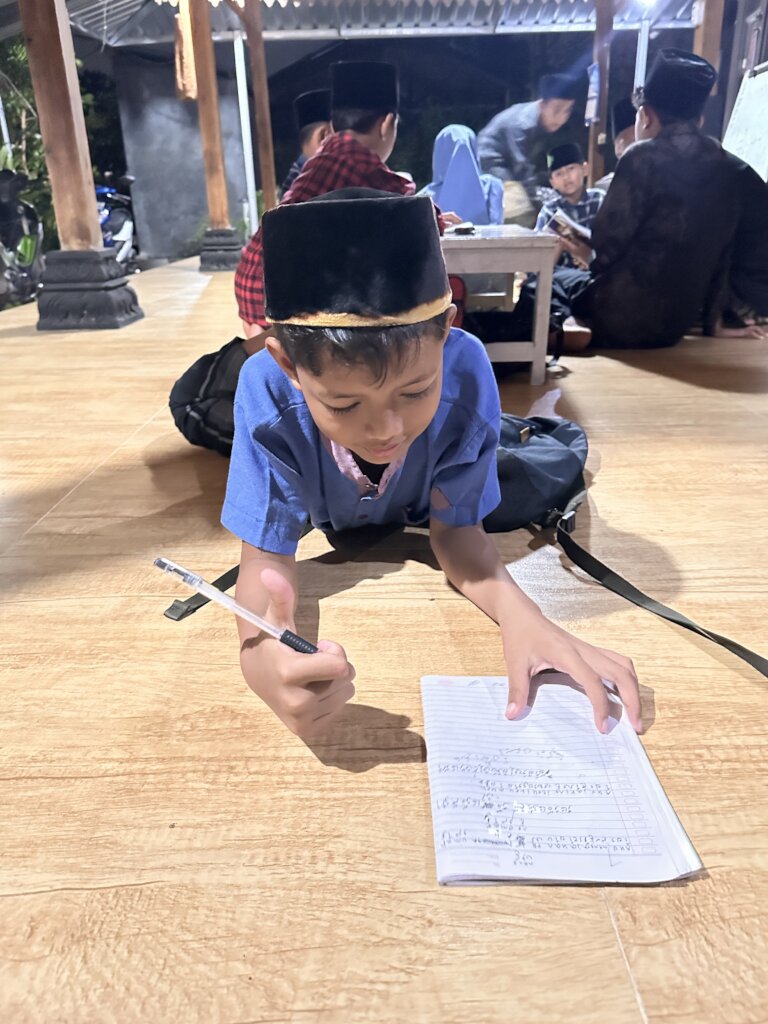
Since 2023, Punthuk Sewu Learning Center in Bantul, Yogyakarta has piloted a model of integrated learning that combines academic tutoring, character formation, and vocational exposure in agribusiness.
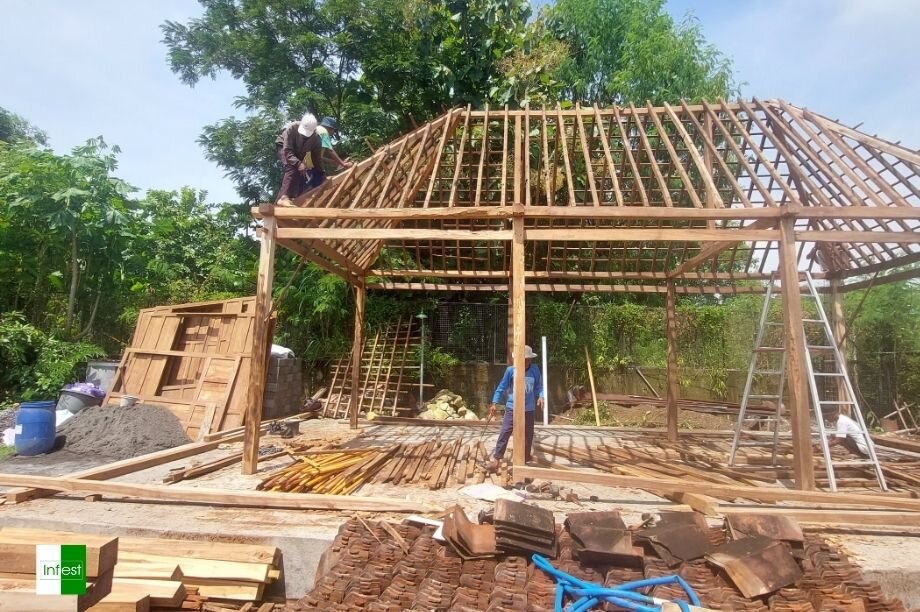
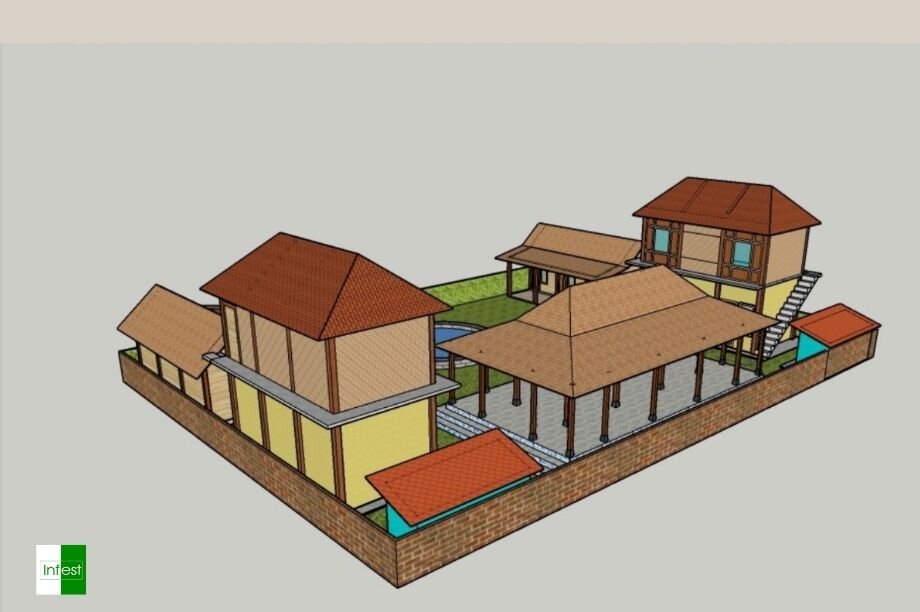
Building on this foundation, the next phase (2026–2028) aims to transition into:
A Formal Junior Secondary School (SMP)
A Vocational Training Center (LPK)
A boarding school (pesantren) model providing structured, continuous mentorship
The design prioritizes:
STEM education integrated with real-world application
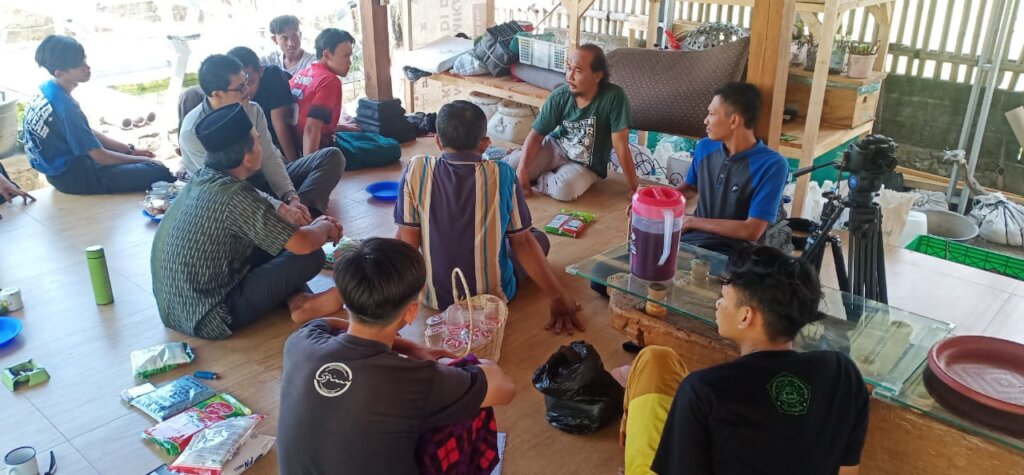
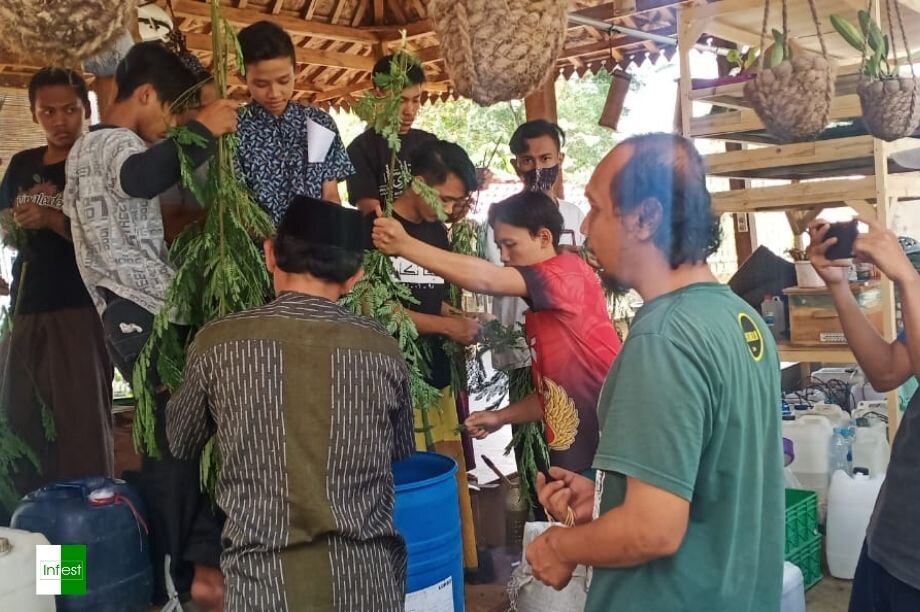
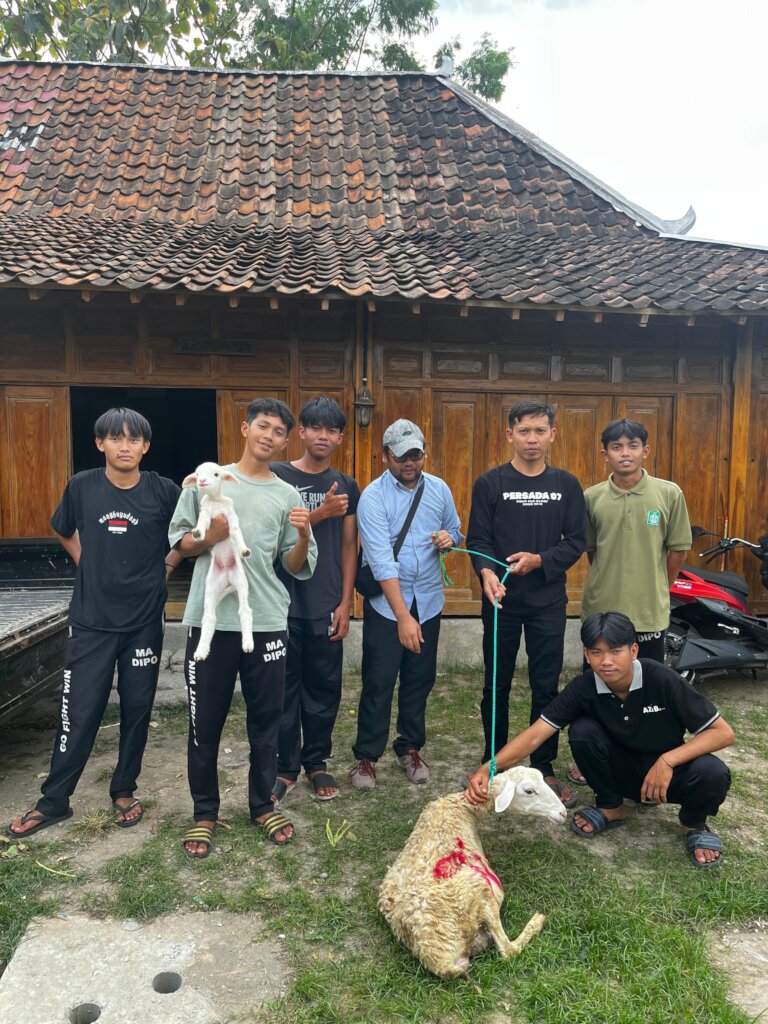
Hands-on agribusiness and livestock training
Digital literacy and entrepreneurial thinking
Strong moral and humanitarian values
By 2028, the target is to serve 400 students from underprivileged rural families.
5. Expected Outcomes
Designing education for rural resilience is expected to:
Reduce school dropout rates
Increase employability and entrepreneurial capacity
Strengthen household economic stability
Promote sustainable agricultural practices
Build adaptive and future-ready rural youth
Resilient individuals build resilient families.
Resilient families strengthen resilient communities.
6. Conclusion
Education designed for rural resilience is not merely about expanding access—it is about transforming structure. It requires intentional alignment between learning, livelihood, and local context.
When education equips rural youth with both knowledge and capability, poverty becomes less permanent, and opportunity becomes more accessible.
Designing education for rural resilience means designing a stronger future—rooted in villages, sustained by skills, and driven by dignity.
Project reports on GlobalGiving are posted directly to globalgiving.org by Project Leaders as they are completed, generally every 3-4 months. To protect the integrity of these documents, GlobalGiving does not alter them; therefore you may find some language or formatting issues.
If you donate to this project or have donated to this project, you can receive an email when this project posts a report. You can also subscribe for reports without donating.



Support this important cause by creating a personalized fundraising page.
Start a Fundraiser