By Laura Vente | Executive Director
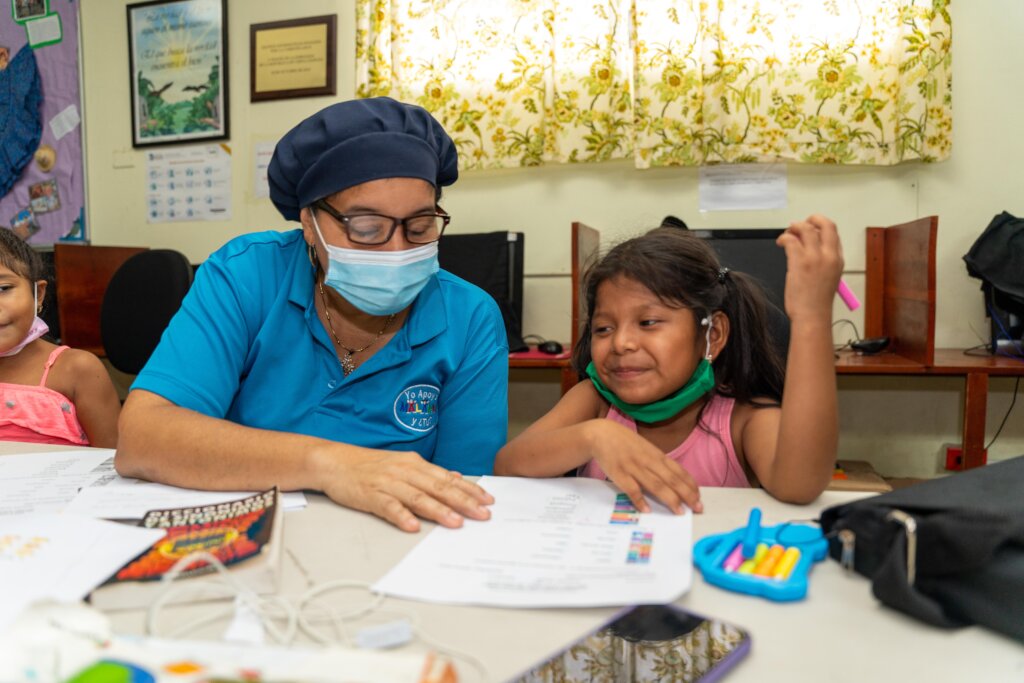
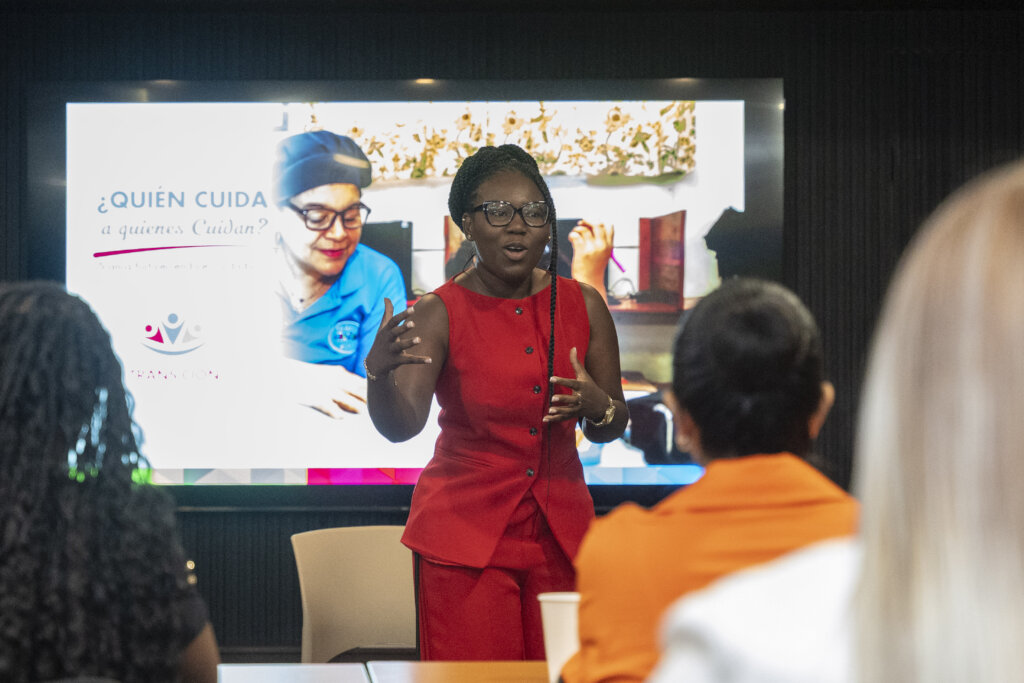
Five years ago, Fundación Transición a la Vida began Escuela para Cuidadores with a question that was both disruptive and challenging for us as an organization:
Who cares for those who care?
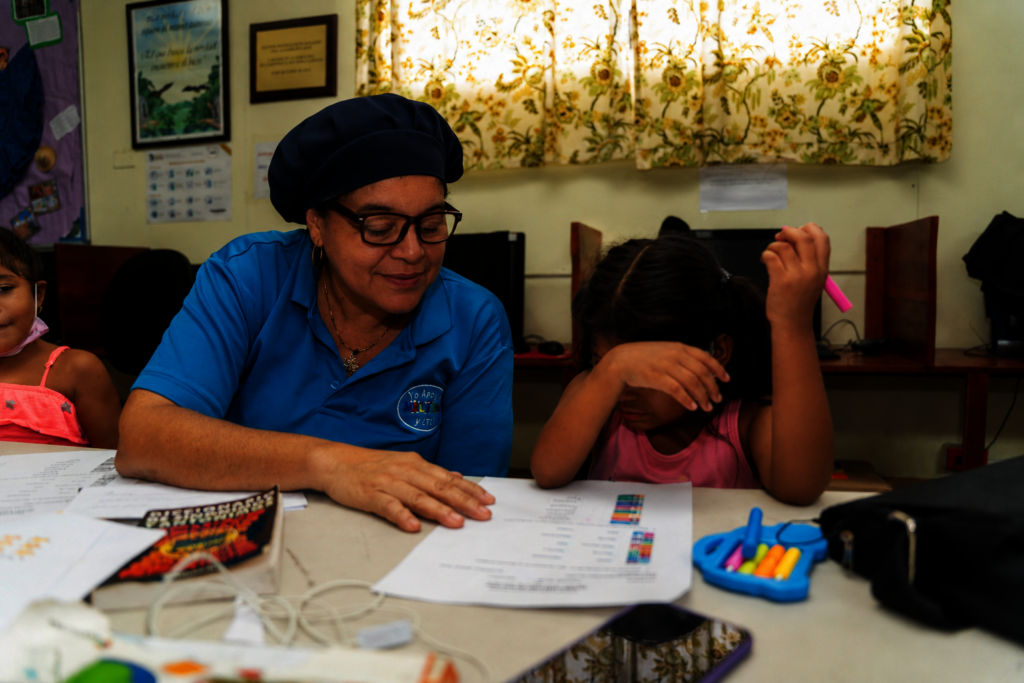
Conversations about children and adolescents living in residential care understandably focus on their protection and well-being. However, much less attention is given to the caregivers who accompany them every day, respond to emotional crises, manage conflicts, and help create stability in their lives.
Throughout these five years, we have learned that one caregiver may be responsible for approximately 10 children or adolescents, each with different histories and emotional needs. Many work exhausting live-in schedules of seven consecutive days, remaining at the residential home 24 hours a day—including sleeping at their workplace.
Many caregivers have also had limited access to higher education or specialized training, despite being expected to respond to complex situations involving trauma, emotional distress, conflict, challenging behaviors, and the protection of children’s rights.
These realities transformed Escuela para Cuidadores. What began as a training initiative gradually became a space for learning, reflection, emotional support, and recognition.
Our Progress in 2026
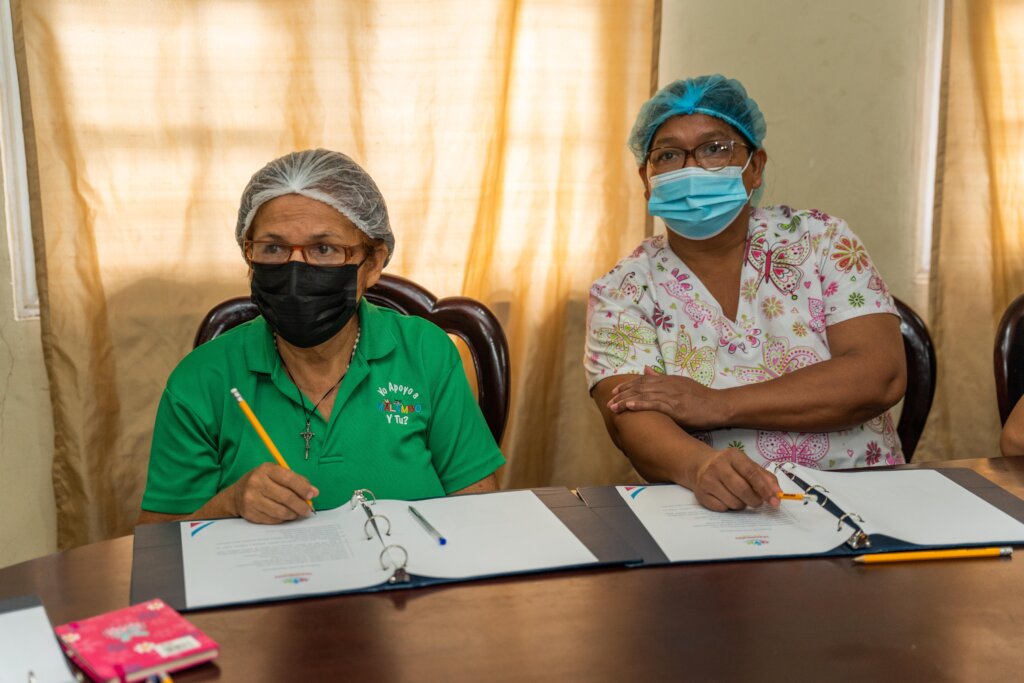
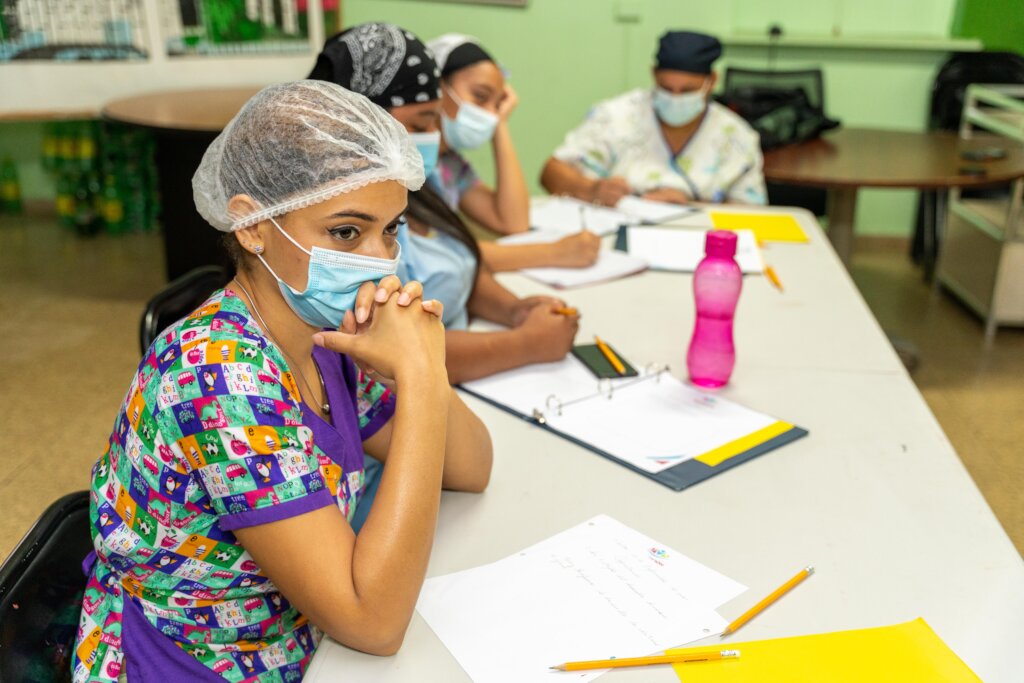
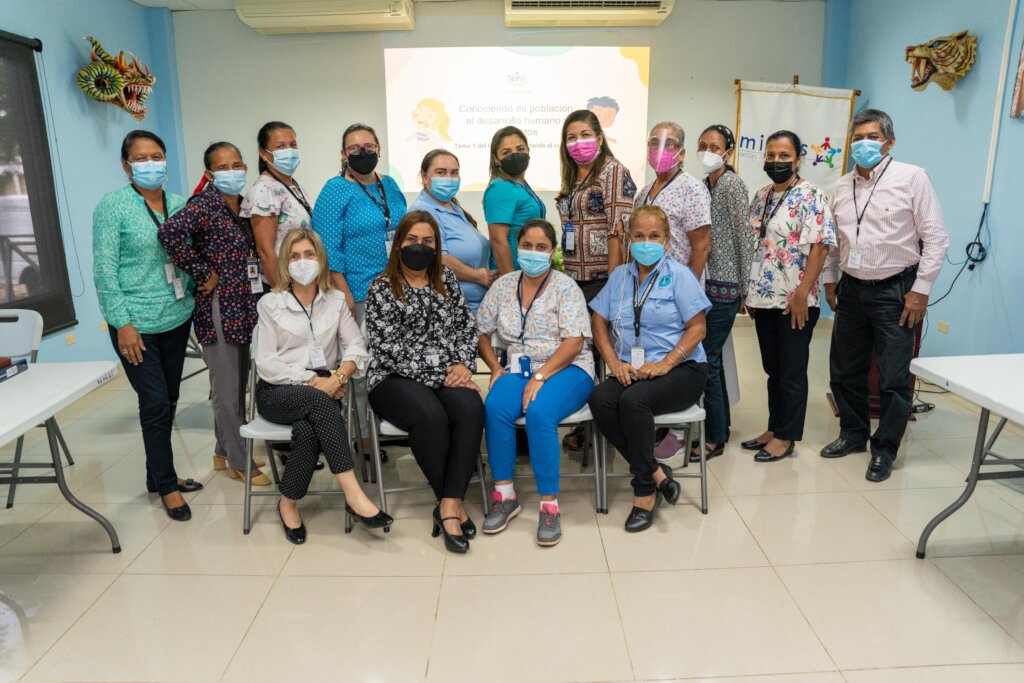
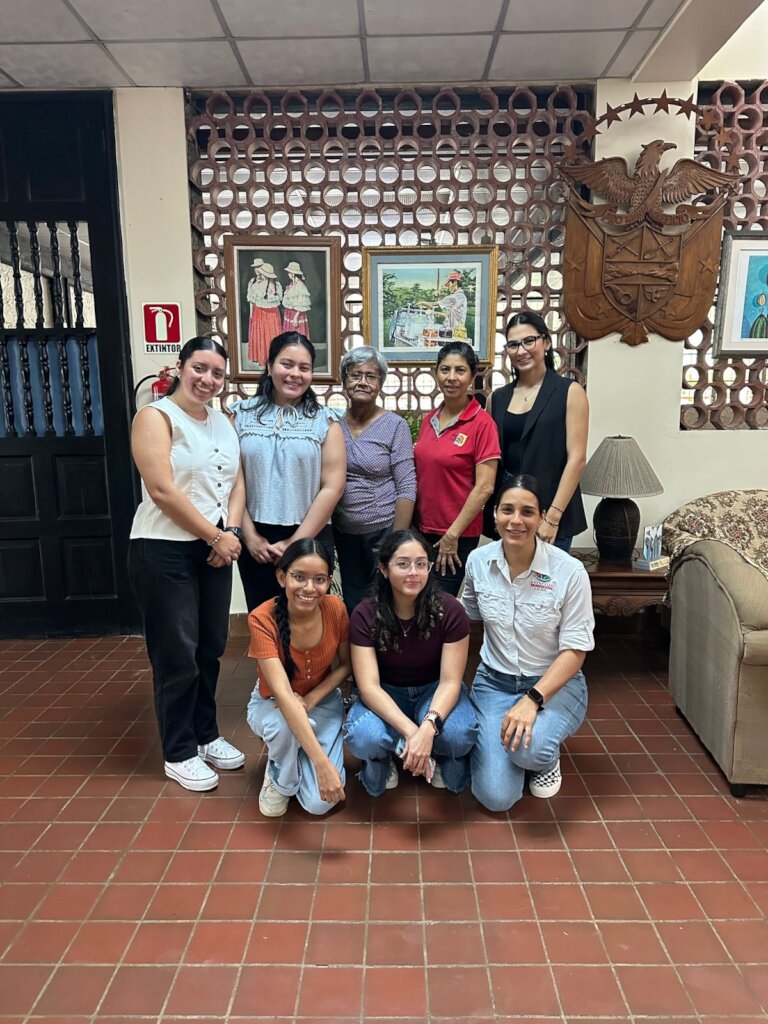
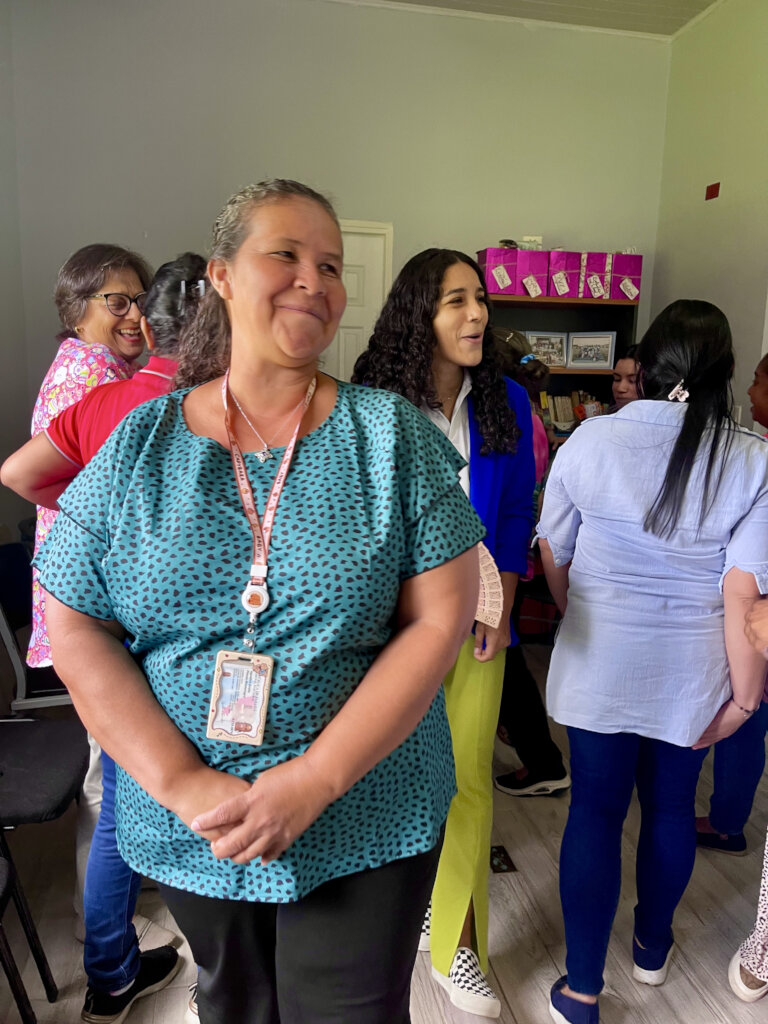
This year, more than 40 caregivers from seven organizations participated in the program. Approximately 99% were women, with an average age of 51 and an average of 11.3 years of experience. Together, they represented more than 450 years of combined caregiving experience.
Through their daily work, these caregivers influence the lives of hundreds of children and adolescents. In 2026, the program generated an estimated indirect impact for 512 people.
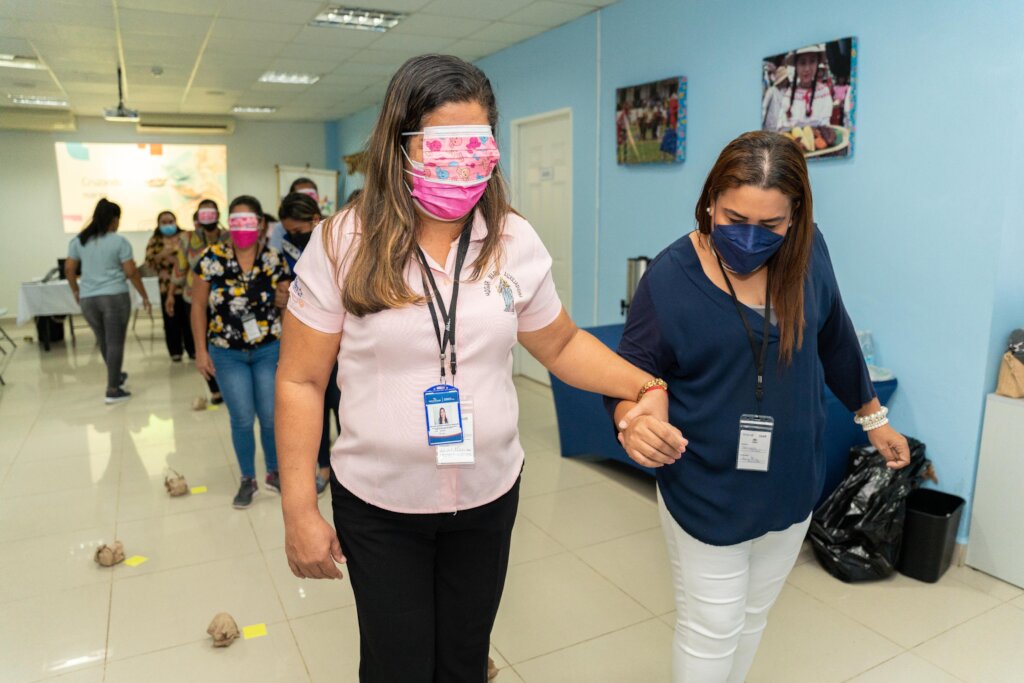
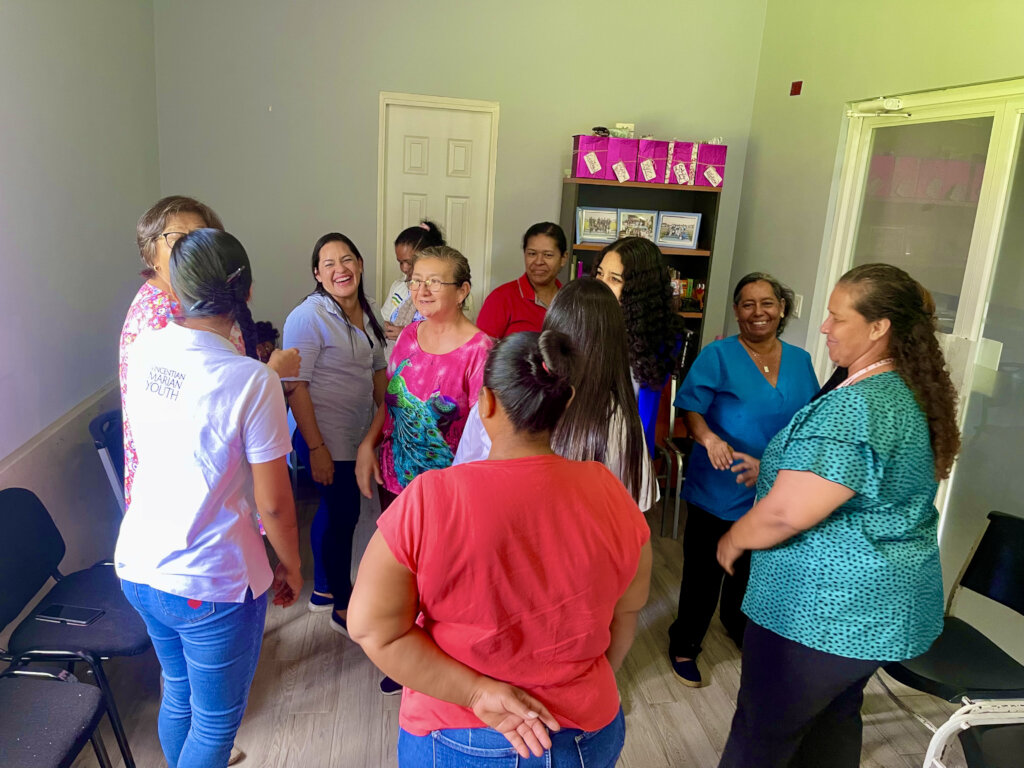
This year’s training combined theory and practical tools under one central principle: connection before correction. Participants strengthened their knowledge of emotional intelligence, assertive communication, conflict resolution, coping strategies, care planning, children’s rights, and caregivers’ legal responsibilities.
We also confirmed an urgent need for additional training in psychological first aid, crisis response, emotional regulation, and burnout prevention. For many participants, the program became one of the few spaces where they could speak openly about exhaustion, recognize their limits, and connect with others facing similar challenges.
Taking the Conversation Beyond Our Program
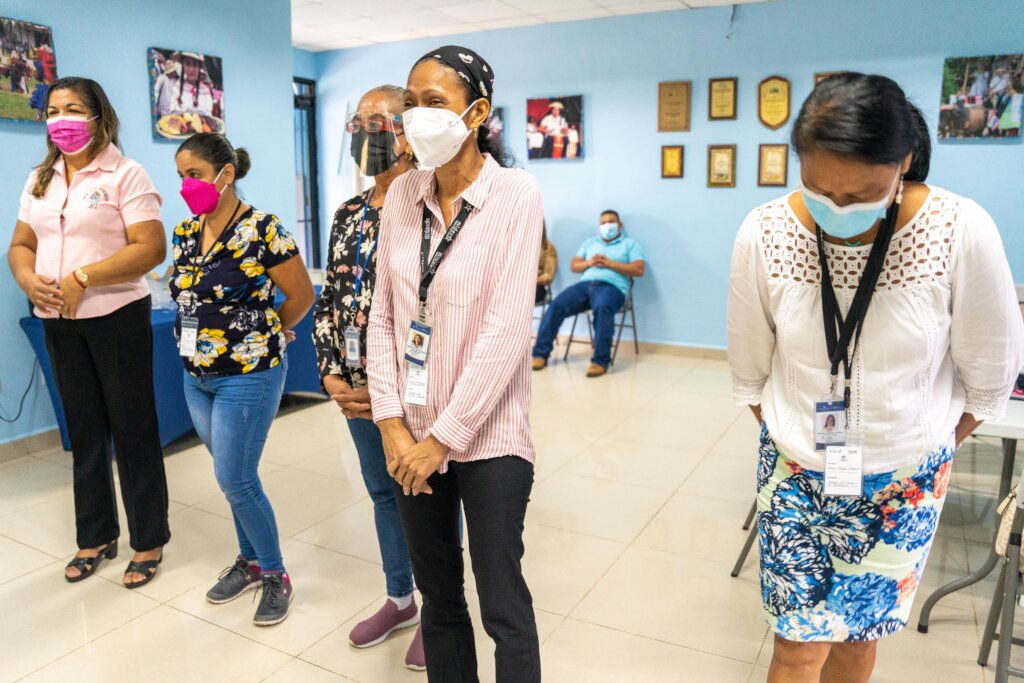
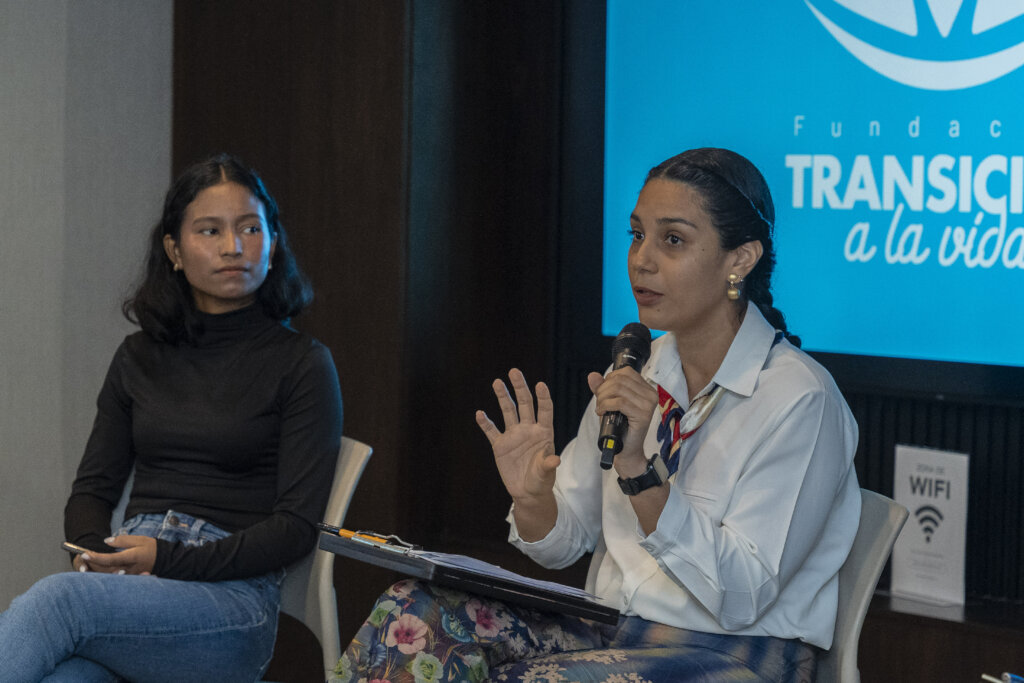
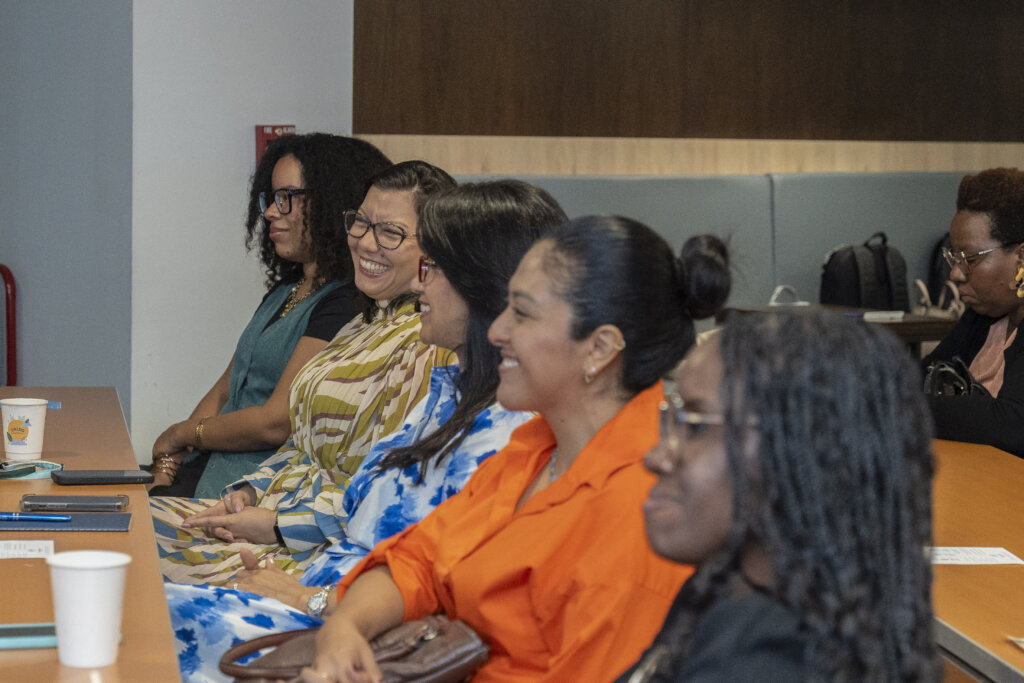
As part of our fifth anniversary, we took the question “Who cares for those who care?” beyond our organization and the residential homes participating in the program.
We convened a panel that brought together a young woman with lived experience in residential care; former Minister of Social Development María Inés Castillo; Fundación Banco General; and Marina Pérez, Executive Director of Fundamorgan, an organization that works closely with women and provides legal guidance and support.
The conversation highlighted that caregivers need more than technical training. They also require emotional support, appropriate working conditions, institutional recognition, and public programs and policies that allow them to perform their responsibilities safely and effectively.
One of the main conclusions was that Panama is only beginning to build a pathway for recognizing and supporting caregivers working in residential care settings. Their work remains largely invisible, and important gaps remain in the policies and programs specifically designed to support them.
What Comes Next
One of the greatest barriers to participation continues to be the lack of substitute staff. Many caregivers cannot leave the residential home to attend training because there is no one available to supervise the children and adolescents in their absence.
Based on their feedback, we are exploring shorter and more frequent sessions, peer-support groups, and practical resources for crisis response.
As Escuela para Cuidadores celebrates its fifth anniversary, we reaffirm one of our deepest convictions:
To protect children and adolescents, we must also strengthen and care for the people who accompany them every day.
Be Part of What Comes Next
Follow our journey on Instagram to discover more about the people, stories, and activities behind our work.
Next month, Fundación Transición a la Vida will launch a brand-new website. This is your last opportunity to explore the website that has accompanied us during this important chapter.
Your donation helps us provide more caregivers with practical training, emotional support, and tools to create safer and more compassionate environments for children and adolescents.
Support Escuela para Cuidadores through GlobalGiving
Thank you for being part of these first five years—and for helping us build what comes next.
As Executive Director of Fundación Transición a la Vida, I want to personally thank every donor who has believed in this work. Your support brings us closer each day to our greatest goal: ensuring that every caregiver has the tools, recognition, and support needed to provide safe and compassionate care to every child and adolescent.
With gratitude,
Laura Vente
Executive Director
Fundación Transición a la Vida
By Lucija Rozic | Team Member
By Lucija Rozic | Team Member
Project reports on GlobalGiving are posted directly to globalgiving.org by Project Leaders as they are completed, generally every 3-4 months. To protect the integrity of these documents, GlobalGiving does not alter them; therefore you may find some language or formatting issues.
If you donate to this project or have donated to this project, you can receive an email when this project posts a report. You can also subscribe for reports without donating.



Support this important cause by creating a personalized fundraising page.
Start a Fundraiser