By B. Abel Learwellie | Executive Director
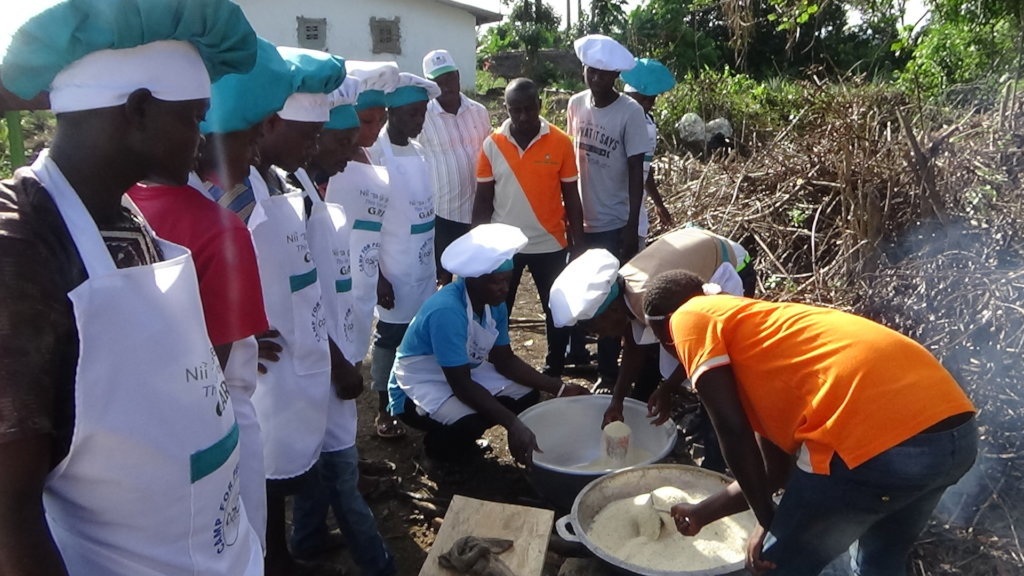
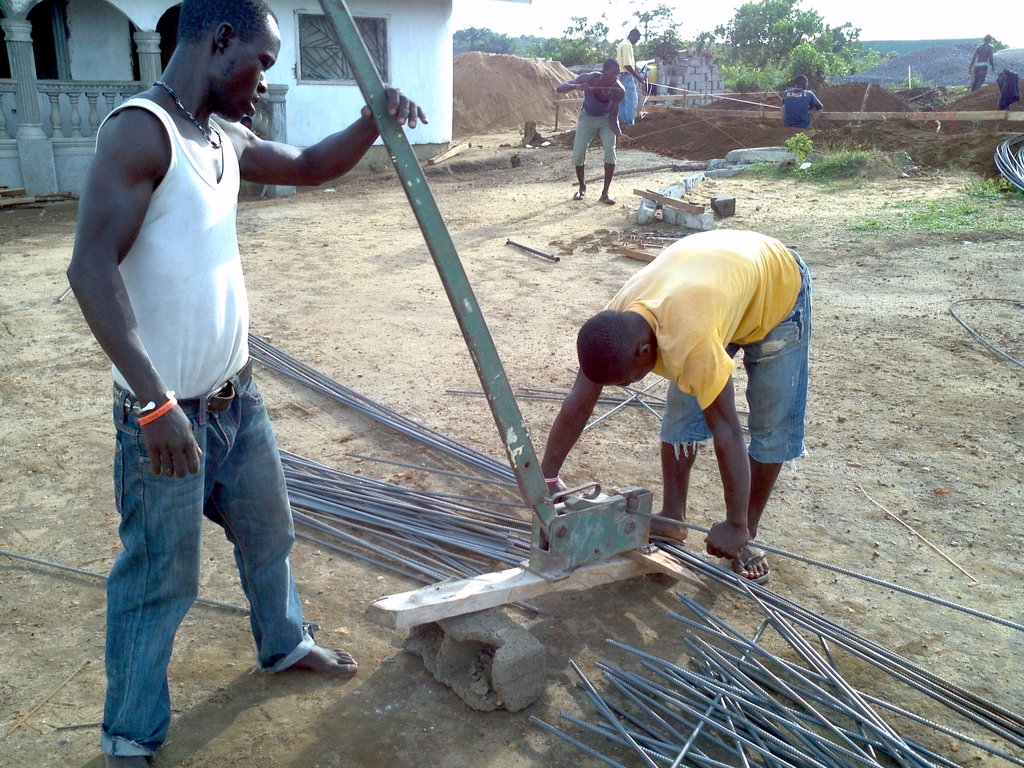
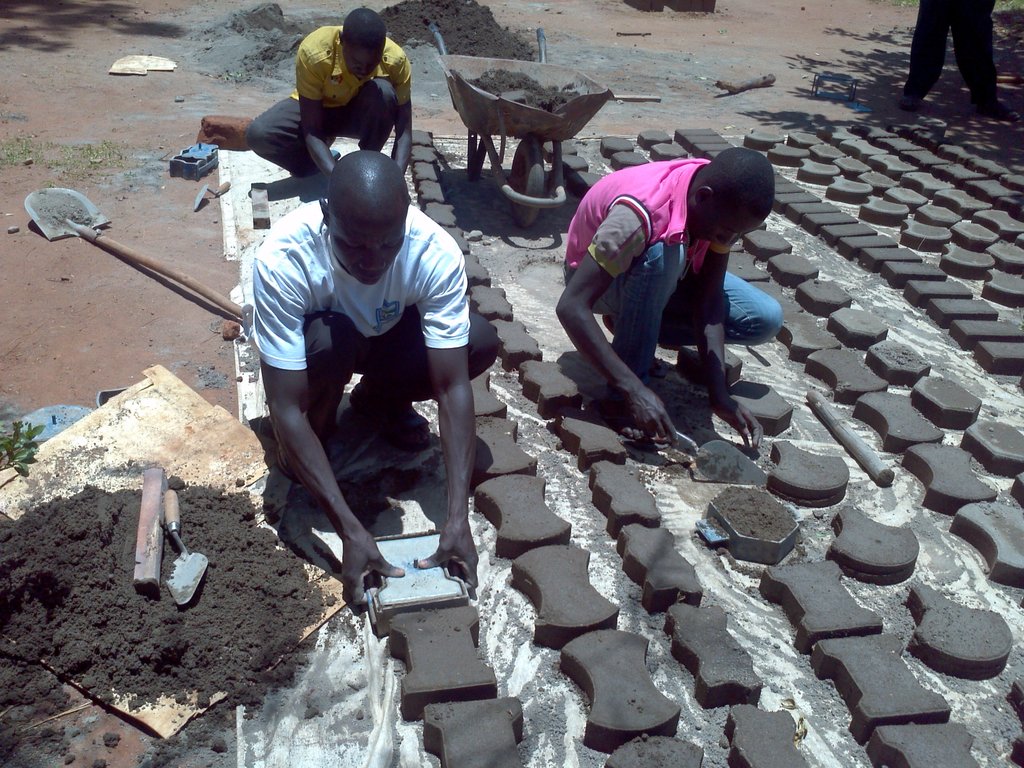
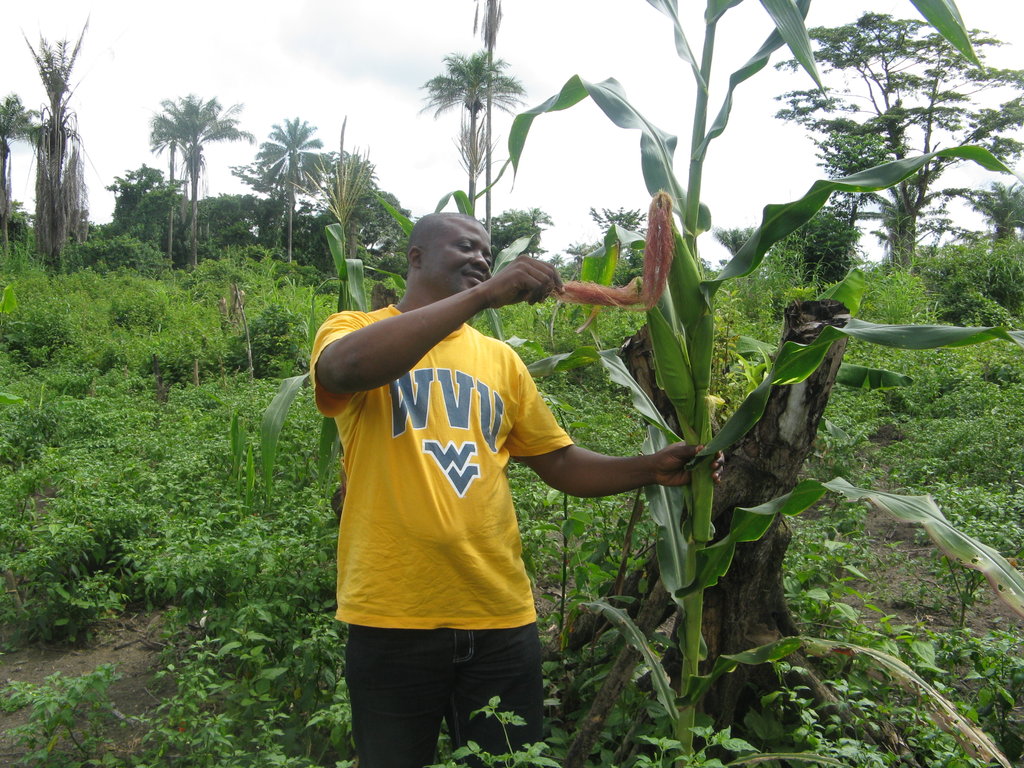
Between April and October 2025, Camp for Peace Liberia’s Youth Vocational Training Program deepened its mission to equip young people with practical skills while nurturing a genuine sense of accomplishment. Operating in Salayea and Zorzor, the program served 128 trainees (78 women and 50 men) across agriculture, plumbing, carpentry, electricity, masonry, sewing, weaving, and childcare services. Guided by the reflective theme “Do You Feel a Sense of Accomplishment?”, weekly mentoring helped learners recognize progress not only in technical competence but also in confidence, focus, and purpose.
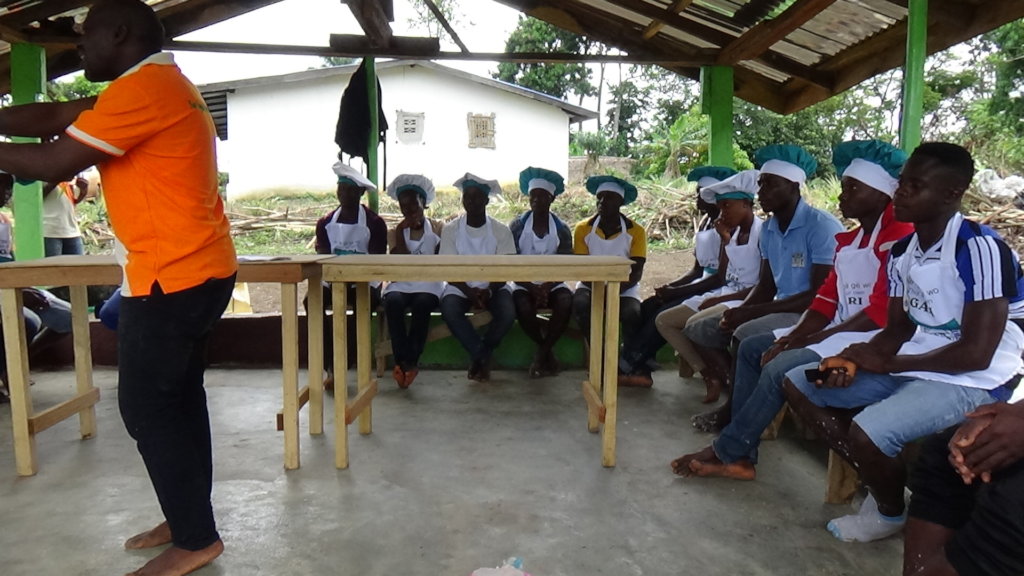
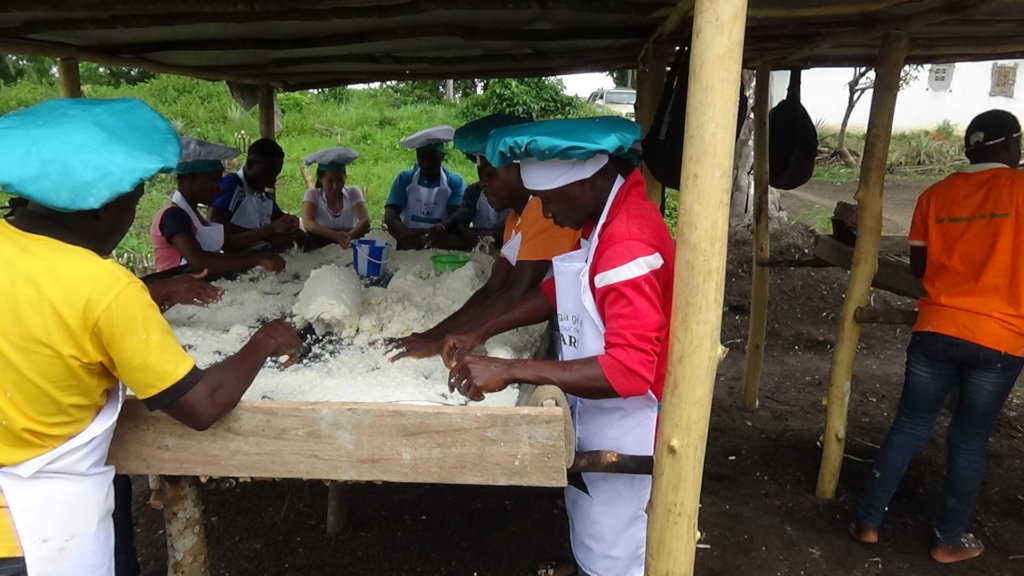
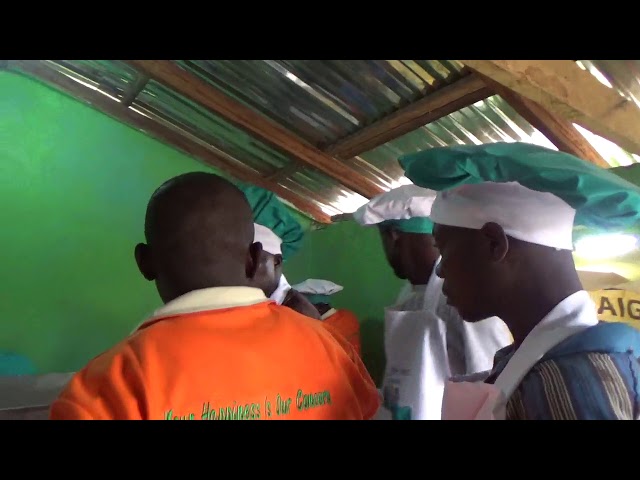
Training delivery strengthened notably this period. We ran two full cycles in the core trades and introduced a childcare module supported by lecturers from the Teachers College, who provided hands-on professional development for our staff. To meet increased demand, we expanded learning spaces and instituted weekly practicum sessions that integrated theory and real tasks—improving job readiness and the quality of trainee portfolios. These improvements, together with closer supervision, led to higher attendance and better completion rates than last year.
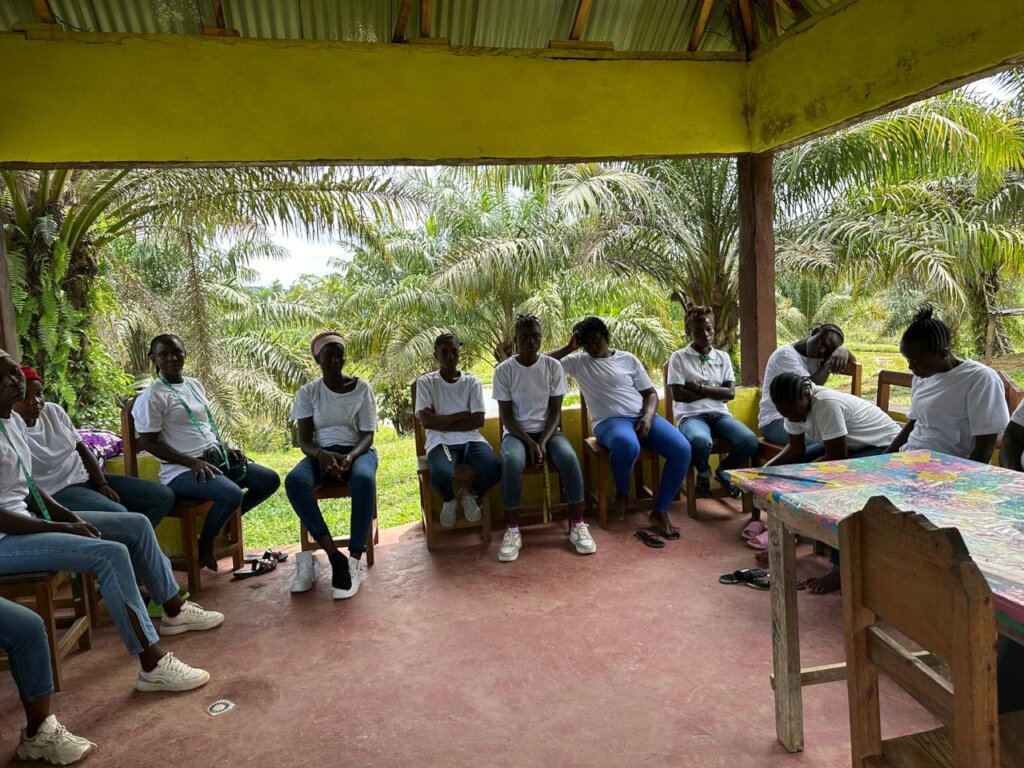
Psychosocial growth was a central outcome. More than four in five trainees reported improved self-esteem and motivation after regular reflection sessions.Peer mentorship groups formed organically, with advanced learners coaching new entrants on tool use, safety, customer relations, and setting achievable goals. This culture of encouragement reduced dropout risk and gave trainees language to describe their progress—an important step in employability interviews and small-business pitches.
Economic empowerment also advanced. Thirty-eight graduates launched income-generating activities in tailoring, small-scale agriculture, supported by product showcases at the Salayea market and village savings and loan associations that help with startup capital. At the institutional level, we engaged the Ministry of Education on curriculum alignment and met with the Deputy Minister of Education to discuss formal recognition pathways—important groundwork for accreditation and public-sector collaboration going forward.
Challenges remain. Increased enrollment strained our tools and consumables; and several graduates still need follow-up to complete business registration and purchase basic toolkits.These constraints inform our next steps: host the end-of-year graduation and community exhibition in November; expand the childcare program into three sections (Nursery, Kindergarten I, and Kindergarten II); launch a Graduate Support Fund for toolkits and micro-grants; and strengthenalumni tracking and mentorship through the first six months after graduation.
Overall, this period reaffirmed that pairing skills training with structured reflection can restore dignity and drive. Trainees are leaving with marketable abilities and a clearer sense of who they are and what they can contribute. As we look to the next phase, our focus remains on quality instruction, credible partnerships, and practical post-training support so that learning reliably translates into livelihoods.
Success Story 1 — “From Learner to Provider.” Mamie, a young mother in the tailoring stream, entered the program hesitant and unsure she could finish. Through weekly reflection prompts and coaching from a peer mentor, she set a goal to produce three school uniforms by term’s end. By August she had fulfilled orders for eight uniforms and two church choirs’ sashes, using profits to re-enroll her child in preschool and purchase her own hand-crank machine. Today, Mamie manages a small order book from her home and contributes weekly to her VSLA group—proof that structured goals and the right support can turn training into steady incom
Success Story 2 — “Confidence in the Classroom.” Joseph, a quiet trainee in the masonry, struggled with public speaking and teamwork. During practicum, he volunteered to co-lead a safety briefing and later helped set up learning corners for the childcare pilot. The experience unlocked his confidence: he now assists with site measurements for a local contractor in the mornings and reads stories to Nursery learners during afternoon practicum. His supervisor notes sharper communication, punctuality, and problem-solving—competencies that make him employable across sectors, not just in one trade.
Project reports on GlobalGiving are posted directly to globalgiving.org by Project Leaders as they are completed, generally every 3-4 months. To protect the integrity of these documents, GlobalGiving does not alter them; therefore you may find some language or formatting issues.
If you donate to this project or have donated to this project, you can receive an email when this project posts a report. You can also subscribe for reports without donating.



Support this important cause by creating a personalized fundraising page.
Start a Fundraiser