By B. Abel Learwellie | Executive Director
What began as a mobile movement focused on encouraging war-affected youth to transform their minds from conflict to peace—while providing essential psychosocial support—has now evolved into a nationally recognized and highly impactful program. Camp for Peace Liberia has grown beyond its original vision into a transformative platform that integrates healing, education, and sustainable livelihood opportunities.
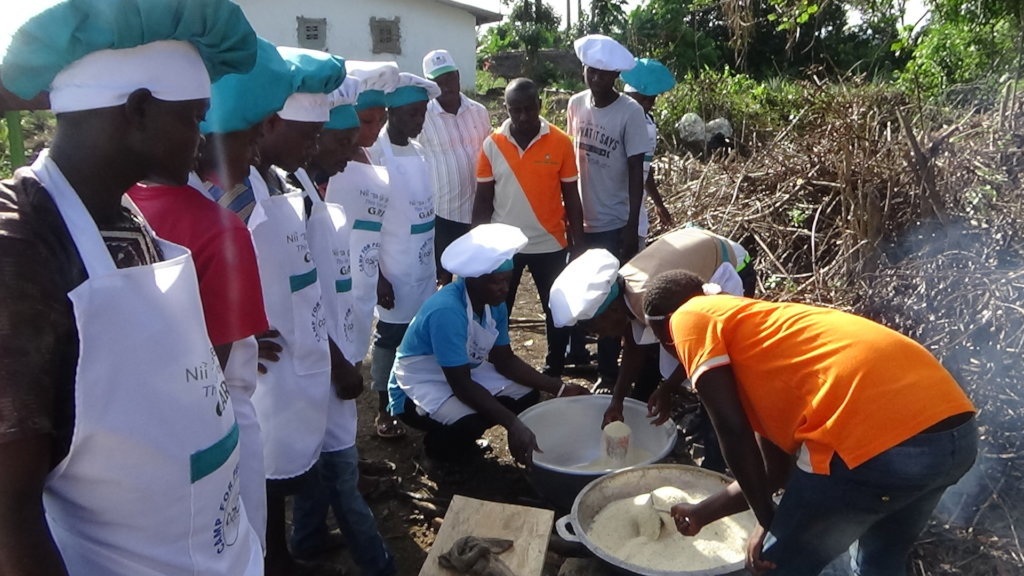
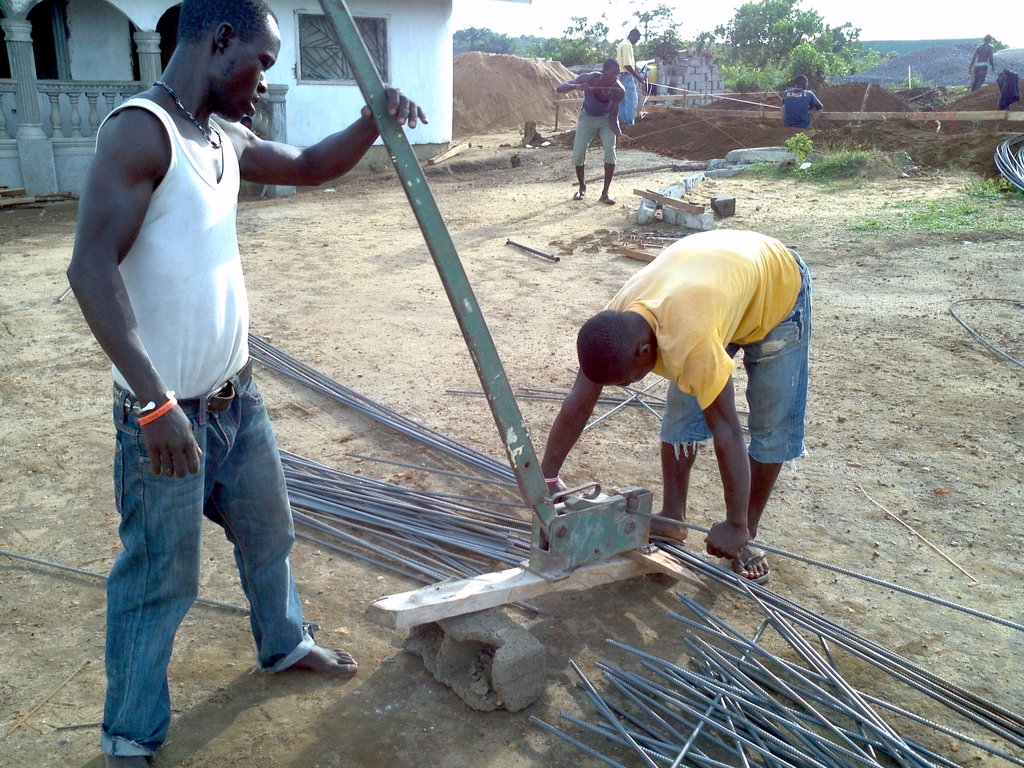
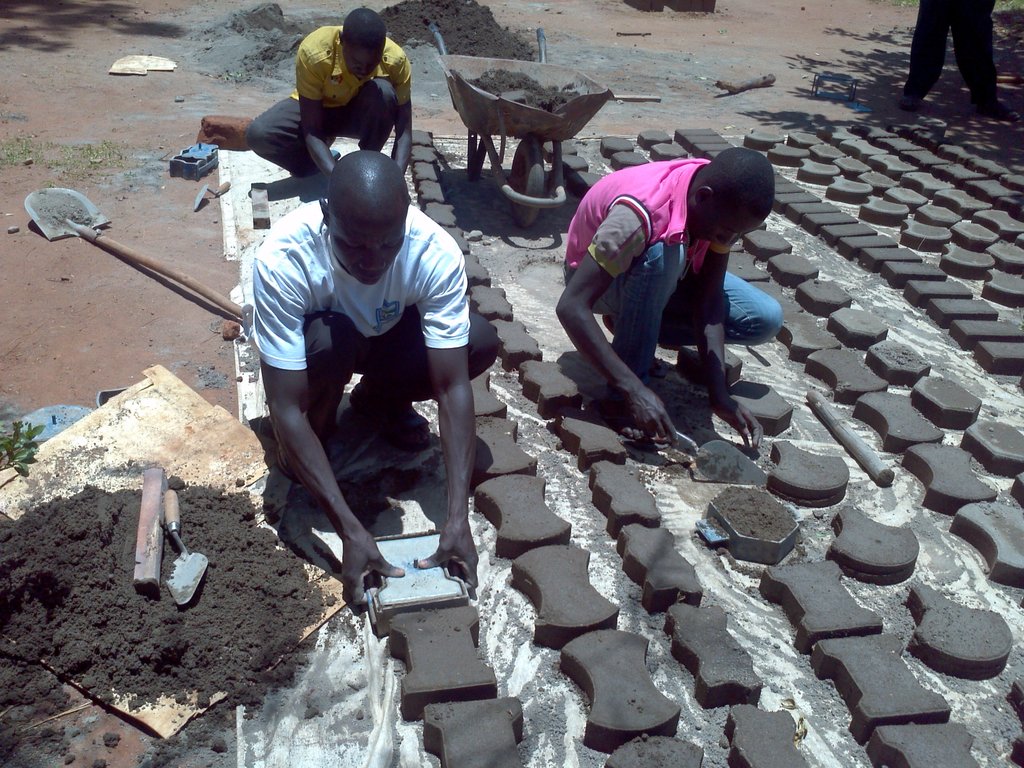
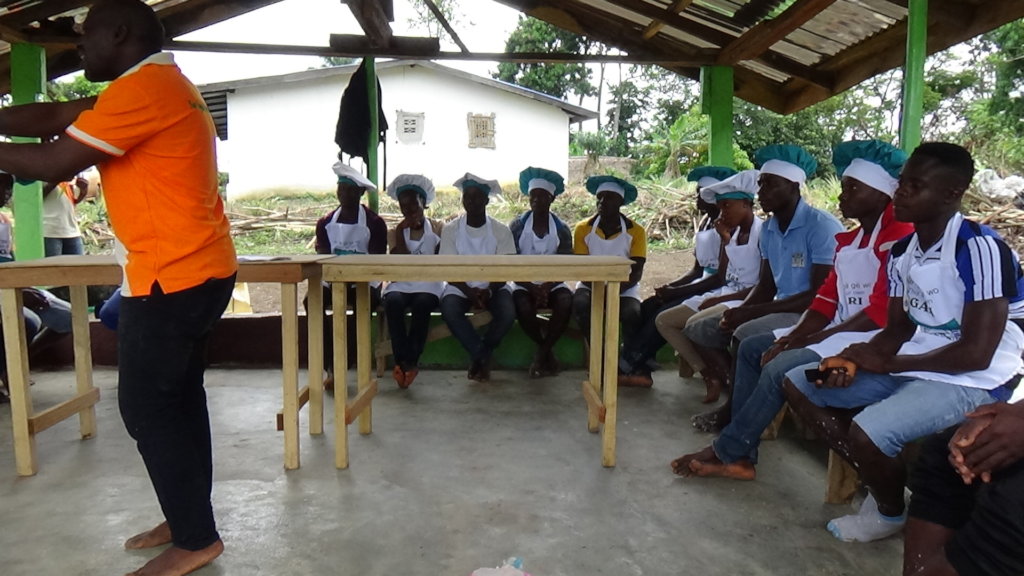
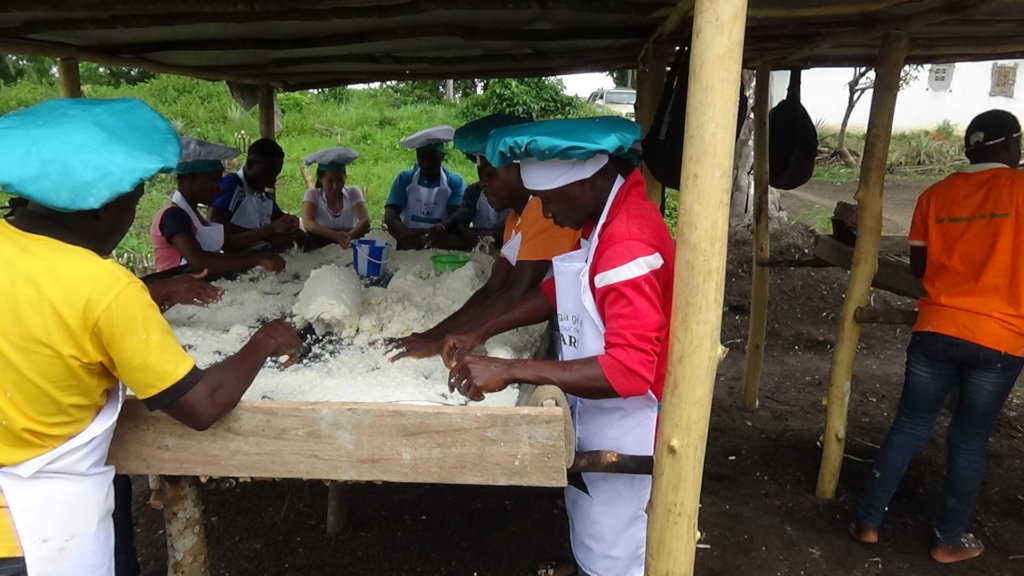
Today, the Camp for Peace Vocational Training Program stands as one of the very few structured, hands-on vocational initiatives in North Central Liberia. It provides practical skills training to vulnerable youth and women who are in urgent need of economic empowerment and social reintegration. The program is uniquely positioned to address both the psychological and economic dimensions of post-conflict recovery.
Mary, a young woman from a rural community, grew up in the aftermath of Liberia’s civil conflict. Having lost both parents at a young age, she struggled with trauma, poverty, and limited access to education. For years, she depended on relatives and survived through small, irregular activities, with little hope for a better future.
When Mary joined the Camp for Peace vocational training program in tailoring, she was initially withdrawn and lacked confidence. However, through consistent mentorship, psychosocial support, and hands-on training, she began to rediscover her sense of purpose.
Over the course of the program, Mary not only acquired technical skills in garment making but also developed confidence, discipline, and leadership abilities. By the time she graduated, she was producing her own designs and earning income from small tailoring jobs within her community.
Today, Mary has started a small tailoring business and is mentoring two younger girls in her community. She contributes to her household income and is now seen as a role model among her peers.
“This program did not just teach me how to sew—it gave me a new life. I now believe in myself and in my future,” she shared.
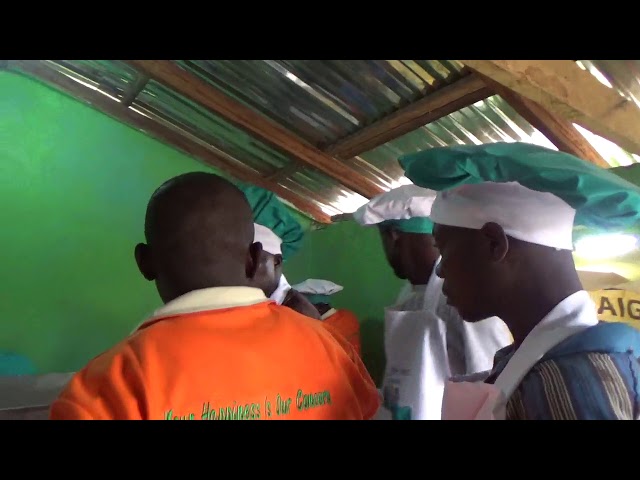
During the period under review, we successfully graduated 85 trainees across multiple vocational disciplines, including masonry, electrical installation, tailoring, and weaving. These graduates represent not only the completion of a training cycle but also a significant step toward self-reliance, dignity, and community contribution.
Building on this success, we have enrolled an additional 85 new trainees for the current cycle, further expanding access to skills development opportunities. This growing demand reflects both the relevance and credibility of the program within the region.
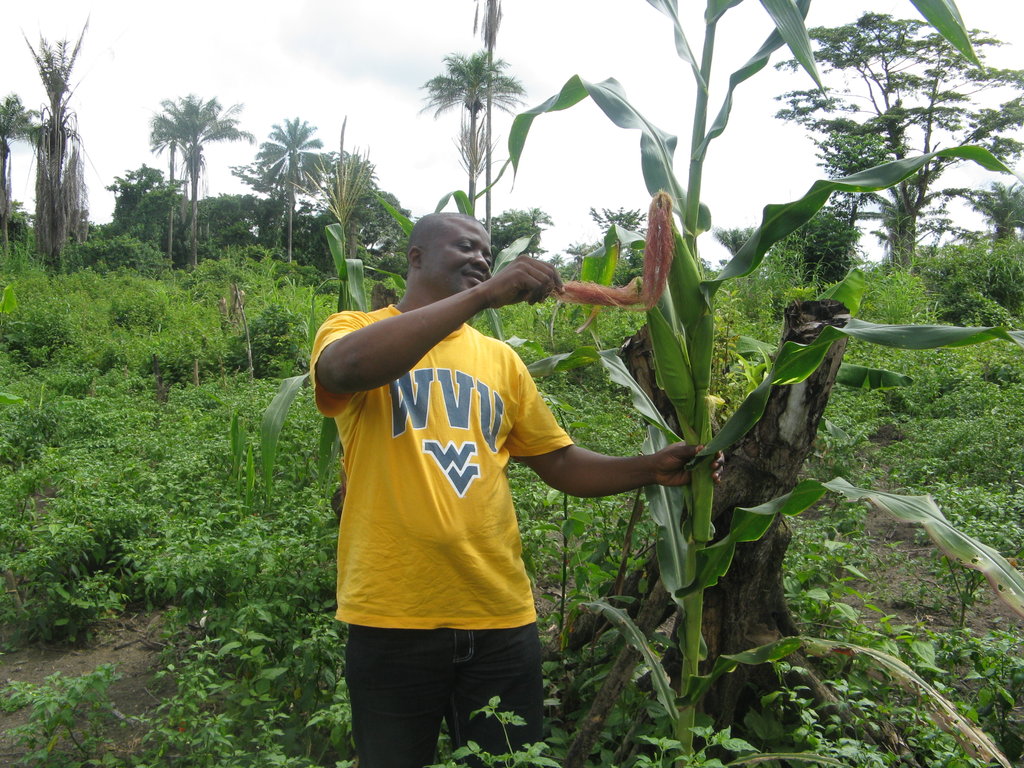
In addition to vocational training, we continue to explore and integrate agricultural livelihood pathways as part of our sustainability strategy. Trainees are being introduced to practical opportunities in poultry farming, piggery, and fisheries—equipping them with diversified income-generating skills that are adaptable to rural and semi-urban contexts.
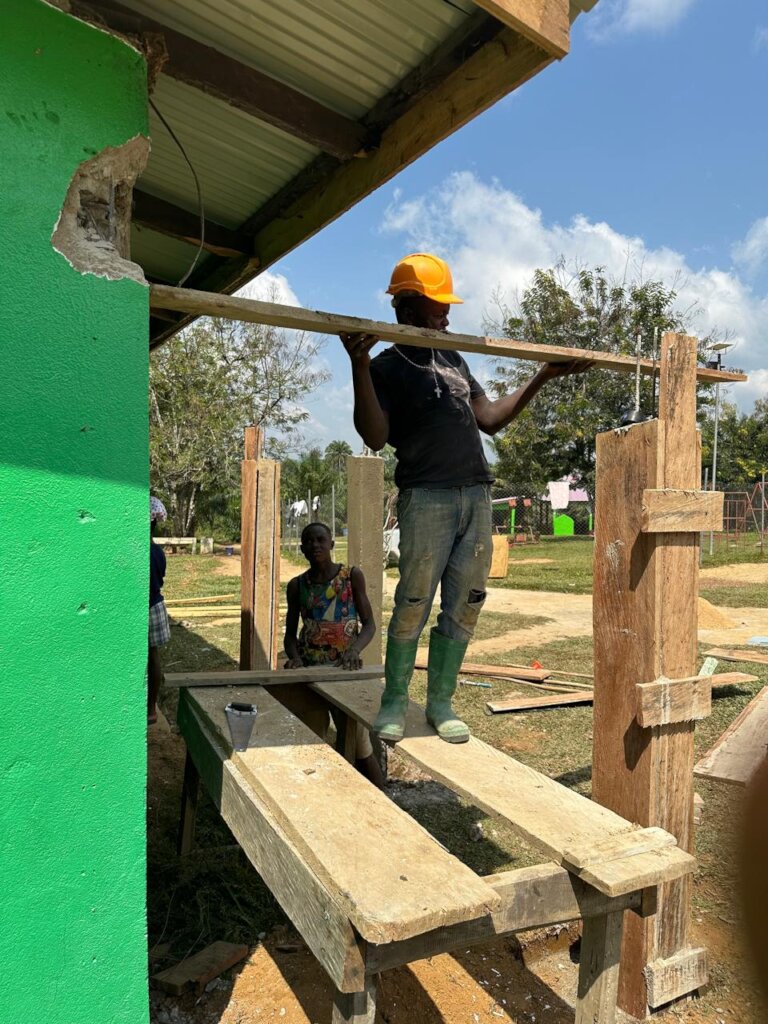
To support this growth, we are actively working to expand our training facilities in order to accommodate more students, improve the quality of instruction, and create a more conducive learning environment.
As we move forward, we remain committed to equipping more young people and women with the tools they need to rebuild their lives, contribute meaningfully to their communities, and sustain peace through economic independence.
Project reports on GlobalGiving are posted directly to globalgiving.org by Project Leaders as they are completed, generally every 3-4 months. To protect the integrity of these documents, GlobalGiving does not alter them; therefore you may find some language or formatting issues.
If you donate to this project or have donated to this project, you can receive an email when this project posts a report. You can also subscribe for reports without donating.



Support this important cause by creating a personalized fundraising page.
Start a Fundraiser