By olivie | Project Leader
Community of national artistic unity
Bujumbura burundi
Project report
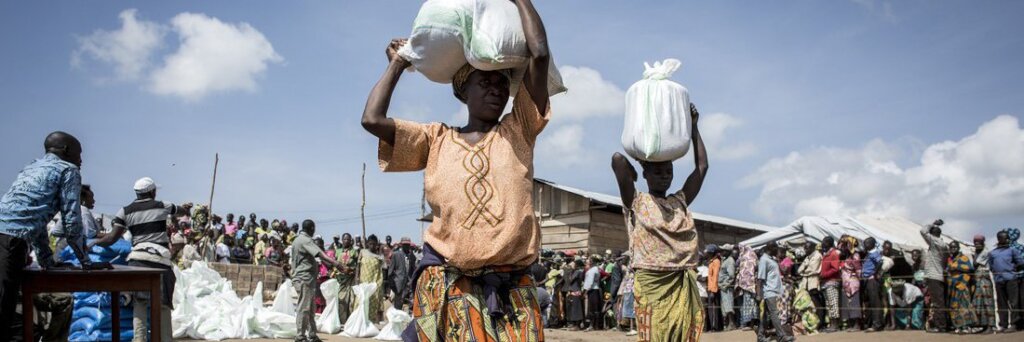
The delivery of emergency aid in the Democratic Republic of Congo (DRC) is plagued by chronic violence, severe funding shortfalls, widespread corruption, and a multitude of logistical challenges. These issues create a deeply complex and neglected humanitarian crisis, particularly in the conflict-ridden eastern provinces.
Insecurity and humanitarian access
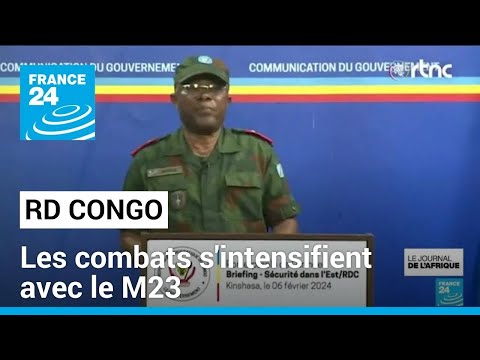
Targeted violence: Armed groups frequently attack aid workers, humanitarian facilities, and displaced persons' camps. These assaults endanger staff and restrict the ability of organizations to reach vulnerable populations.
Exploitation and abuse: Incidents of sexual exploitation and abuse by some aid workers have been reported in the past, with cases surfacing as recently as 2020. This systemic issue expl
Boits vulnerable populations in crisis and erodes trust in humanitarian efforts.
Physical barriers: Poor infrastructure, road closures due to fighting, and the occupation of strategic towns by armed groups severely restrict humanitarian access. This leaves many people in hard-to-reach areas without vital assistance.
Monusco's withdrawal: The phased withdrawal of the UN peacekeeping mission (MONUSCO) is raising concerns about the resulting security vacuum. Humanitarian agencies must adapt to this changing landscape.
Funding crisis
Dramatic underfunding: The DRC's humanitarian response plan is consistently and severely underfunded. For instance, in 2024, the plan was only 50% funded despite critical and mounting needs.
Sudden aid cuts: In June 2025, an abrupt freeze of US aid funding—which previously accounted for a significant portion of emergency aid—caused some projects to collapse entirely.
Limited resources: Insufficient funding forces organizations to make agonizing choices about which populations to prioritize, leaving millions without support.
Corruption and aid diversion
Systemic corruption: The Congolese government and armed groups have been implicated in the diversion of humanitarian aid. Corrupt practices include extortion at checkpoints, fraudulent procurement, and embezzlement, which prevents aid from reaching its intended recipients.
Aid worker misconduct: Beyond sexual exploitation, reports of fraud and abuse within aid organizations have been acknowledged by UN officials. These incidents further damage trust and undermine the effectiveness of aid delivery.
Humanitarian needs outpace response
Record displacement: The number of internally displaced people in the DRC is one of the highest in the world, with millions forced to flee their homes repeatedly. Displacement camps are often overcrowded and lack basic services.
Spiraling food insecurity: Eastern DRC faces one of the world's most severe hunger crises. Ongoing conflict disrupts agriculture and trade routes, causing local food prices to increase and leaving millions acutely food insecure.
Worsening health crises: Overcrowding, poor sanitation, and the collapse of health infrastructure lead to repeated outbreaks of cholera, measles, and mpox. Attacks on hospitals and disruptions to medical supply chains leave vulnerable populations, such as pregnant women and children, without care.
Gender-based violence: Sexual and gender-based violence (SGBV) is widespread and used as a weapon of war. Cases have been rising, and many go unreported. Overcrowded displacement camps offer minimal protection, and aid organizations are struggling to provide adequate psychosocial and medical support to survivors.
Logistical and environmental factors
Poor infrastructure: Crumbling roads and closed airports hamper the transport of aid and personnel, delaying critical emergency responses.
Climate change impacts: Recurrent and severe flooding, exacerbated by climate change, destroys infrastructure and displaces millions, compounding the humanitarian crisis.
Community of national artistic unity
Bujumbura 26/10/2025
Project reports on GlobalGiving are posted directly to globalgiving.org by Project Leaders as they are completed, generally every 3-4 months. To protect the integrity of these documents, GlobalGiving does not alter them; therefore you may find some language or formatting issues.
If you donate to this project or have donated to this project, you can receive an email when this project posts a report. You can also subscribe for reports without donating.



Support this important cause by creating a personalized fundraising page.
Start a Fundraiser