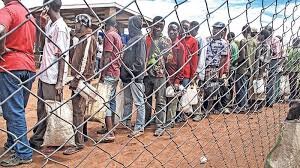
Emergency food and self-reliance projects for refugees in Malawi, primarily in Dzaleka camp, are critical due to severe funding cuts. Current initiatives focus on immediate food security while fostering long-term self-reliance via vocational training, agriculture, and UNHCR livelihood strategies. Funding gaps are severe, highlighting the need for sustainable livelihood initiatives
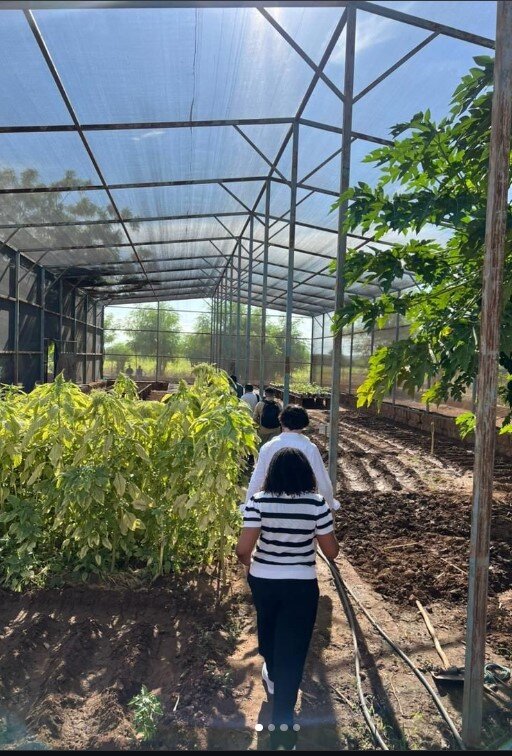
Emergency food and self-reliance projects for refugees in Malawi, primarily centered in Dzaleka Refugee Camp, focus on bridging the gap between immediate hunger relief and long-term economic independence. Key initiatives include ICG food rations/cash transfers, nutrition support for children, and livelihoods training in agriculture and vocational skills to foster self-reliance.
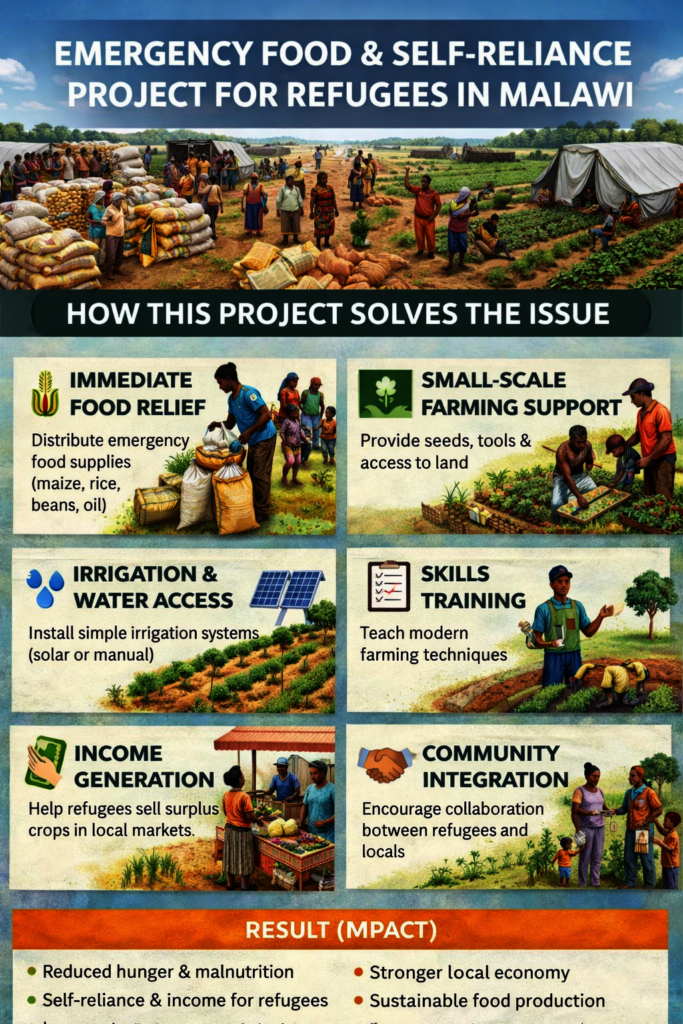
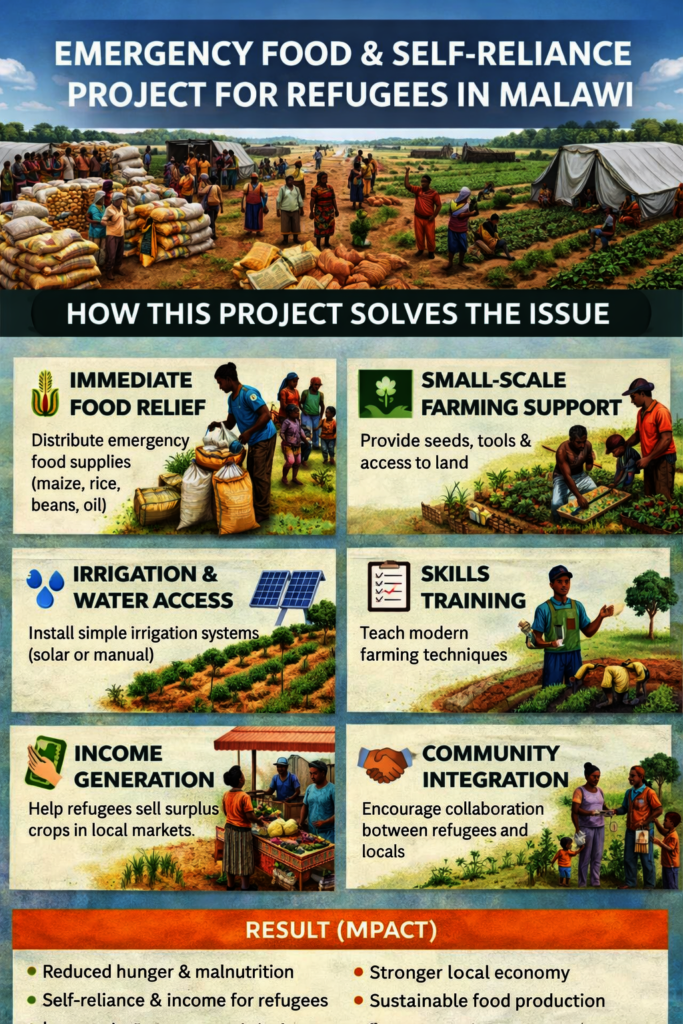
1. Immediate Food Relief This ensures refugees survive in the short term 2. Small-Scale Farming Support Refugees begin producing their own food instead of depending only on aid 3. Irrigation & Water Access Reduces risk of drought and crop failure 4. Skills Training Builds independence and long-term survival 5. Income Generation Creates income and reduces poverty 6. Community Integration Reduces conflict and builds stability
Result (Impact) Reduced hunger and malnutrition Refugees become self-reliant Less dependency on humanitarian aid Stronger local economy Sustainable food production



Support this important cause by creating a personalized fundraising page.
Start a Fundraiser