Food security in southern Madagascar remains highly fragile, driven by recurring climatic shocks, locust infestations, and persistent inflation. According to recent IPC analyses, 558,000 children under five are projected to suffer from acute malnutrition between May 2025 and April 2026, including over 155,000 cases of severe acute malnutrition. Food insecurity is also worsening, with up to 1.64 million people expected to face Crisis-level conditions or worse by early 2026, even during the harvest period. Declining purchasing power, limited market access, and weakened livelihoods continue to exacerbate vulnerability, particularly in remote areas such as Taolagnaro district.
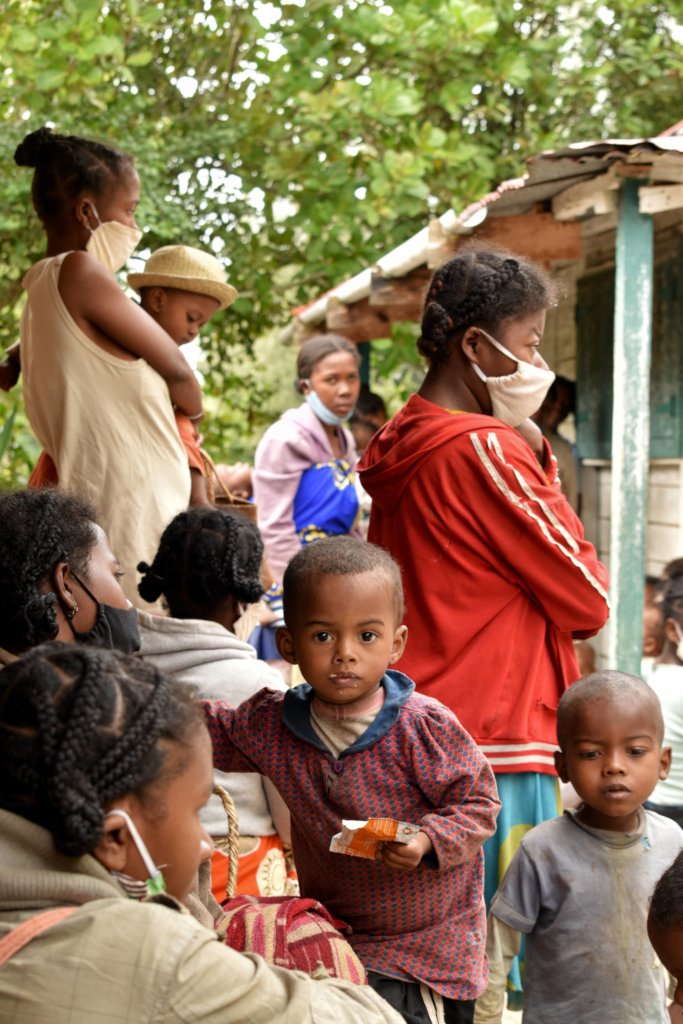
In response, SEED’s Project Miatrika has continued delivering integrated nutrition interventions across 136 communities in the Anosy region. Between January and December 2025, the project conducted three large-scale screening rounds, reaching over 72,000 children. A total of 3,285 children with moderate acute malnutrition were enrolled in treatment, achieving a high recovery rate of 96.3%. Children with severe conditions were referred to health centres, with additional support provided to access specialised care where needed.
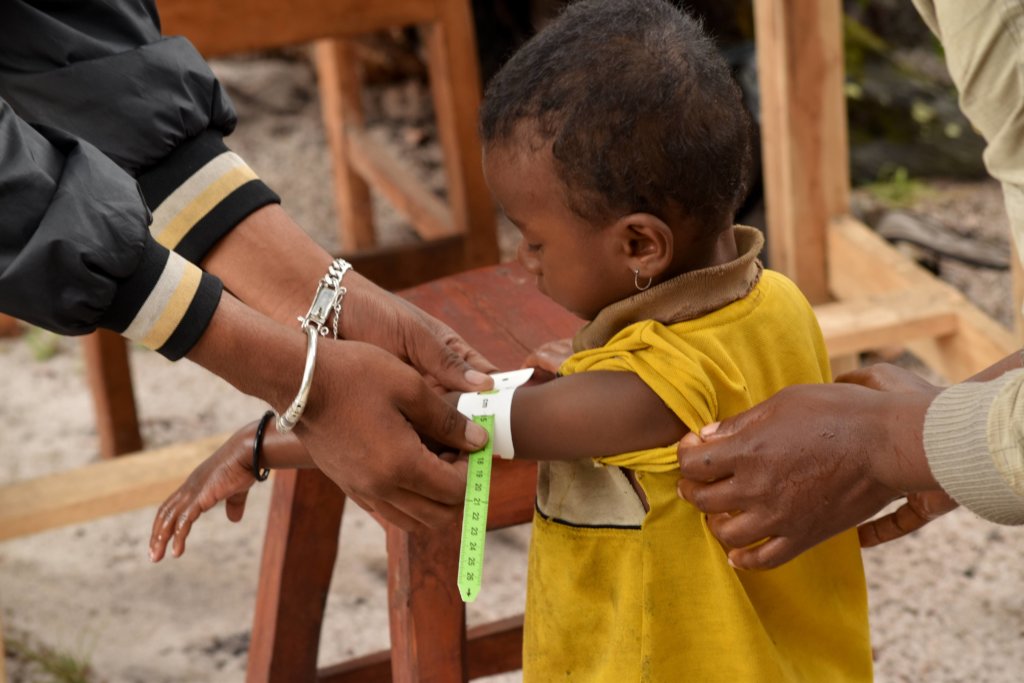
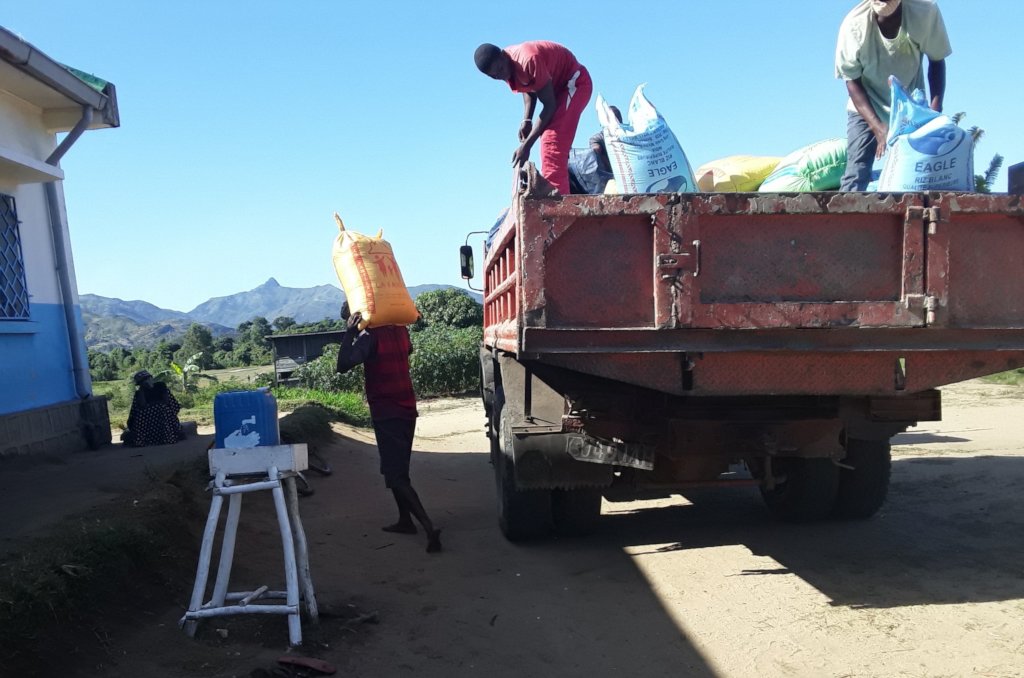
To strengthen household resilience and protect treatment outcomes, 2,821 families received emergency food support, particularly following Tropical Storm Jude. Preventative measures included the distribution of micronutrient supplements to over 9,000 children and caregiver training on early detection using MUAC strips.
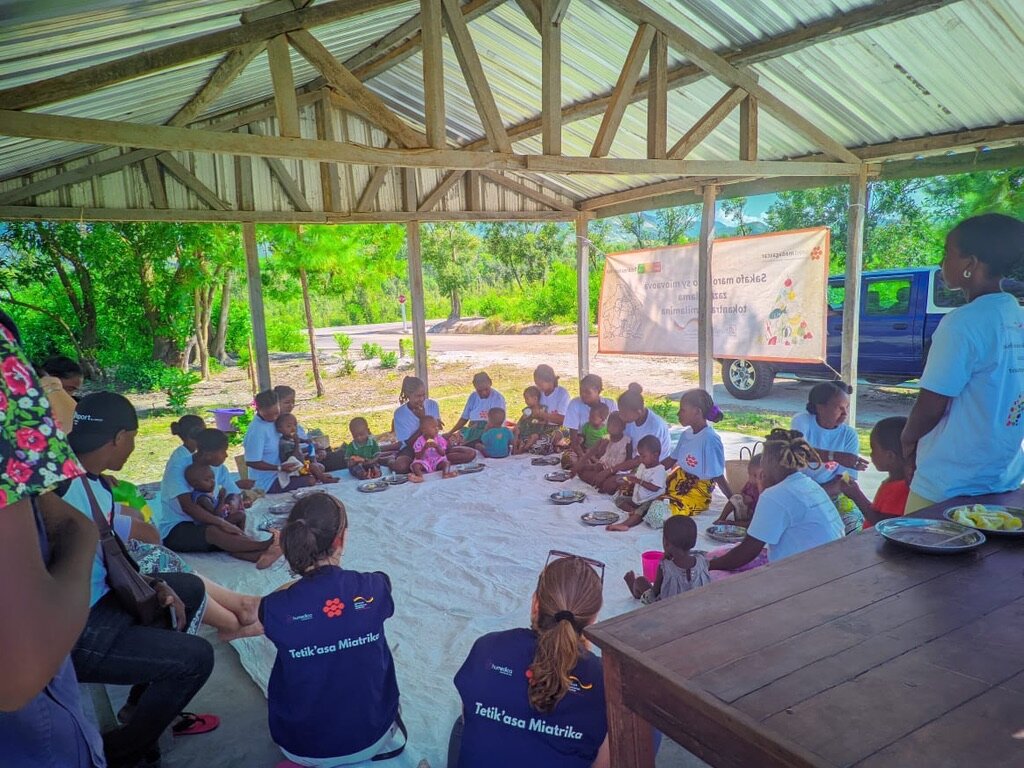
Capacity building remained central to the project, with 272 community health workers and 22 health staff receiving training to improve identification, treatment, and referral of malnutrition cases. Social behaviour change activities reached over 7,000 participants, promoting improved feeding, hygiene, and health practices. The Positive Deviance approach further demonstrated strong results, with 89% of participating children recovering and sustained improvements observed over time.
Overall, Project Miatrika continues to play a critical role in addressing acute malnutrition while strengthening long-term community resilience.