By Lucia Sanchez | Project Leader
From SOS Children’s Villages Spain we have opened an emergency fund to send all possible resources to our colleagues of SOS Children's Villages Ukraine and support them in all the work they are developing there due to the current conflict.
With all the funds that we raise, we want to support the Emergency Response Program that our colleagues from Ukraine have launched, through which we aimed to help a total of 45,000 people, mainly children. The aim of this program is to prevent family separation during displacement and to provide shelter, food, hygiene products and psychological support to families and children in need. We are also focusing our efforts on assisting unaccompanied children by guaranteeing them a safe and protective environment and helping them to identify their families in order to reunite them.
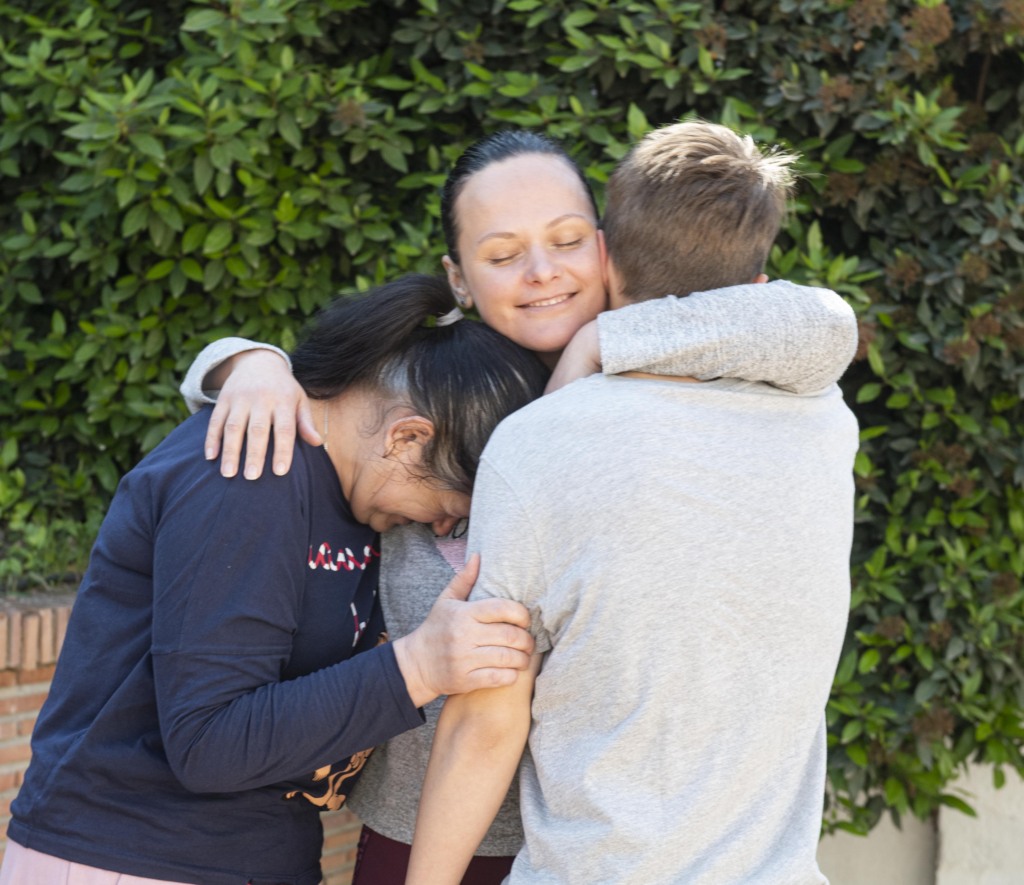
We will also continue our efforts to ensure the well-being and protection of the children in our care, accompanying the foster families with whom we were already working before the conflict. In this regard, we have already started to transfer to Poland several families from our programs in Brovary and Lugansk who, until a few days ago, were staying in a shelter in western Ukraine. These families will be received at the Polish border by our colleagues from SOS Children's Villages in Poland and will be accommodated in the programs we have in the neighboring country.
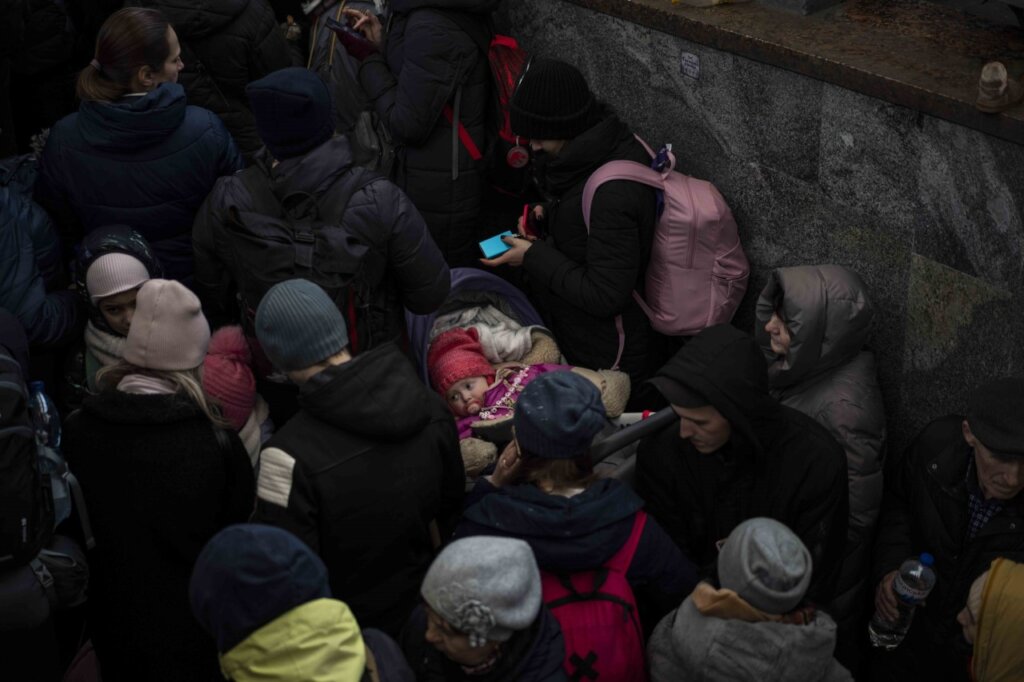
These families have been transferred in two groups. The first consisted of 47 people (40 of them children) and the second of 27 (21 of them children). The decision to move them to Poland comes after the situation in the country worsened and the western regions became populated with IDPs, and although sporadic incidents have been detected in the last hours, the western regions of Ukraine remain the safest in the country. In total, more than 368,000 people have crossed the borders of Poland, Hungary, Romania or Moldova since the beginning of the Russian invasion, according to data from the United Nations High Commissioner for Refugees.
Regarding the families who decided to stay in Brovary and in the Lugansk region, they are safe, although so far they have not been able to move because of the curfew in the region or the insecurity in the area. For them, we have put in place a hibernation plan that includes the collection of supplies and financial aid to provide them with everything they need for at least 15 days. We are also currently providing them with psychological support by telephone, and the children are also being taught situational awareness and how to respond to stressful moments through age-appropriate games.
SOS Children's Villages staff currently in the western regions of Ukraine have identified four local organizations with which they will implement an emergency program to support children living in residential institutions. These organizations are located in Ivano-Frankivsk, Lviv, Dnipropetrovsk and Zakarpattya regions.
We will first offer our support to the children in the four regions identified, supplying them with basic necessities and providing psychological care; we will then expand to other regions where we continue to identify needs. What our professionals have detected is that there is a great lack of psychosocial support and it is expected that there will soon be more needs for shelter and hygiene items.
In addition to all the work explained above, we are also working together with the Ukrainian Public Administrations to respond to the needs of these children, and we will be focussing our efforts on those who have a disability or suffer from chronic illnesses. In SOS Children's Villages Ukraine we work in coordination with the Children's Rights Network and other local organizations, and we are part of the Government Coordination Council. This Council is tasked with informing, supporting and safely relocating children and their families, including those currently in residential care.
SOS Children's Villages warns that in Ukraine there are a total of 162,000 children deprived of parental care: 98,000 of them in residential care and 64,000 in foster care. That is why, in addition to helping children in residential care, we are supporting foster families in need. We estimate that a quarter of them will be affected and that many will need help to relocate and to continue to ensure the welfare and protection of the children in their care.
We have been working in Ukraine for more than 20 years and we provide direct assistance to a total of 2,000 children and 743 families. We currently intervene in the Kiev and Lugansk regions, both in the government-controlled and non-government-controlled areas, through Prevention and Family Strengthening Programs, aimed at improving the living conditions of families at risk and avoiding separation of parents and children. In addition, we have several Protection Programs in which we provide quality alternative care in protective family environments to children who have lost the care of their parents. After the outbreak of the Donbass war in 2014, we launched an Emergency Response Program in Lugansk and Donetsk, providing humanitarian aid, educational support, emotional assistance and family strengthening services.
This experience of almost 20 years in the country allows us to act with agility and flexibility in the face of emergencies, such as the one the country is currently experiencing, always ensuring the protection of children and the union of families.
However, the situation in Ukraine is dramatic and the needs are increasing by the hour. That is why it is extremely important to have all possible support. SOS Children's Villages colleagues in Ukraine remind us that, although the attacks are mainly targeting critical points, an increase in the disruption of infrastructure and the supply chain is expected, which will lead to an increase in essential needs, internal displacement and greater difficulty in accessing basic services, such as hygiene products, medicines, food or the banking system.
Thanks to the funds raised so far, we have been able to deliver 100 emergency kits to families with children affected by the war. Four years on, the conflict continues to impact thousands of people. We must continue to act and ensure that children and families receive the support they urgently need.
By Michelle Simon | Project Leader
By Michelle Simon | Project Leader
Project reports on GlobalGiving are posted directly to globalgiving.org by Project Leaders as they are completed, generally every 3-4 months. To protect the integrity of these documents, GlobalGiving does not alter them; therefore you may find some language or formatting issues.
If you donate to this project or have donated to this project, you can receive an email when this project posts a report. You can also subscribe for reports without donating.



Support this important cause by creating a personalized fundraising page.
Start a Fundraiser