By Giacomo Carlini | International Partnership
The Story of AngelinaExecutive summary
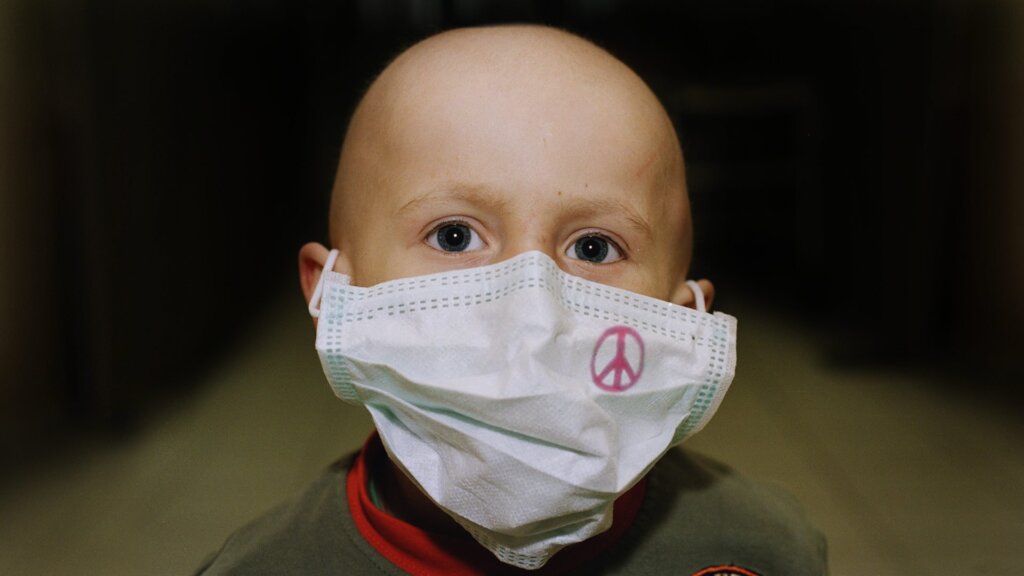
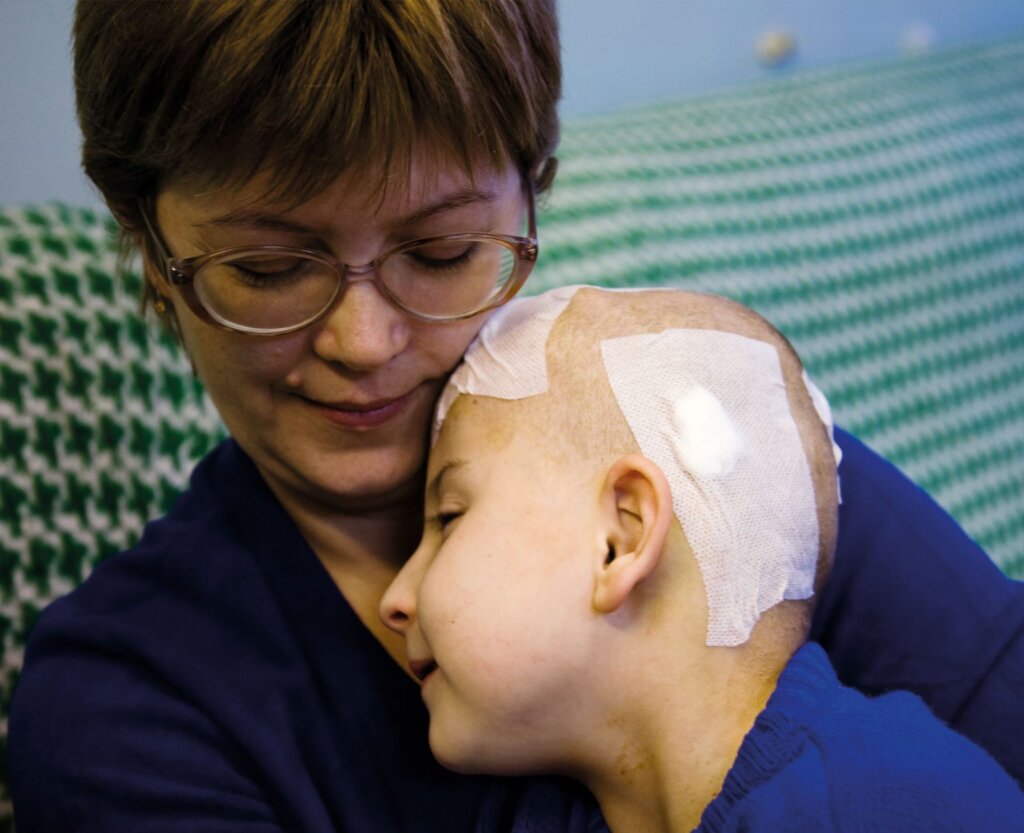
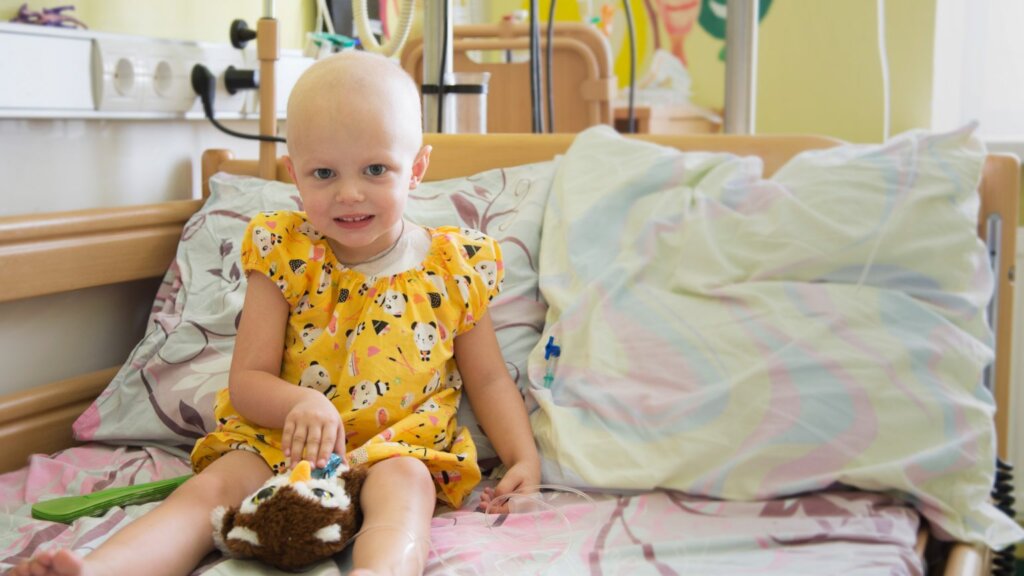
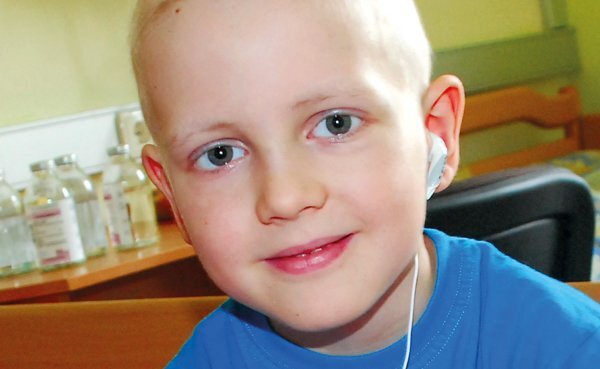
This report tells the story of Angelina, a young girl whose experience reflects Fondazione Soleterre ETS’s work in Ukraine. Through medical care, psychological support, rehabilitation and accommodation, Soleterre assists children affected by cancer and by war. Angelina’s journey from diagnosis to rehabilitation and her aspiration to become a pediatric doctor show the personal impact of these services and the organisation’s commitment on the ground.
Angelina: a brief portrait
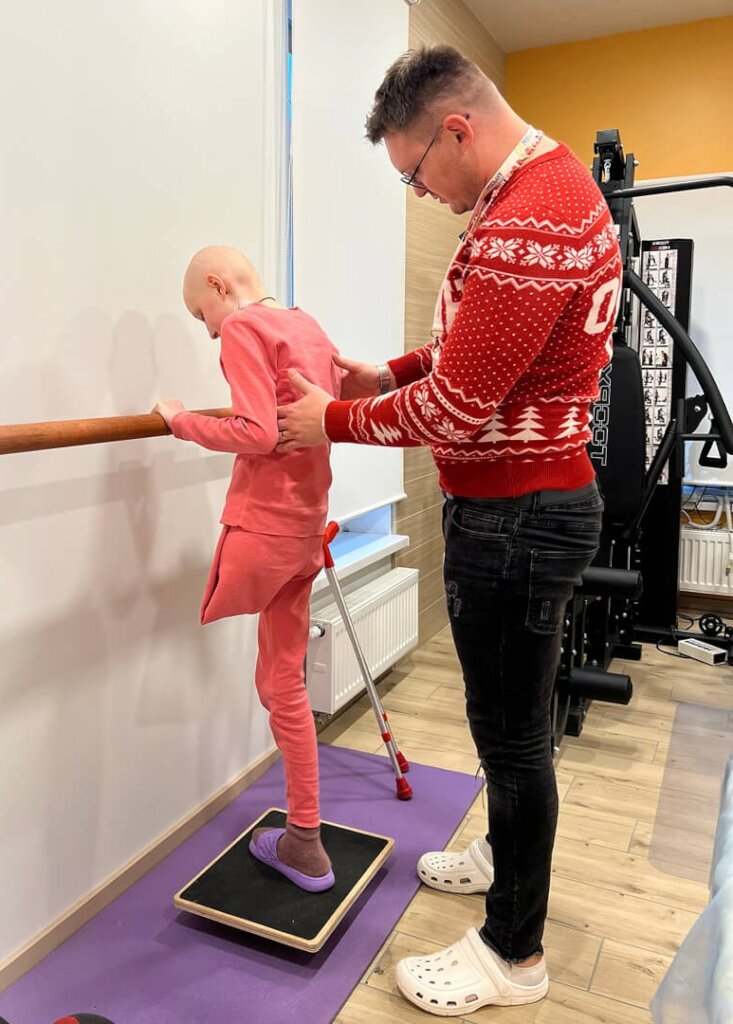
Angelina is 12. After a diagnosis of osteosarcoma and a complex surgery, she lost one leg. She lives in the Dacha, Soleterre’s reception house in Kyiv, with her mother. During treatment she began intensive rehabilitation with a physiotherapist. Sessions focused on strength, balance and prosthesis familiarisation. Staff describe these steps as essential to rebuilding physical function and hope. Angelina’s daily routine includes hospital visits, physiotherapy, study and play; rehabilitation restores mobility and supports psychological recovery.
Soleterre’s response in Ukraine
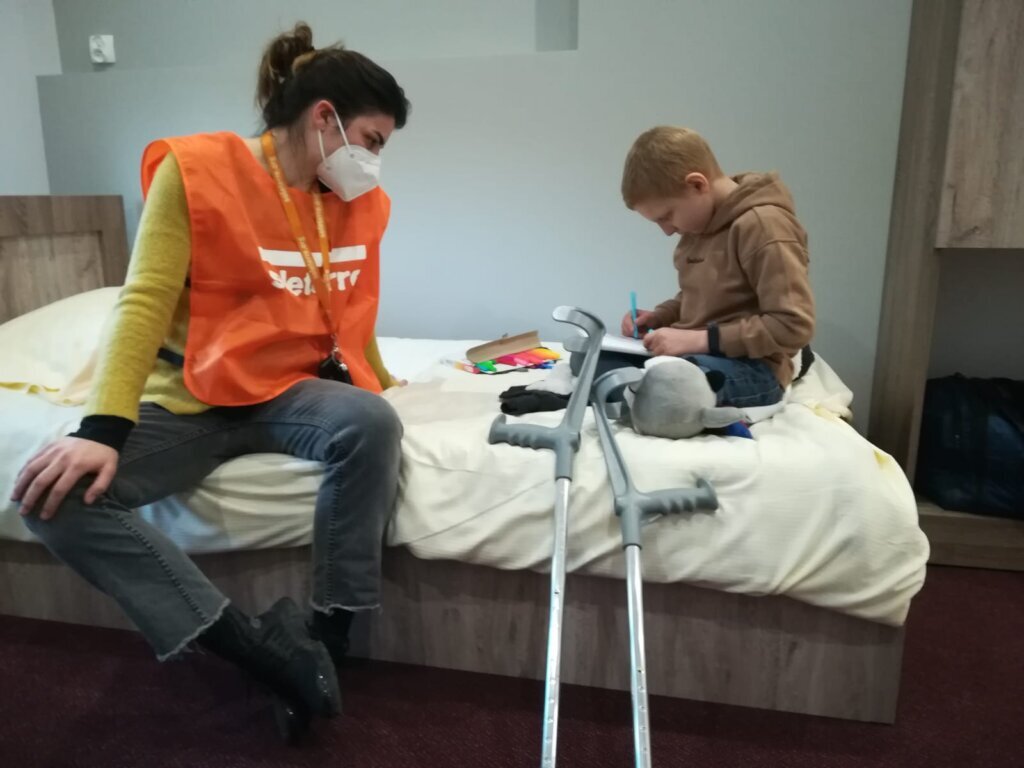
Soleterre combines medical assistance, rehabilitation, psychological care and safe accommodation. The organisation works inside specialist hospitals, including the Institute of Cancer and Okhmatdyt Pediatric Hospital, and manages reception houses such as the Dacha in Kyiv. Multidisciplinary teams — psychologists, physiotherapists, speech and occupational therapists — provide integrated care for sick and injured children.
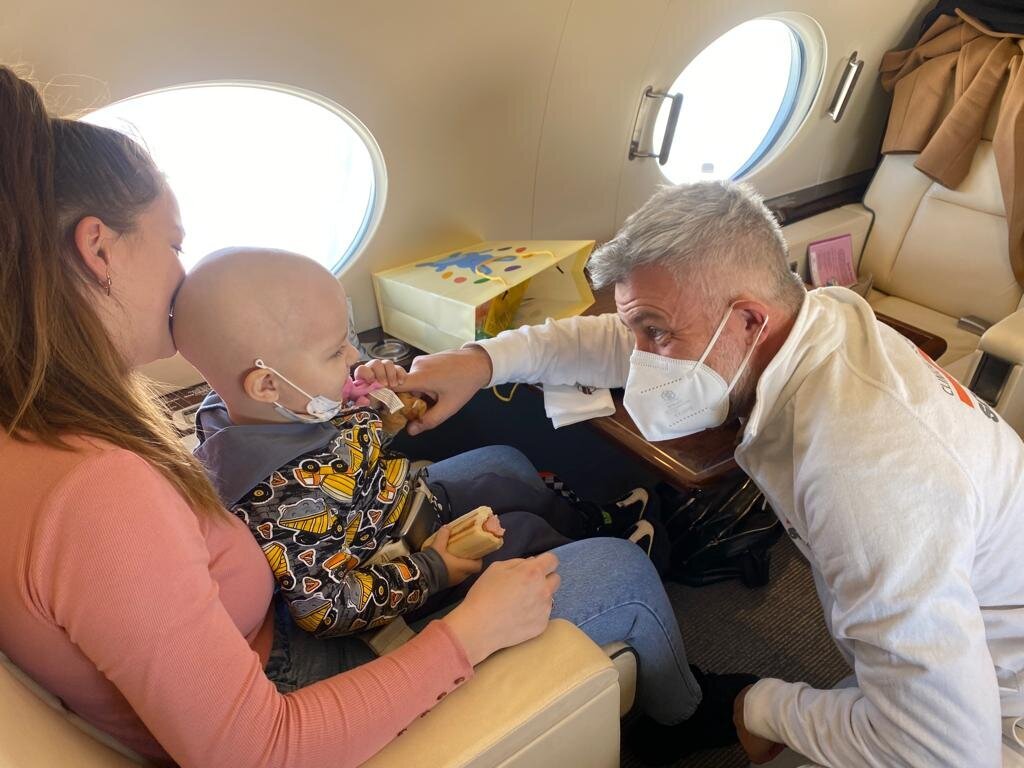
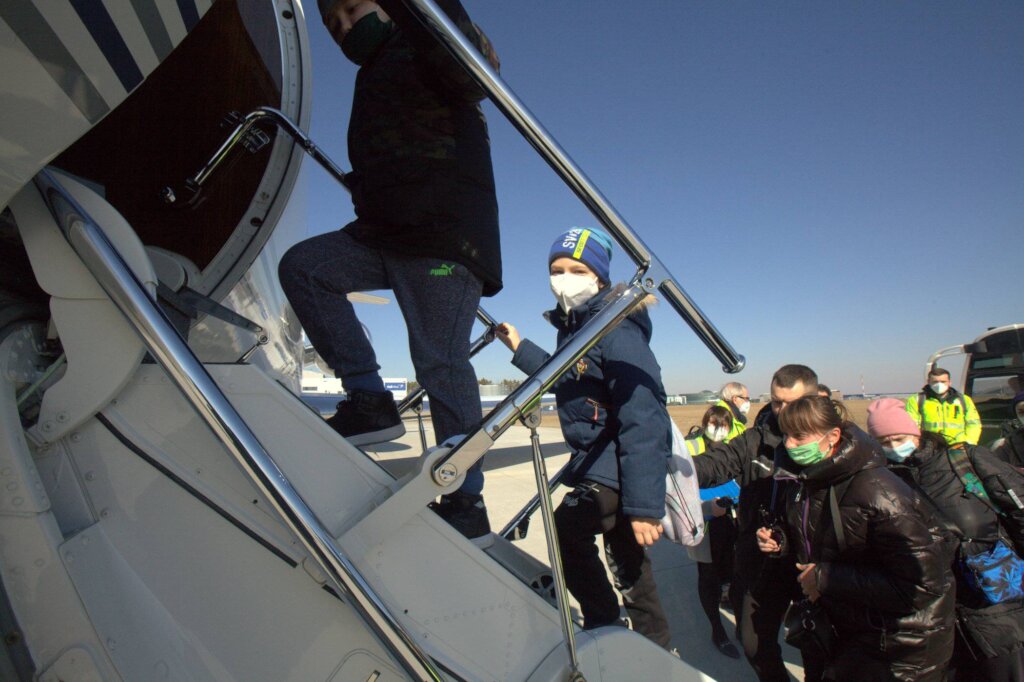
Since February 24, 2022, Soleterre expanded its activities to respond to the overlapping needs created by conflict and illness. The organisation organised medical evacuations of pediatric patients to hospitals in Europe, supported transfers, and opened reception and support points at border areas. Teams provide neuromotor rehabilitation and psychosocial support to children affected by war-related injuries, and ensure supplies of medicines and essential materials.
Services and impact
Key services include:
Medical and pharmaceutical support for pediatric oncology patients.
Psychological support for children and caregivers.
Rehabilitation services that support recovery after injury or surgery and facilitate prosthesis training.
Accommodation in reception houses that host children and caregivers during treatment.
Soleterre’s programs combine emergency aid with medium- and long-term rehabilitation and psychosocial services, working with Ukrainian hospitals and partner organisations to stabilise treatment pathways.
Why this matters
The war increased barriers to care, interrupted supply chains and added traumatic experiences for patients and families. Soleterre’s model — hospital-based work, reception houses and multidisciplinary rehabilitation teams — helps reduce these barriers, stabilise care and foster resilience among children and caregivers.
Conclusion
Angelina’s case exemplifies the importance of integrated medical, rehabilitative and psychosocial support in Ukraine. Sustained funding for multidisciplinary teams, continued support for reception houses, investment in prosthetic and rehabilitation pathways, and outreach to underserved regions are key priorities to strengthen these interventions.
Privacy note: names and images may be altered to protect children and families.
Links:
Project reports on GlobalGiving are posted directly to globalgiving.org by Project Leaders as they are completed, generally every 3-4 months. To protect the integrity of these documents, GlobalGiving does not alter them; therefore you may find some language or formatting issues.
If you donate to this project or have donated to this project, you can receive an email when this project posts a report. You can also subscribe for reports without donating.



Support this important cause by creating a personalized fundraising page.
Start a Fundraiser