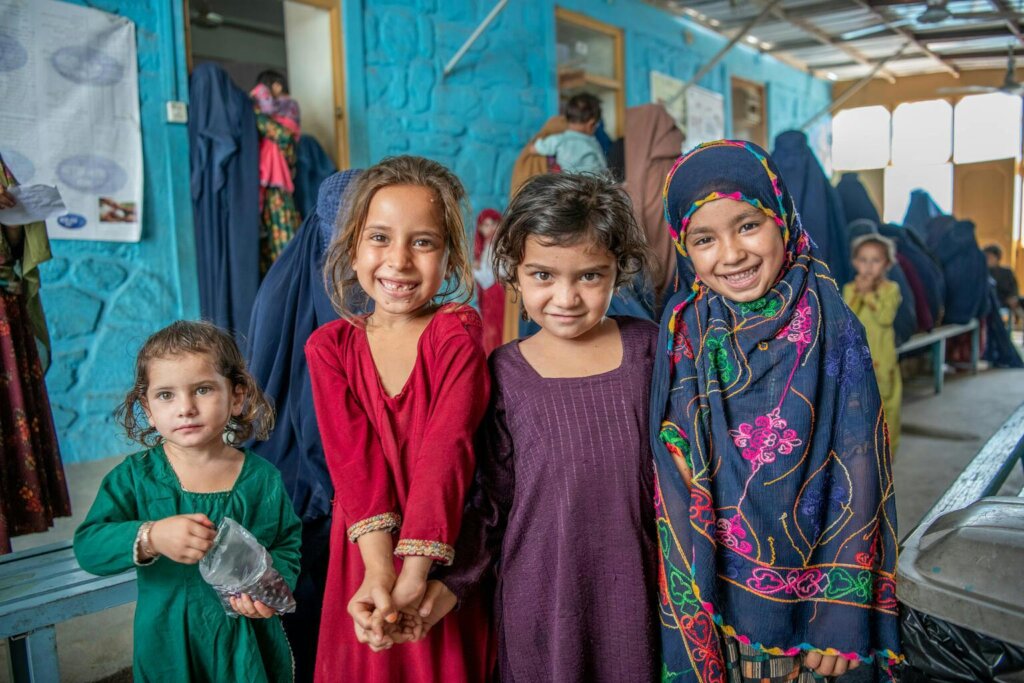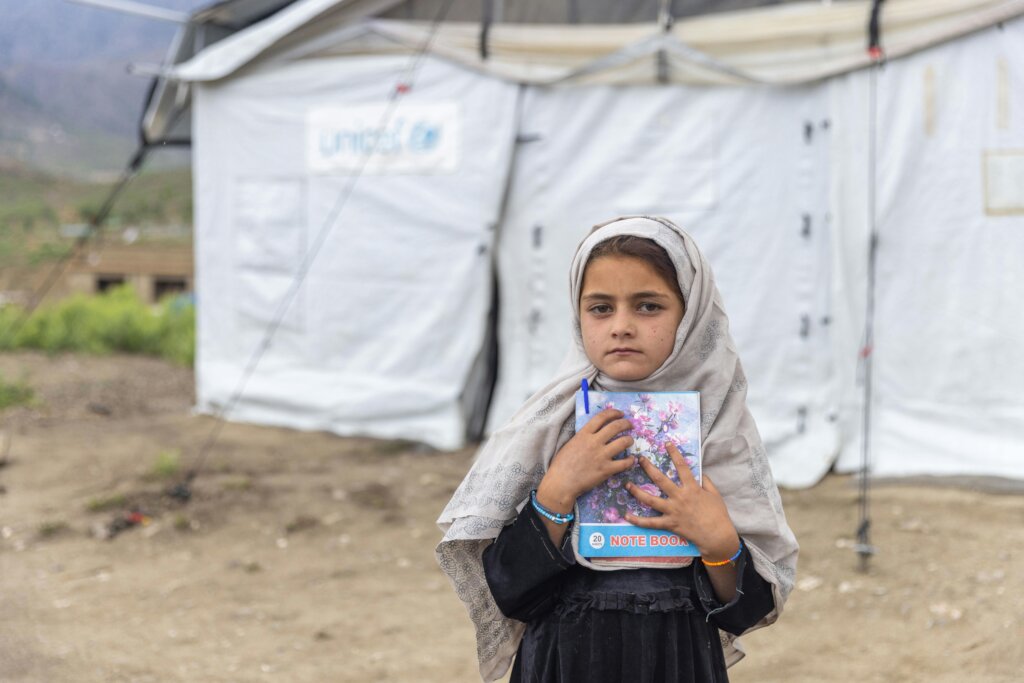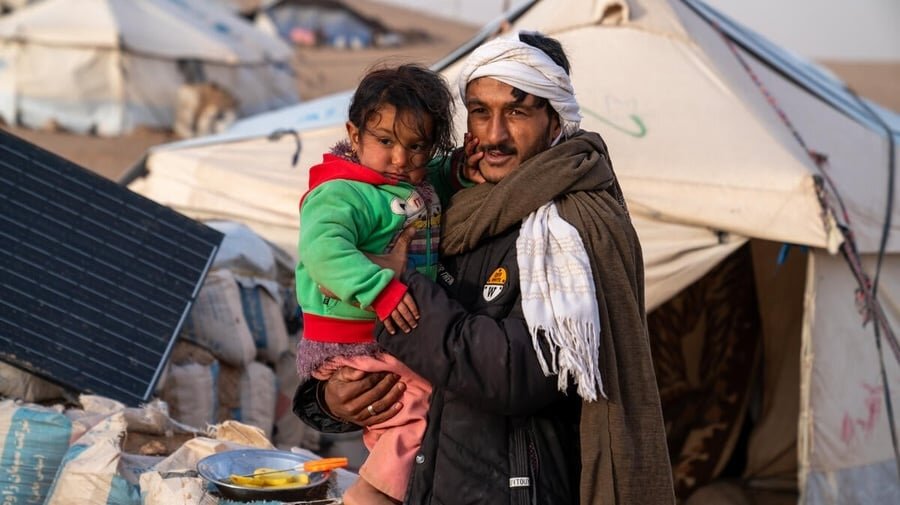
As of early 2026, Afghanistan is classified as an Emergency Level 2 situation, with 22.9 million people requiring humanitarian assistance. The country is facing a complex, compounding crisis driven by the forced return of over 2.4 million Afghans from Pakistan and Iran in 2025, severe earthquakes, and ongoing economic collapse. Emergency Response Efforts (2025-2026).
As of 2026, Afghanistan faces a severe, multifaceted crisis centered on Taliban control, economic collapse, and a dire humanitarian situation. Key issues include extreme poverty, widespread food insecurity, restrictions on women's rights, lack of international recognition, and ongoing security threats from groups like IS-K, causing millions to face displacement.
This project likely refers to one of several major humanitarian or development .Initiatives currently active in Afghanistan. Strengthening Food Security and Livelihoods vinitiatives reach over 11 million people, stimulating local economies while fighting hunger.
Afghanistan is currently navigating a "perfect storm" of intersecting crises that threaten long-term stability and human survival. The most critical potential impacts today include: 1. Impending Environmental Collapse Water Scarcity: Kabul's groundwater levels have plummeted by 25-30 meters in a decade. Projections suggest the capital's aquifers could be exhausted by 2030, potentially displacing 6 million people. Climate Resilience: Afghanistan is the world's 6th most climate-impacted



Support this important cause by creating a personalized fundraising page.
Start a Fundraiser