By Kimberly Laney | Senior Philanthropy Specialist
On August 1, 2018 the Democratic Republic of the Congo (DRC) confirmed an Ebola outbreak in North Kivu Province. As of December 25, there are 585 confirmed or probable cases – making this Ebola outbreak the second largest in history. So far, the outbreak has resulted in 356 deaths and spread across 16 health zones in two provinces, North Kivu and Ituri.
One of the greatest barriers to containing this deadly outbreak is the active armed conflict which limits the ability of health workers to access certain areas. Health workers are also facing community resistance to vaccination, treatment and safe burials, which increases the risks for responders while making it probable that the virus will continue to spread.
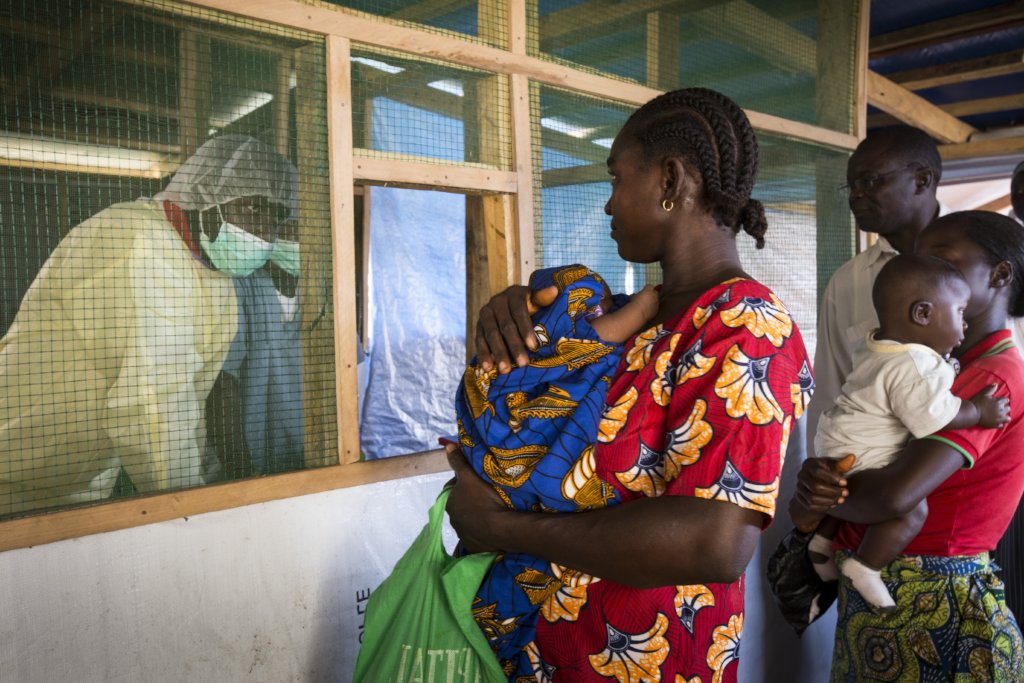
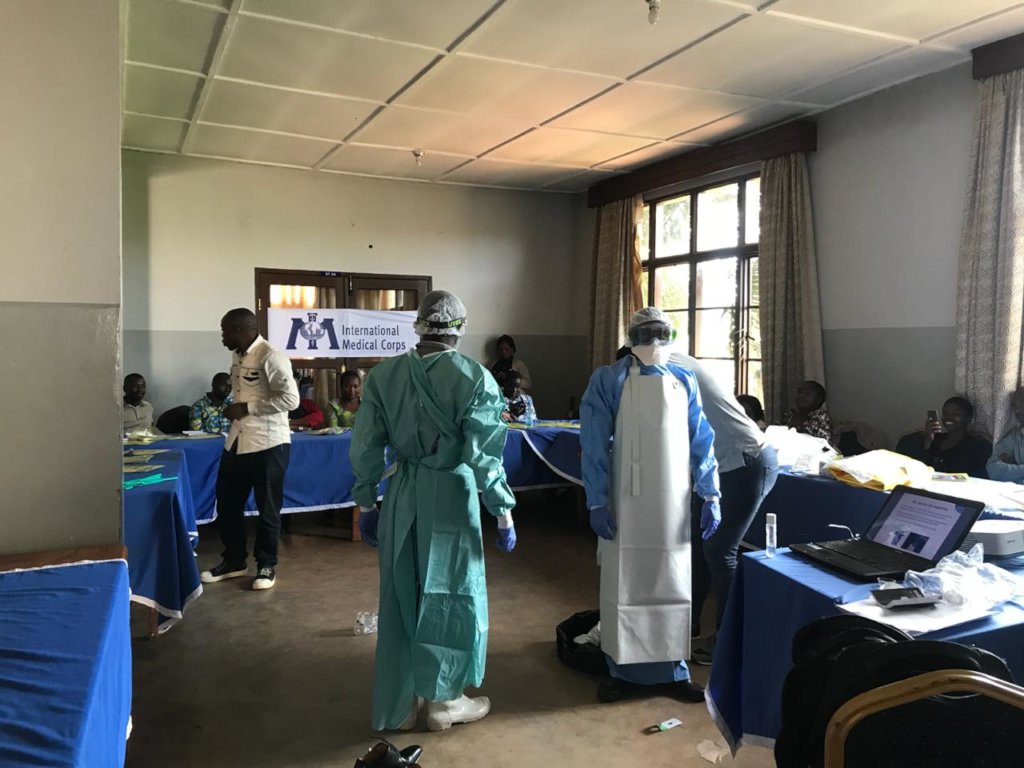
Despite these challenges, International Medical Corps is on the ground helping to stop the spread of this deadly outbreak as quickly as possible. To address the resistance to seek treatment and to report neighbors or family members who are sick, we are launching community engagement activities, collaborating with health workers to raise community awareness of Ebola and the dangers it poses.
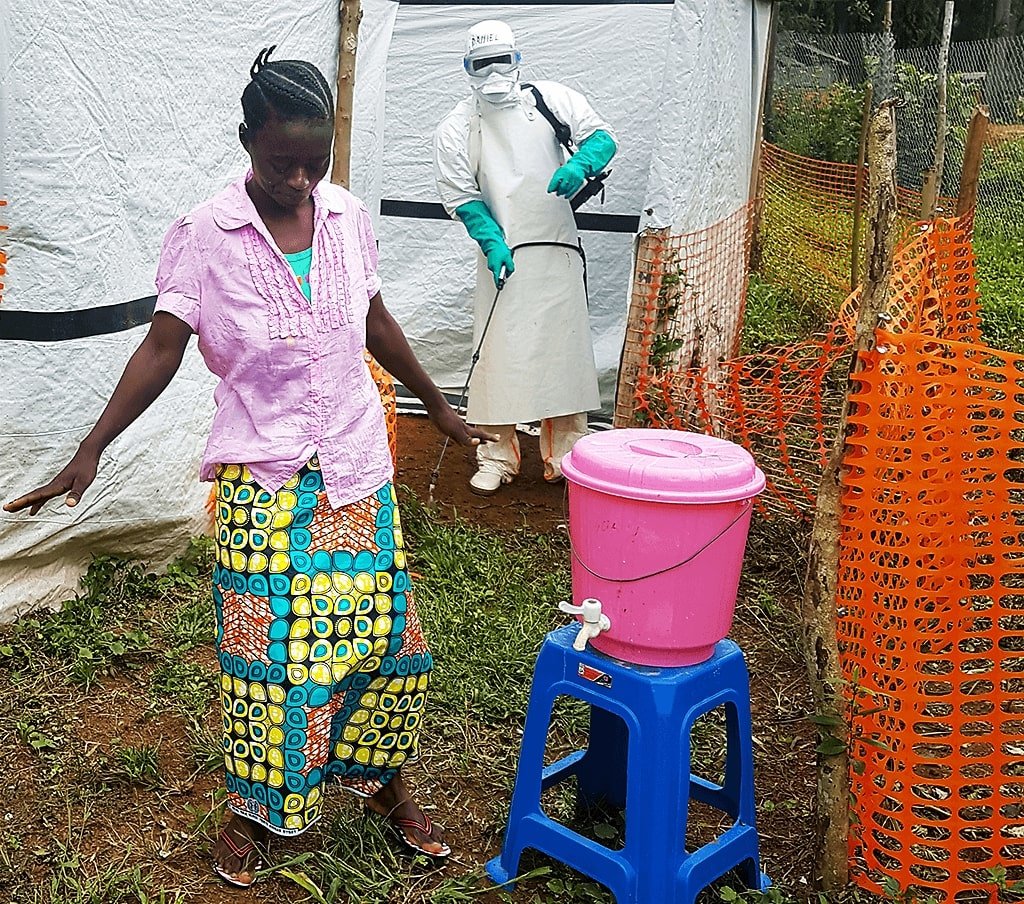
We’ve also constructed more than 30 screening and referral units, which our teams utilized in the 2014 West Africa Ebola outbreak to provide staff with the training, resources and infrastructure needed to safely screen every patient, visitor and staff member with no-touch temperature checks and rapid assessments for Ebola-like symptoms each time they enter a health site. In the DRC, these units enabled health staff to conduct approximately 375,000 screenings to-date for individuals entering health sites to prevent the spread of disease.
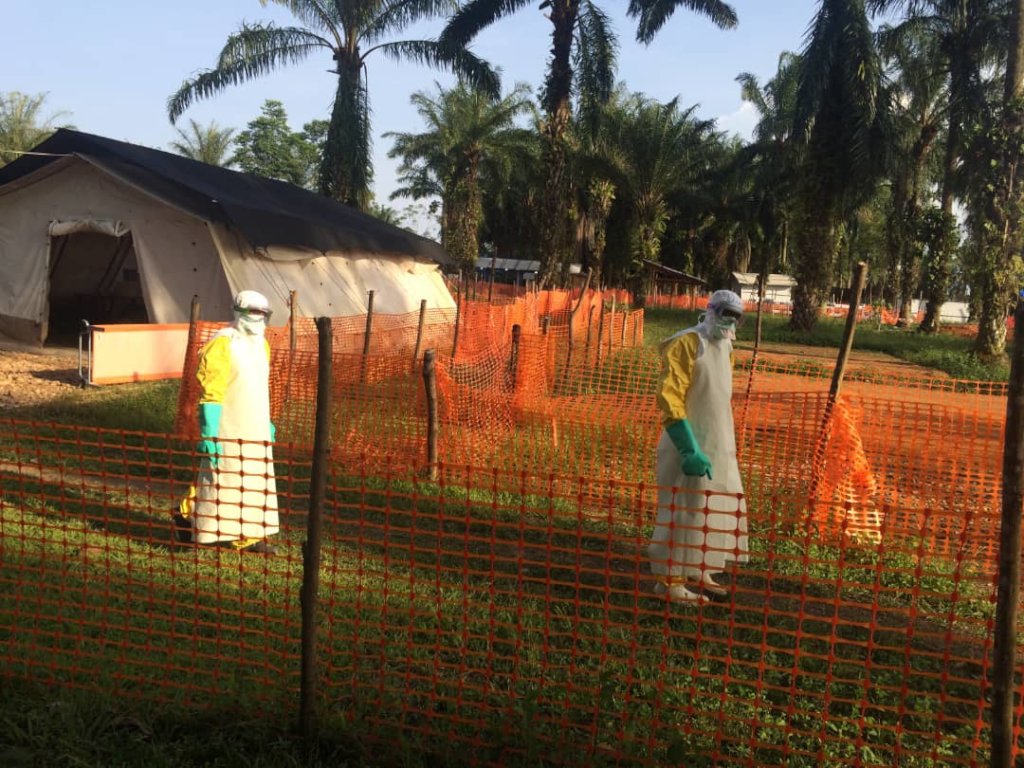
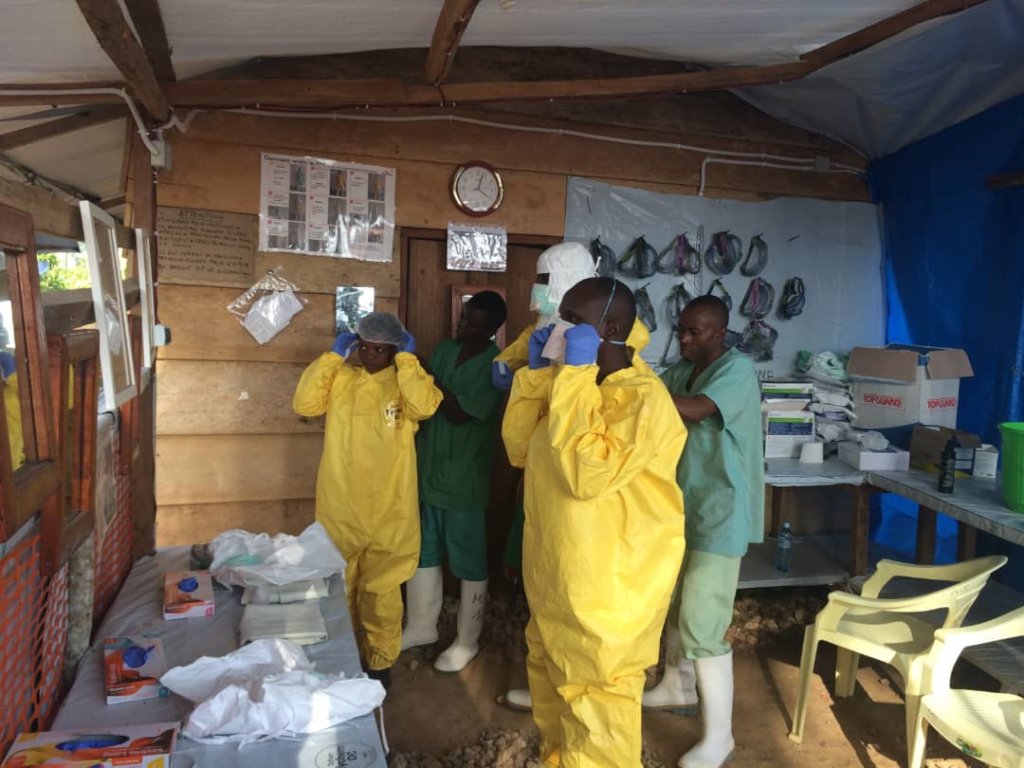
In North Kivu province, our teams are operating an Ebola Treatment Center (ETC) – one of six active ETCs in the region – to care for and treat suspected and confirmed cases as effectively as possible.
Davis, International Medical Corps’ Communications and Information Officer in the DRC, notes that, “With new cases in the Mabalako health zone, the original site of the outbreak, our staff has admitted more than 80 suspected and confirmed patients at the Mangina ETC [within Mabalako] since the beginning of December. As patients continue to arrive at the late and final stages of the disease, our teams are working around the clock to provide treatment to patients from the rural communities surrounding Mangina.”
We deeply appreciate the GlobalGiving community’s support as we work to stop the spread of this Ebola outbreak. Thank you.
Project reports on GlobalGiving are posted directly to globalgiving.org by Project Leaders as they are completed, generally every 3-4 months. To protect the integrity of these documents, GlobalGiving does not alter them; therefore you may find some language or formatting issues.
If you donate to this project or have donated to this project, you can receive an email when this project posts a report. You can also subscribe for reports without donating.