By Nalan Uker | IBC Programs Director
As the war in Ukraine continues, communities in the southern regions of Mykolaiv and Kherson face persistent insecurity, repeated attacks, and growing humanitarian challenges. In recent months, intensified attacks have caused civilian casualties, damaged residential buildings and critical infrastructure, and further complicated access to essential services. In September 2026, civilian casualties across Ukraine reached their highest level for that month since the full-scale invasion began, while Kherson remained among the most severely affected locations.
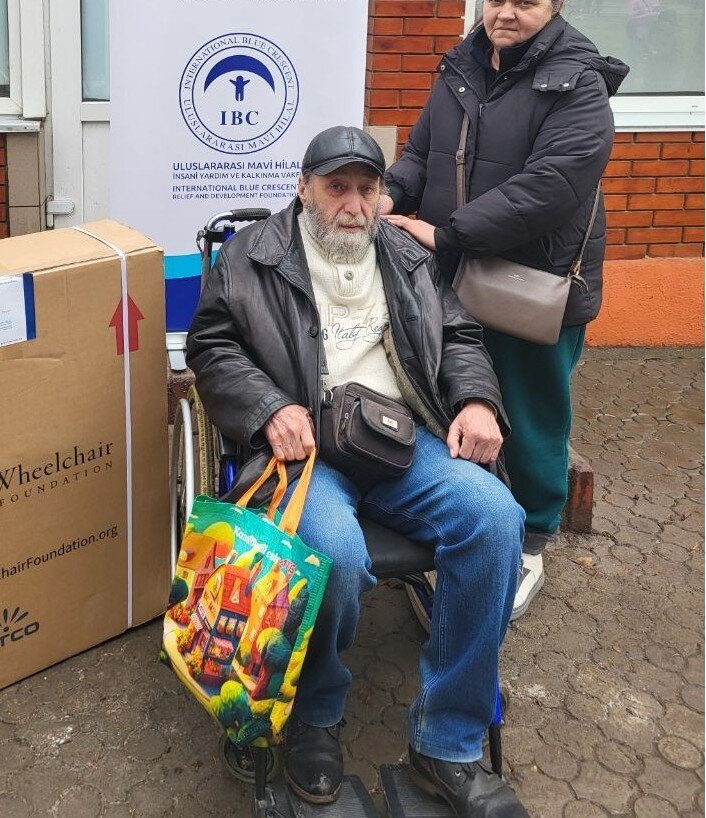
These conditions place additional pressure on vulnerable households, particularly older people, persons with disabilities, and individuals with reduced mobility who may struggle to access food, healthcare, and emergency assistance independently.
Throughout the reporting period ending in October, IBC continued implementing its Bringing Relief to Ukrainian Families in Crisis project, providing needs-based humanitarian assistance with a particular focus on accessibility, inclusion, and the protection of vulnerable individuals.
Key Activities and Results
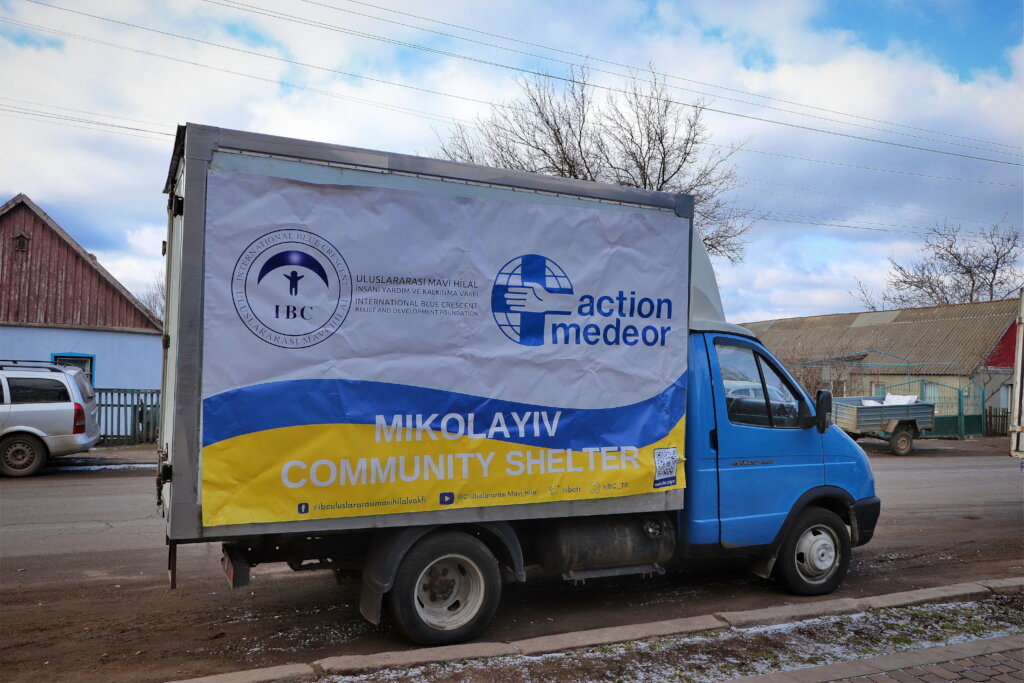
During this reporting period, the project focused on three complementary areas of intervention: first aid support, mobile bakery operations, food security, and grocery assistance.
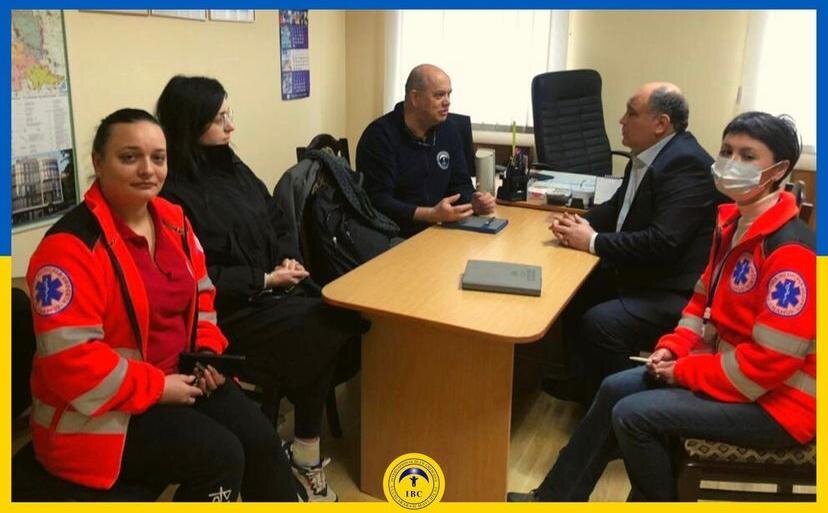
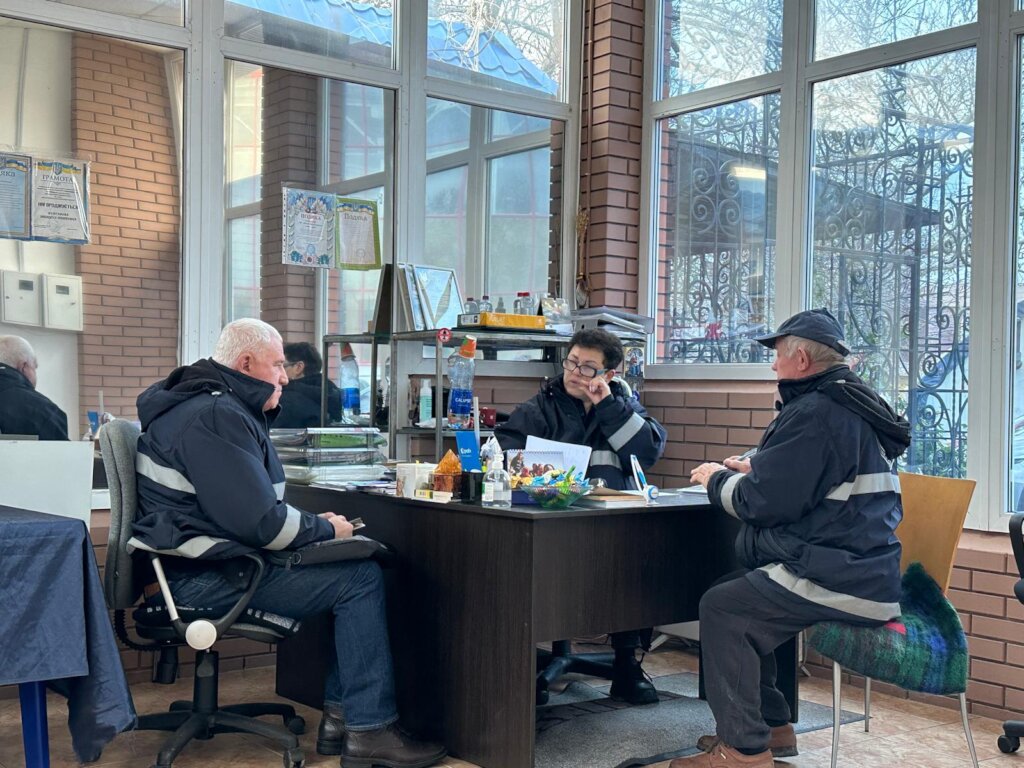
First aid and immediate support: The project supported immediate humanitarian needs through first aid activities, with particular attention to older people and persons with disabilities. These interventions aimed to facilitate timely assistance for individuals facing heightened risks and barriers to accessing support.
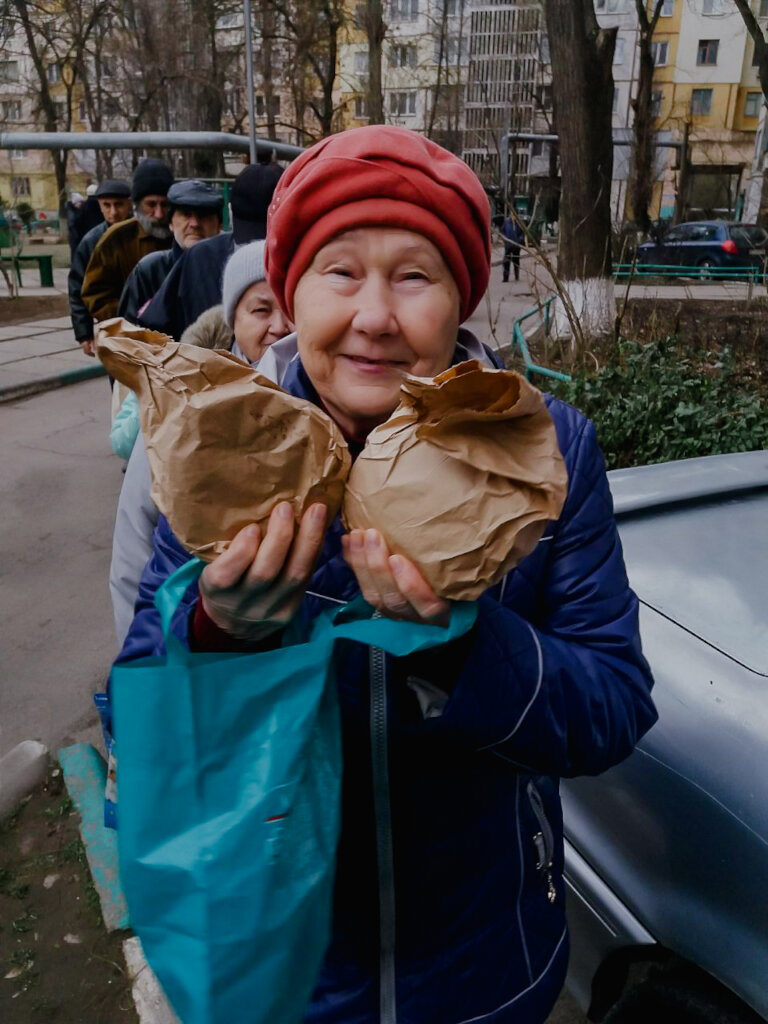
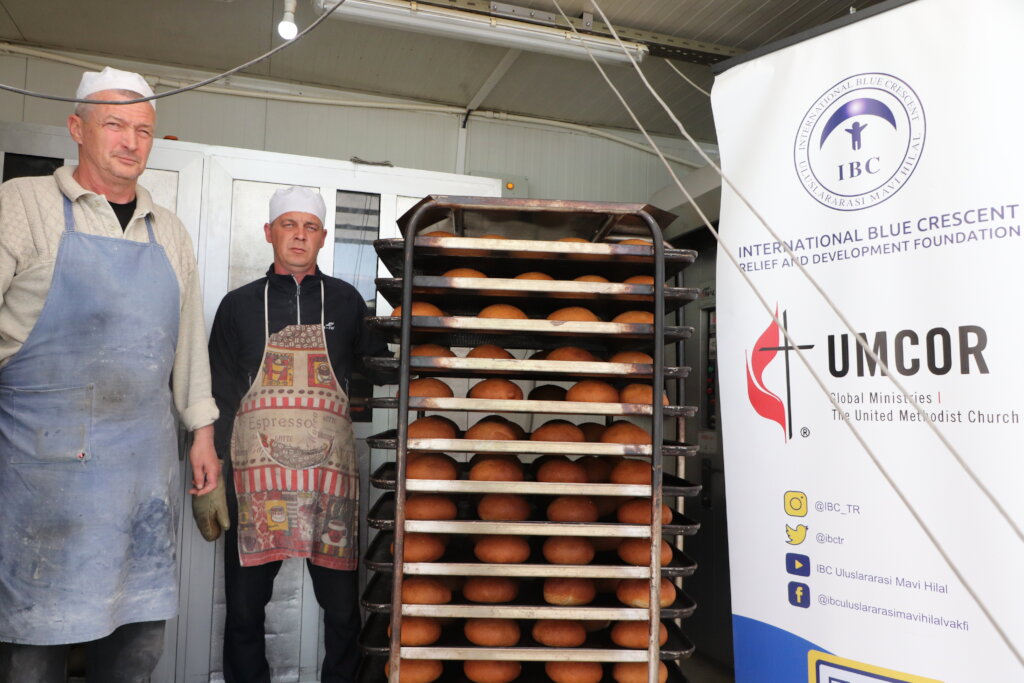
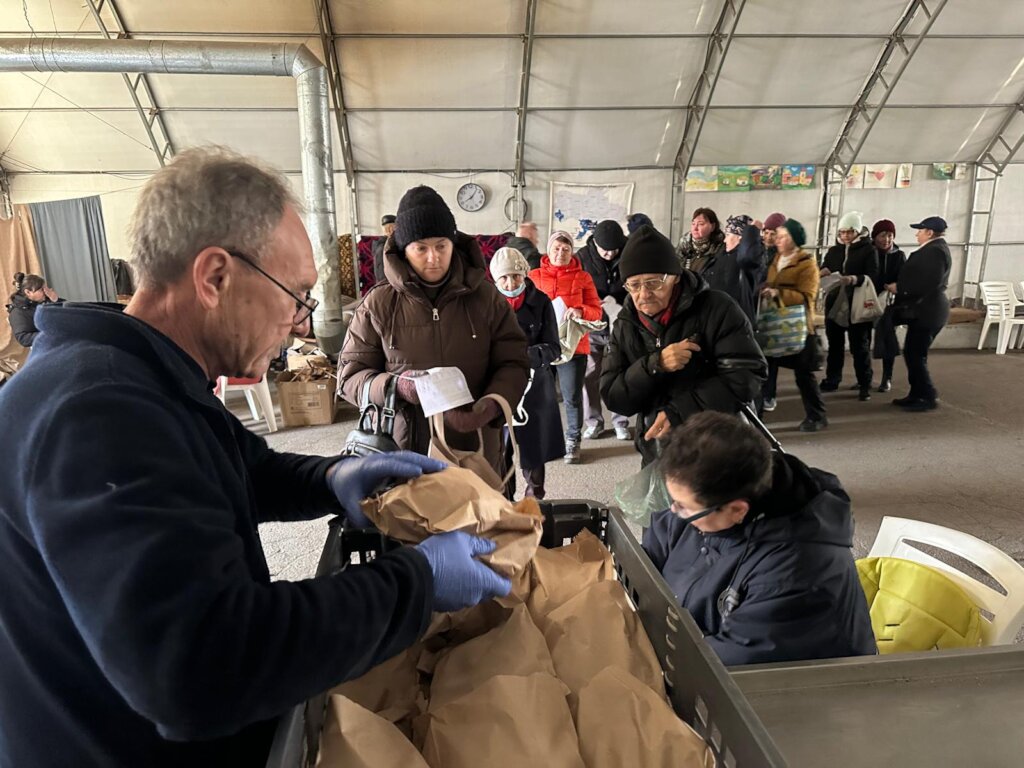
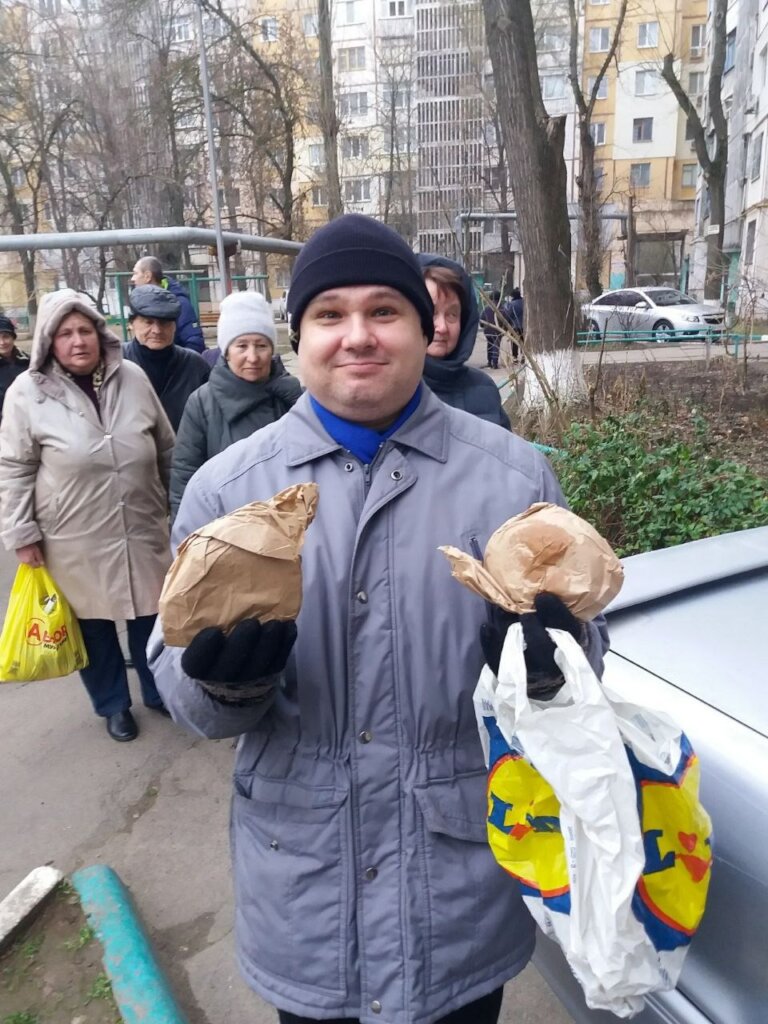
Mobile bakery operations: Through mobile bakery activities, the project helped bring bread closer to conflict-affected communities. This approach supports access to an essential food staple while reducing the practical difficulties associated with obtaining food in areas affected by insecurity and disrupted services.
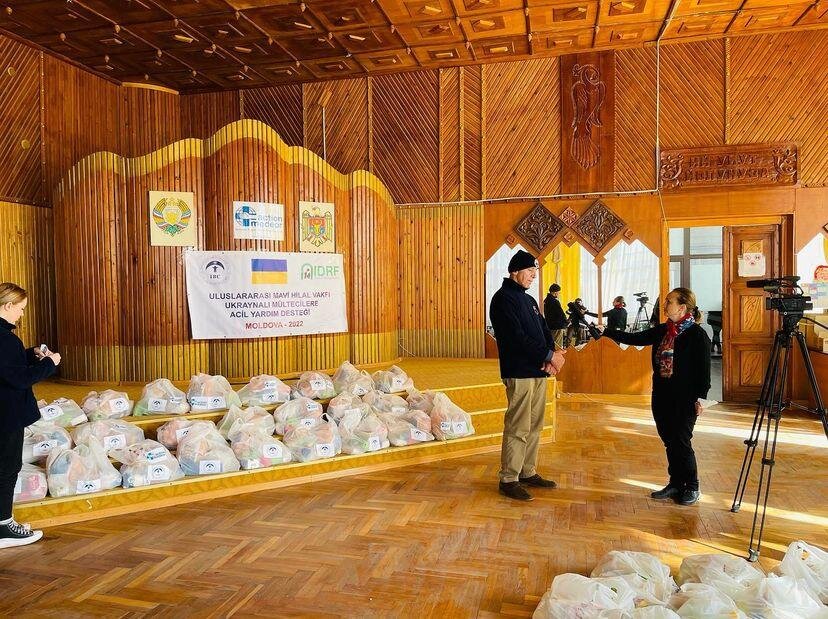
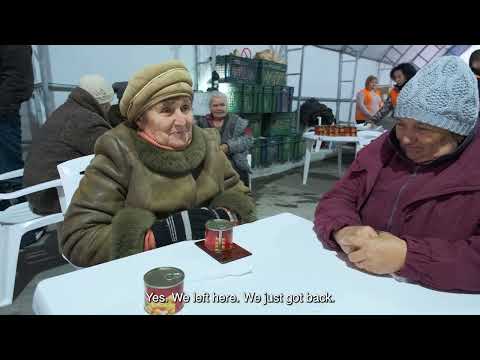
Food security and Grocery assistance: Food security and grocery support helped vulnerable households address basic food needs amid ongoing economic hardship and humanitarian uncertainty. Priority was given to individuals and families experiencing heightened vulnerability, including older people and persons with disabilities.
Results achieved during the reporting period
These results demonstrate the project's contribution to addressing immediate needs and improving access to essential assistance among vulnerable populations.
Bringing Hope and Dignity to Halyna: A Story of Resilience in the Face of Adversity
For older people living alone, the humanitarian consequences of the war can be especially severe. Limited mobility, dependence on assistance for daily activities, and difficulties reaching distribution points can make accessing basic necessities a significant challenge.
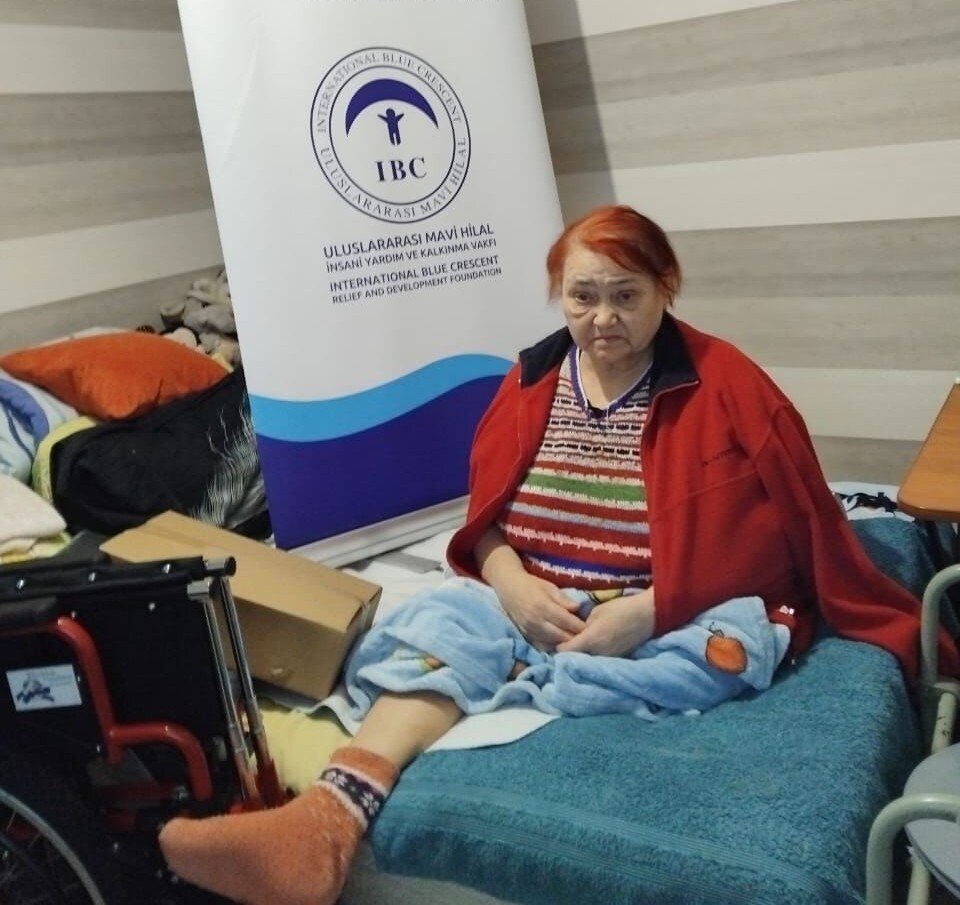
Halyna, 78, lives alone and faces daily challenges due to limited mobility and her dependence on care. Partially confined to her bed, even accessing food and essential supplies can be a struggle, especially amid the ongoing insecurity and disruption caused by the war.
Her experience highlights why accessibility must remain central to humanitarian programming. Tailored assistance for older people and persons with disabilities helps reduce barriers, preserve dignity, and ensure that people with limited mobility are not left behind.
At 78, Halyna lives alone and struggles with limited mobility, making everyday tasks increasingly difficult. Through our support, she received food assistance, first aid, and home-based care to help address her essential needs. For Halyna, this support means more than meeting daily necessities it brings comfort and reassurance during an uncertain time. With her consent, we took her photograph to share her story and highlight the importance of ensuring that vulnerable people are not left behind.
“Living alone and struggling to move around makes even the simplest daily tasks difficult. Sometimes, I worry about how I will manage to get the food and care I need. The assistance I received has made my days a little easier and helped me feel that I am not forgotten. I am truly grateful to everyone who has helped me. Your kindness means a great deal to me, especially at this difficult time.”
Looking Ahead: Your Support Makes a Difference
As humanitarian needs persist in Mykolaiv and Kherson, IBC remains committed to providing accessible, inclusive, and needs-based assistance to conflict-affected communities.
GlobalGiving’s support helps sustain our field activities, mobile bakery operations, food security and grocery assistance, safe water access, and accessibility improvements, enabling vulnerable individuals and families to meet their essential needs and access vital services during an exceptionally difficult period. Yet, as humanitarian needs continue to grow, the need for sustained support has never been greater. With your continued solidarity, we can reach more people, protect dignity, and bring life-saving assistance and hope to those who need it most.
Thank you for standing with Ukrainian families. Your generosity helps bring relief closer to those who need it most, with particular attention to people who face the greatest barriers to accessing humanitarian assistance.
Project reports on GlobalGiving are posted directly to globalgiving.org by Project Leaders as they are completed, generally every 3-4 months. To protect the integrity of these documents, GlobalGiving does not alter them; therefore you may find some language or formatting issues.
If you donate to this project or have donated to this project, you can receive an email when this project posts a report. You can also subscribe for reports without donating.



Support this important cause by creating a personalized fundraising page.
Start a Fundraiser