By Olga Lidia Roldan Padron | Head of the Sierra Gorda Ecotours
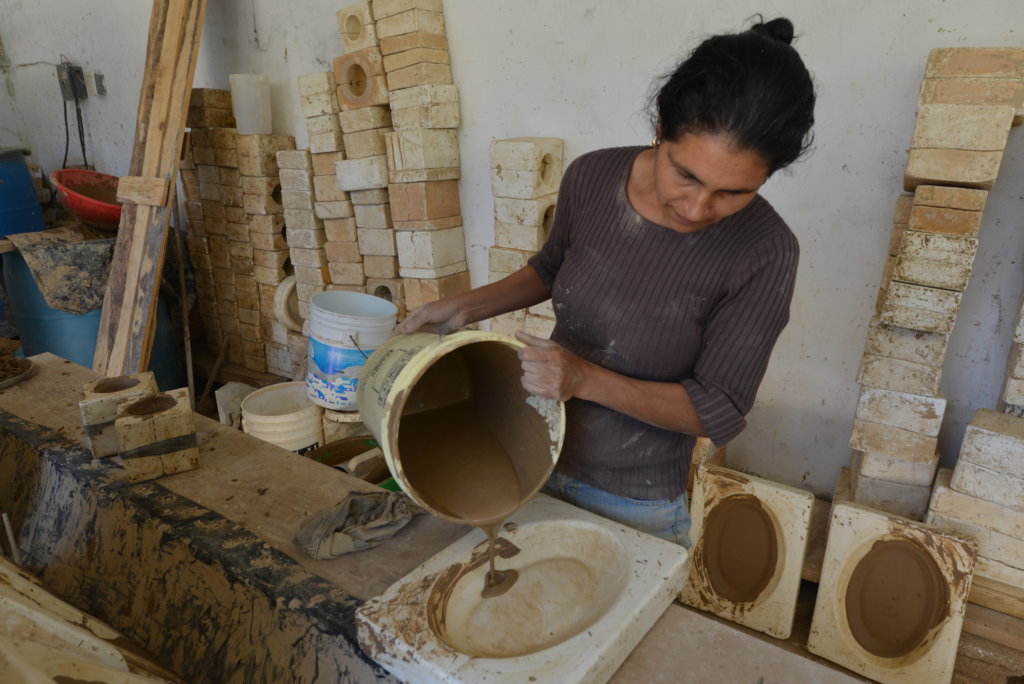
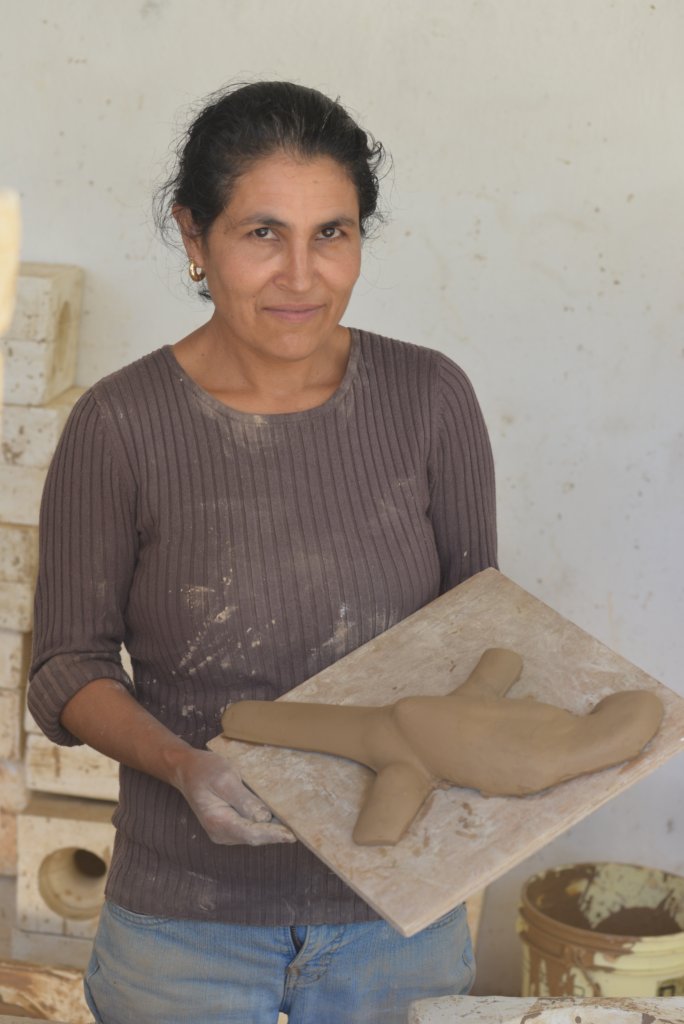
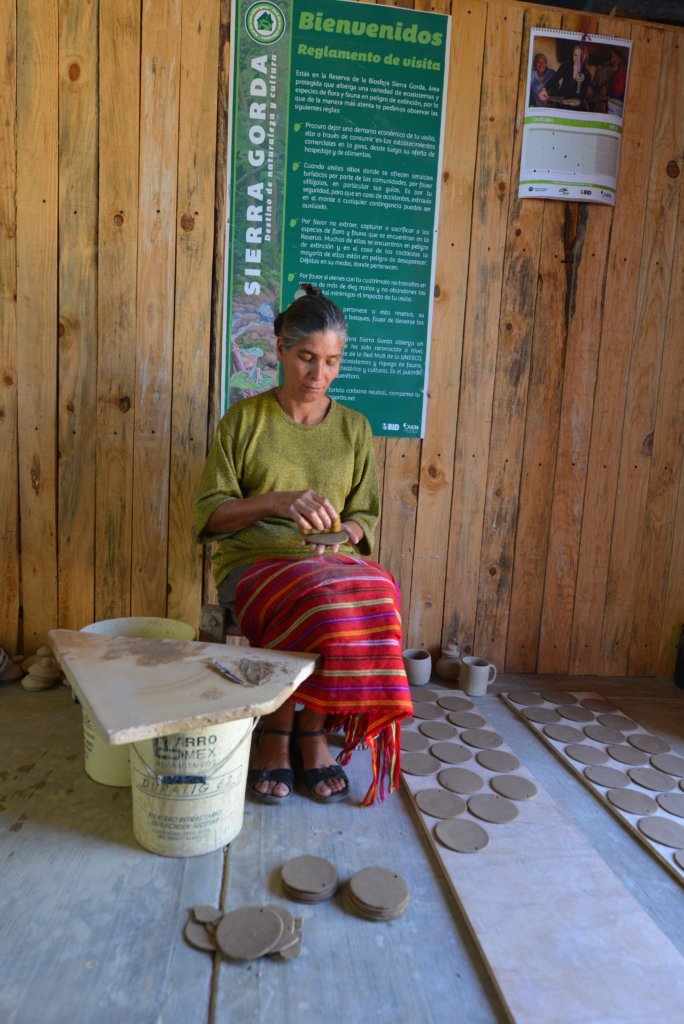
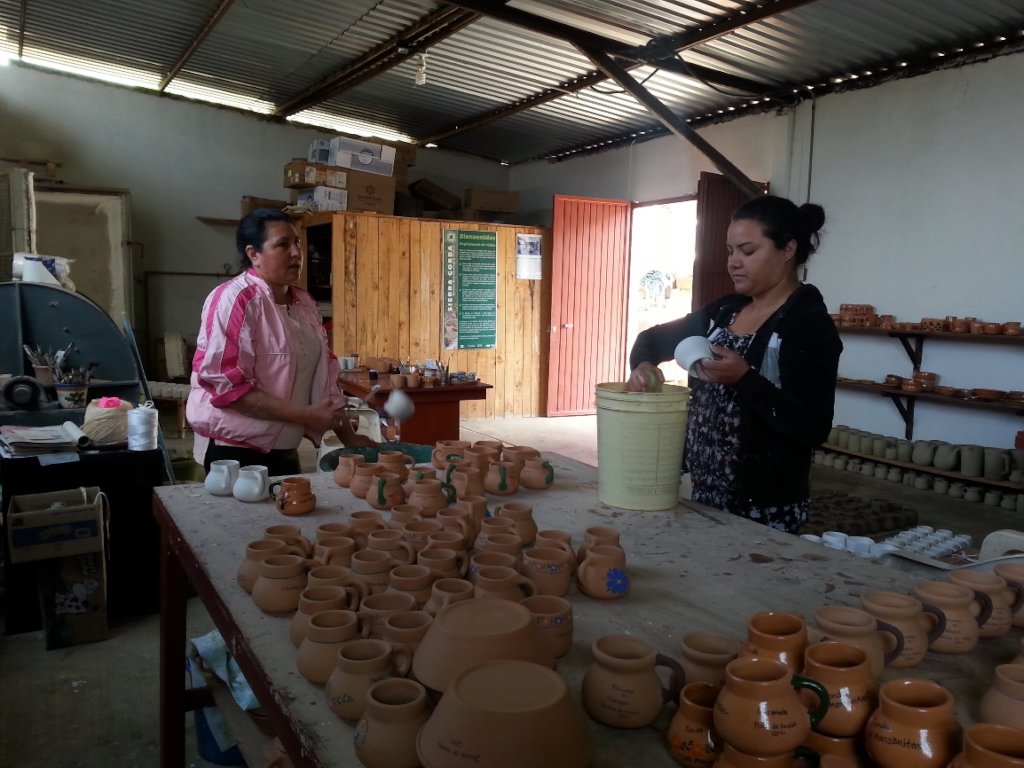
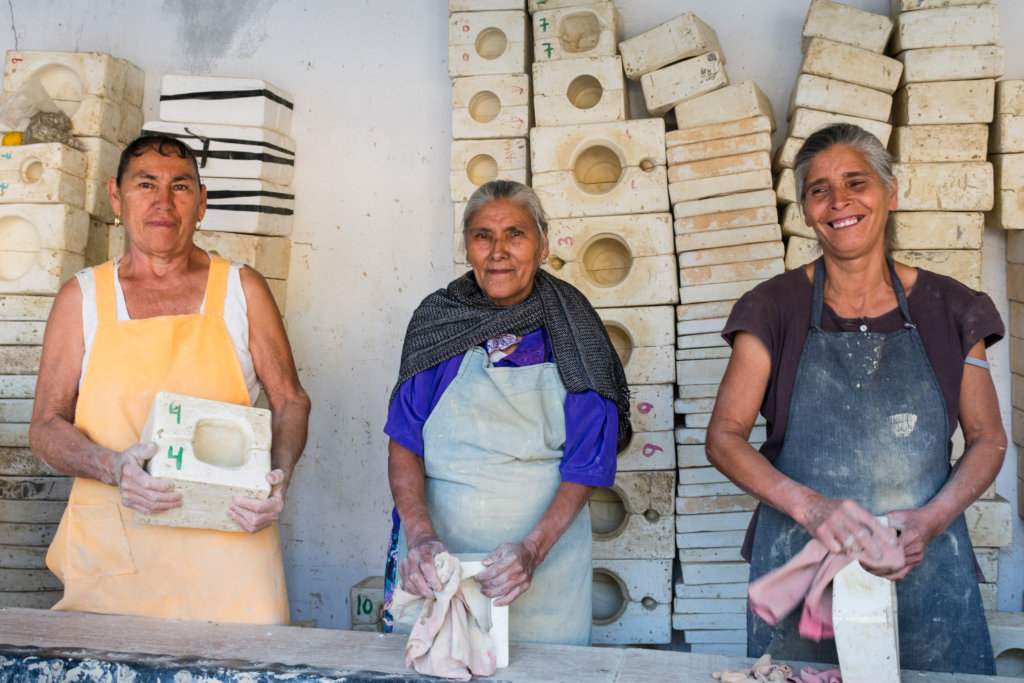
We made various visits to the artisan workshop, Las Mariposas, to evaluate the running of the workshop. The clay mill had its defects and it represents the main part of the production process, which begins with the collection of compact clay in the community of El Lindero. The chunks are crushed and water is added, which is then strained to allow for the elaboration of a pliable clay mixture that is placed in the molds to form different pieces that are sold by the women of the workshop. Therefore, a defect in the mill can cause the production to stop. The equipment was serviced in addition to the band wheel together with some surface parts were replaced. Furthermore, preventive maintenance of the electrical installation took place.
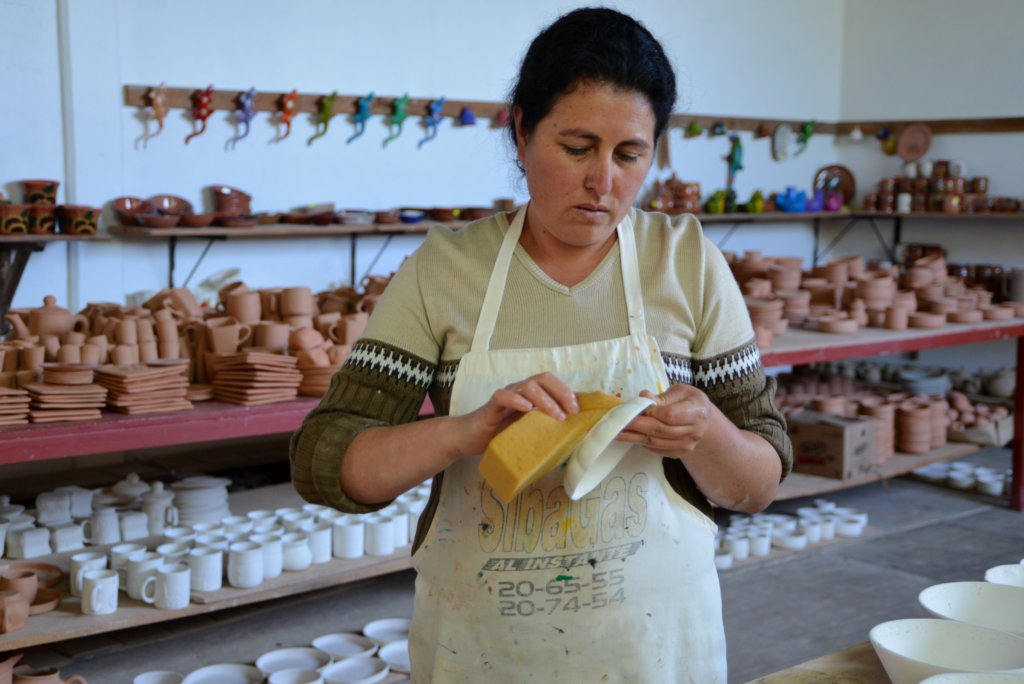
Seeking to improve the business opportunities for the workshop, we helped refurbish the area to serve as a showroom for the products on sale as well as a kitchenette to offer hot refreshments and light meals. Repairs also had to be made on doors of the new eatery, grill, sink, and a gas pipeline were installed in the kitchen area, and tiles were laid in the service bar.
As a result, the workshop has a showroom for their products and a space to attend the groups that visit them at the entrance the ceramics workshop.
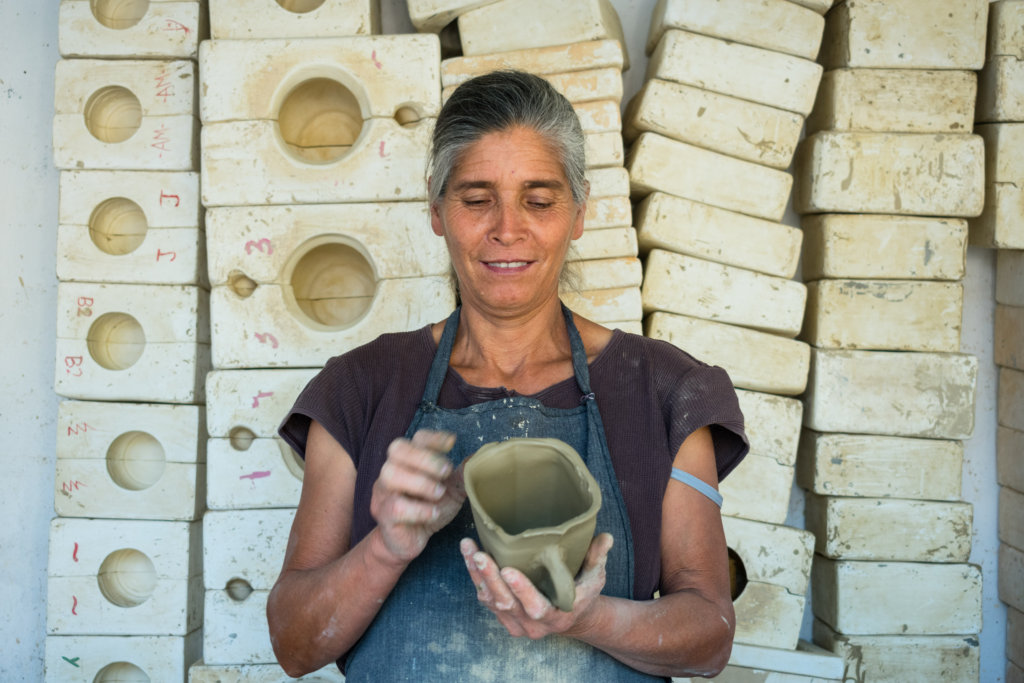
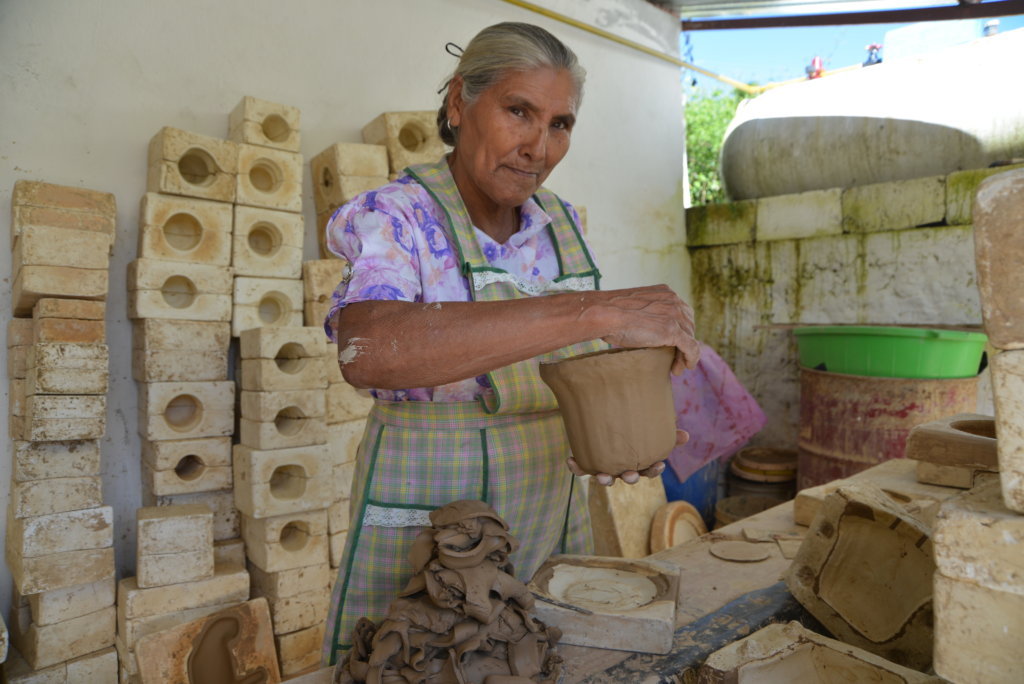
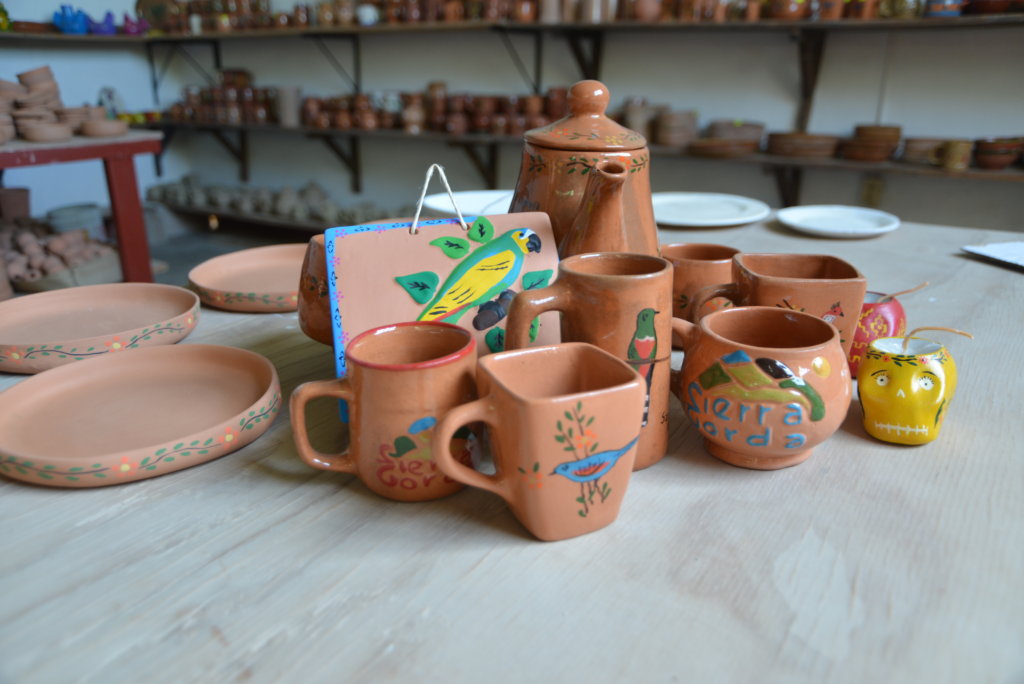
In addition to the usual activities of making molds and elaborating different products for domestic and ornamental use, important orders were delivered to various microenterprises in the region, including personalized coffee mugs to the Flavor Trail and tourist destination microenterprises known as Las Manzanitas, Comedor Sierra Bonita, and the Cave of Swallows.
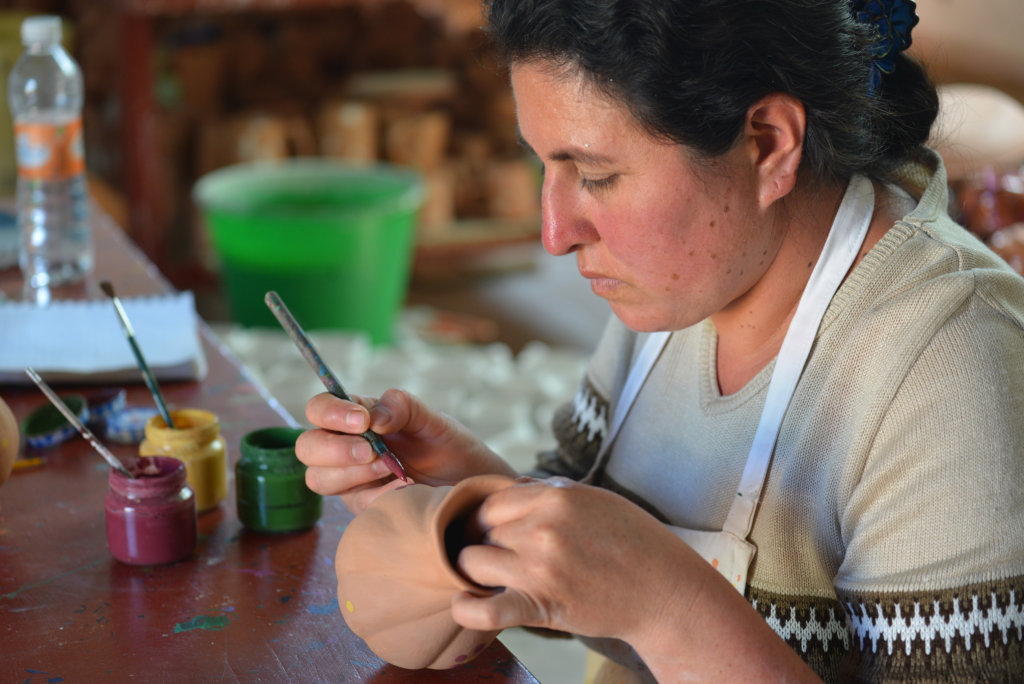
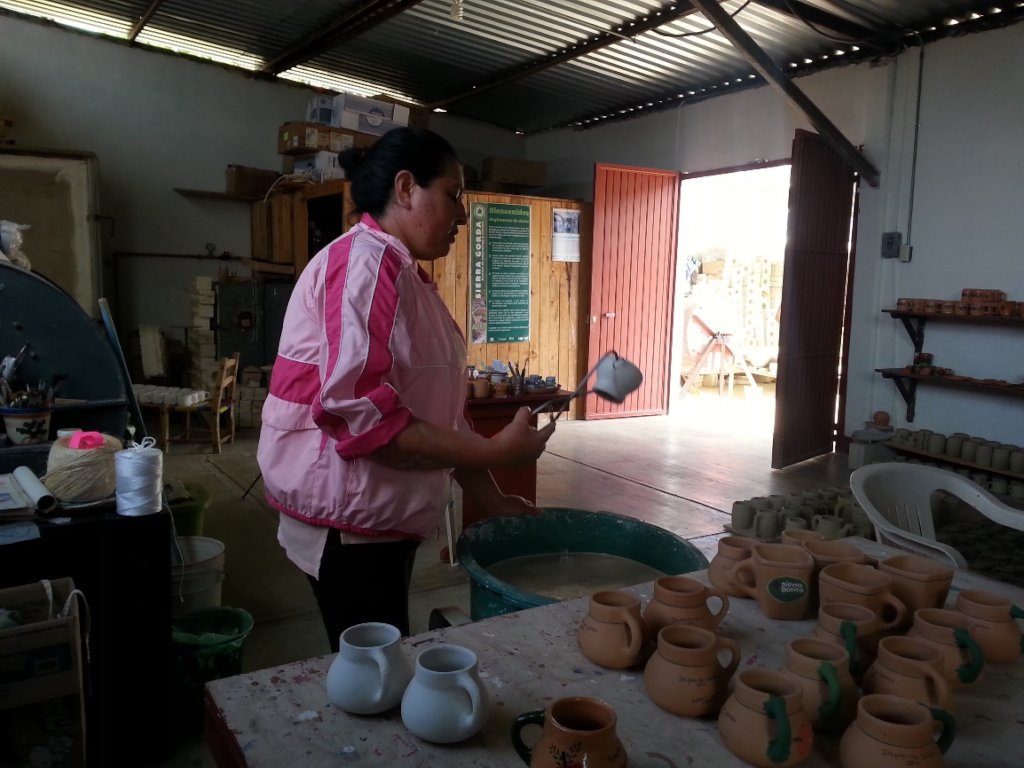
During the follow-up visits to the workshop, we had the opportunity to learn about the “glazing” process, which consists of covering the piece entirely with a liquid layer, a lead-free solution that is used on all the pieces that are intended to contain food. Although the liquid is white, it becomes transparent with a shiny or matte finish once the pieces go through a firing process.
Dominga, the current representative of the women’s artisan group, told us that the piece is taken with tongs and is placed in the solution for a very short time. If the piece remains in the solution for a long time, the final product would have defects such as air bubbles or marks and the products with defects cannot be sold.
It is a pleasure to work with artisans, to collaborate in improving local conditions and building opportunities for a better future for the partners in the workshop and the community at large.
Links:
Project reports on GlobalGiving are posted directly to globalgiving.org by Project Leaders as they are completed, generally every 3-4 months. To protect the integrity of these documents, GlobalGiving does not alter them; therefore you may find some language or formatting issues.
If you donate to this project or have donated to this project, you can receive an email when this project posts a report. You can also subscribe for reports without donating.