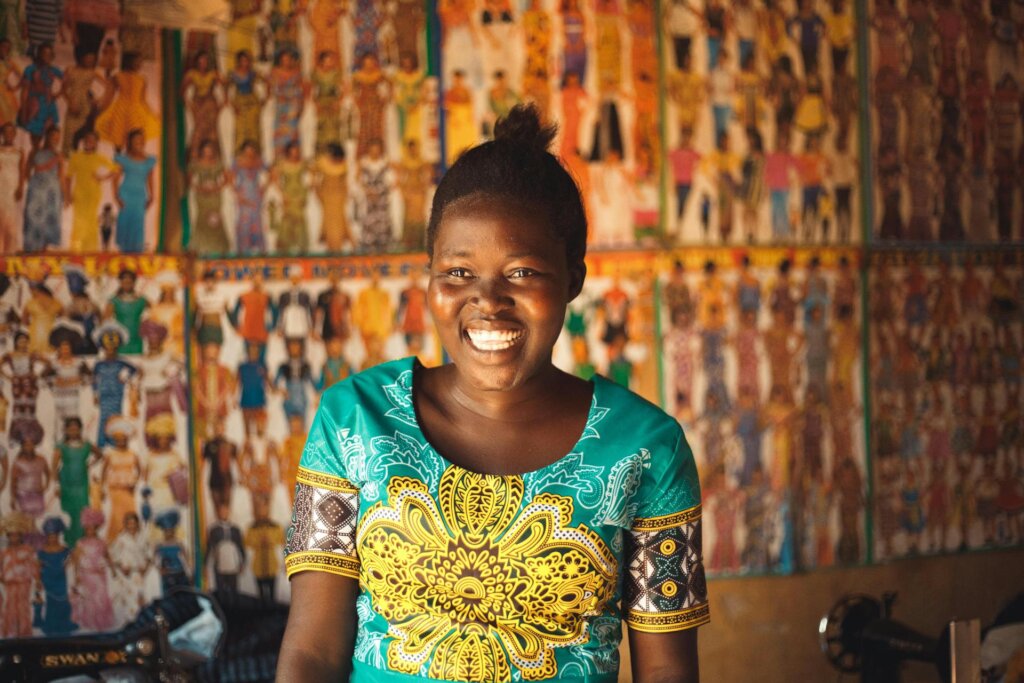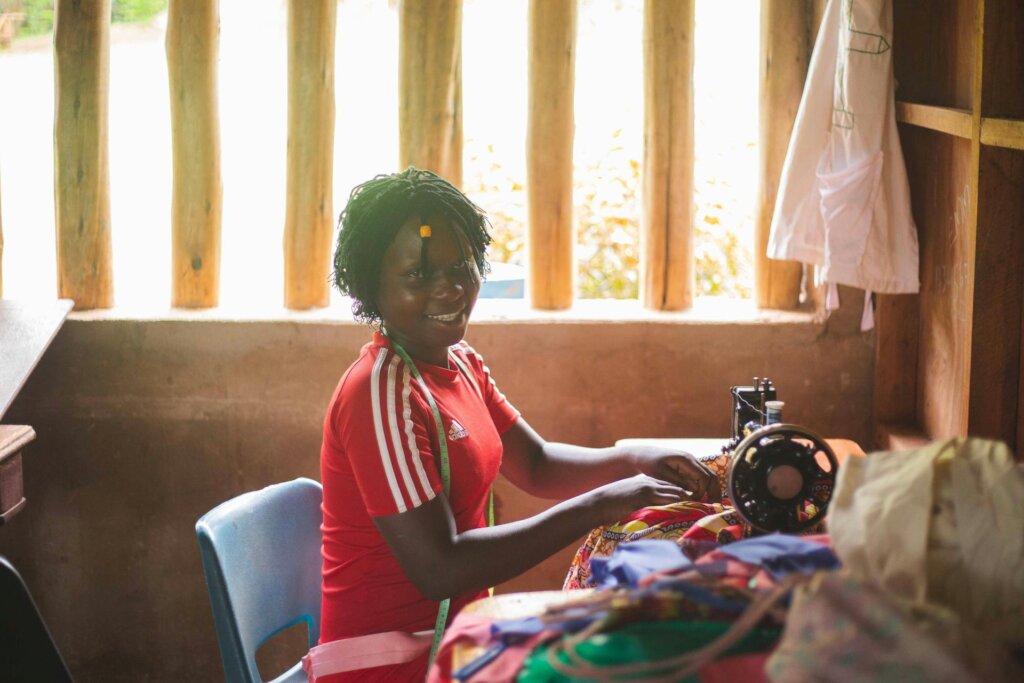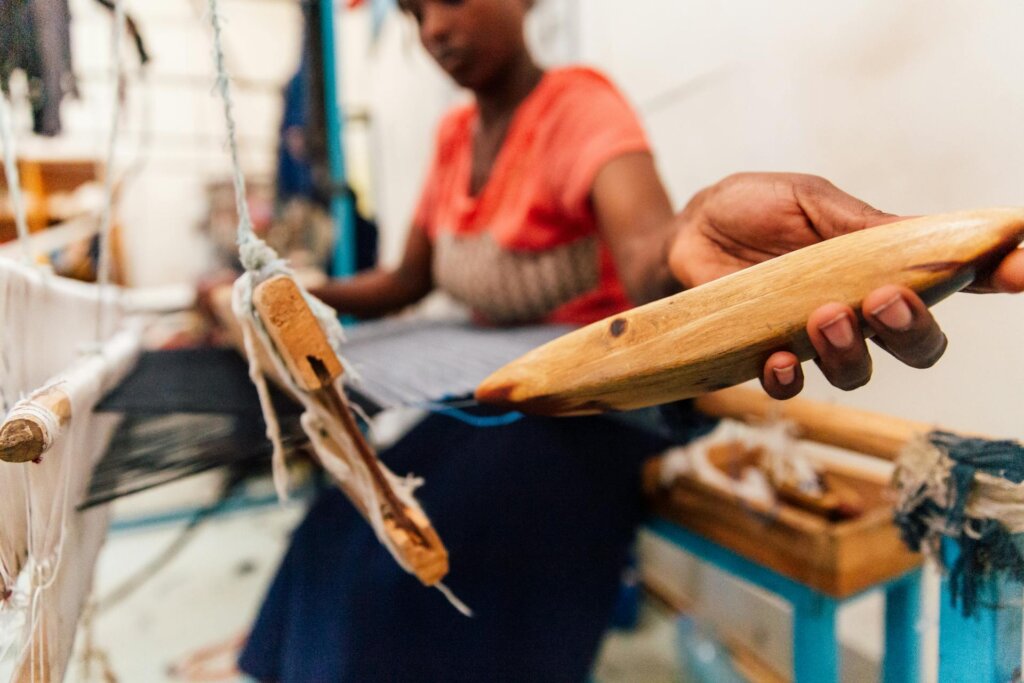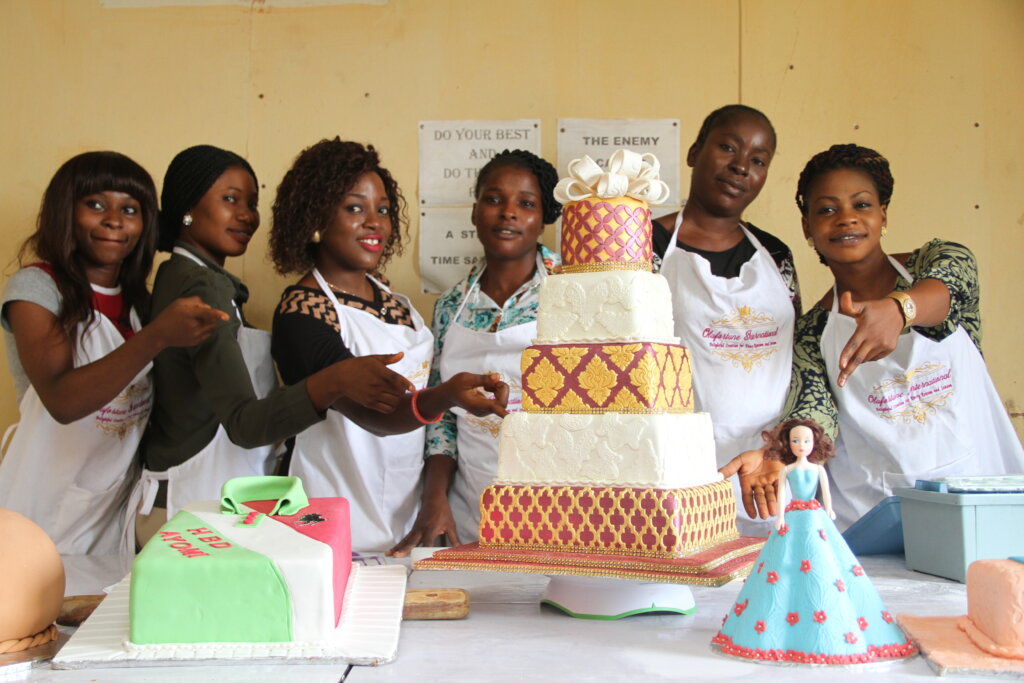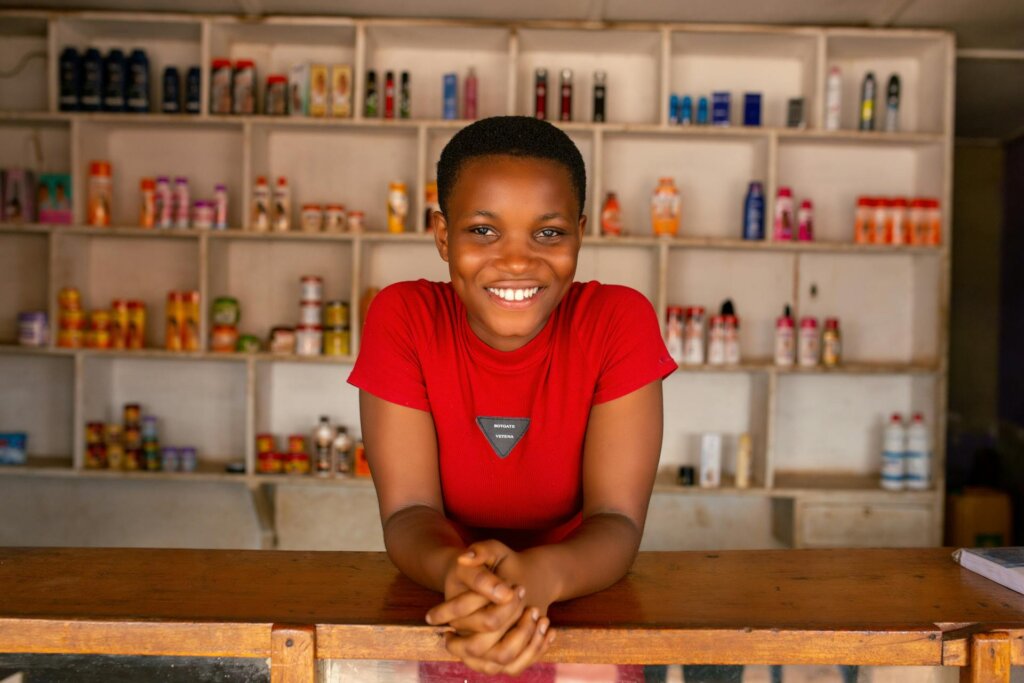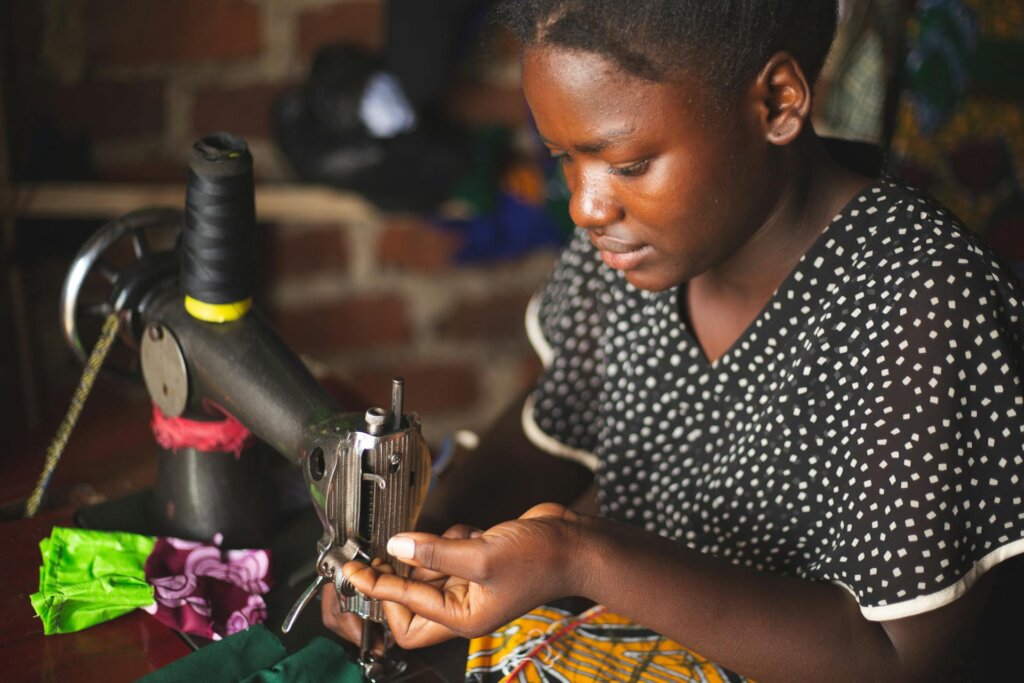
Across Abuja, Lagos, Imo, Port Harcourt, and Delta State, high teen pregnancies, unsafe abortions, and exploitative practices such as egg selling and "baby factories" are pushing many girls into dangerous situations. This project will train 3,000 girls in tailoring, sanitary pad production, soap making, toilet cleaner production, fashion design, baking, and catering, equipping them with skills and starter grants to run small businesses and replace unsafe income sources with dignified work.
Many Nigerian girls face limited job opportunities and turn to unsafe practices such as egg selling, "baby factories," or unskilled labor to survive. Research in Abuja, Lagos, Imo, Port Harcourt, and Delta State revealed that poverty, lack of marketable skills, and absence of start-up resources are key drivers. Without safe income alternatives, these girls remain vulnerable to exploitation, abuse, and health risks that shorten life expectancy and hinder personal growth.
The project will train 3,000 girls in income-generating skills in tailoring, sanitary pad making, soap production, toilet cleaner production, baking, catering, and fashion design. Each participant will also receive a start-up grant to begin their trade immediately after training. This practical support will replace unsafe income sources with sustainable work, reduce the number of girls entering harmful practices, and give them tools to earn a living safely and independently.
Graduates of this program will have the skills and resources to operate small businesses that provide steady income. This shift from unsafe to productive work can reduce exploitation, improve family stability, and inspire younger girls to choose safe livelihoods. Communities will benefit from the growth of local micro-enterprises, increasing access to locally made products such as clothing, food, and hygiene supplies while reducing the social and health harms caused by exploitative practices.



Support this important cause by creating a personalized fundraising page.
Start a Fundraiser