By David PINSON | Funding officer
Project Progress Report - Empowering Small-Scale
Farmers in Colombia
1. Context of the Intervention
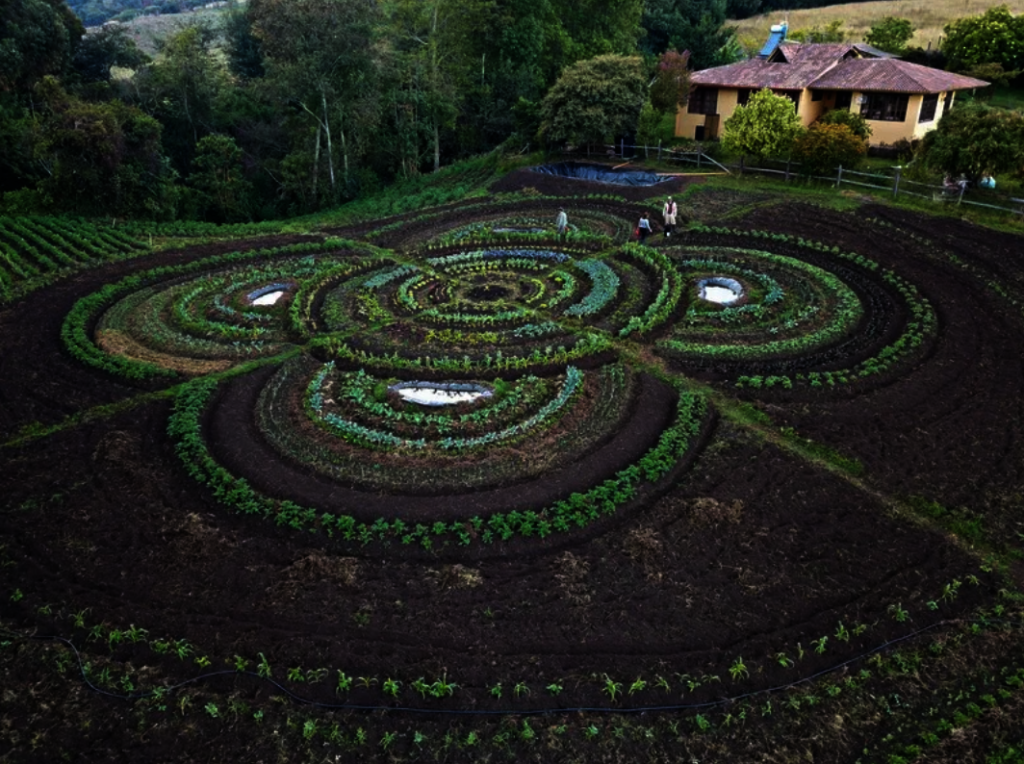
In the department of Boyacá, the campesino associations Tierra Digna and El Convite
Campesino have been developing agroecological transition processes focused on food
sovereignty, ecosystem care, agrotourism, and fair commercialization for several years.
However, one of the main limitations for consolidating these processes has been the lack of
infrastructure for local seedling production.
Currently, the associations depend on the purchase of external seedlings, mainly from Bogotá,
which implies higher costs, frequent travel, and dependence on suppliers that do not always
work under agroecological principles. This situation complicates planting planning and affects
the economic and organizational sustainability of the associations.
This problem fits within a broader rural context: according to the National Agricultural Census
(DANE, 2014), more than 60% of production units in Boyacá depend on external inputs, and
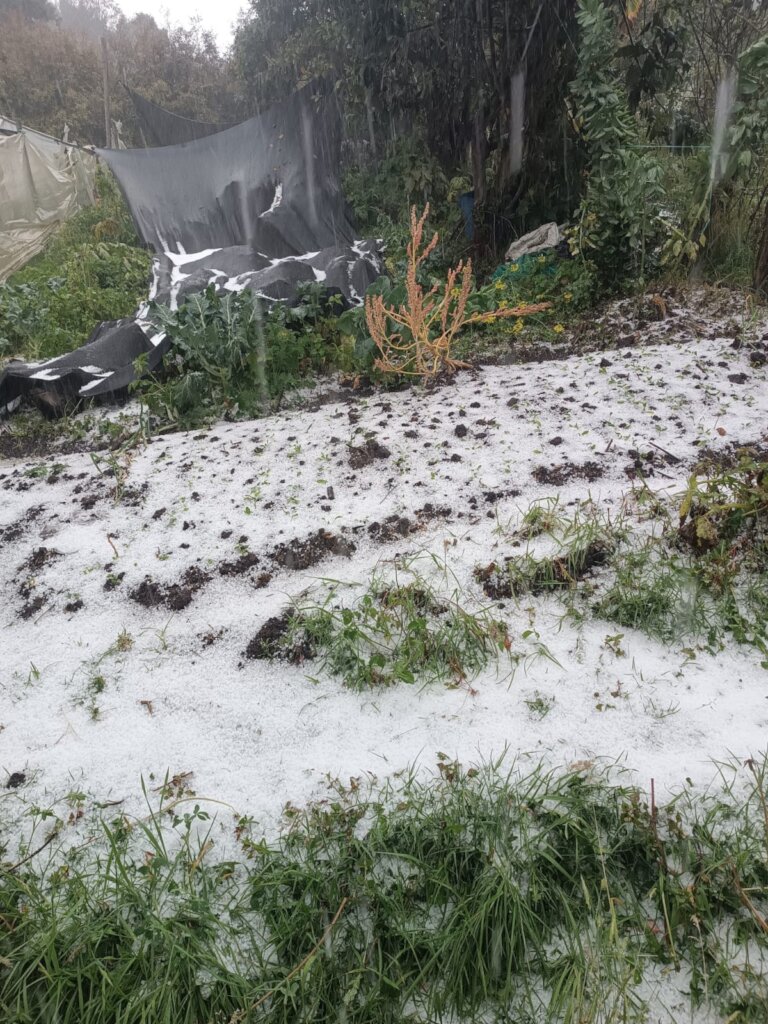
only 20% have covered infrastructure, limiting their productive autonomy and resilience to
climate variability.
For over four years, Proyectar Sin Fronteras Foundation (PSF) has supported these
organizations in technical training, participatory certification (SPG), and strengthening short
commercialization circuits. Based on this trust and joint work, this project was developed with
the goal of strengthening autonomous agroecological seedling production through the
installation of three greenhouses and training of those responsible for their management.
2. Impacted Beneficiaries
Direct beneficiaries:
•2 campesino associations: Tierra Digna and El Convite Campesino.
•71 farmers (52 women, 21 young women, 19 men, and 8 young men).
Indirect beneficiaries:
•Approximately 300 people, including family members of farmers and consumers, who
will benefit from strengthened agroecological processes, access to healthy food, and
revitalized local economies.
3. Progress and Activities Completed
Thanks to the support from donors and the collaborative work with the campesino associations,
the project has made the following progress:•Total materials purchased: All materials necessary for the construction and equipping
of the three greenhouses have been acquired.
•Greenhouse construction:
oTwo greenhouses have been fully constructed, with the participation of the
beneficiary communities.
oThe third greenhouse is in the final stages of construction and is expected to be
completed and operational by January.
•Participatory process: The technical validation of the diagnosis, design, and
construction has been carried out in a participatory manner, strengthening the
community's ownership of the infrastructure.
In the coming weeks, work will continue on completing the third greenhouse and implementing
technical training workshops.
4. Sustainability of the Project
The project's sustainability is supported by already consolidated organizational and productive
processes. The greenhouses will be directly managed by the campesino associations and will
serve existing production systems.
The training will ensure that the responsible farmers acquire the technical knowledge needed
to manage the agroecological greenhouses.
PSF will continue to support the organizations beyond the project duration, guaranteeing
follow-up, ownership, and continuity of the process.
Project reports on GlobalGiving are posted directly to globalgiving.org by Project Leaders as they are completed, generally every 3-4 months. To protect the integrity of these documents, GlobalGiving does not alter them; therefore you may find some language or formatting issues.
If you donate to this project or have donated to this project, you can receive an email when this project posts a report. You can also subscribe for reports without donating.



Support this important cause by creating a personalized fundraising page.
Start a Fundraiser