By Yuxin Xie | Project Leader
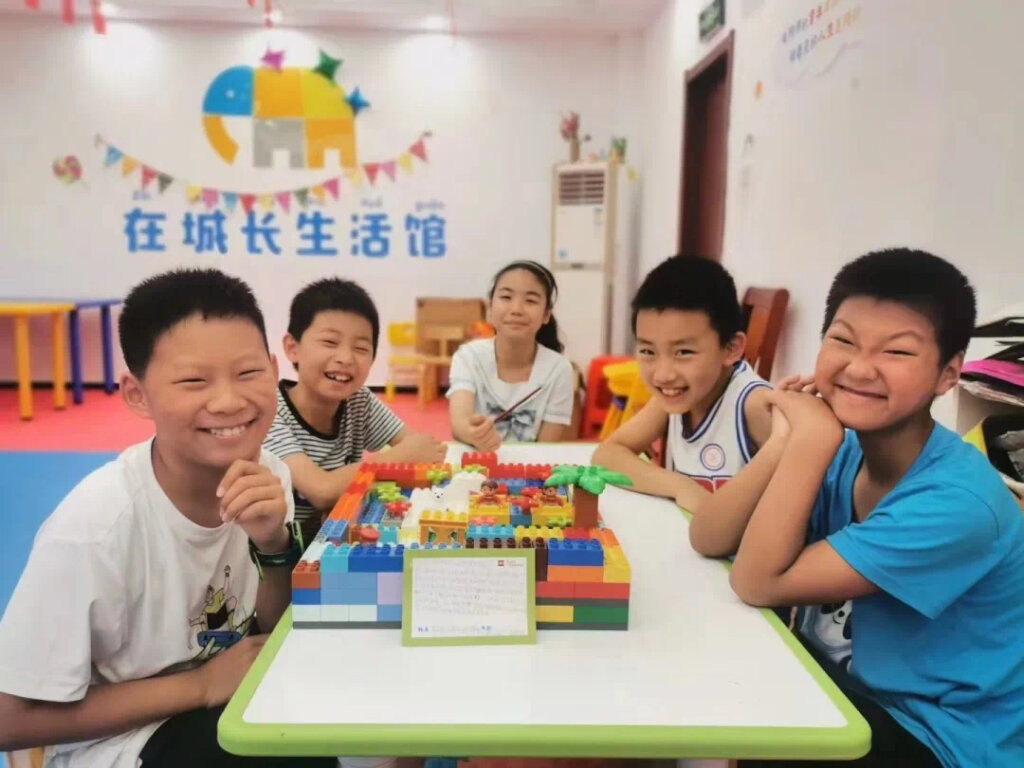
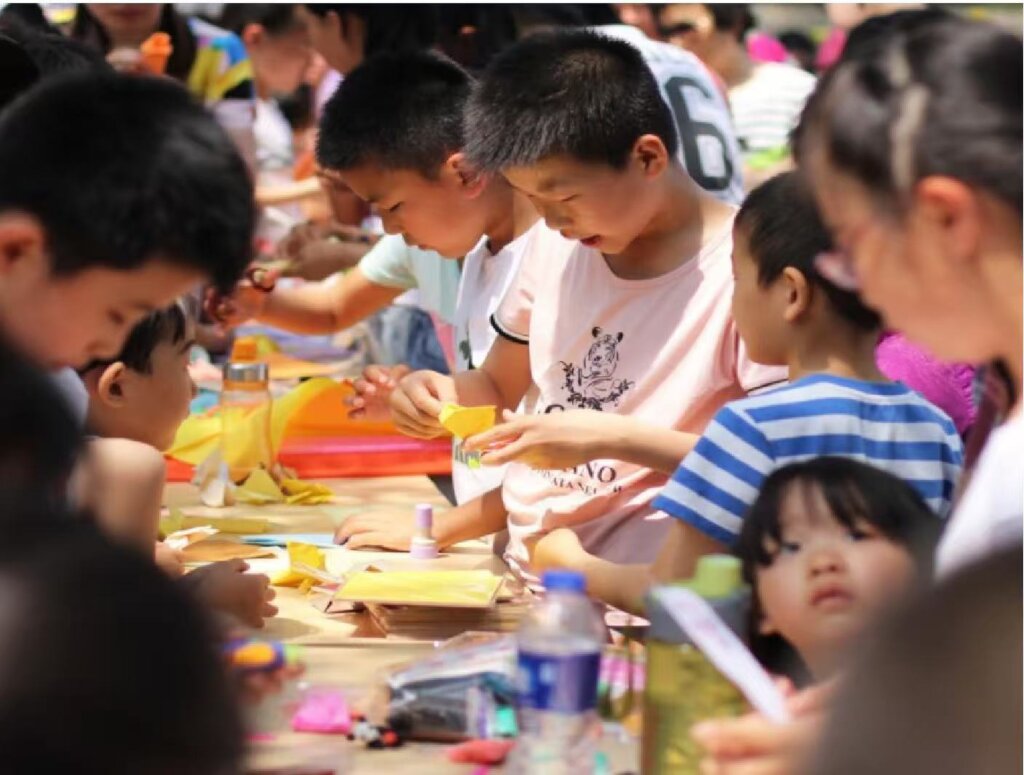
Over the past quarter, Evergreen Center for Sustainable Development has continued to advance our GlobalGiving project, Empowering 10,000 Migrant Children in China. With children on summer vacation, our “Growing Up in the City” Children’s Homes made summer childcare the focus of the season, delivering public-welfare childcare programs, holiday-themed activities and inclusive community services across our sites. Staying true to our core approach of Social and Emotional Learning (SEL), we continued to give children — including those often labeled as “difficult” and children with special needs — a safe space to play, grow and be seen.
This quarter, we would like to share two stories from our Children’s Home in Chongzhou, Sichuan Province, that show what this work looks like on the ground.
At our Children’s Home at 66 Zhushi Street, Chongzhou City, our summer childcare program gives children large blocks of unstructured play time — and one scorching August afternoon showed just how much children can grow when they are given space, simple materials and trust. After lunch, a group of boys — several of them well known at the home as restless, quick-tempered children — noticed the large foam mats drying on the outdoor stage (soaked during the previous day’s water fight) and asked if they could play with them. With only a few simple ground rules from teachers, they spent nearly three hours in 38-degree heat building “villas” out of the mats, in three groups across the stage.
What grew out of the play went far beyond construction skills. One boy, normally fiercely protective of his game cards — the kind of child who guards every card “in and never out” — cheerfully promised two cards as “payment” to a friend who helped hold up his collapsing wall, because he genuinely needed the help. Another boy, whose house collapsed over and over again, rebuilt it each time without a trace of anger, welcomed other children in to play, and even became friendly “neighbors” with a boy he had long been in conflict with — simply because their houses needed to lean on each other’s mat walls. When their finished houses were later knocked down by a second group of younger children, the builders let it go calmly and handed the game over — a striking contrast with their usual response to having their belongings damaged. And in the afternoon picture book session, when his friend grabbed a book from a girl who was reading it, one of the boys listened to his teacher’s gentle explanation, did not argue back as he usually would, and was warmly praised for learning to respect others and ask before borrowing.
Watching all of this unfold, our teachers drew a conclusion that shapes how we design all our programs: children do not need elaborate, carefully designed materials — they need enough of them, and a space of their own. With adults nearby offering only fair and minimal guidance, cooperation, communication, acceptance of mistakes and even friendship repair grew naturally out of free play. The labels these children usually carry — troublemakers, fighters, kids nobody wants to play with — proved, in three hours of autonomous play, to be far from the whole story.
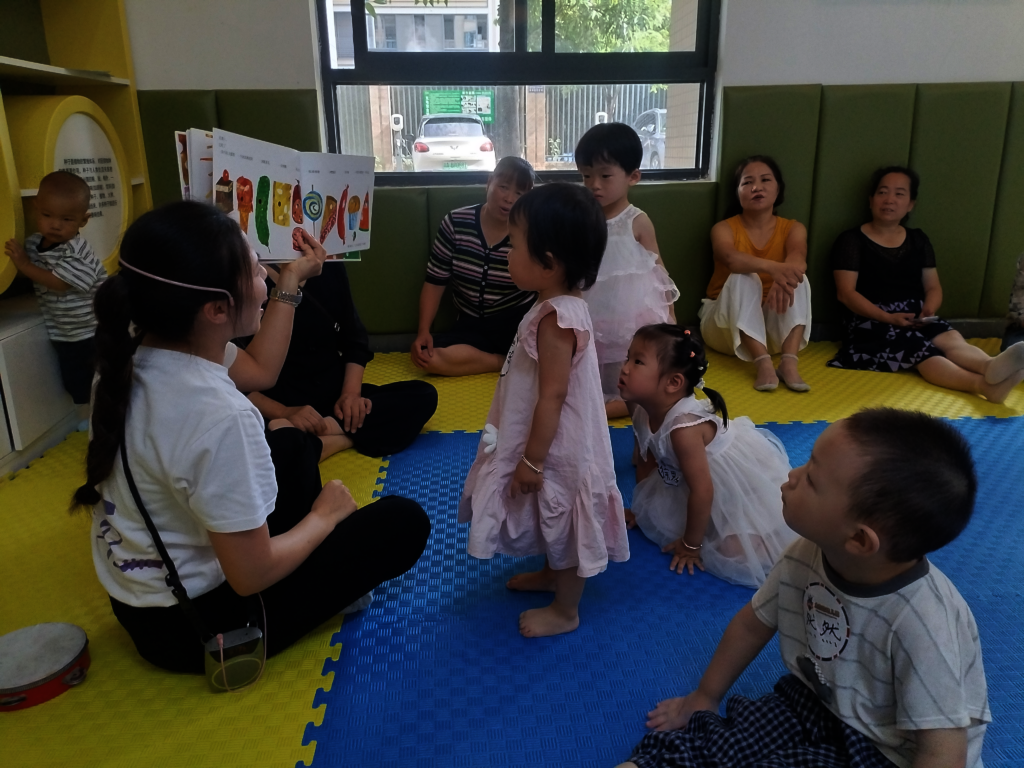
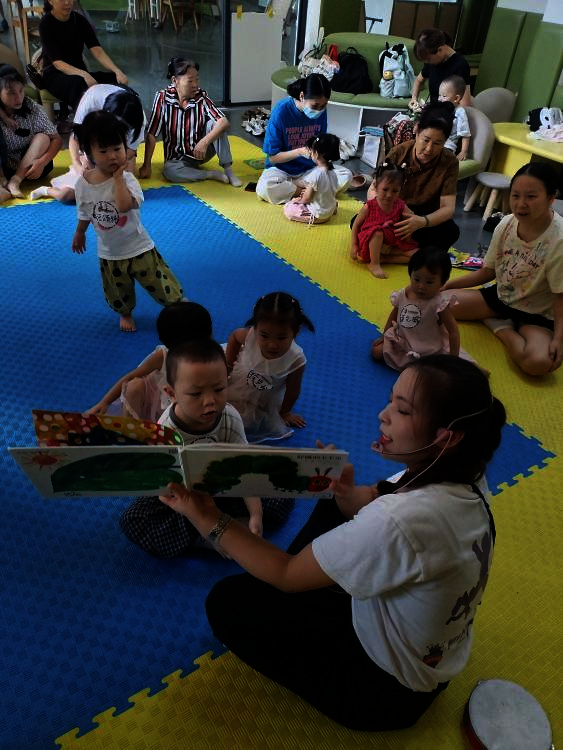
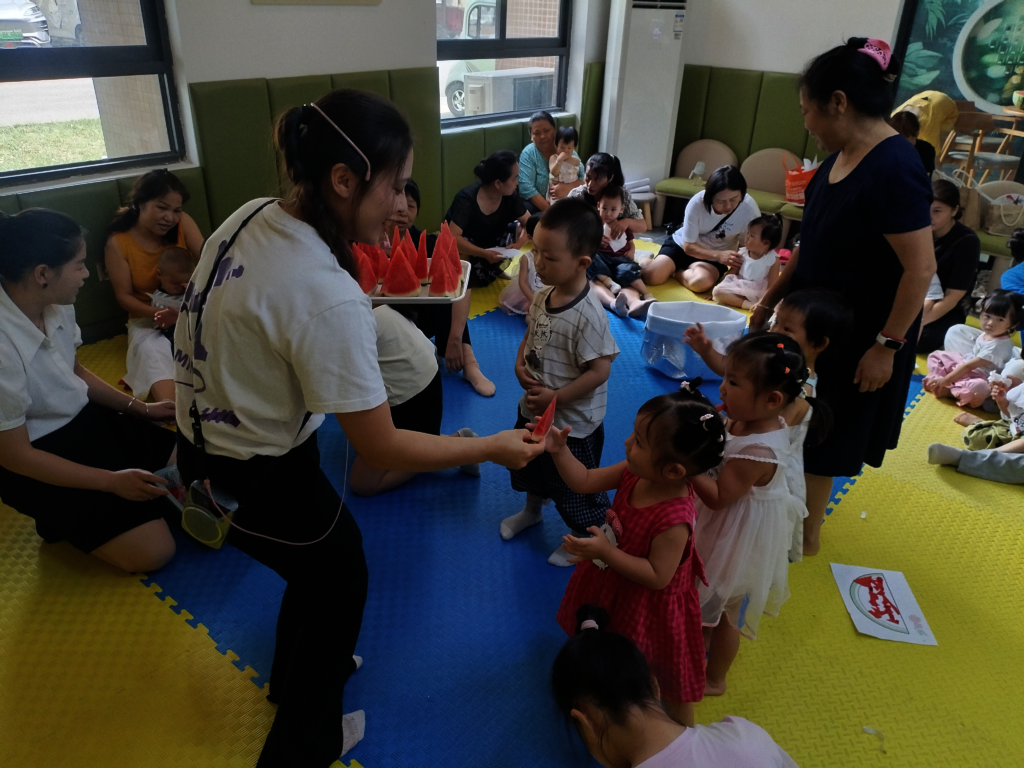
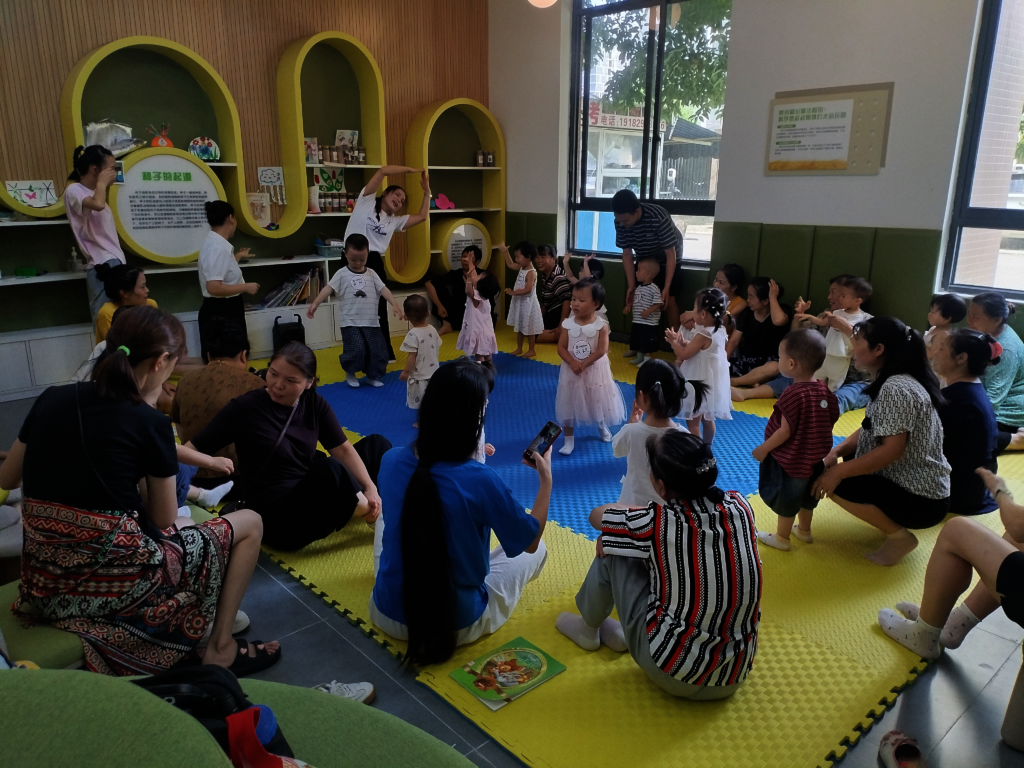
This quarter we also witnessed a quiet but remarkable transformation in an inclusive case we have supported for over three years. Tongyao, a 13-year-old girl with cerebral palsy who attends a local special education school, has been receiving case-management support from our Chongzhou Children’s Home since 2024. This summer, at the 0–3 early education sessions we hold weekly in her own community, she made a genuine breakthrough. She began helping us tidy up toys and reminding the toddlers to do the same; she recognized colors on the rainbow parachute and guided the little ones to stand in the right spots; she helped stick name labels on the babies’ chests. When we invited her to serve as a “volunteer big sister,” she took the role with obvious pride — repeating the teacher’s instructions to the toddlers, gently reminding them of the rules, and even asking for help out loud when a handicraft was too difficult, something she had never done so naturally before.
The changes did not stop there. She now stays much longer after activities, chatting happily with us; she speaks more than before, in clearer and more natural sentences; and her family, who once accompanied her to every session, now confidently let her come on her own. In a space with no grades, no judgment and no comparison, she found something she had rarely experienced elsewhere: her own value, confidence and sense of belonging among younger children who look up to her. For a special-needs child, this is a small but very real transformation — and exactly the kind of growth our community-based inclusive services are designed to make possible.
All the growth and progress this quarter has been supported by our stable collaborative operating model of “government support + professional social work + volunteer empowerment.” We remain committed to our child-centered service approach, listening to children’s real needs through daily interactions, and continuously optimizing our service content. Meanwhile, we have built a growth platform for volunteers through professional training, engaging dozens of professional and corporate volunteers in the full service process throughout the quarter, providing solid support for the long-term sustainable operation of the project.
None of this would have been possible without the trust, support and partnership of every donor. Every donation you make is more than just financial support — it lights the way for children in rural and urban communities. It fills the companionship gap in their lives, plants seeds of kindness, bravery and confidence in their hearts, develops their social-emotional skills and resilience, and lays a warm foundation for their life journey.
Going forward, we will continue to stay true to our mission, deepen our community-based child services, honor the trust and commitment of every donor, and walk alongside you to protect every child’s heart and illuminate every path of growth.
By Yuxin Xie | Project Leader
By Yuxin Xie | Project Leader
Project reports on GlobalGiving are posted directly to globalgiving.org by Project Leaders as they are completed, generally every 3-4 months. To protect the integrity of these documents, GlobalGiving does not alter them; therefore you may find some language or formatting issues.
If you donate to this project or have donated to this project, you can receive an email when this project posts a report. You can also subscribe for reports without donating.


Support this important cause by creating a personalized fundraising page.
Start a Fundraiser