By YuXin Tie | Project Leader
Against the backdrop of China's rapid urbanization, migrant and left-behind children face deep-seated challenges beyond material needs: the developmental gap in social and emotional competencies. Traditional school and family support systems alone often struggle to address this complex issue, making community-based support more critical than ever.
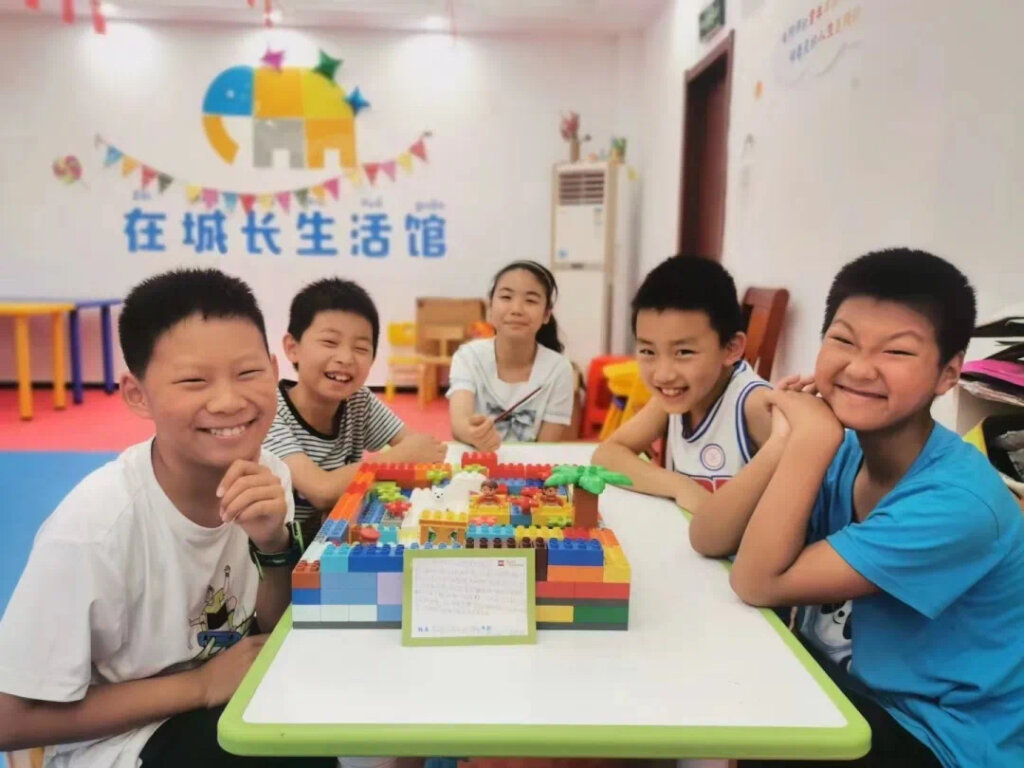
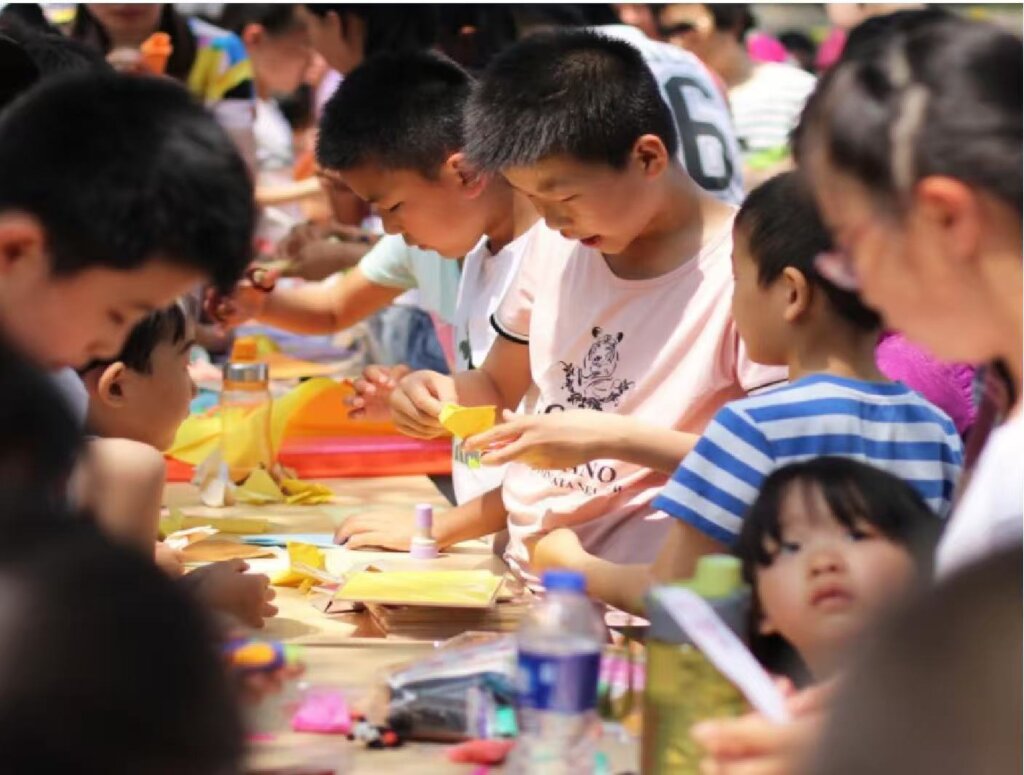
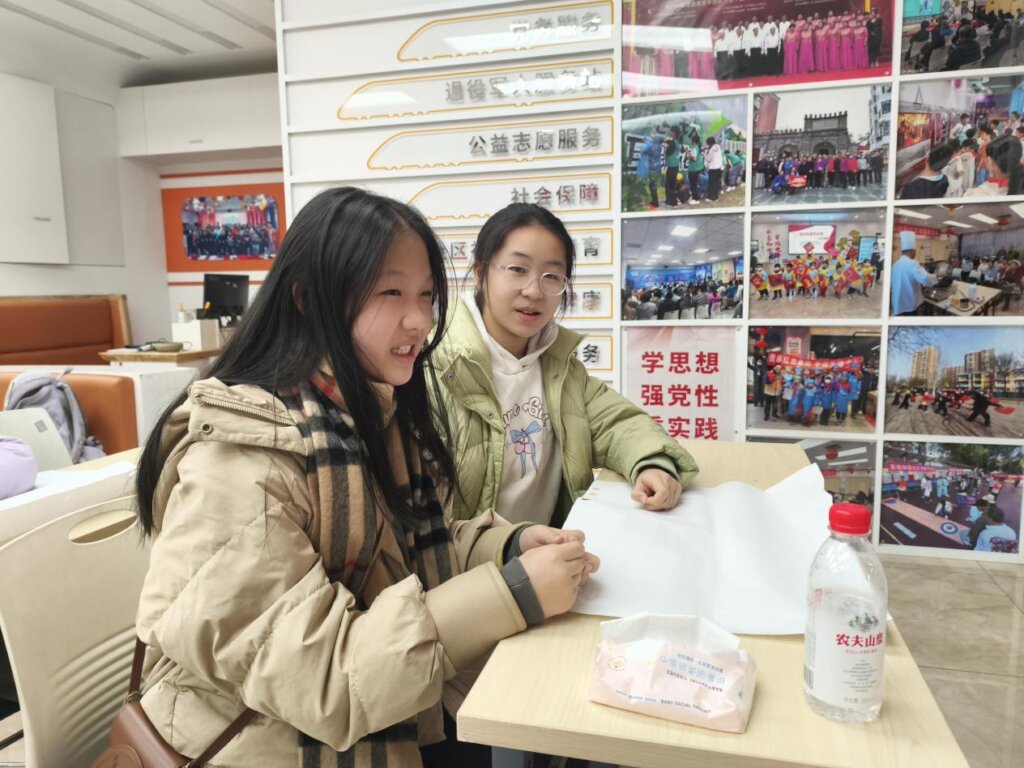
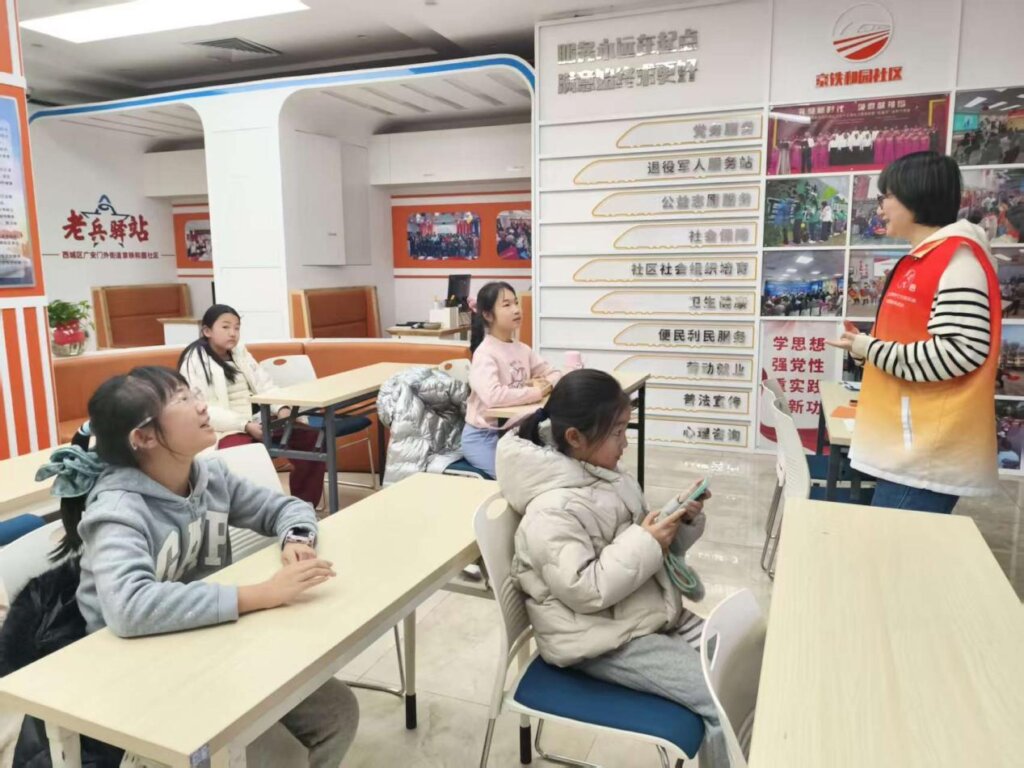
Created by Evergreen's "Growing Up in the City" Children's Homes in partnership with professional experts, the "Growing Up in the City" Children's SEL Social & Emotional Development Camp is deeply tailored to community settings and children's real needs. The camp was held simultaneously during the 2026 winter vacation at Jingtie Heyuan Community in Beijing, Yuping Children's Home in Tongren, Guizhou, and Wuqing Children's Home in Tianjin. Every session sparked heartfelt connections, witnessing children's journey from unfamiliarity to closeness, and from resistance to full engagement.
In our post-camp review, we conducted an in-depth interview with Ms. Huo Jinyan, the lead instructor at Beijing's Jingtie Heyuan Community site and the core developer of our children's social and emotional learning curriculum. What began as a general program recap evolved into a detailed, insightful reflection on the profound importance of this work, shared through Ms. Huo's firsthand observations and heartfelt stories from the camp.
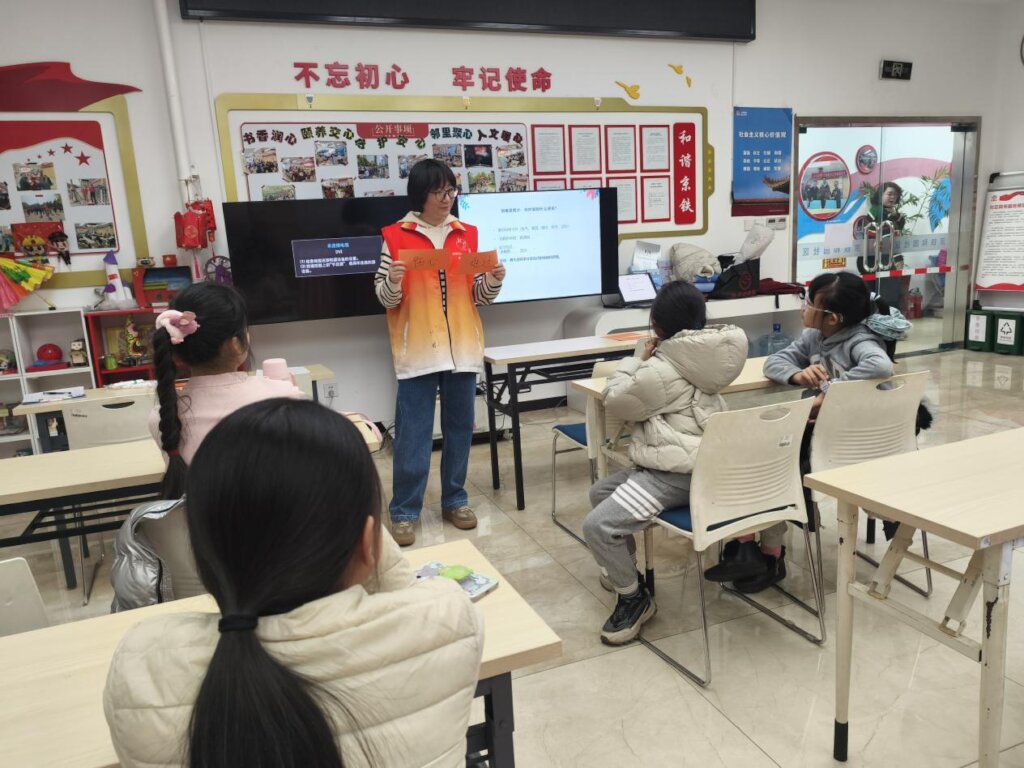
At the Children's Home in Jingtie Community, Beijing, we delivered a 6-session curriculum centered on the following themes: Meeting New Friends, Emotion Awareness, Time Management, Kind Communication & Interaction, Conflict and Reconciliation, and Collective Growth. The six sessions reached 38 valid child participations, with full feedback collected from all 38 participants, who were aged 7 to 10 years old.
Our pre- and post-session questionnaires revealed a striking shift in the "Mood Energy Bar" ratings. Before each session, most children reported low scores for happiness and calmness, and consistently high scores for sadness and anger. After just one session, all three metrics shifted in a positive direction: happiness and calmness scores rose significantly (many children's happiness ratings jumped from the lowest to the maximum level), while sadness and anger scores dropped markedly, with some children reporting complete relief from upset or frustrated feelings.
This positive transformation reinforced two core truths: our classroom provides a safe, secure space for children to freely express their emotions, and our curriculum delivers effective, positive emotional guidance for every participant.
Session 1: Meeting New Friends—From Resistance to Belonging
In this opening session, we found that 80% of participating children were primarily raised by their grandparents, while only 20% lived with their parents (single mother or both parents). 20% of the children had limited knowledge of their parents, such as their specific job responsibilities or whether their parents had attended university.
Children growing up in this grandparent-led care environment, with limited daily communication with parents, often appeared reserved in the unfamiliar setting. Some even showed resistance due to warnings from their caregivers. Ms. Huo met every child with full understanding and space to feel safe.
One child, Wanwan, a younger, introverted girl, spent most of the session observing from the sidelines, unwilling to join the activities. Instead of pushing her to participate, the teacher gave her the security to observe the environment at her own pace. As expected, Wanwan spontaneously joined the activities in the second half of the session.
The teacher also noticed Wanwan's deep desire to be recognized by her peers and teachers. In every interaction, she invited the group to give Wanwan affirmation and encouragement. This simple, intentional act helped the quiet girl gradually open up and integrate into the group. Seeing Wanwan's relaxed, bright smile by the end of the session reinforced for Ms. Huo the critical importance of this SEL curriculum in supporting the social and emotional development of children in community settings.
Session 2: Emotion Awareness—Discovering the "Two Sides" of Feelings
Before the session, Ms. Huo designed a short survey about children's feelings about joining the camp. She noticed a striking pattern: many children reported feeling both "angry" and "happy" at the same time. Through group discussion, the children identified the source of this contradiction: the frustration of being "forced by parents to join the camp," paired with the excitement of getting to come out and join activities with peers.
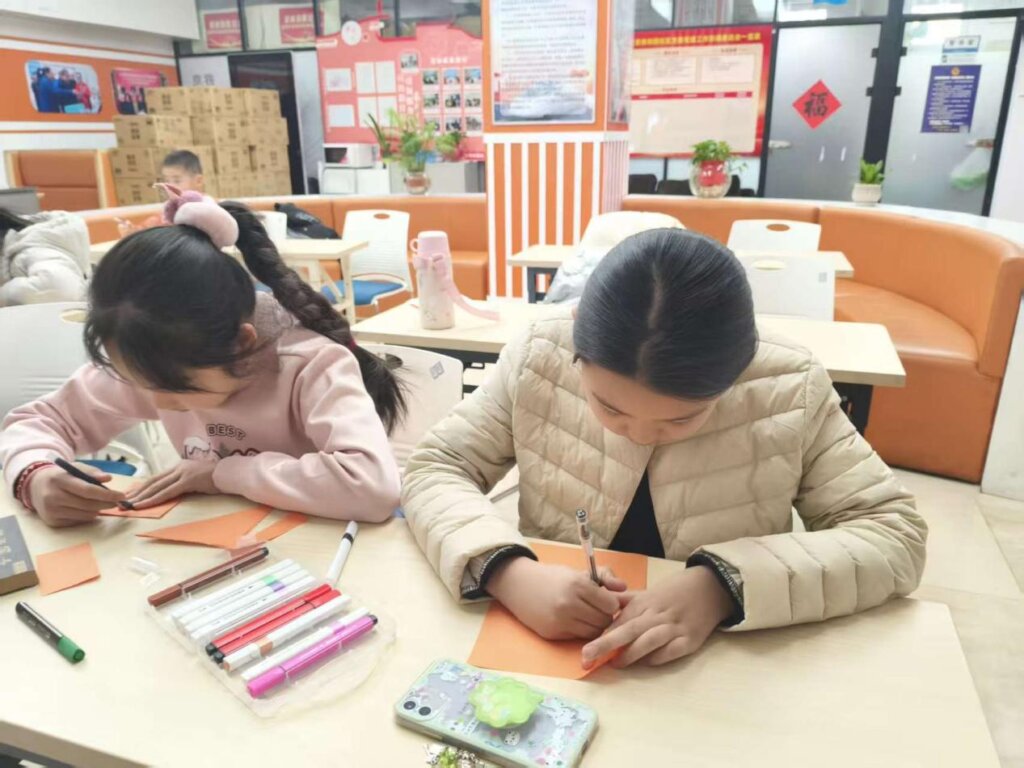
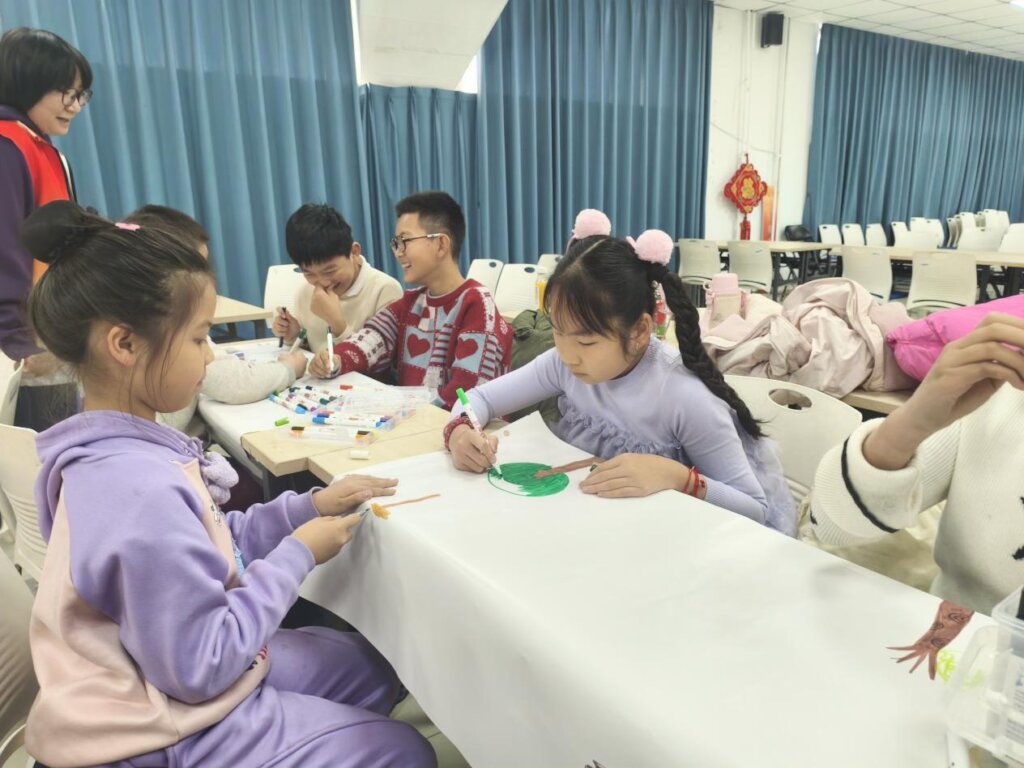
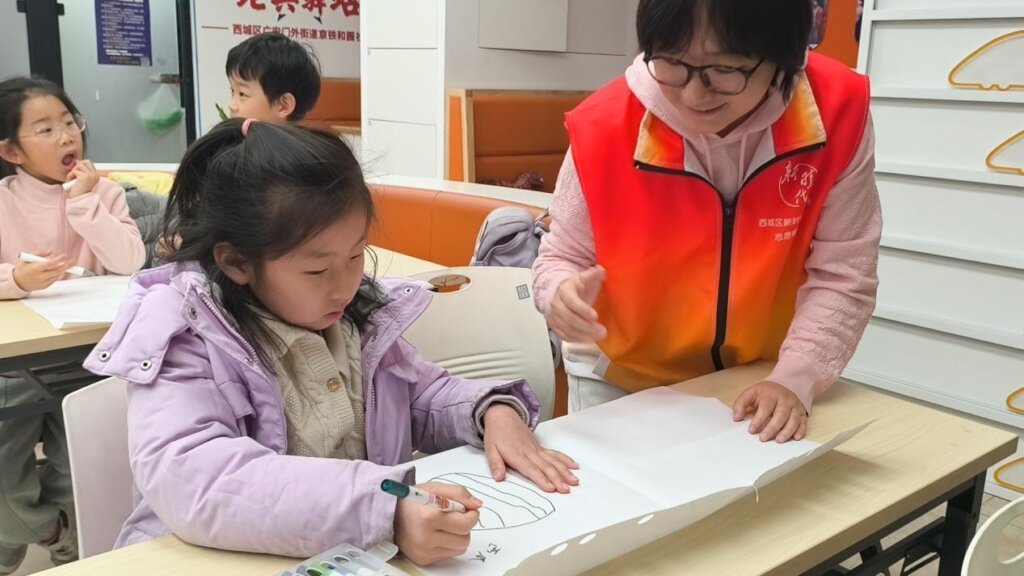
Ms. Huo leaned into this shared experience, guiding the children to identify the subtle differences between their emotions, and encouraging them to express their inner feelings through "Emotion Painting." When the children finished their artwork, they found that the heavy, uncomfortable feelings they held seemed to have been "painted away."
In follow-up check-ins with parents, we learned that many children continued to use the Emotion Painting technique to process their upset feelings long after the session ended. One child, Lele, even used an Emotion Painting to communicate her feelings and inner state to her mother.
When sharing this story, Lele's mother became emotional, saying she had never known how much repressed negative emotion her child was hiding behind a calm exterior. She shared that without this curriculum and the tools Lele learned, she had no idea what the long-term impact of those unexpressed feelings might have been. This story reinforced for us the critical need for rooted, community-based SEL programs: we are not here to fix problems after they arise, but to provide proactive, science-backed support to nurture children's healthy emotional development every step of the way.
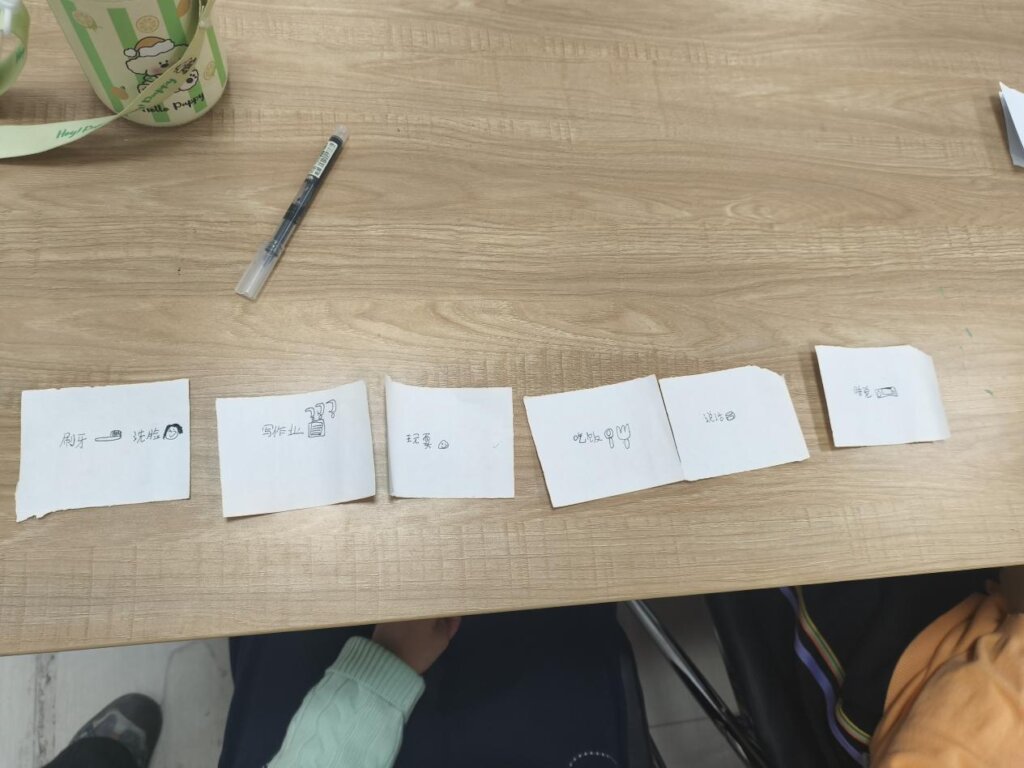
Session 3: Time Management—The Hidden Reason Behind Procrastination
This was a unique theme: it was the most requested session by parents, but the one children felt the least interested in at the start. Through the session, our teachers discovered that children actually understood perfectly how to prioritize "important things" over "things they want to do." So why do they still procrastinate?
Through group discussion, the children revealed the core issue: excessive nagging from parents made them lose their sense of control over their own time. The teacher taught children simple skills to communicate with their parents, and encouraged them to try managing their time independently.
This session reinforced a core value of our SEL curriculum: even when we cannot directly engage with parents and family systems, we can equip children with positive, actionable tools and communication skills to navigate the daily challenges of growing up.
Session 4: Kind Communication & Interaction—When Differences Meet Understanding
This session saw the highest level of child engagement. Throughout the session, children spoke up actively, sharing countless experiences that they longed for empathy and understanding around. Every time we shared a scenario, the children immediately connected it to real events in their own lives or among their peers. Most of their stories centered on feeling treated unfairly, and they were highly sensitive to issues of bullying and isolation.
In this session, children shared experiences of being isolated for being "different." They held passionate discussions: "Is this behavior okay?" "What can we do if this happens to us or someone else?" The teacher guided children to think about how to treat differences with kindness, and practiced kind communication skills through role-play activities.
The teacher's most important role in this session was to pose thoughtful questions, hold a safe and respectful space for children to share openly, and provide gentle, positive guidance throughout the conversation.
One child, Youyou, shared his deep distress: he has a mild speech impediment, and this "difference" led to prolonged isolation and unkind treatment from his peers. This experience made him increasingly insecure. When the teacher guided him to seek help from his parents, he shared that his parents dismissed his feelings, saying it was not a big deal and he should just ignore it. If unkind treatment from peers was the first layer of harm, the dismissal from his parents created a deeper, longer-lasting rift in his ability to trust close relationships.
Without the safe space provided by this community program, Youyou would have had almost no opportunity to express these hidden feelings, receive timely validation, and access positive support. The teacher shared that she would continue to follow up with Youyou, to support his healthy social and emotional development in the future.
Session 5: Conflict and Reconciliation—From Clash to Connection
Through picture book stories and scenario role-play, children shared their experiences of arguing with friends, and gave each other feedback on how they handled the conflict. In small groups, the children performed short skits about "fighting and making up." Through the role-play, children saw how they expressed themselves when upset, and reflected on positive ways to resolve conflict and communicate kindly when emotions run high.
The teacher led the group in practicing the foundational "I-Statement" formula: "I feel... because...". For example: "Mom, I feel happy because you understood my need and respected my choice."
After the session, parent feedback confirmed the lasting impact of this simple tool: many children began using the "I feel..." sentence pattern in daily conversations at home. This shift in how children expressed their needs helped parents understand their child's perspective more clearly, and dramatically improved the quality of communication between parents and children.
Session 6: Collective Growth – From Bystander to Participant
As our final session, we saw a wide range of engagement levels: some children threw themselves into the activities enthusiastically, while others remained distant and reserved. Through patient guidance, the teacher discovered the core feeling behind the "bystander" behavior: these children simply needed more time and security to feel safe joining in.
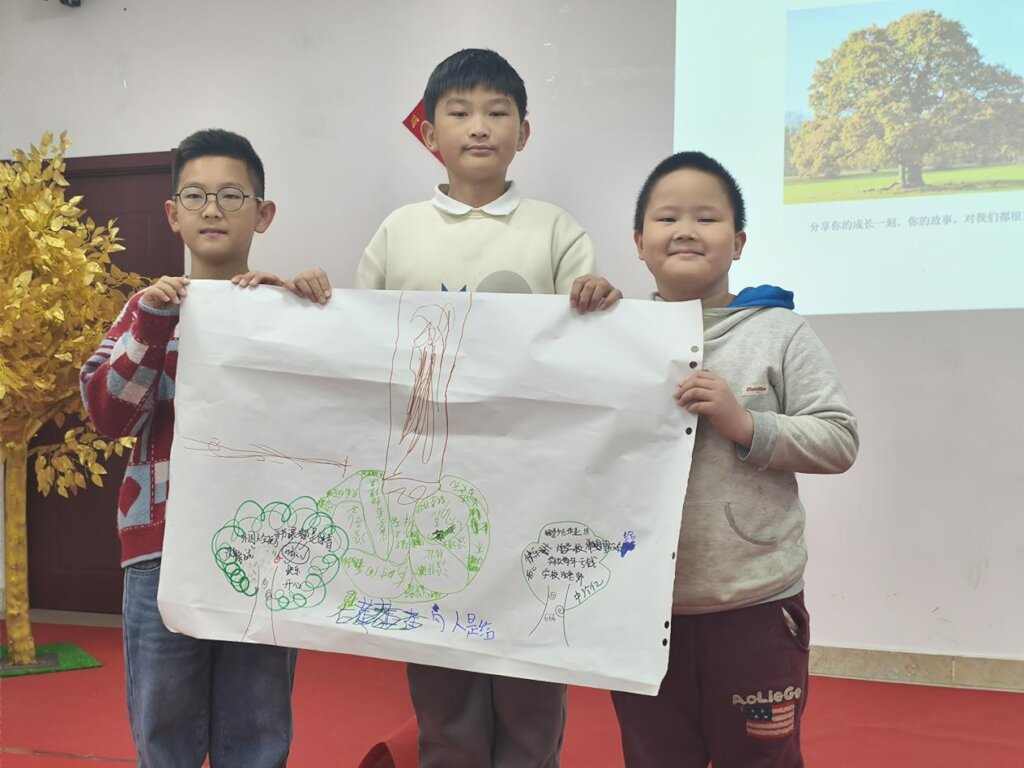
By the end of the session, every child worked together to create a collective "Growth Tree" mural, a powerful symbol that every child is an irreplaceable part of the group.
Observations from Tianjin Children's Home
After our interview with Ms. Huo, Ms. Wang Xuesong, a volunteer instructor at the Tianjin site, shared her observations of two children's remarkable transformations throughout the camp.
1. Yanyan: From Distraction to Full Engagement
Yanyan, a 4th-grade boy, appeared very detached at the start of the camp. He struggled to focus, always holding a toy or water bottle, and often made noises that disrupted the session.
Instead of criticizing him, the teachers used small group activities, a team reward system, consistent acceptance, gentle guidance, and ongoing positive reinforcement. Over the course of the camp, Yanyan's engagement grew dramatically. By the end, he was the first to raise his hand to answer questions, thought carefully and contributed thoughtfully to written activities, and even took the initiative to organize and motivate his team members to earn points. In the end, his team won first place in the points system, and Yanyan was the top contributor to his team's success.
2. Xiaolei: From Silent Withdrawal to Active Participation
Xiaolei joined the SEL camp for the second time, and his transformation was remarkable. He previously struggled with severe phone addiction, often staying up very late on his device and falling asleep during the day. The teachers were briefed on his situation before the camp, and paid close, caring attention to him throughout the program.
In the first two sessions, Xiaolei repeatedly asked when the session would end, could not sit still, wanted to go outside to play, and often became frustrated. Ms. Wang, Ms. Zhang, and the rest of the on-site team worked together to encourage him to join the activities with consistent, creative positive reinforcement.
During a role-play activity about shyness, Xiaolei initially refused to participate. But as the activity went on and his peers took turns performing, he shifted from watching on the sidelines, to curiosity, and finally to a strong desire to join in. He shared a vivid, engaging telling of the Little Red Riding Hood story, and the whole group applauded for him. He looked shy, but was clearly overjoyed by the recognition.
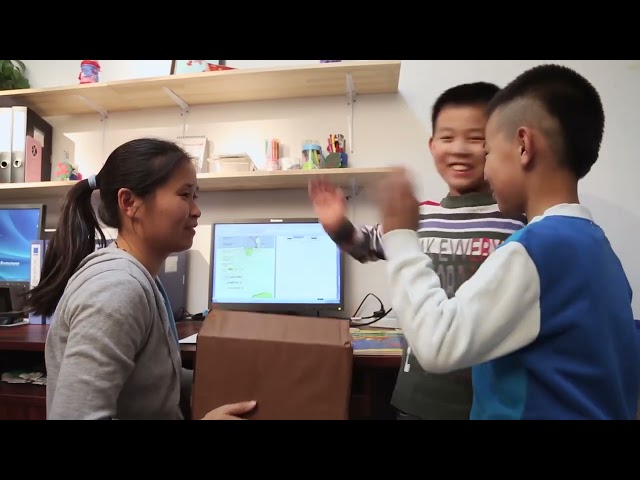
When the team points system with blind box rewards was introduced in later sessions, Xiaolei became extremely enthusiastic and engaged. The change from the first session was striking: he no longer held small items or made noises, but waited patiently for his turn, raised his hand actively to speak, and even volunteered to read picture book stories from the presentation slides. He even signed up to be a teacher's helper. His progress was visible to every member of the team.
While he still had moments of impatience and eagerness for the session to end in the later camp days, his overall engagement and participation far exceeded all expectations.
Children's Growth and Transformation
Through the stories shared by Ms. Huo and Ms. Wang, we witnessed the remarkable, heartening changes in every child:
After the camp, many parents shared their children's progress:
These transformations are not just wins for the children—they are a testament to the profound value of our children's SEL curriculum. With our core value of "Upholding integrity, nurturing wisdom, and growing alongside children", we use a multi-faceted teaching model that combines community-based scenario creation, picture book-guided learning, experiential activities, and reflective sharing. Through hands-on, participatory learning in the safe, warm space of our "Growing Up in the City" Children's Homes, we help children internalize lifelong skills, and nurture their inner strength and social-emotional intelligence.
We hope this camp has become a guiding light on each child's growth journey. Going forward, we will continue to deliver more high-quality programs, rooted in the warm community space of our "Growing Up in the City" Children's Homes. With professional expertise and consistent, caring companionship, we will nurture children's social and emotional competencies in the soil of the community, paving the way for a growth journey built on resilience, confidence, and happiness. We will walk alongside every child, helping them thrive in love and understanding.
Project reports on GlobalGiving are posted directly to globalgiving.org by Project Leaders as they are completed, generally every 3-4 months. To protect the integrity of these documents, GlobalGiving does not alter them; therefore you may find some language or formatting issues.
If you donate to this project or have donated to this project, you can receive an email when this project posts a report. You can also subscribe for reports without donating.



Support this important cause by creating a personalized fundraising page.
Start a Fundraiser