By Dr. Ashok Dyalchand | Director
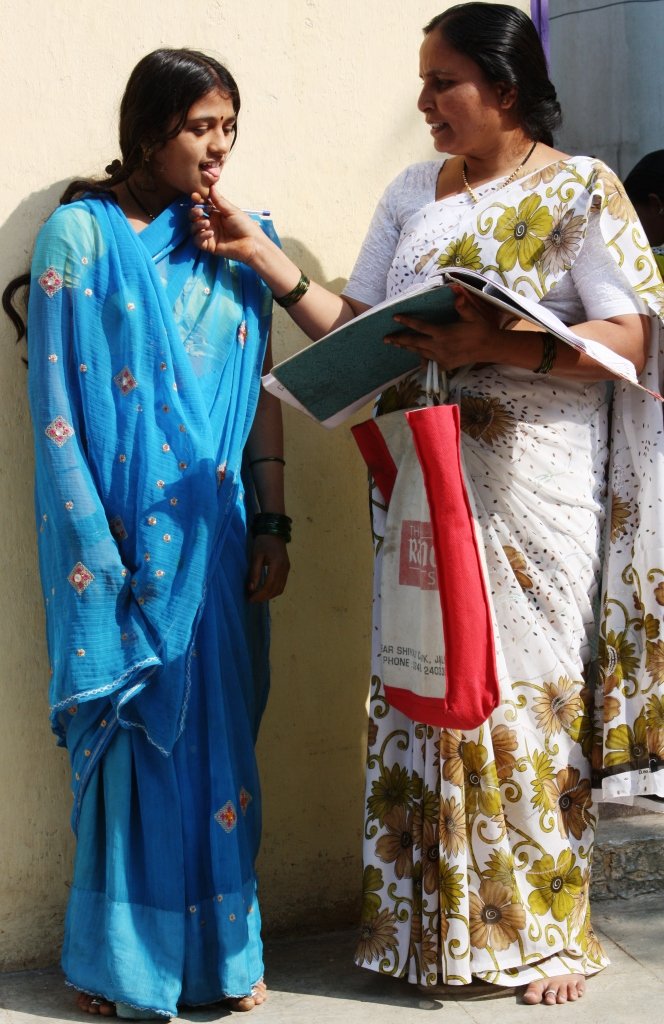
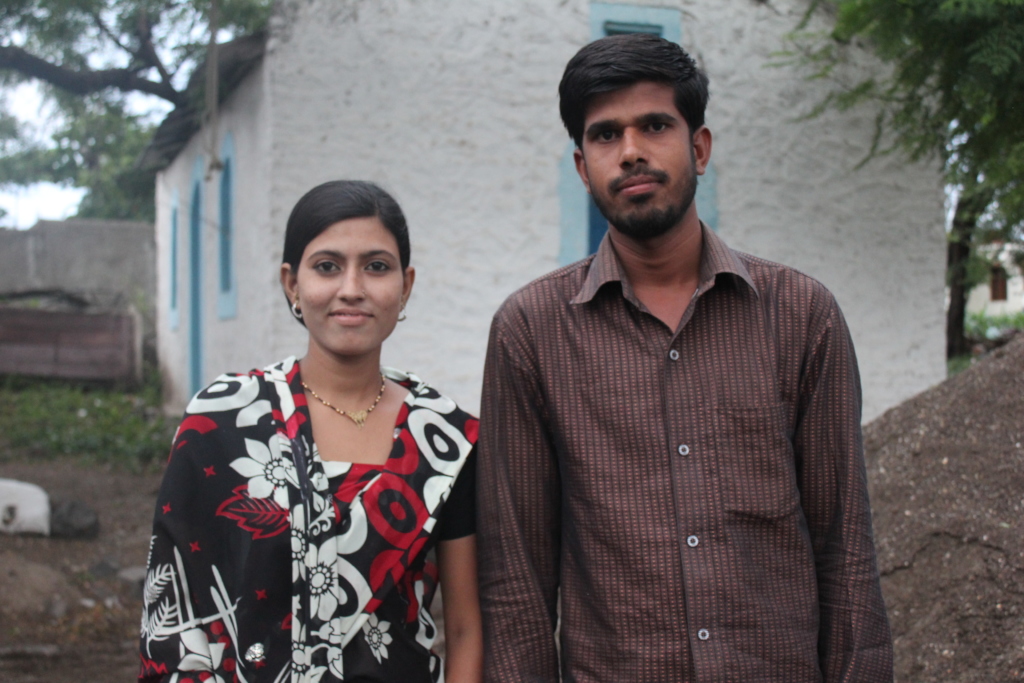
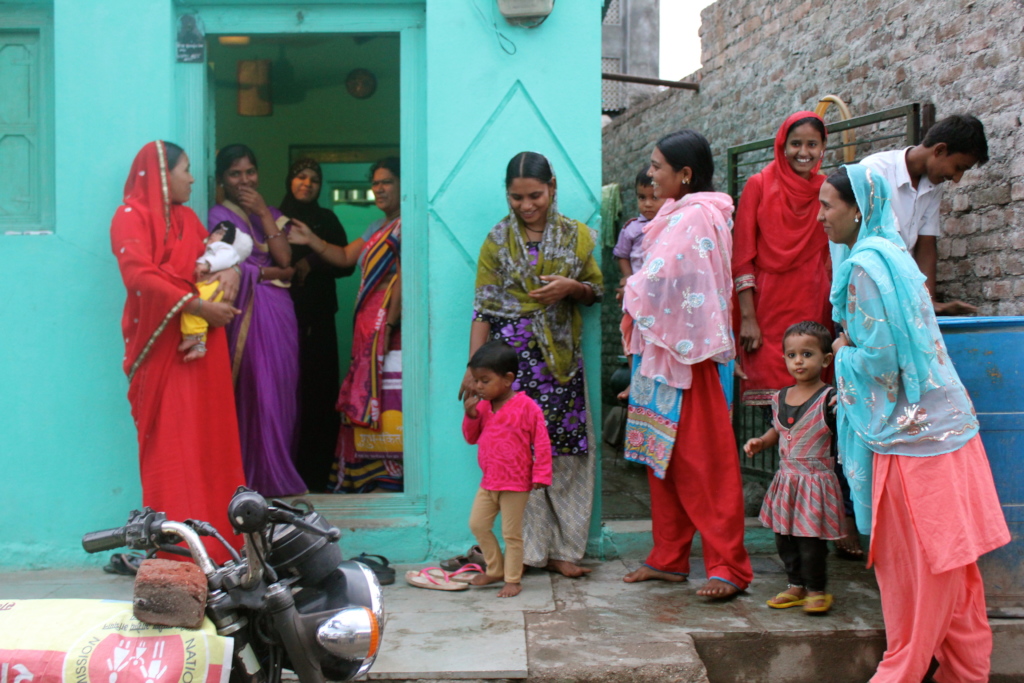
Afreen (name changed) a recently married girl of 17 years appeared to be clueless and confused when she was asked by one of our community health workers (CHW) about the significant life changes that happen after marriage. Afreen had no idea about all this as she was married off early. She had recently shifted to one of our slums (intervention area) along with her husband Ayaz. Her husband is a daily wage worker who works in a nearby multinational company. Looking at her young age, IHMP nurse decided to ask her about her views on having children, to which Afreen said that she has no say in this matter as it completely depends upon her in-laws and her husband.
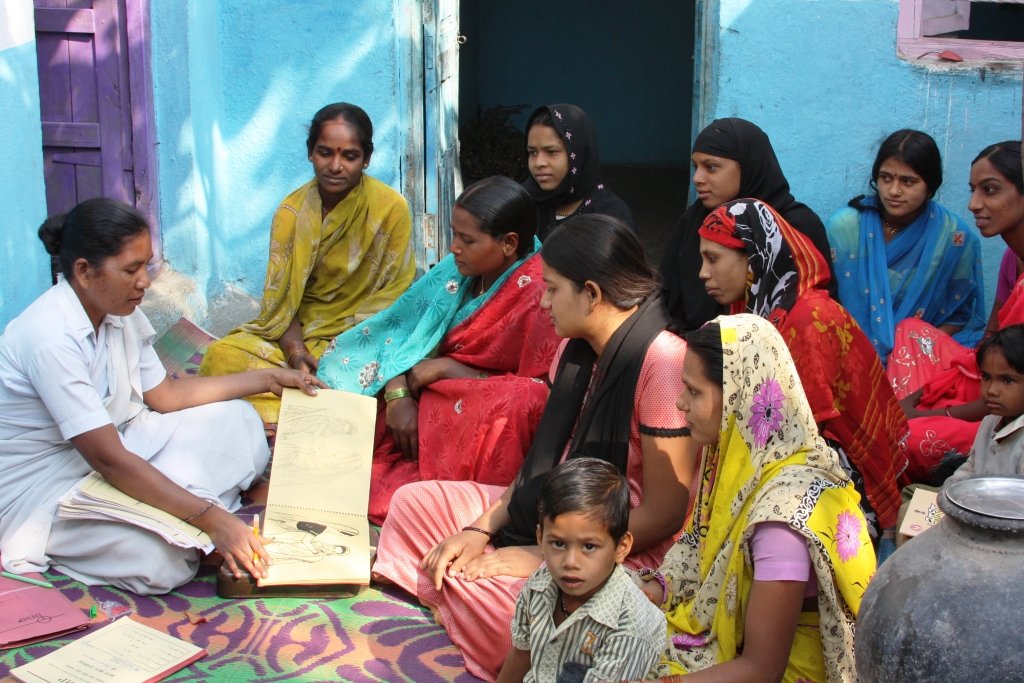
The CHW realized that not just Afreen but her in-laws and Ayaz her husband would require counseling as well. She requested IHMP’s male social worker to accompany her during her household visit to Afreen’s house. Initially it was a challenge to meet her mother in-law and husband, but our community health worker and male social worker continued to visit Afreen’s house until they could meet her husband. IHMP male social worker tried building a rapport with Ayaz and asked him some tricky questions like whether he would eat a fruit which is raw or one which is ripe? He said, “obviously a fruit that is ripe, but why are you asking me this question”. The social worker pointed out the analogy, he said “if your wife gets pregnant at a young age she would give birth to a baby that would not be fully grown and strong. It is up to you whether you want to risk her and the baby’s life or you want to wait until she is of a right age and can deliver a full term healthy baby.” The social worker further explained him about the risks involved in early pregnancy. After listening, Afreen’s husband realized the risks to which he would be subjecting his wife. He inquired how he could delay the first pregnancy? IHMP’s male social worker gave him information about condoms and other contraceptive methods which can be used to delay pregnancy.
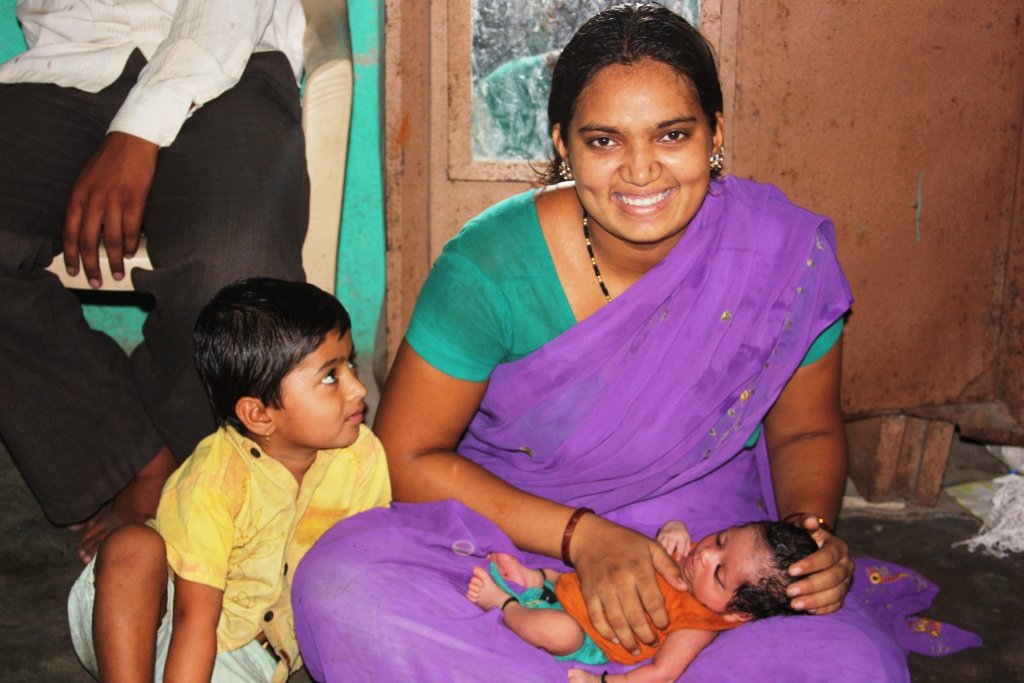
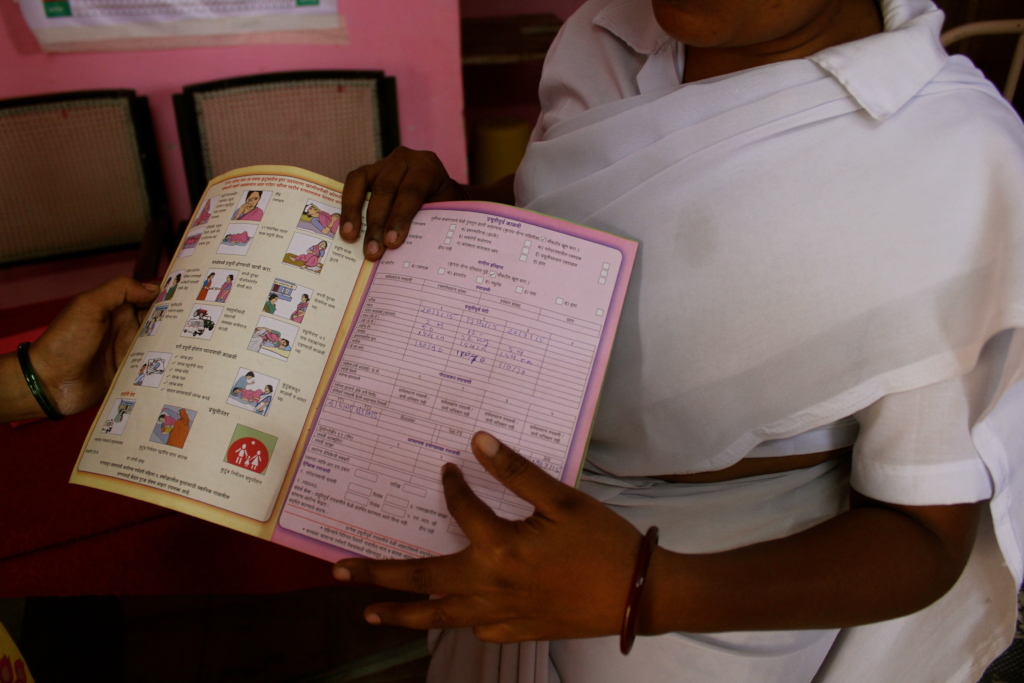
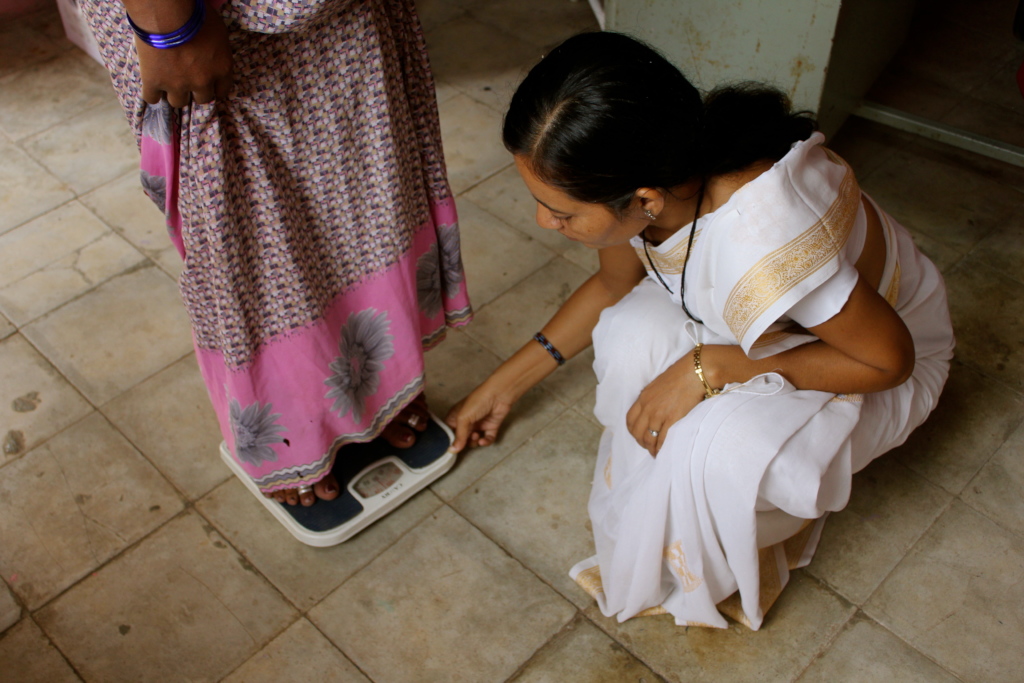
IHMP social worker during follow up visits inquired and monitored that Afreen’s husband was taking condoms from the visiting nurse and using them regularly. He used condoms to delay Afreen’s first pregnancy. A few years later, during one of the monthly household visits of IHMP’s CHW, Afreen told her that she is pregnant. By then Afreen was more than 20 years old. She mentioned that with the help of the information shared by IHMP’s community health worker her husband had got her registered for antennal care in a nearby primary health care centre. The CHW also informed her about the appropriate diet and precautions she needs to take during her pregnancy. The CHW routinely monitored her haemoglobin level. Initially her Hb level was only 9 gms and weight was just 37 Kg but with CHWs frequent counseling on proper dietary measures her weight increased to 47 Kg. and Hb level to 10.5 gm. After completing nine months of pregnancy, Afreen gave birth to a healthy baby. IHMP nurse and social worker were very happy on seeing Afreen and her health baby.
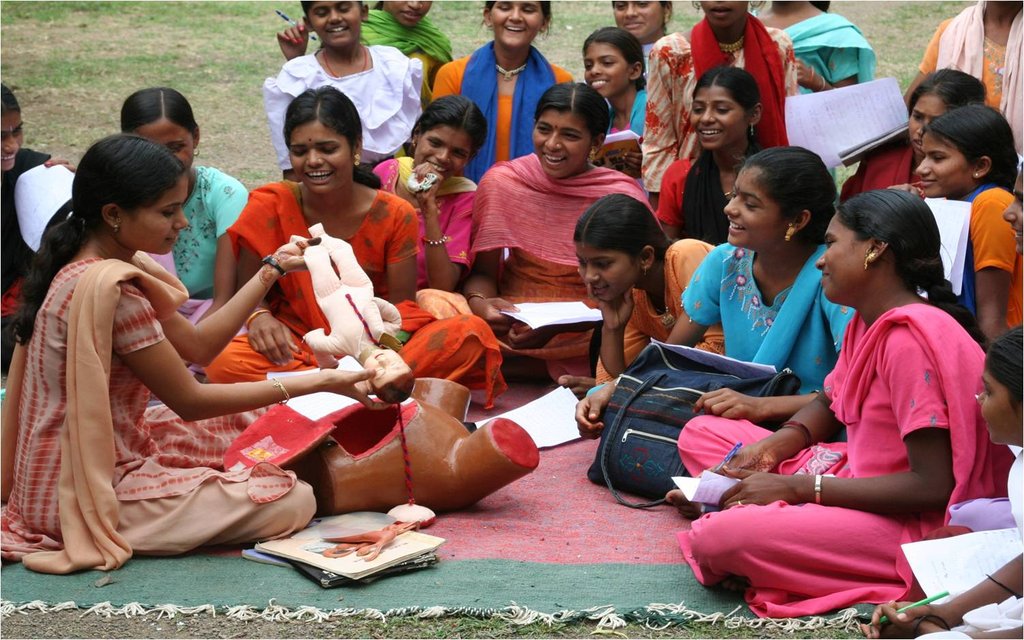
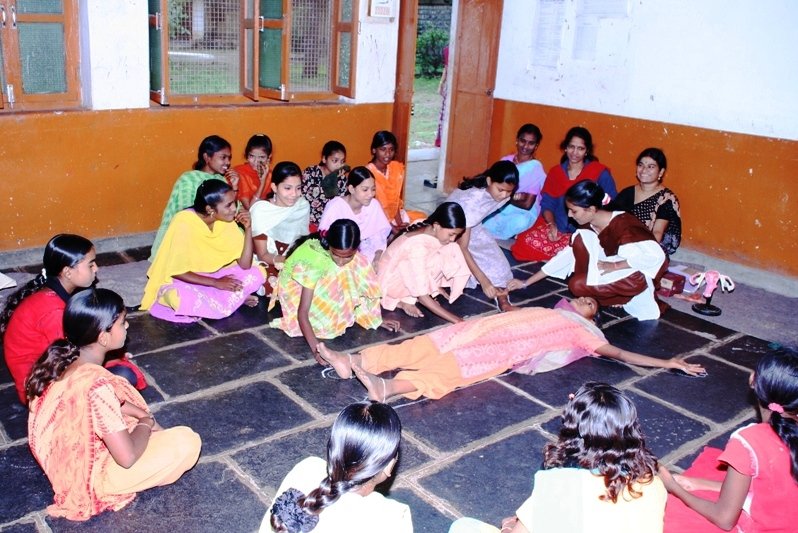
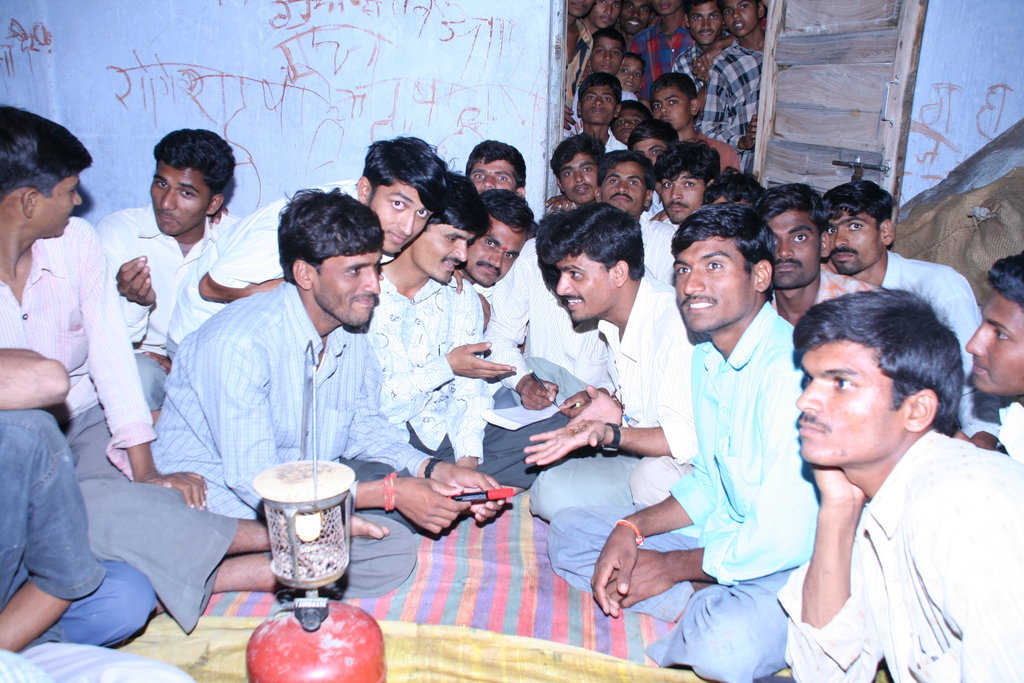
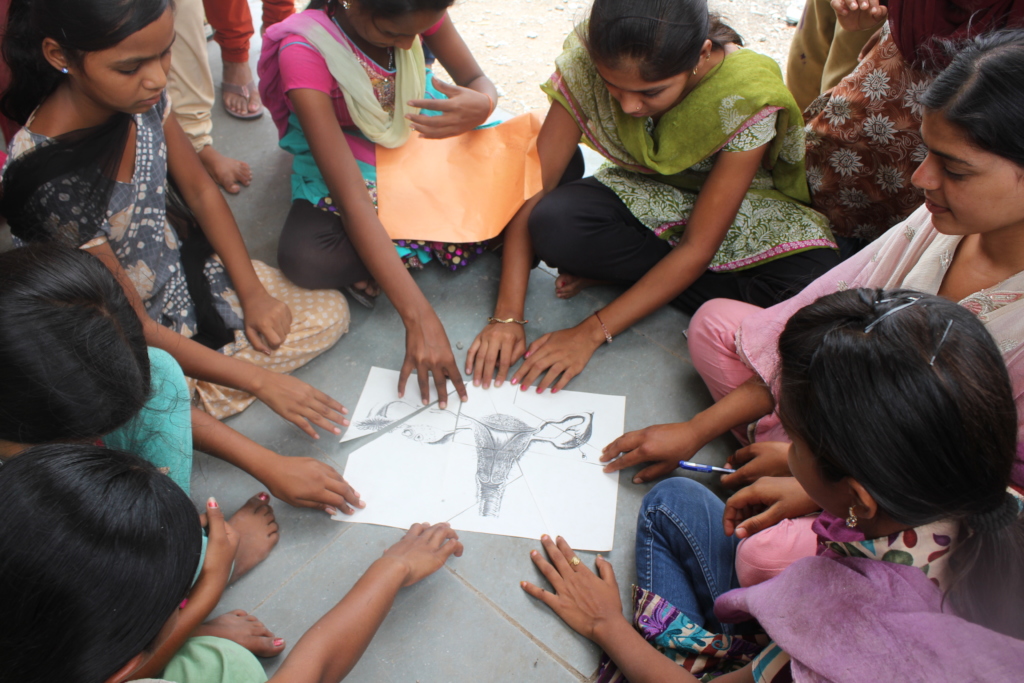
IHMP workers have focused on counseling the spouses and other family members of married adolescent girls in order to create a family support structure for married girls like Afreen. Today there are hundreds of young men who are taking greater responsibility in providing adequate care and support to their wives, particularly during pregnancy.
Links:
By Dr. Ashok Dyalchand | Director
By Dr. Ashok Dyalchand | Director
Project reports on GlobalGiving are posted directly to globalgiving.org by Project Leaders as they are completed, generally every 3-4 months. To protect the integrity of these documents, GlobalGiving does not alter them; therefore you may find some language or formatting issues.
If you donate to this project or have donated to this project, you can receive an email when this project posts a report. You can also subscribe for reports without donating.



Support this important cause by creating a personalized fundraising page.
Start a Fundraiser