By Dr. Ashok Dyalchand | Founder Director
The impact of Life Skills Education on adolescent girls
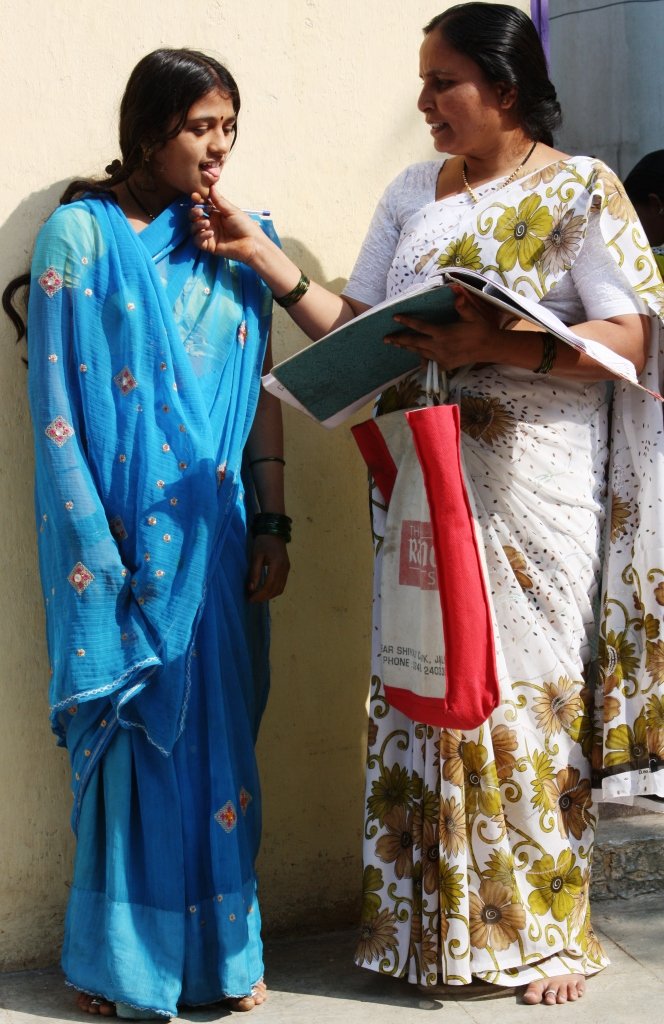
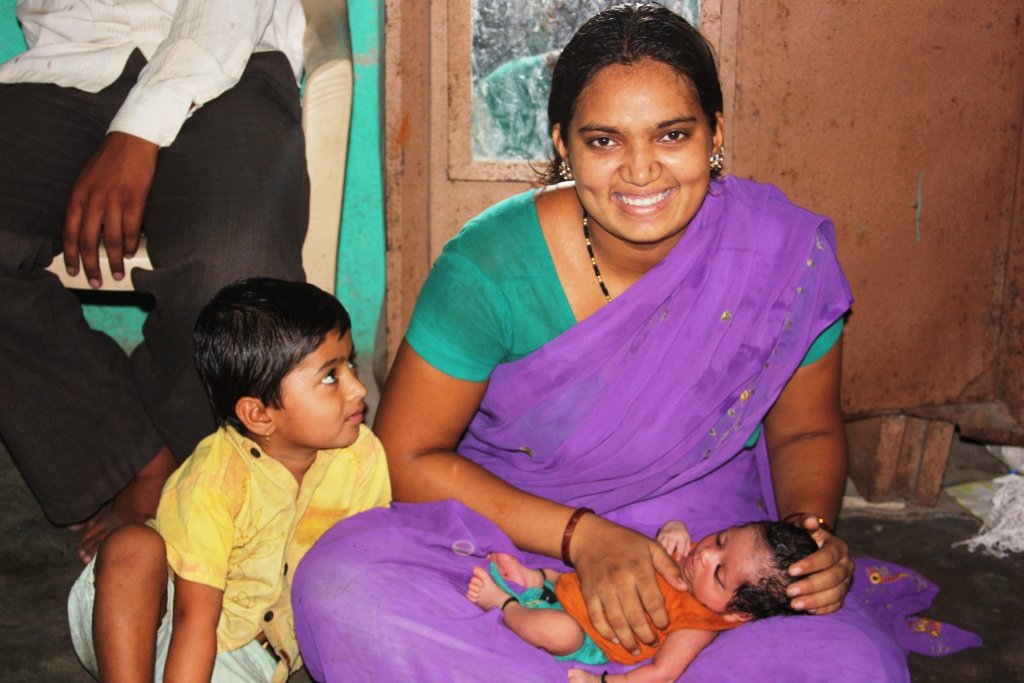
Sarika is a young married woman who lives in Kalyan Nagar, a small village in the project area of Institute of Health Management Pachod (IHMP).
Her father has had merely 9 years of schooling and works as an agricultural labourer. Her mother is illiterate. Sarika has three siblings. Their financial condition is challenging since the household income depends on agricultural labour.
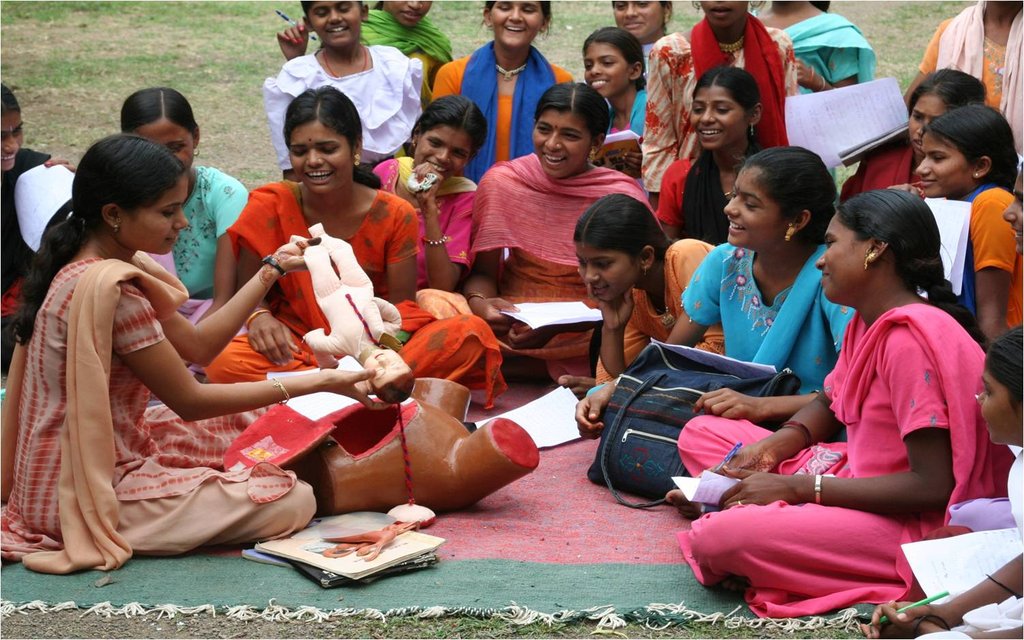
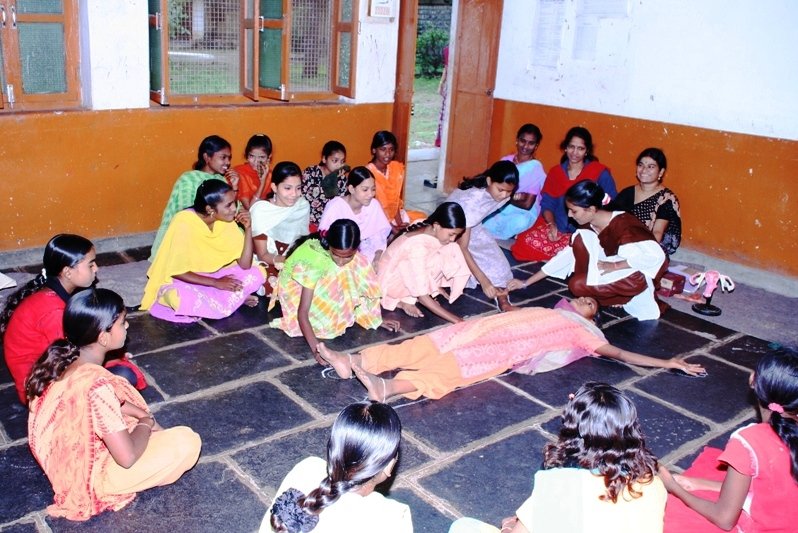
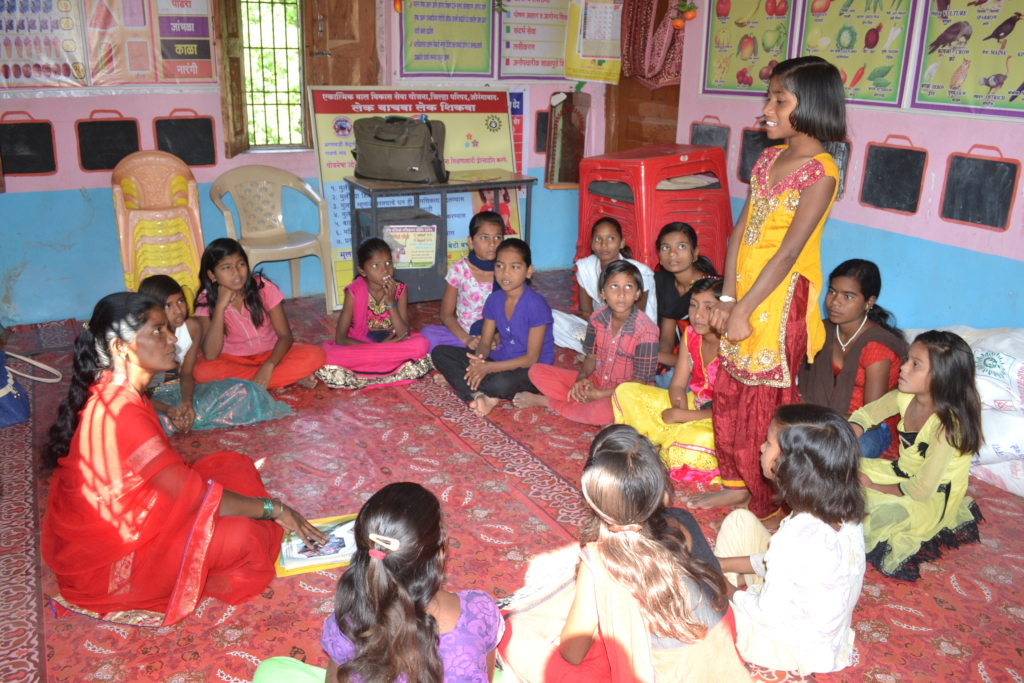
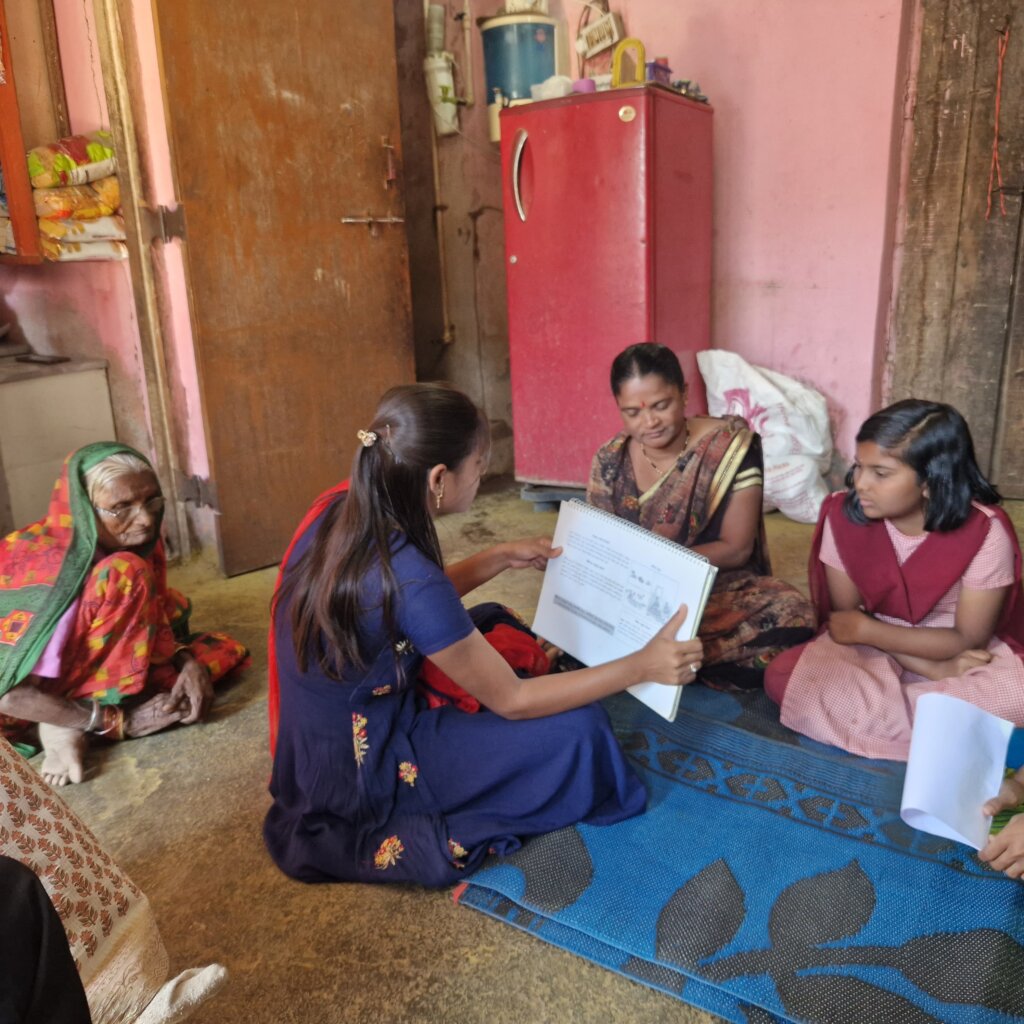
When she was an adolescent girl, Sarika had enrolled in the Life Skills Education conducted by Institute of Health Management Pachod. Sarika says that Life Skills Education changed her life. She felt confident and decided to study and change her life. When her father suggested that he would get her married, she was able to convince him to postpone marriage and let her study further. For completing 12 years of schooling, Sarika had to travel every day to a neighbouring village as her own village had a school only till grade 7.
Soon after she had completed 12 years of schooling, Sarika’s father arranged her marriage. Now she had to negotiate with her spouse and in-laws to allow her to continue college education.
Despite her circumstances, Sarika continued college education and acquired a Bachelor's degree, which very few girls from a rural background are able to achieve. She also motivated her husband to pursue higher education.
Sarika said “I learnt the importance of higher education during IHMP’s Life Skills programme. I was convinced that I could change my life If I acquired a college degree. Through Life skills education I also gained self confidence to negotiate with my parents and in-laws and convince them to let me continue my education”.
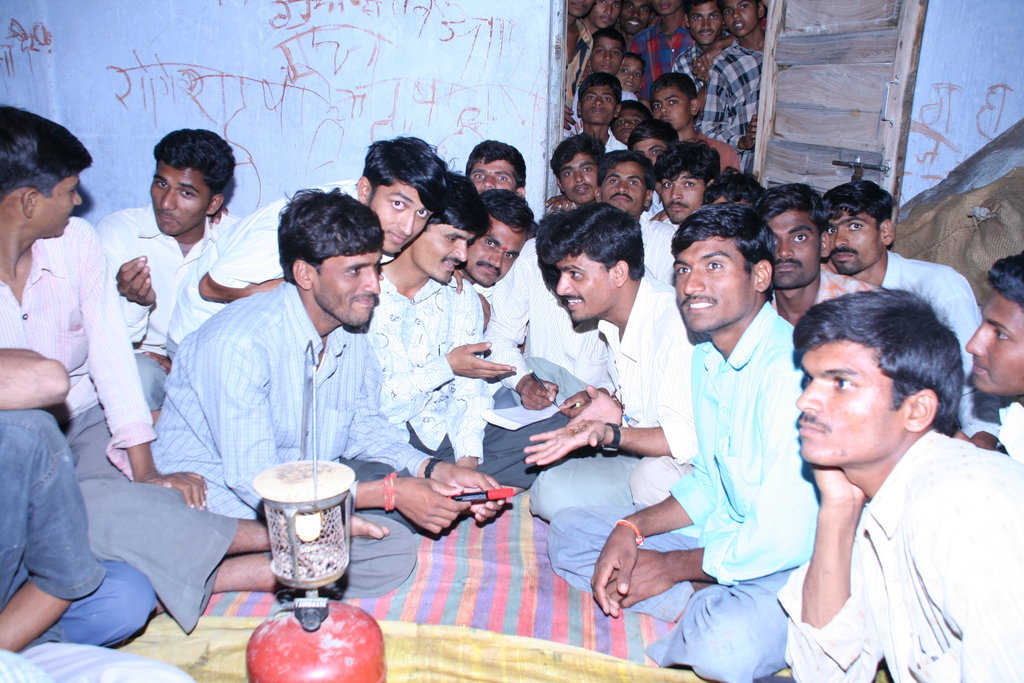
Life Skills Education had a profound impact not only on Sarika but also on the attitude of her parents, her husband and other parents in the community.
Considering her family background and circumstances, Sarika’s achievements would not have been possible without self-confidence, determination, perseverance, and strong communication skills, which she acquired during Life Skills Education.
Sarika is a good example of how determination, perseverance, and effective communication skills can empower an adolescent girl to achieve her goals and create positive change in her family and community.
Sarika is an inspiring example of the long-term impact of Life Skills Education in fostering personal growth, empowering young women, and bringing about transformative change within their families and communities.
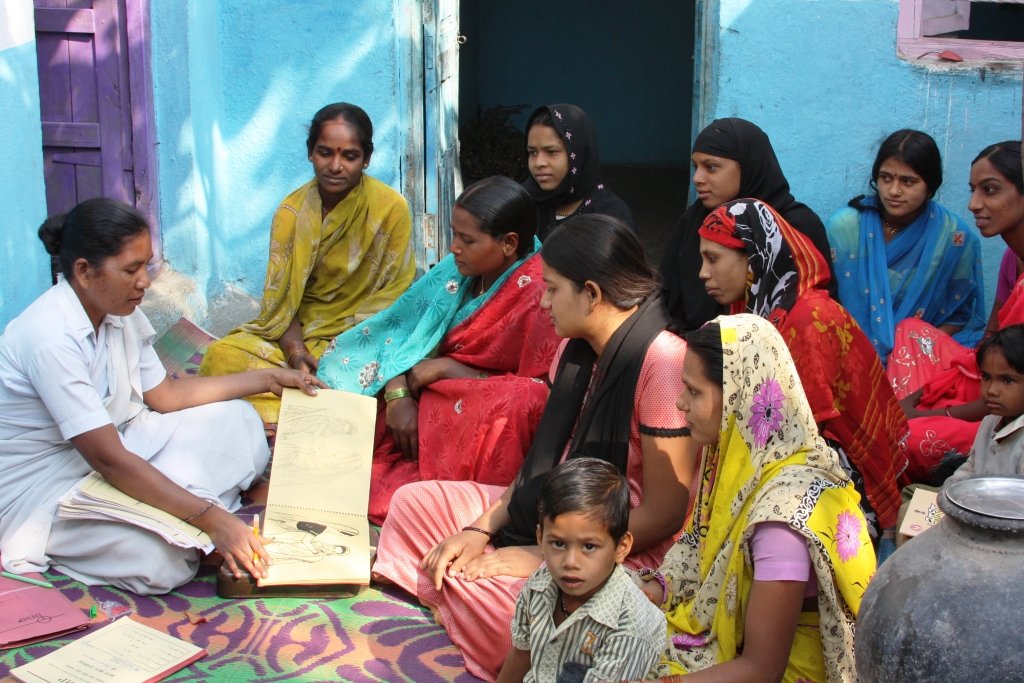
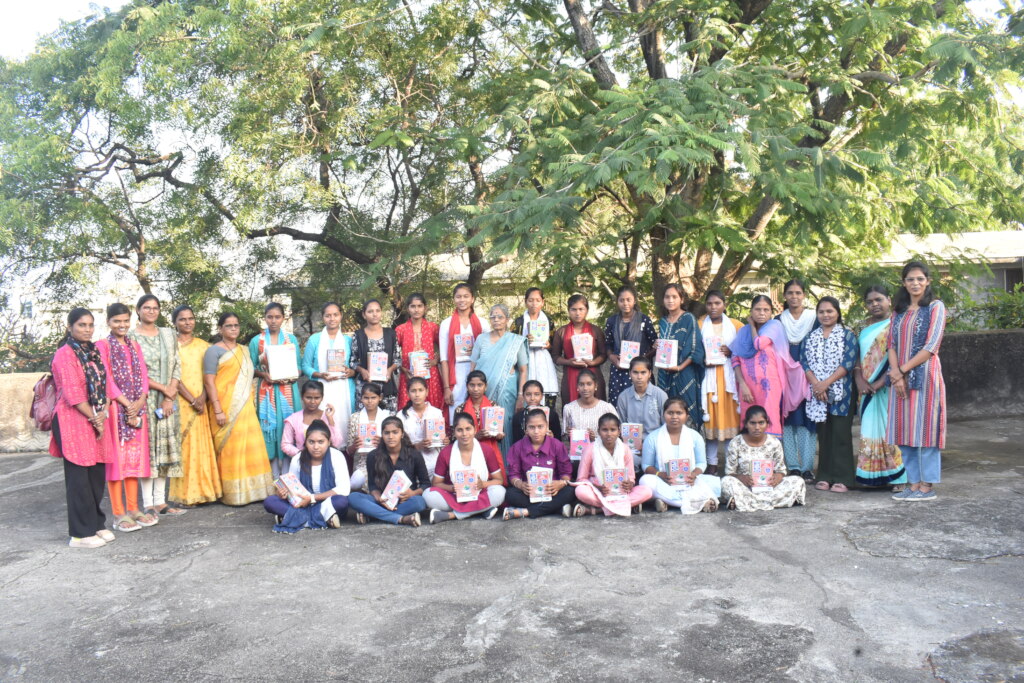
Every year about 2000 girls undergo Life Skills Education that is conducted by IHMP. Since its inception 1,23,000 adolescent girls have been empowered through Life Skills Education. They have in turn influenced their families and communities.
By David Whitfield | Project Leader
By David Whitfield | Project Leader
Project reports on GlobalGiving are posted directly to globalgiving.org by Project Leaders as they are completed, generally every 3-4 months. To protect the integrity of these documents, GlobalGiving does not alter them; therefore you may find some language or formatting issues.
If you donate to this project or have donated to this project, you can receive an email when this project posts a report. You can also subscribe for reports without donating.



Support this important cause by creating a personalized fundraising page.
Start a Fundraiser