By David Whitfield | Project Leader
Some institutions are built on vision. Some on funding. Some on ambition.
IHMP was built on something harder and rarer — a conviction, sustained across nearly a century, that women and girls deserve better.
Nearly a century. Seven million lives. One unbroken mission.
On this International Women's Day one of the trustees of the Friends of IHMP (UK) wrote about the leaders who never made headlines — and what their work means for all of us.
Some people build careers. Some build reputations. Some build wealth.
The people behind the Institute of Health Management Pachod (IHMP) built something harder and rarer — a conviction, sustained across nearly a century, that women and girls deserve better.
This is their story.
Where It Begins
The story begins almost a century ago. Dr Gladys Jeffree — a doctor from Bath — came to Pachod, a remote village in Maharashtra, and began providing healthcare in a region where, in the years before Indian independence, primary healthcare infrastructure was scarce. She gave decades of her life to that community. That presence, and that spirit, became the foundation of what followed.
In 1976, a young medical graduate, Dr Ashok Dyalchand expanded that foundation — building a community-rooted public health programme that reached far beyond the hospital walls. He trained local health workers, established research systems, and took healthcare into the surrounding villages — reaching communities who would never come to a hospital. He never left — and while he continues to guide IHMP, he has identified and is nurturing the next generation of leaders, ensuring the mission endures beyond any one person. From that vision, sustained over five decades, grew the Institute of Health Management Pachod — IHMP.
And Manisha Khale has been at the heart of that work for nearly five decades. Her update was in the last report.
What Fifty Years of Conviction Builds
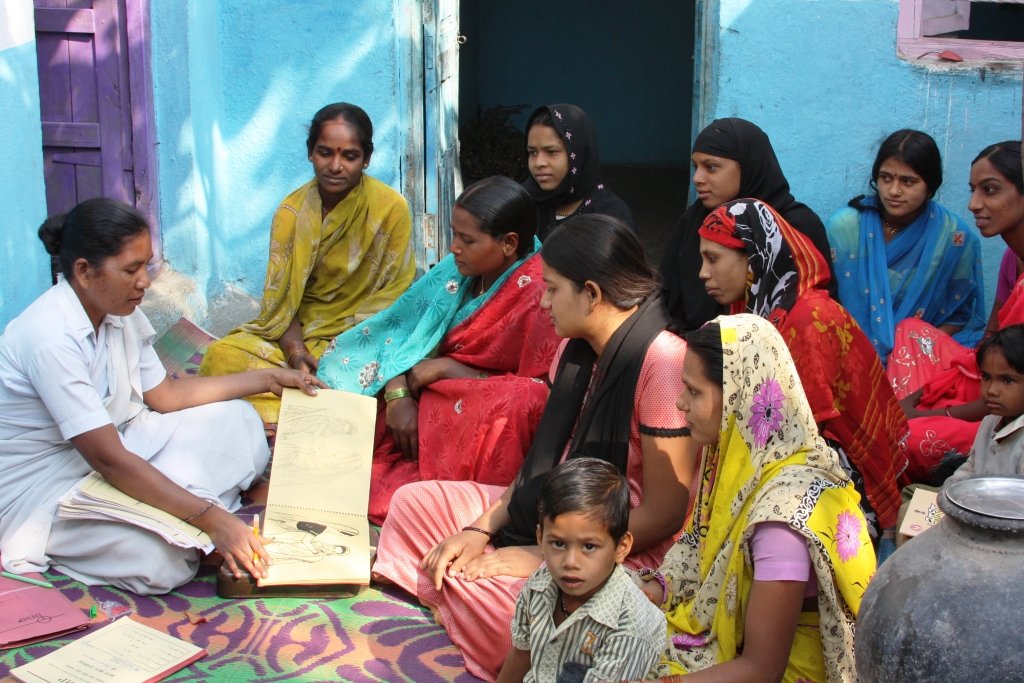
IHMP has walked alongside women at every stage of life.
Baby. Child. Adolescent. Woman. Mother. Elder.
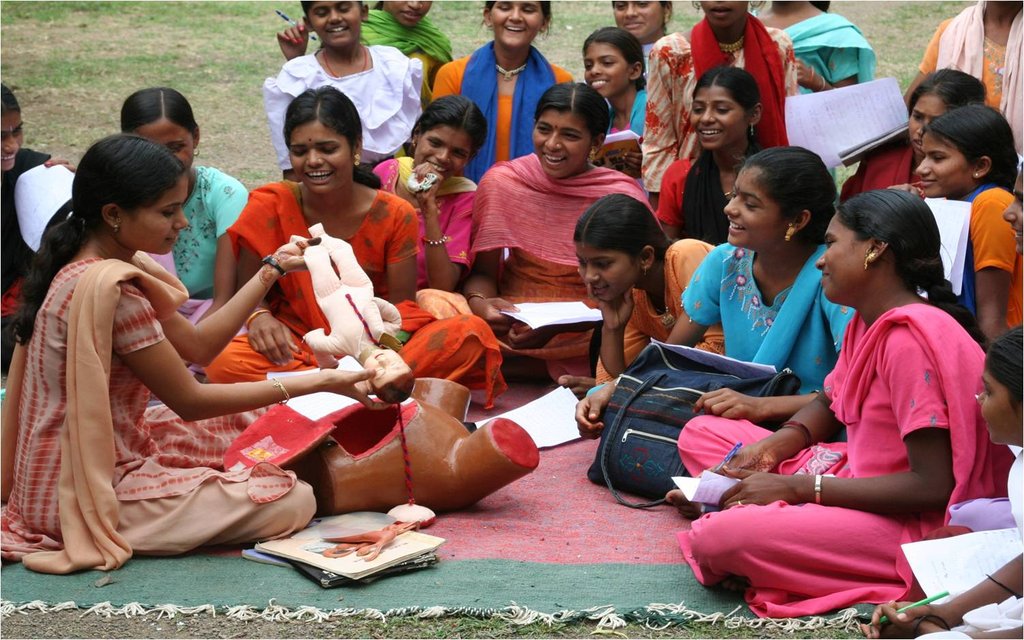
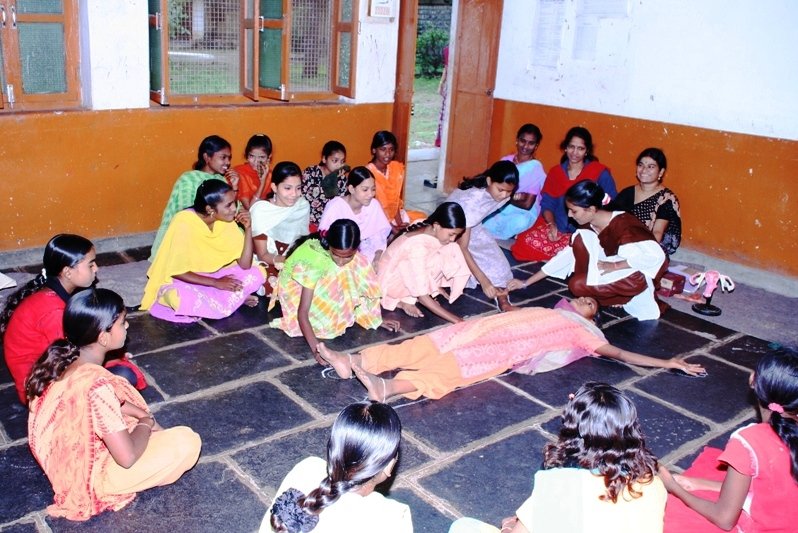
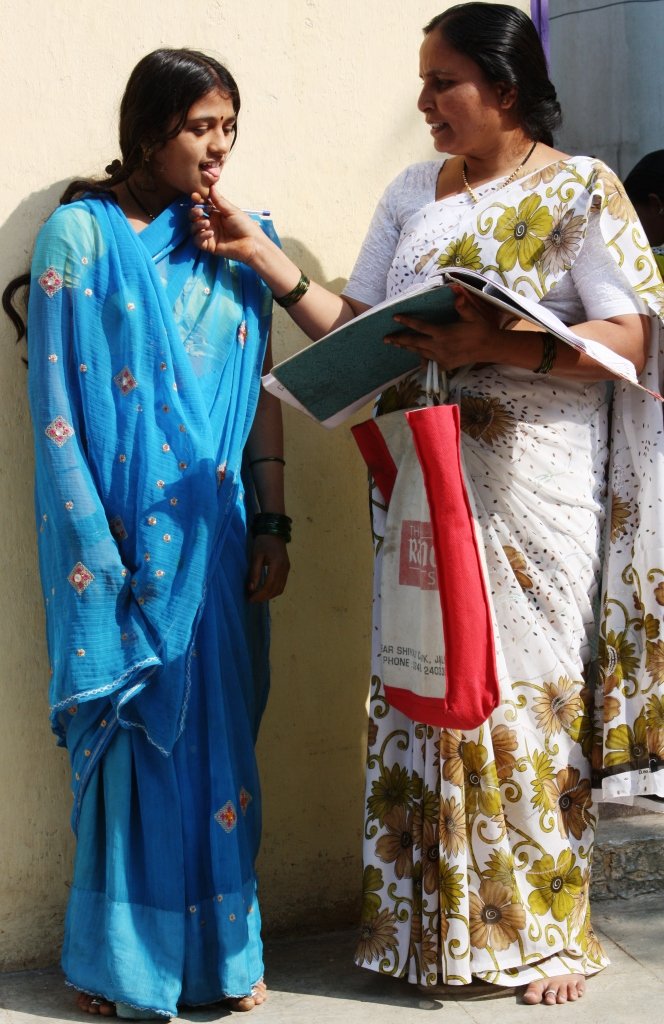
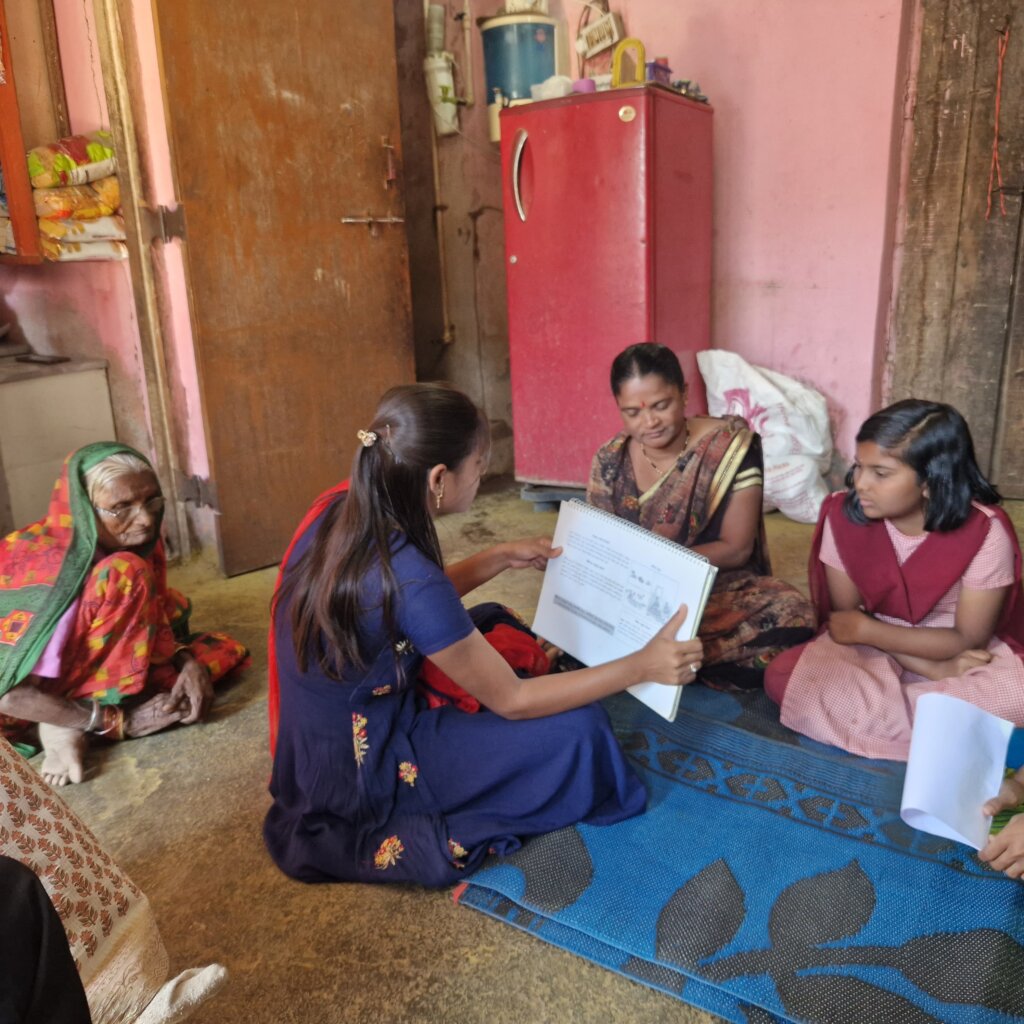
Preventing malnutrition in newborns. Keeping girls in school. Delaying child marriage. Empowering adolescent girls through Life Skills Education and peer leaders — girls teaching girls, communities changing from within. Supporting young married women in rural villages and urban slums. And crucially — working with boys and young men on how to treat girls. Because lasting change requires everyone.
IHMP's programmes have been adopted as national policy by the Government of India. UNICEF has replicated its approaches across multiple states. Its research has been published in The Lancet. It has been invited by the World Bank and WHO to shape national frameworks.
That work continues today — in rural Maharashtra and in the urban slums of Pune, reaching the girls and women that formal systems still overlook.
Recognised Across the World
In 1984, IHMP received national recognition from the Ford Foundation for pioneering maternal and neonatal health services through Traditional Birth Attendants.
In 2006, IHMP was invited to the Kennedy Centre, Washington D.C. to receive the Investing in Women Award for Innovation from the International Centre for Research on Women — for its Life Skills Education programme for adolescent girls.
In 2013, IHMP won the Dasra Girl Power Award for addressing the sexual and reproductive health needs of married adolescent girls.
In 2014, IHMP received the John Diefenbaker Defender of Human Rights and Freedom Award from the Government of Canada.
In 2019, IHMP received the World's Children's Prize — the children's Nobel Prize — awarded in Sweden, for its work on the rights of the girl child.
Nearly a century. One conviction. Recognised across the world.
A Living, Growing Organisation
IHMP is not a story of the past. It is a living, growing organisation — still in the field, still building, still leading. Today IHMP continues to develop adolescent girls as peer leaders, rolling its Life Skills model into new communities and partnering globally to amplify what community-rooted leadership can achieve.
The UK Connection
The UK connection to this story runs just as deep.
Dr Michael Whitfield — Senior Lecturer in General Practice at Bristol University and GP partner at a Bristol practice that became home to the Whiteladies Health Share Project, a community fundraising charity dedicated to supporting IHMP's work in India — and his wife Mavis Whitfield have been part of IHMP's story for decades. A community in Bristol chose to care deeply about a village in Maharashtra — and backed that care with decades of fundraising and personal commitment.
Their son David Whitfield now chairs Friends of IHMP UK, carrying that same commitment forward into the next generation — raising vital funds and giving IHMP a global voice. Their current focus: supporting IHMP's Life Skills Education programme for adolescent girls and young women and setting up a training centre.
Why This Matters Today
The leaders who change the world are not always the ones on the stage. Sometimes they are the ones who came to a remote village almost a century ago and began providing healthcare where there was none. Sometimes they are the ones who stayed for decades, seeing the women others overlooked, building what others wouldn't, holding steady when it would have been easier to leave.
Dr Gladys Jeffree. Dr Ashok Dyalchand. Dr Michael and Mavis Whitfield. David Whitfield.
And Manisha Khale — who never stopped.
Leadership leaves a legacy.
Women pay it forward — to the generations they raise, in allyship with men, in collaboration and co-creation. Not competition. Not charity. Partnership.
Project reports on GlobalGiving are posted directly to globalgiving.org by Project Leaders as they are completed, generally every 3-4 months. To protect the integrity of these documents, GlobalGiving does not alter them; therefore you may find some language or formatting issues.
If you donate to this project or have donated to this project, you can receive an email when this project posts a report. You can also subscribe for reports without donating.



Support this important cause by creating a personalized fundraising page.
Start a Fundraiser