By Dr. Ashok Dyalchand | Director
Once when Smita, an IHMP field supervisor was visiting one of our several communities where we implement our program, the community health worker in that slum told her about a certain resident, Sanjay (name changed). Sanjay is a labourer who works throughout the day and returns home late at night. He almost always avoided the community health worker when she went to speak to him. He clearly did not wish to listen to what she had to say to him. But the CHW did not cease in her efforts to communicate with Sanjay. She was adamant to talk to him.
Sanjays wife Nandini (name changed) who is just 17 years old had given birth to a baby boy 8 months ago. She wanted to begin using a contraceptive immediately after her delivery, but Sanjay was completely averse to the idea and forbade her from using any form of birth control. This behaviour resulted in Nandini becoming pregnant a mere 4 months after the birth of her first child. Due to the extreme pressure exerted on her by Sanjay and her in-laws and the fact that her husband would not listen to her pleas, Nandini went to her maternal home and underwent an abortion. After Sanjay and his family found out about this they were enraged. Sanjay continued to refuse to use any type of contraception.
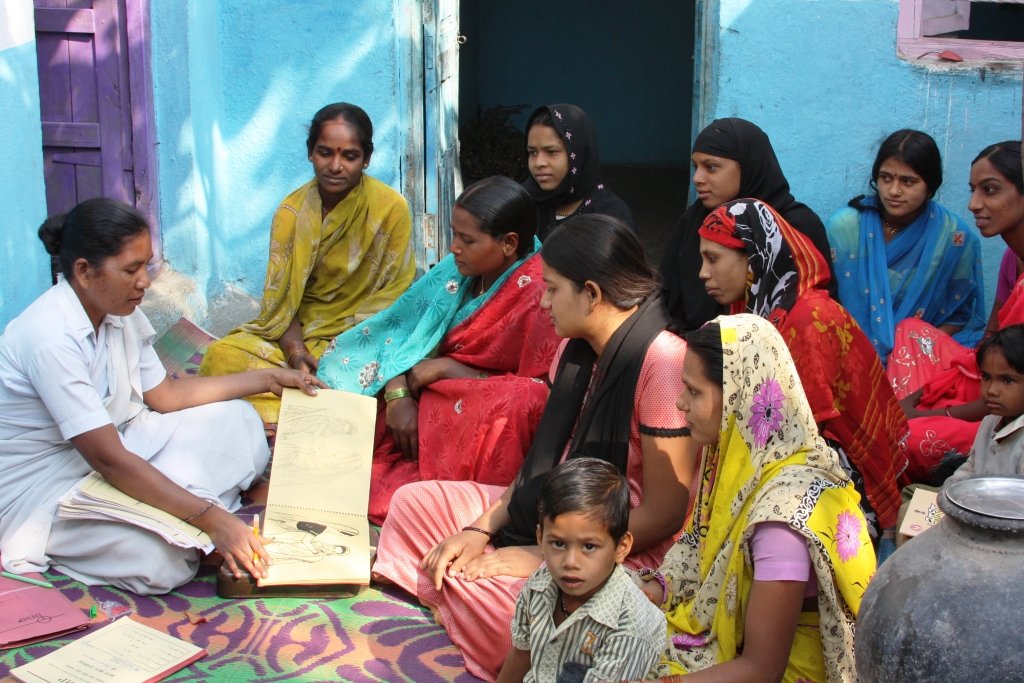
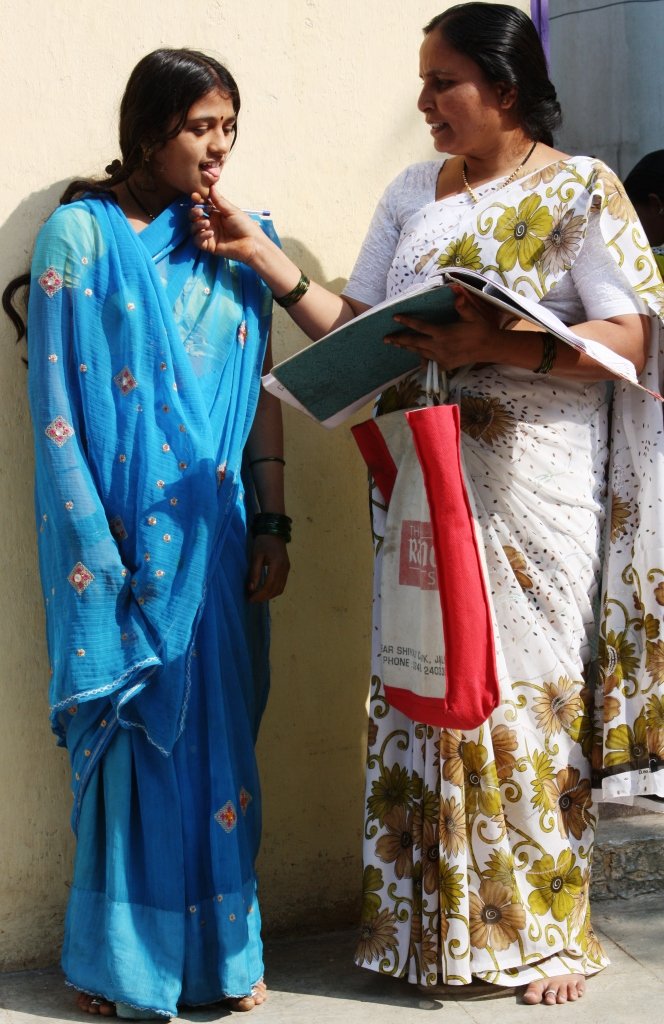
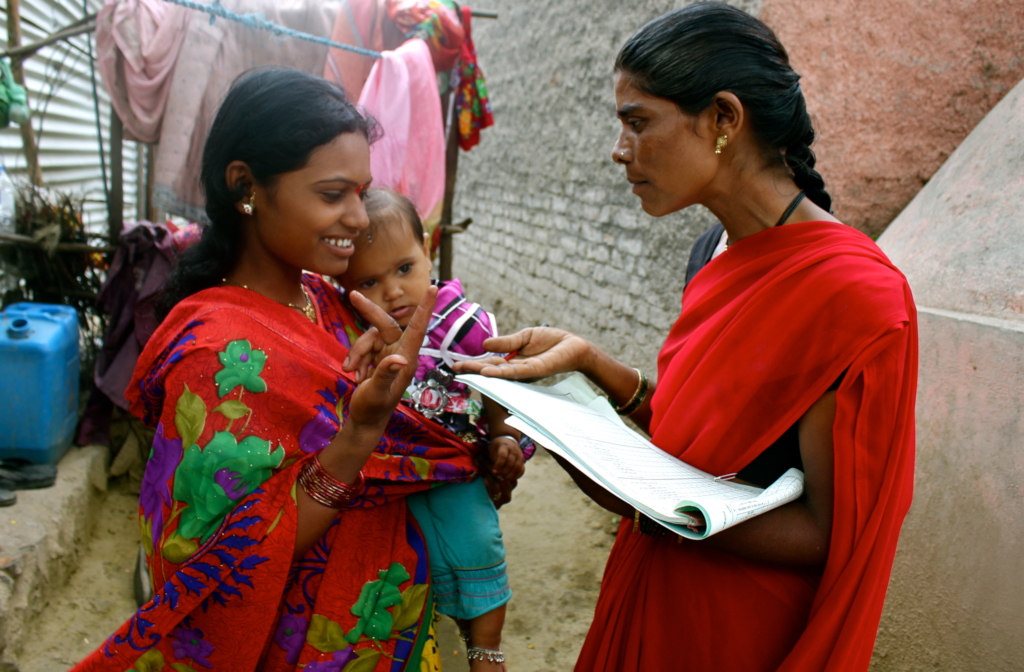
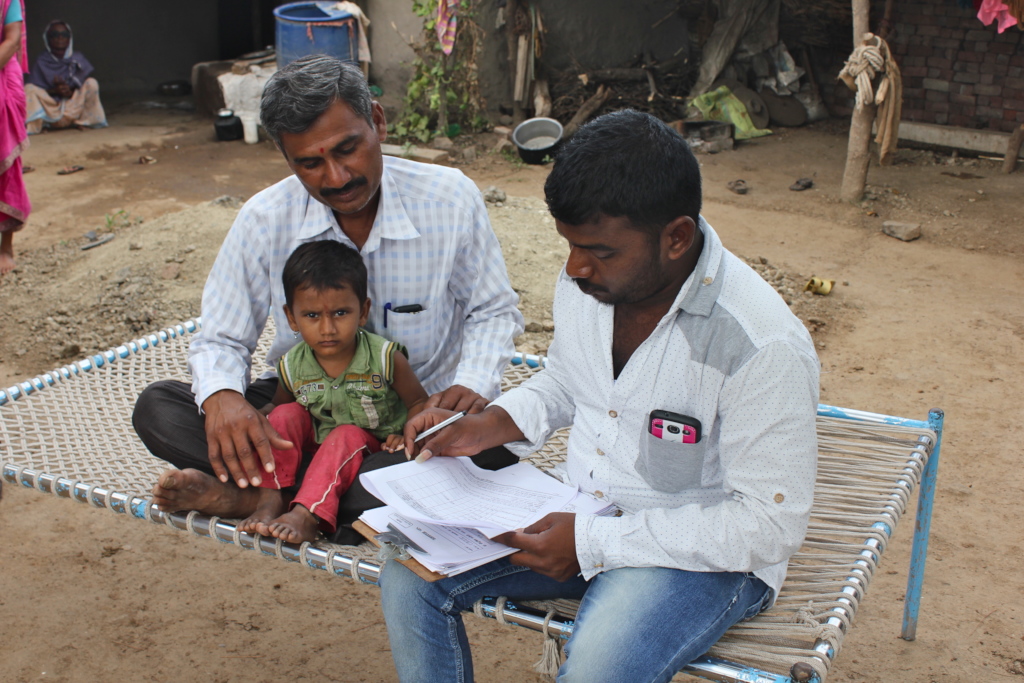
After many attempts the CHW was finally able to speak to Sanjay with the help of Smita. He defended his attitude by saying that he earned enough to support his family, and that he would let Nandini undergo a family planning operation after she bore one or two more children. The CHW listened patiently to all his explanations then proceeded to tell him about the need for spacing between two children and how it would help his wife to live a long, healthy life and how it would benefit his yet to be born children by letting them lead healthier lives. She assured him that his choice would be taken into consideration while deciding the contraceptive method that would be suitable for the couple. After he was given all this information, something began to change in his mind and his concern for his wife was visible when he decided to attend the special clinic organized by IHMP.
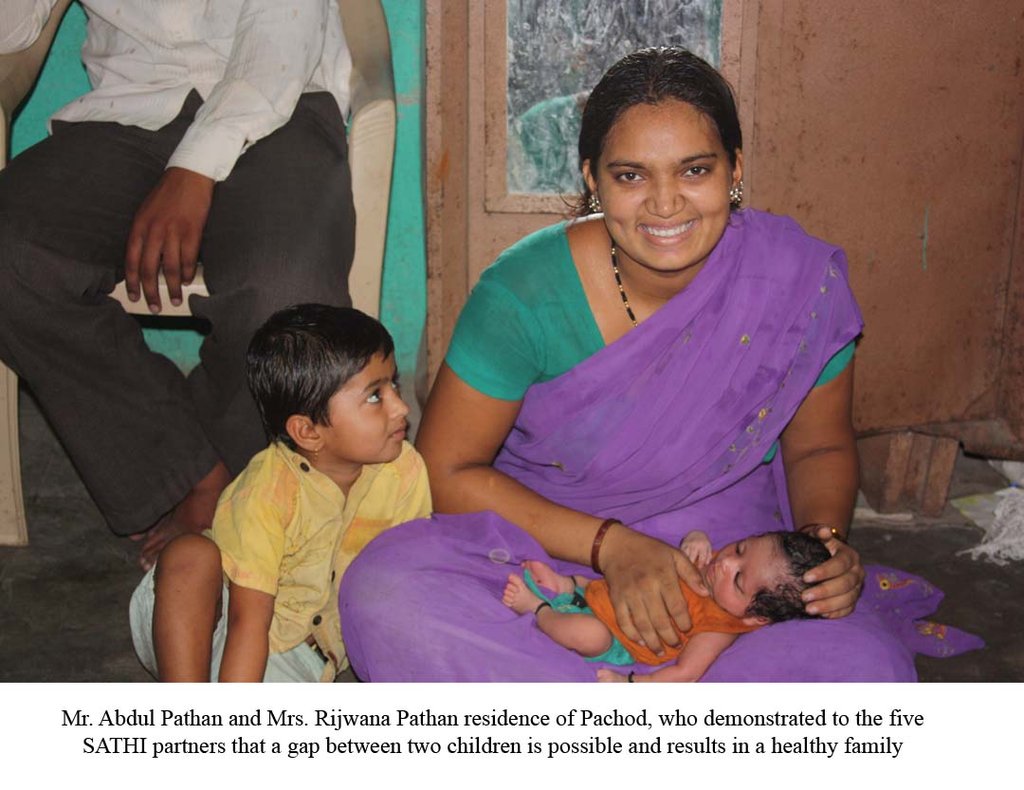
The very next week, Sanjay and his wife came to IHMP’s outreach clinic. They were explained the ill effect of frequent pregnancies without any spacing on a woman and her new born baby. Sanjay also heard about the problem of low birth weight and its implications and finally decided to use a contraceptive to ensure a gap of 3 years between two births. The community health worker and Smita were extremely happy to hear about the couple’s decision and it strengthened their resolve to help other women who face the same problem.
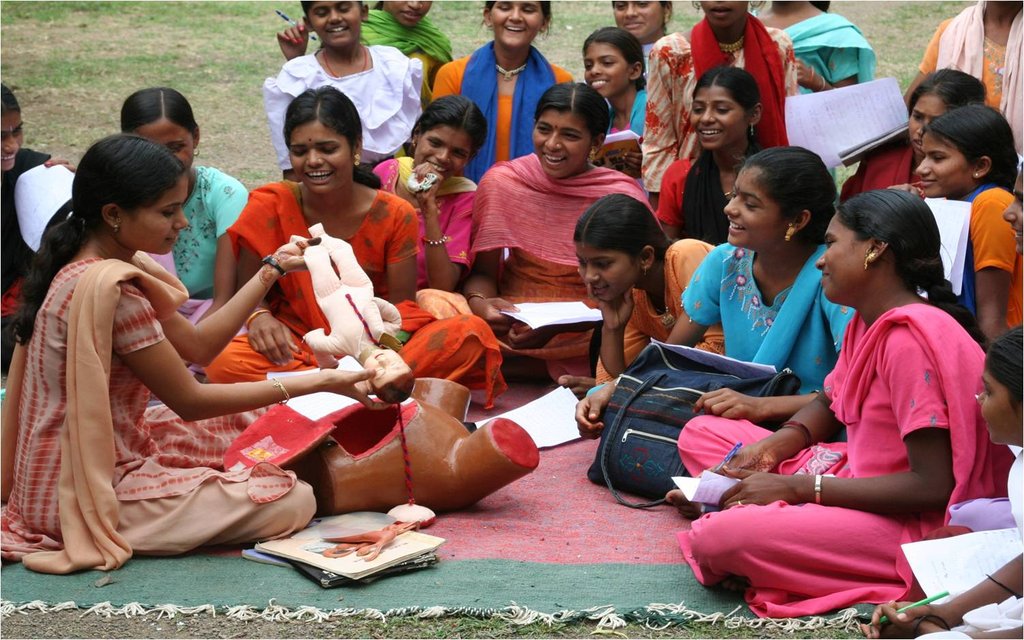
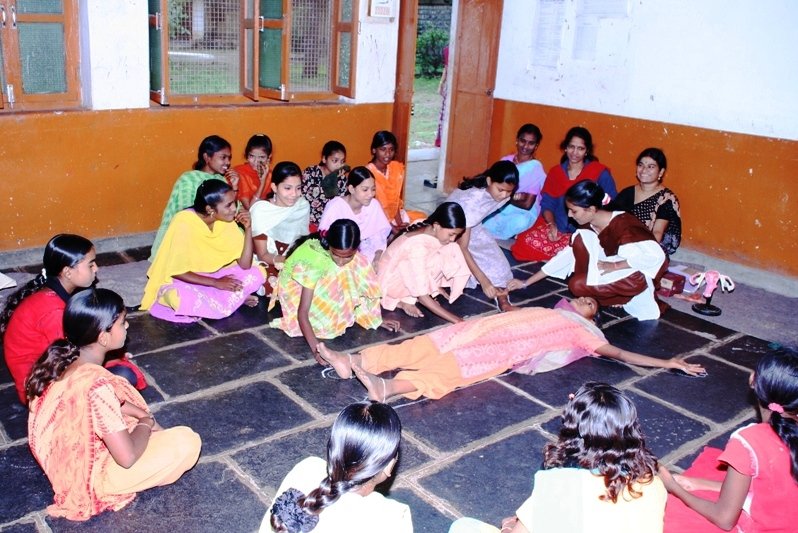
A large part of IHMP’s work in the community has to do with changing social norms that are at the root of many of the problems faced by the married adolescent girls in these communities. Our work has to involve both the woman and her husband, sometimes even her family to bring about the change we want to see in the community. The initial patriarchal reactions our colleagues received from Sanjay are quintessential to the social norms that exist in our community. Sanjay and his family are one of many thousand couples whose lives we have been able to touch in our pursuit to improve the reproductive health status of married adolescent girls in India.
Links:
Project reports on GlobalGiving are posted directly to globalgiving.org by Project Leaders as they are completed, generally every 3-4 months. To protect the integrity of these documents, GlobalGiving does not alter them; therefore you may find some language or formatting issues.
If you donate to this project or have donated to this project, you can receive an email when this project posts a report. You can also subscribe for reports without donating.



Support this important cause by creating a personalized fundraising page.
Start a Fundraiser