By Ashok Dyalchand | Director
Kalpana (name changed) is a 17 year old girl from Taka village. She and her husband are landless laborers. Between them they earn the equivalent of 3 USD per day. The family has barely enough money for their household expenditures.
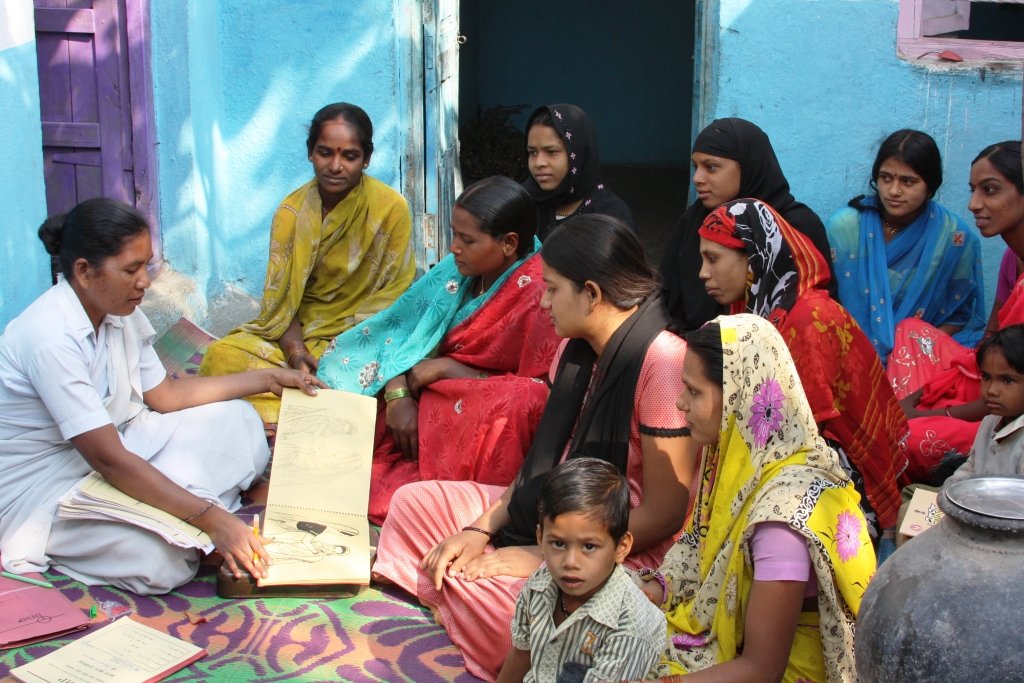
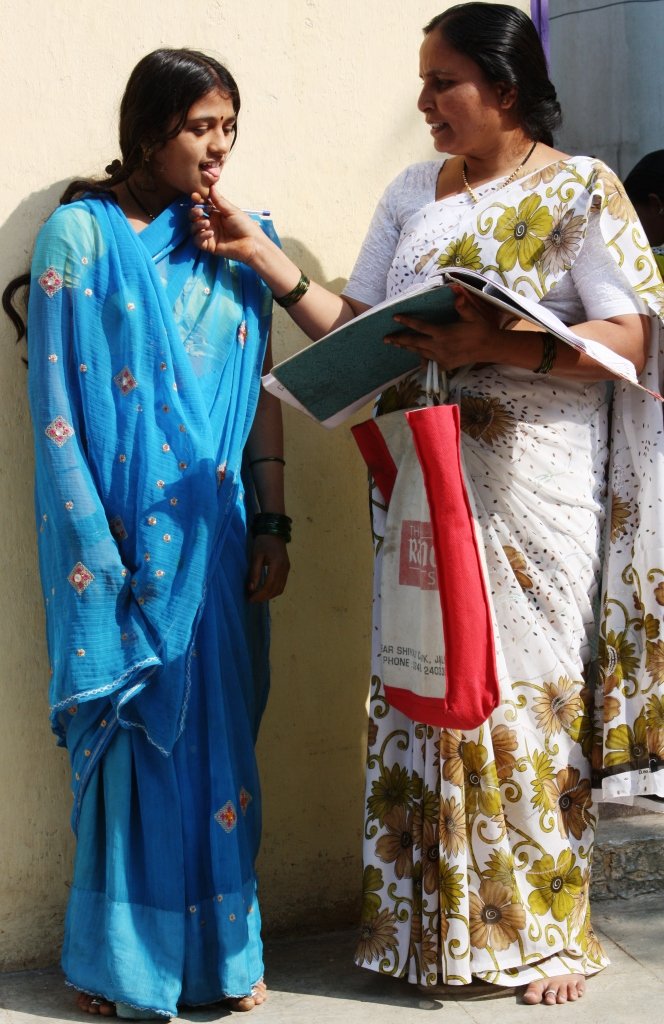
During her routine monthly health needs assessment, Rajni our community health worker (ASHA) met Kalpana when she was in her 6th month of pregnancy. Kalpana told Rajni that she fell down a few days back and since then she has been getting pain in her lower abdomen. Rajni immediately knew that this was a potential complication and so she asked Kalpana if she had any other symptom. Kalpana said that she had been having slight bleeding since two days.
Rajni called the nurse at the health centre who told Rajni that Kalpana could be having a threatened abortion and should be shifted to the health centre immediately. Rajni asked for an ambulance but it was not available. So Rajni went round the village to find out if any private vehicle was available. Finally, she located a family that had a tractor with a trolley. By then many neighbors had gathered to assist. They brought several mattresses and Kalpana was made to lie down comfortably in the tractor trolley.
When Kalpana reached the health centre the doctor started treatment immediately. He told Rajni that if she had not brought Kalpana quickly she would have had a miscarriage. Kalpana’s treatment continued for several days. When her abdominal pain subsided she was sent home and was told to take complete bed rest. Rajni told her husband that he would have to do all the housework and let Kalpana have complete rest in order to save the baby. Rajni would visit Kalpana every week to make sure that she was taking complete bed rest and getting a good diet.
Kalpana completed nine months of pregnancy and finally delivered a healthy baby girl. Both Kalpana and her husband were ecstatic especially since they realized that they could have lost this baby had it not been for Rajni’s personalized care. Kalpana told Rajni “My baby girl is alive because of your timely intervention”.
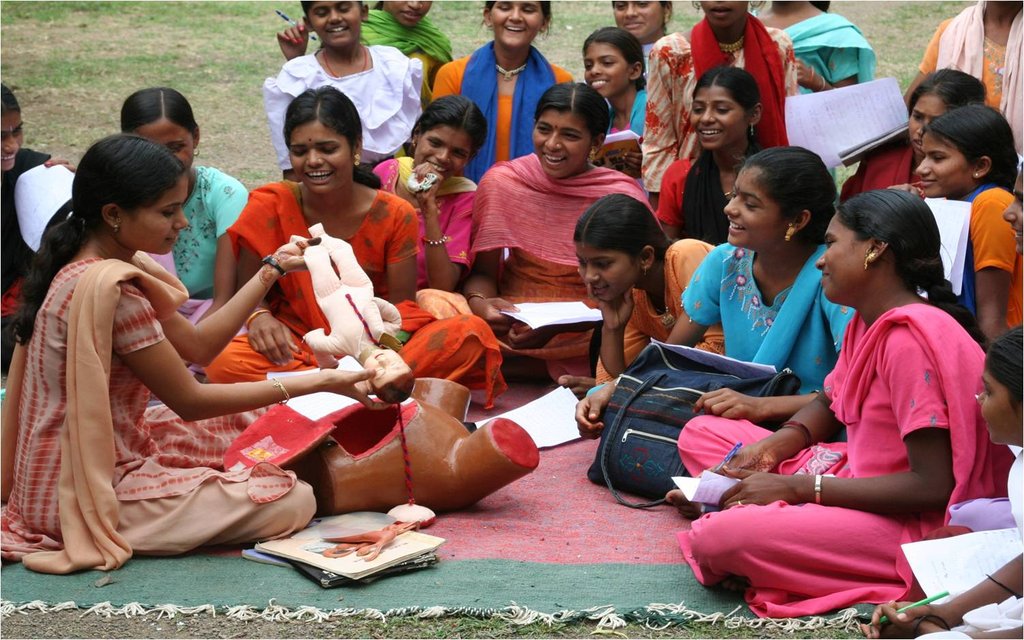
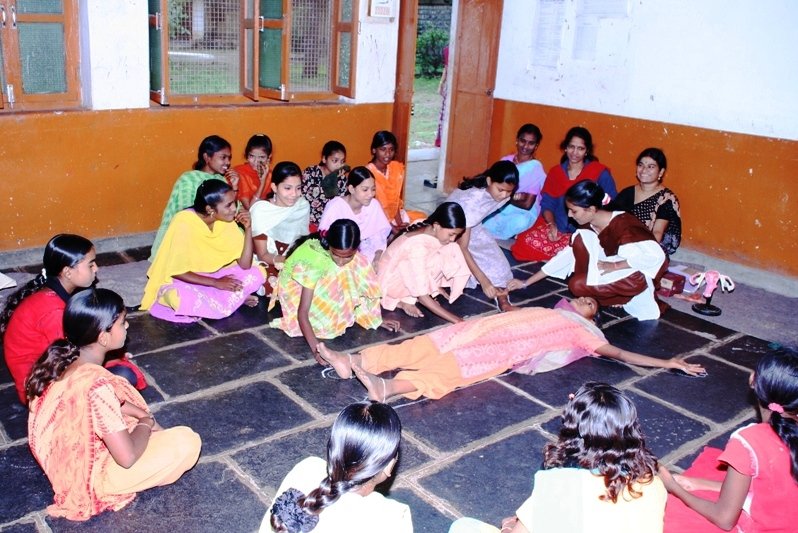
Hundreds of married adolescent girls and their newborn babies are alive and well because our community health workers identified complications on time and made sure that the girls were taken to a hospital for treatment.
There are more than one million community health volunteers (ASHAs) in India. Can you imagine the number of young mothers and their newborns they can save by being vigilant and proactive and linking girls with maternal complications to a health facility.
Project reports on GlobalGiving are posted directly to globalgiving.org by Project Leaders as they are completed, generally every 3-4 months. To protect the integrity of these documents, GlobalGiving does not alter them; therefore you may find some language or formatting issues.
If you donate to this project or have donated to this project, you can receive an email when this project posts a report. You can also subscribe for reports without donating.



Support this important cause by creating a personalized fundraising page.
Start a Fundraiser