By Ashok Dyalchand | Director
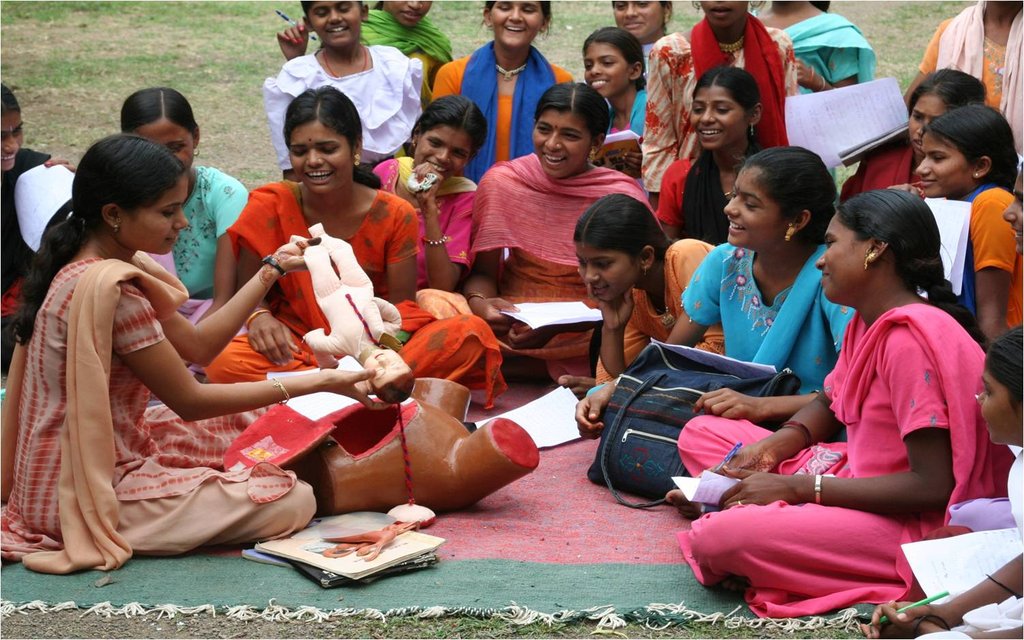
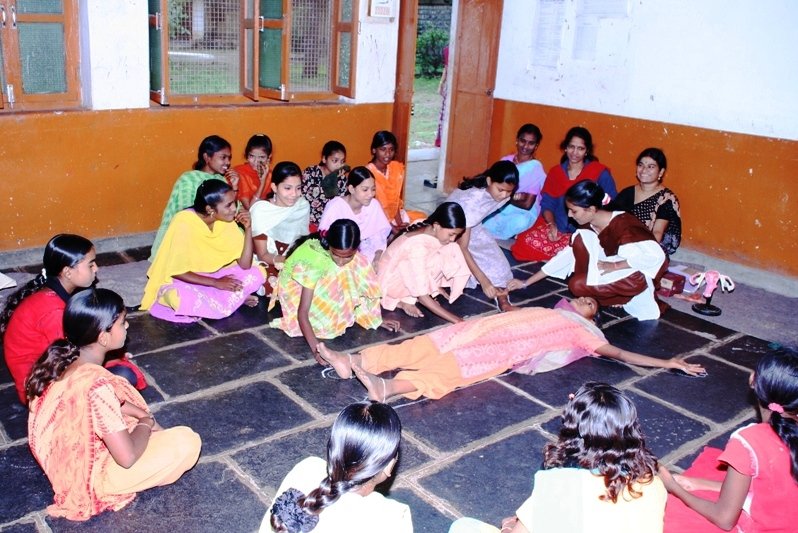
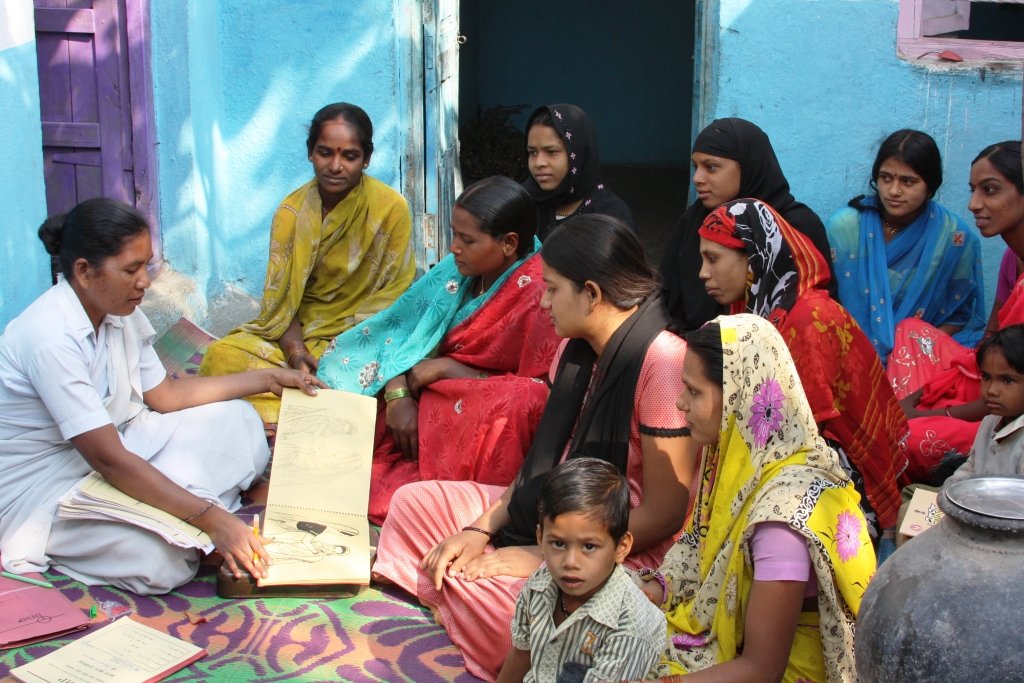
Institute of Health Management Pachod (IHMP) has launched an exciting program, wherein adolescent girls trained as Peer Educators are bringing about change in the lives of their 10 to 19 year old peers.
The objective that the peer educators want to achieve is to reduce the prevalence of anemia among adolescent girls, based on the fact that 66% adolescent girls are known to be anemic.
Two adolescent girls trained as Peer Educators visit the houses of 8 adolescent girls selected by them once a week.
During the first visit the peer educators disseminate information about anemia to 8 peers and their parents.
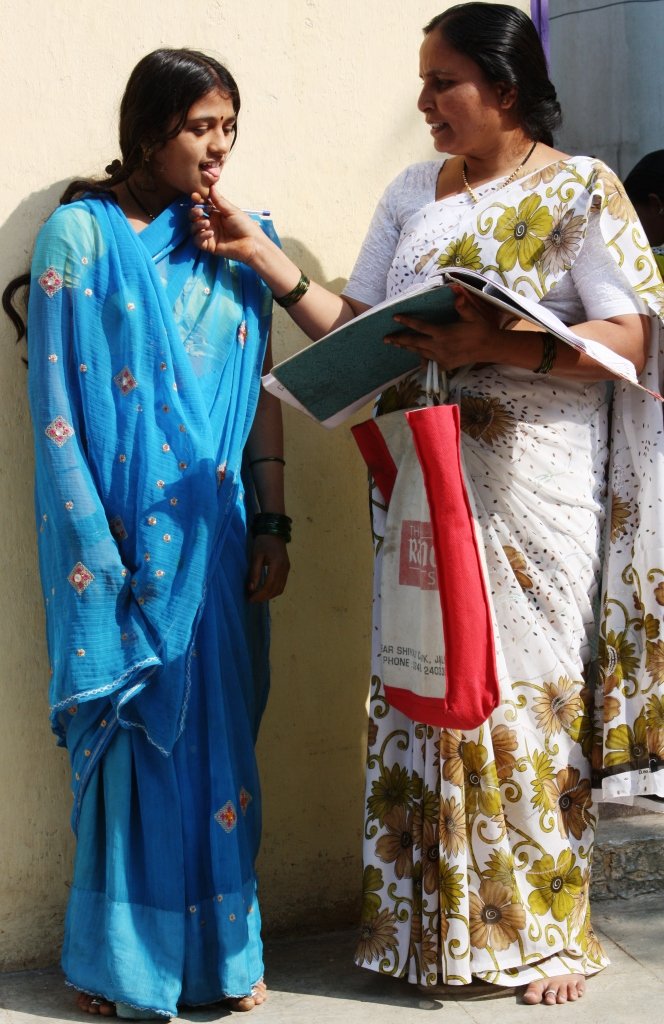
In the second weekly visit the peer educators counsel the 8 girls and their parents and motivate the girls to get their hemoglobin tested by IHMP’s laboratory technicians. Hemoglobin levels will be tested once every 6 months among adolescent girls.
In the third weekly visit the peer educators provide nutrition education to the girls and their parents and motivate them to increase the quantity of food consumed, and to consume iron rich food.
In the fourth weekly visit the peer educators provide iron and folic acid and vitamin C tablets to their 8 peers. They tell the peers to consume the tablets in their presence and they themselves swallow the tablets along with their 8 peers. This strategy of supervised weekly consumption of iron and folic acid supplements is expected to expedite the reduction in the prevalence of anemia as well as prevent the incidence of anemia among adolescent girls in future.
Thereafter, the weekly visits of the peer educators are continued in order to universalize and sustain the behavior changes achieved among the 8 adolescent girls selected by them.
972 adolescent girls in the age group 15 to 19 years have paired up as peer educators. Each pair has adopted 8 adolescent girls 10 to 18 years of age.
The power of this peer led initiative is that two peer educators tell their 8 peers that we ourselves are practicing what we are asking you to follow.
The following outcomes are expected from this initiative:
Anemia results in physical weakness and lack of attention in the short term. In the long term anemia results in hampering the physical and mental growth of adolescent girls, thereby compromising the quality of their lives.
The ‘Peer Led’ program being implemented by 972 girls promises to reverse the adverse consequences of anemia and make this a movement that will change to lives of adolescent girls.
Project reports on GlobalGiving are posted directly to globalgiving.org by Project Leaders as they are completed, generally every 3-4 months. To protect the integrity of these documents, GlobalGiving does not alter them; therefore you may find some language or formatting issues.
If you donate to this project or have donated to this project, you can receive an email when this project posts a report. You can also subscribe for reports without donating.



Support this important cause by creating a personalized fundraising page.
Start a Fundraiser